
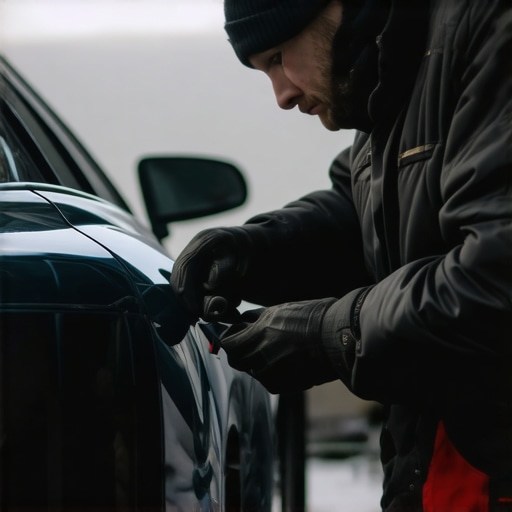
Ever had that sinking feeling when you hop into your car on a brisk winter morning, only to find your gear shifter stubbornly refusing to budge? I remember the first time it happened to me—beautifully clear day, but my transmission was as frozen as the icy pavement beneath my tires. That unexpected struggle not only delayed my plans but also made me question whether I had a bigger problem on my hands.
Overcoming the Cold: Why Your Gear Shift Gets Stuck
Here’s the truth—cold weather can significantly affect your vehicle’s transmission components. When temperatures drop, especially below freezing, the transmission fluid thickens, making it harder for the gear shifter to move smoothly. Plus, the lubricants and mechanical linkages contract, adding to the stiffness. This isn’t just an annoyance; it can be a sign of underlying issues that, if ignored, might lead to costly repairs down the line. As I’ve learned through personal experience and advice from trusted auto repair guides—like Collision Renew’s comprehensive guide—addressing these cold-start challenges promptly can save you money and prevent breakdowns.
Is Your Gear Shifter Problem Really Worth Stressing Over?
At first, I made the mistake of thinking my stuck shifter was just an unavoidable inconvenience. I pushed and pulled, tried a few home remedies, and hoped it would resolve itself. Spoiler alert: that was a mistake. Early misjudgments like ignoring the importance of proper transmission maintenance echoed my mishaps, which I now realize could have been avoided with a bit more knowledge. Recognizing the signs early, such as persistent stiffness or difficulty shifting in cold weather, is vital.
If you’re tired of battling with a gear shifter that refuses to cooperate on chilly mornings, you’re not alone. Many drivers face this issue, but the good news is that simple, effective fixes exist—and they’re within reach. In the next sections, I’ll walk you through practical steps I’ve tested and trusted for freeing up that stubborn shifter, ensuring smoother starts even in the coldest weather. Ready to take control and get your gears moving again? Let’s dive into the solutions that can turn your frosty mornings into smooth, reliable drives.
.
Inspect the Transmission Fluid
Begin by checking your transmission fluid level and condition. In cold weather, thickened fluid can impede gear movement, making it feel stiff or stuck. Locate the transmission dipstick, pull it out, and examine the fluid. If it appears dark or gritty, or if the level is low, it’s time for a top-up or replacement. Regularly maintaining proper transmission fluid ensures smoother shifts and can prevent the gear shifter from freezing. For detailed guidance on fluid checks, visit this comprehensive auto repair guide.
Apply Lubricant to Mechanical Linkages
Next, focus on the mechanical linkages that connect the gear shifter to the transmission. Cold temperatures can cause these parts to contract or become sticky. Use a high-quality lubricant specifically designed for automotive linkages, such as a silicone spray. Shift the gear lever gently back and forth while applying the lubricant to ensure even coverage. This step dislodges minor rust or debris and helps restore movement. Remember, avoid using WD-40 on critical transmission parts, as it’s mainly a solvent, not a lubricant. Proper lubrication can turn a stubborn shifter into smooth-operating gear. If you’re unsure about accessing these parts, consulting a professional at Collision Renew’s contact page can save you time.
Warm Up Your Car and Transmission
Start your vehicle and let it warm up for about 10–15 minutes. Warming increases the temperature of the transmission fluid, reducing its viscosity from thick gel to a more flowable state. This process eases the mechanical parts, helping the gear shifter move more freely. While idling, gently try shifting through all gears, including park, reverse, and drive. Do this slowly to avoid gear slip or damage. Think of it as melting ice before attempting to walk across—it prevents unnecessary stress on the system. If consistent cold-induced stiffness persists, it may be time to check for deeper issues like a failing transmission pump or a clogged filter, which could be discussed in this article.
Use Emergency or Backup Methods
If the gear shifter remains immovable, explore your vehicle’s manual shift override. Many cars have a small release mechanism near the shifter—often hidden under a cover or requiring a key or screwdriver. Follow your owner’s manual instructions to access this feature. This allows you to shift into neutral, enabling safe vehicle movement or roadside troubleshooting. For example, I once had to move my car during a snowstorm when the shifter was frozen. Applying the manual release helped me park safely and avoid further damage. Remember, it’s a temporary fix, and professional inspection is recommended if problems persist.
Schedule Professional Assistance
Persistent or worsening issues with your gear shifter even after these steps indicate underlying problems. It might be a failing transmission solenoid, warped linkage, or damaged shift cable. In such cases, consulting experts at transmission repair specialists can save you money and prevent further damage. Regular maintenance, like fluid changes and linkage inspections, can prevent winter-related issues from cropping up again. Immediate professional attention ensures your safety and keeps your vehicle running reliably through any season.
Many car owners believe they have a solid grasp on what it takes to maintain their vehicle, but in reality, there are several nuanced pitfalls and misconceptions that can lead to costly mistakes. As someone deeply involved in car service and auto repairs, I’ve observed that a prevalent myth is the idea that “once your car runs smoothly, there’s no need for further maintenance.” In fact, consistent preventive care, including regular transmission checks and brake services, is essential to keeping your vehicle in peak condition over the long haul.
What Advanced Drivers Often Get Wrong About CollisionRenew’s Approach
A common misconception is that collision repair companies, like CollisionRenew, only excel at fixing visible exterior damage. While their expertise in restoring the bodywork is top-notch, many overlook their comprehensive understanding of underlying mechanical systems. The nuanced aspect here is recognizing that proper collision repair also involves realigning structural components to prevent uneven tire wear or steering issues. Neglecting this can compromise safety and lead to premature component failure, which is why asking about the entire repair scope is vital. An example is the micro-denting of framing that often goes unnoticed but can affect steering precision—something I ensure during every repair consultation.
Another point often missed is the importance of differentiating between routine auto service and diagnosing advanced problems. For instance, a squealing brake pad might seem trivial but can indicate caliper sticking—a nuance that a professional with deep expertise will check beyond surface-level replacements. This vigilance avoids the trap of replacing parts prematurely, which can sometimes do more harm than good, especially without understanding the root cause.
How to Avoid Common Auto Repair Traps and Myths
One trap many fall into is underestimating the significance of specialized diagnostics, especially in transmission repair. For example, someone might think a “slipping transmission” only needs fluid top-up, but the real issue could involve internal components like a worn clutch pack or a failing solenoid. An outdated belief is that transmission fluid alone fixes the problem, yet advanced diagnostics—like those discussed in top repair tips—are essential for effective, long-lasting repair.
Furthermore, beware of the assumption that DIY fixes can substitute professional service completely. Using stop-leak products might seem convenient, but they can cause unintended damage by clogging narrow channels within your cooling or transmission systems. Studies from experts warn that improper use of such additives can lead to more extensive repairs down the line, emphasizing the necessity of trusting trained professionals who understand complex vehicle dynamics.
For drivers aiming to extend their vehicle’s life, awareness of these nuances is key. Regular inspections aligned with essential service checks can prevent small issues from escalating. Remember, driving habits also influence component longevity; aggressive driving can accelerate transmission wear or brake system deterioration. Recognizing these factors helps you avoid costly surprises and maintain optimal vehicle performance.
To sum up, by understanding the subtle intricacies and dispelling common myths—like the false comfort of neglecting preventive maintenance or oversimplifying complex repairs—you can better navigate the auto repair landscape. Always question assumptions, seek detailed diagnostics, and work with trusted professionals to keep your vehicle running smoothly for years to come. Have you ever fallen into this trap? Let me know in the comments.
Keeping It Running Smoothly with the Right Tools
When it comes to maintaining your vehicle’s transmission, brakes, or collision repair, having the proper tools is a game-changer. Personally, I swear by a high-quality obd2 scanner, like the Innova 3160g, which allows me to read and clear codes at home, saving time and money. This device provides instant insights into engine and transmission issues, helping me diagnose problems before heading to the shop. For detailed diagnostics, software like OBDLink MX+ pairs seamlessly with apps such as Torque Pro, giving real-time data that can reveal lingering issues with your transmission or brake sensors.
Another indispensable tool is a set of mechanics’ stethoscopes. These specialized acoustic devices help identify faulty wheel bearings, stuck calipers, or loose heat shields by amplifying specific sounds during driving. I use a Techtrade automotive mechanic’s stethoscope because it isolates vibrations and noise, enabling pinpoint accuracy—crucial when assessing complex problems like a subtle transmission misshift or a brake pulsation. For ongoing maintenance, a reliable torque wrench is essential—personally, I prefer the TEKTON 1/2 Inch Drive, which ensures torquing fasteners to manufacturer specs, preventing over-tightening that could damage components.
Additionally, employing a portable infrared thermometer helps monitor temperature spikes during transmission or brake operation. Regular checks with this tool can prevent overheating issues that lead to long-term damage, as discussed in this article. I recommend measuring both transmission fluid temperatures and brake rotor surface temperatures during drives, especially when performing maintenance or troubleshooting.
How Do I Keep My Vehicle Components in Peak Condition Over Time?
To ensure the longevity of critical parts, scheduled inspections using these tools should be part of your routine. For example, periodically scanning your vehicle’s systems can detect early warning signs, like a gradual increase in transmission temperature or rising brake fluid contamination levels. As auto repair experts emphasize, consistent monitoring helps you catch issues before they escalate, ultimately saving costly repairs down the line. In the future, I predict that integrating more sophisticated sensor technology with wireless diagnostics will make vehicle maintenance even more proactive and accessible to everyday car owners.
Tools That Make Long-Term Maintenance Easier
For anyone serious about keeping their vehicle in top shape, investing in a comprehensive set of diagnostic and repair tools is worthwhile. A good-quality multimeter, such as the Fluke 115, allows you to troubleshoot electrical issues in sensors and switches. For brake service, a hydraulic pressure tester helps confirm caliper function or identify fluid leaks efficiently. And when performing collision repair or bodywork, a paint thickness gauge ensures your work matches factory standards, preventing long-term aesthetic problems. These tools not only help in diagnosing issues but also foster understanding of your vehicle’s inner workings, empowering you to handle routine repairs confidently.
Remember, as vehicle electronics become more integrated, staying up-to-date with the latest diagnostic software and tools is vital. Regularly visiting trusted sources like Collision Renew’s privacy policy can keep you informed about new equipment or methods to enhance your vehicle’s reliability.
Start by trying out one advanced diagnostic tip—like using your obd2 scanner to monitor transmission temperature during your next commute. It’s simple yet incredibly effective in identifying potential issues early and extending the life of your transmission. Are you ready to take your auto maintenance routine to the next level? Dive into these tools and think about how they can help you prevent long-term problems before they start.
,
What I Wish I Knew Before Diving Into Vehicle Repairs
- Experience taught me that every car issue, no matter how minor it seems, hides valuable insights about overall vehicle health. Skipping routine checks or ignoring odd signs often results in bigger problems down the line.
- Understanding the deeper mechanics behind collision repairs revealed that structural realignment isn’t just about appearance but crucial for safety and long-term durability.
- My biggest lesson was recognizing the importance of proactive maintenance—preventing issues is far easier and cheaper than fixing them after they’ve caused damage.
- I’ve learned to question assumptions, like the idea that a simple transmission fluid top-up can fix all shifting problems. Diagnostics and expert inspections often uncover hidden causes.
- Trusting the right tools and professional advice, instead of shortcuts like stop-leak products, saves time, money, and preserves the integrity of your vehicle.
Tools and Resources That Elevated My Car Care Game
- OBD2 Scanners: The Innova 3160g became my go-to diagnostics ally—easy to use and invaluable for catching issues early without unnecessary trips to the mechanic.
- Mechanic’s Stethoscopes: These help me listen for subtle sounds indicating brake or suspension problems, giving me confidence in precise troubleshooting.
- Infrared Thermometers: Monitoring transmission and brake temperatures helps prevent overheating, a crucial step often overlooked until it’s too late.
- Reliable Repair Guides: Resources like Collision Renew’s comprehensive guide keep me informed about best practices and emerging repair techniques.
Embracing a Future of Smarter Car Maintenance
Taking charge of your vehicle’s health isn’t just about fixing problems—it’s about building confidence and understanding your car on a deeper level. Every tool I use and lesson I learn reinforces the idea that proactive care is the key to a safer, more reliable ride. Today’s auto repair landscape continues to evolve, offering smarter diagnostics and innovative methods that empower us as vehicle owners. So, my challenge to you is: start viewing your car as a partner rather than just a machine—equipped with the right knowledge and tools, you can extend its life and enjoy peace of mind on every journey. Are you ready to take the next step toward smarter car care? Share your experiences or questions below—I’d love to hear your stories and help you navigate your auto maintenance journey.