
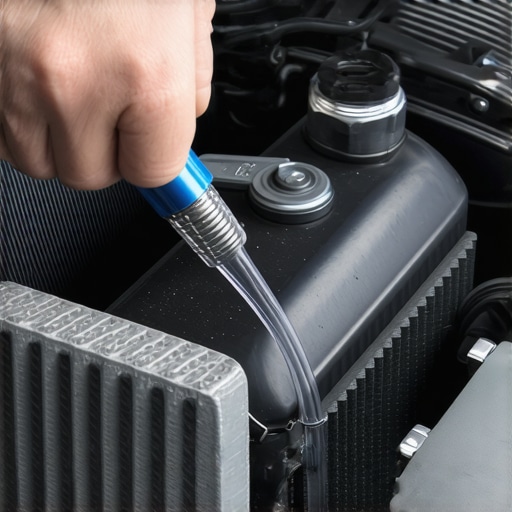
Have you ever opened your hood, ready to give your car a simple coolant flush, only to be greeted by a frustrating air pocket that refuses to budge? That moment when your engine overheats unexpectedly, and you realize a tiny airlock has turned into a big headache. I remember the first time I faced this dilemma; I thought I was doing a straightforward fluid change, but my engine kept running hot, and the coolant seemed to disappear into thin air. That lightbulb moment taught me the importance of proper bleeding techniques to avoid the pesky airlocks that can cause serious damage.
Why Flushing Your Coolant Can Be Trickier Than It Looks
It’s tempting to think that simply draining old coolant and refilling with fresh fluid is enough. However, if you don’t follow the right steps to eliminate air from the system, your efforts might be counterproductive. Air trapped in the cooling system can block coolant flow, leading to hot spots, increased engine wear, and even costly repairs. Trust me, I’ve made this mistake early on — assuming a quick refill was sufficient, only to have my engine overheat during a long drive. That experience drove home the importance of careful bleeding procedures, which I now swear by for maintenance success.
Is It Really Worth All the Fuss? The Honest Truth
Some skeptics might dismiss these steps as overkill, thinking, “It’s just coolant, how hard can it be?” Well, I used to believe that too—until I discovered that neglecting proper air bleeding can shorten your engine’s lifespan significantly. According to experts, trapped air in the cooling system can reduce heat transfer efficiency by up to 50%, making your engine work harder and wear faster. So, yes, taking the time to properly flush and bleed your cooling system is absolutely worth the effort to keep your car purring smoothly for miles to come.
Prepare Your Tools and Vehicle
Start by gathering all necessary tools: a radiator funnel, a wrench, a catch basin, and fresh coolant. Ensure your engine is cool to avoid burns and disconnect the radiator cap to access the system. I once attempted to skip this step on a hot engine, which resulted in a coolant splash that scarred my hand, teaching me the importance of patience and safety.
Drain Old Coolant Properly
Place the catch basin under the radiator drain valve. Open the valve slowly and allow the old coolant to flow out completely. Think of this step like emptying a spill-proof bottle; slow and steady prevents messes. I remember fumbling this once, spilling coolant on my garage floor, which made me realize why cleanliness is essential in auto repair.
Refill with Fresh Coolant
Close the drain valve securely. Using a funnel, fill the radiator with the new coolant mixture according to your vehicle manufacturer’s specifications. Don’t rush this step; filling too quickly can trap air. I learned this the hard way when a quick pour left air bubbles in the system, causing overheating during a test drive.
Bleed Air from the System
Use the Bleeding Valve or Vent
If your vehicle has a dedicated bleeding valve, open it slightly to release trapped air. For systems without one, start the engine and let it run with the radiator cap off. Turn on the heater to maximum heat; this opens the heater core and helps circulate coolant, pushing air upward. I once neglected this and ended up with air pockets, leading to rapid temperature fluctuations that puzzled me until I learned to keep the heater on during bleeding.
Monitor the Temperature and Fluid Levels
Watch the temperature gauge closely. As the engine warms, bubbles may rise to the surface, indicating trapped air. Add coolant as needed to maintain the proper level. Think of this like boiling water; the initial bubbles are steam escaping, similar to air escaping from the cooling system. I found that periodically tapping the radiator hoses gently helps dislodge stubborn air pockets.
Repeat and Finalize the Process
Repeat the bleeding process until no more bubbles surface and the coolant level stays steady. Tighten the radiator cap securely once you’re satisfied. This process is crucial—fail to remove all the air, and your engine may still overheat. I once thought I was done after just one cycle, only to experience overheating on the highway later; redoing the bleed fixed the issue definitively.
Check for Leaks and Test Drive
Inspect the system for leaks around hoses and drain plugs. Start the engine and let it reach operating temperature, then observe the temperature gauge and look for any signs of overheating or leaks. A short drive around the block helps confirm that your coolant system is functioning correctly. Remember, proper bleeding extends the life of your cooling system, so take your time and verify thoroughly. For additional maintenance tips, explore essential car service checks and keep your vehicle in top shape.
When it comes to brake service or auto repair, many car owners believe a quick pad replacement or fluid top-up suffices. However, beneath the surface lies a hidden nuance that can significantly impact your vehicle’s safety and longevity. Let’s acknowledge a common myth: that all brake pads are created equal or that brake repairs are purely routine. In my experience, this oversimplification often leads to overlooked issues, especially in high-mileage vehicles.
One widespread misconception is that a vehicle’s braking performance solely depends on the quality of brake pads. While quality matters, the true challenge lies in the proper installation and system assessment. For example, a poorly aligned caliper or uneven rotor wear can cause squeals, vibrations, and premature pad failure, even if you’re using premium parts. This is why choosing the right brake service is more than just picking the best pads — it involves comprehensive diagnostics and precise calibration.
Now, here’s a trap I see many fall into — ignoring the hidden damage to the master cylinder or brake lines. They often assume that changing pads will solve any brake fade or sponginess. But if your brake fluid is contaminated or the lines are compromised, that quick fix won’t last. This is where many overlook the importance of inspecting related systems, which can be crucial for the safety and performance of your brakes.
Why does neglecting transmission details cause failures?
Let’s shift gears for a moment. Many believe that regular transmission fluid changes are optional or only necessary when symptoms appear. However, studies reveal that consistent maintenance—including fluid replacement and system diagnostics—can extend transmission life significantly. Overlooking nuances like incorrect fluid levels or worn clutches during a basic service can lead to costly repairs down the line. Remember, a neglected transmission often causes your car to feel sluggish or intermittently slip gears—signs that should prompt a thorough inspection, not just a fluid top-up.
In this context, it’s essential to recognize that auto repair isn’t just about quick fixes but about understanding systemic interactions and what lies beneath the surface. Proper diagnosis, as detailed in this comprehensive guide, can save you money and prevent accidents.
Finally, to master the nuances of repair, ask yourself: am I overlooking key systemic issues that affect my vehicle’s reliability? Going beyond the obvious can make all the difference. Would you like to learn more about these hidden complexities? Check out strategies for restoring your vehicle to perfection or schedule a consultation through our contact page. And remember, understanding these nuances isn’t just for mechanics — it’s the difference between quick fixes and long-term peace of mind.
Investing in Quality Equipment for Long-Term Reliability
When it comes to maintaining your vehicle, especially components like transmission or brake systems, having the right tools at hand can make all the difference. I personally recommend a digital multimeter from Fluke, such as the Fluke 115, because it provides accurate readings for troubleshooting electrical issues in the car’s systems. For transmission maintenance, a high-quality scan tool like the Autel MaxiCOM MK808 helps diagnose hidden faults before they escalate, saving time and money in the long run. Using specialized equipment ensures you’re targeting the root cause effectively, rather than just patching symptoms.
Adapting Your Methods with Modern Techniques
Technology is advancing rapidly, influencing auto repair strategies. For example, ultrasonic leak detectors allow pinpointing vacuum leaks in engine bays without invasive disassembly. Furthermore, incorporating PC-based diagnostic software like OBDLink’s OEM Scanner adapts your approach to current vehicle complexities. These tools help identify systemic issues that might be missed with traditional methods, ensuring your repairs are not just temporary fixes but long-term solutions. As vehicle electronics become more integrated, staying updated with these tools will be crucial for effective maintenance.
Preparing for Future Trends in Car Care
Looking ahead, I believe that AI-powered diagnostic platforms will become standard, offering real-time insights and predictive maintenance suggestions. Companies like Bosch are already working on systems that analyze data trends to advise on proactive repairs. Adopting such technologies now sets you apart, making your maintenance routines more efficient and foresighted. This shift towards sophisticated diagnostics will reduce breakdowns and extend vehicle lifespan significantly, highlighting the importance of investing in advanced tools today.
How do I maintain transmission health over time?
Consistent fluid checks are fundamental, but I also recommend periodically performing a thorough system diagnostic with a professional-grade scan tool. This approach helps catch potential problems early, such as slipping gears or electronic glitches, before they cause costly damage. Additionally, following a strict schedule for fluid replacement—as outlined in top transmission repair tips—can dramatically improve your vehicle’s performance and longevity. Remember, proactive maintenance is the key to avoiding breakdowns and ensuring your transmission remains smooth and responsive for years to come.
Don’t wait for symptoms to worsen. Try using an advanced diagnostic scan tool to assess your transmission or other critical systems today, and see the difference it makes in your vehicle’s performance.
Sometimes the Biggest Lessons Come from the Toughest Fails
One of the most valuable insights I’ve gained in my auto repair journey is realizing that overlooked details can turn a simple fix into a costly lesson. I once thought I had properly bled my cooling system after a flush, only to watch my engine overheat a few days later. It turned out I hadn’t fully removed all the trapped air, which caused persistent overheating. That experience taught me to invest patience and diligence, reminding myself that meticulous attention pays off. Similarly, ignoring system diagnostics in brake repairs or transmission work can lead to unexpected failures down the line, a mistake I’ve learned the hard way and will never repeat.
Tools and Resources I Believe Make a Difference
If you want to elevate your vehicle maintenance routine, equipping yourself with quality tools is essential. A reliable scan tool like the Autel MaxiCOM MK808 helps diagnose hidden issues in your transmission or electronic systems, preventing minor problems from escalating. I trust this device because it provides clear insights and saves me hours of guesswork. Additionally, sources like this comprehensive guide have deepened my understanding of transmission health. For regular car checks, this resource on essential service tips is invaluable. Investing in the right equipment and trusted information ensures your repairs are accurate and long-lasting.
You’re Just One Step Away from Confident Car Care
Taking control of your vehicle’s health can feel daunting, but with the right mindset and resources, you can prevent costly breakdowns and enjoy peace of mind. Every maintenance step, from flushing coolants to inspecting systems, is an investment in your car’s future. Imagine driving without worries, knowing you’ve addressed potential issues early. The future of auto repair is headed toward smarter diagnostics and proactive care—embrace it now and be ahead of the curve. Your vehicle will thank you for it, and you’ll gain confidence that lasts mile after mile.