
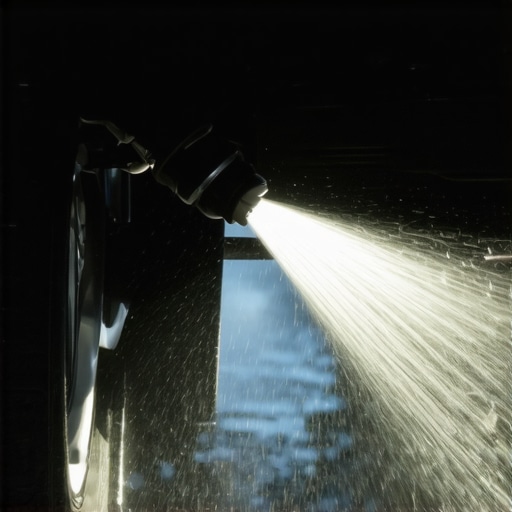
I remember the first spring after a brutal winter: I was so proud of surviving the snow, ice, and relentless salt spread across the roads. But then, that sinking feeling hit me when I glanced underneath my car—rust had already started to set in. It was a lightbulb moment: all that salt wasn’t just a nuisance for my shoes, but a silent attacker on my vehicle’s underbelly. That day, I realized I needed to do more than just wash the salt off the surface; I had to target the hidden, corrosive layers lurking underneath.
Why Ignoring Road Salt Could Cost You Big Time
Road salt is designed to keep our streets safe, melting ice and preventing accidents. But as effective as it is, salt and moisture combine to create a corrosive environment underneath your vehicle. If neglected, this can lead to rust, weakened structural components, and costly repairs down the line. Early prevention can save you hundreds—or even thousands—by extending your car’s life and maintaining its value.
Is Salt Removal Really That Important? My Toughest Lesson
Early on, I made the mistake of just rinsing the surface with water, thinking that was enough. I didn’t realize the salt lingering in crevices or sticking to components could cause deep corrosion. Did you know that untreated salt exposure accelerates rust formation by up to 75%? (Source: Collision Renewal) This eye-opening fact motivated me to get serious about undercarriage maintenance. Trust me—avoiding this step is a gamble you shouldn’t take.
Now, I want to share the effective methods I’ve learned to remove salt and protect your vehicle before it’s too late. If you’ve faced the gloom of seeing rust chips or reduced vehicle reliability, you’re in the right place. Let’s dive into the practical steps that will keep your car running smoothly long after winter’s gone.
Start with a Thorough Undercarriage Rinse
After a long winter drive through salted streets, your first move should be to give your car a comprehensive undercarriage wash. Use a high-pressure hose or a professional car wash with an undercarriage cleaner setting. Aim to reach all nooks and crannies where salt can hide. I once took my car to a DIY car wash, and as I sprayed the underbelly, chunks of grime and salt slurry flushed out, revealing the metal’s true condition. Regular rinsing prevents salt from settling and causing initial corrosion.
Apply an Undercarriage Spray or Rust Prevention Coating
Once dry, applying a protective undercoat or rust inhibitor is crucial. An undercarriage spray creates a barrier, much like a vaccine shields your body from germs. I covered my vehicle with a specialized rust-proofing spray last spring, and it now shows minimal sign of salt damage. Focus on seams, wheel wells, and suspension components. This step is your best defense against rust taking hold in those hard-to-see areas.
Inspect and Clean Critical Components
Pay close attention to brake calipers, shocks, and exhaust parts. Use a wire brush or a sealant to remove stubborn salt deposits. For example, I once found salt buildup on my brake rotors that could have caused uneven wear. After scrubbing and applying brake cleaner, I ensured smoother braking performance and reduced corrosion risk. Do this regularly, especially after heavy snow days.
Schedule Professional Underbody Checks
Rely on professionals to perform detailed inspections annually. They can spot early rust spots, worn-out protective coatings, or compromised welds. I booked a quick inspection with a trusted auto service, which recommended spot-priming some vulnerable areas. Keeping up with professional evaluations saves money and preserves vehicle longevity.
Preventative Maintenance and Continuous Care
Beyond initial cleaning, maintain a routine of frequent washes during the winter season. Consider installing underbody shields or splash guards to minimize salt splash. Think of it as giving your car a consistent armor. When winter subsides, revisit these steps to ensure dormant salt doesn’t start its destructive process anew.
Implementing these straightforward yet effective measures can drastically reduce salt-induced damage. Remember, proactive steps today save you costly repairs tomorrow, preserving your vehicle’s integrity and value over years of reliable service.
Many car owners operate under assumptions that seem helpful but are actually misconceptions, leading to costly mistakes. For instance, a widespread myth is that simply topping off transmission fluid keeps your transmission healthy. In reality, overfilling or neglecting genuine diagnosis can cause more harm than good. According to expert insights on transmission repair, understanding the nuances of fluid levels and system conditions is crucial for long-term reliability.
Are You Falling for Quick Fixes Over Proper Diagnostics?
Another misconception is that routine oil changes are all your vehicle needs for maintenance. While essential, neglecting other critical checks such as brake system evaluation or transmission health can lead to symptoms that appear unrelated but stem from deeper issues. Many assume that if the car runs fine, everything is perfect; however, irregular wear or early signs of component fatigue often go unnoticed until significant damage occurs. Consult car service essentials to ensure you’re covering all bases.
Furthermore, a common mistake is delaying collision repairs because of cost concerns. This is risky, as small dents or paint chips may seem insignificant but can hide underlying frame damage or rust that will escalate if left unattended. For expert methods on restoring your vehicle’s integrity, check out collision repair strategies.
It’s tempting to rely on anecdotal advice or DIY videos, but these can be misleading without professional evaluation. Misdiagnosing a problem can lead to unnecessary repairs or missed issues that threaten your safety and your wallet. Therefore, investing in a thorough diagnosis from qualified technicians is a smarter choice. For tips on selecting the right service, see brake service selection.
Remember, understanding the leading myths and avoiding these common pitfalls will help you protect your vehicle’s longevity and your investment. Do you know other misconceptions that trip up car owners? Share your experience below!
Pro Tools for Reliable Auto Maintenance
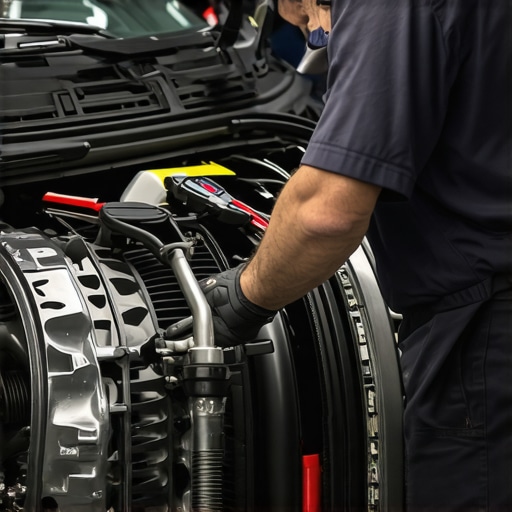
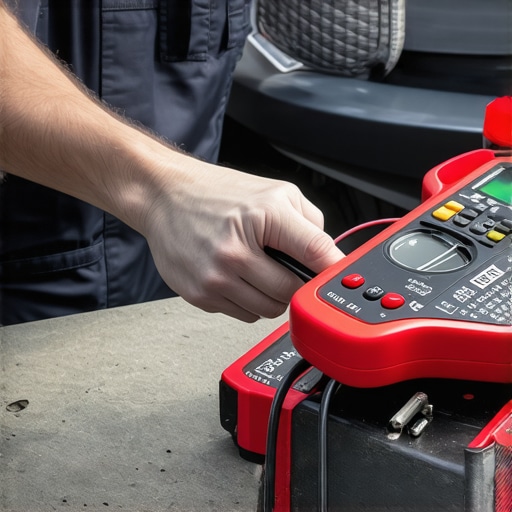
Investing in quality tools makes all the difference when maintaining your vehicle over time. I personally recommend a durable digital multimeter like the Fluke 115; it provides precise readings for battery health, alternator function, and sensor diagnostics, saving me trips to the mechanic. For brake system checks, a brake pad gauge such as the Eclipse 5-in-1 is invaluable—it helps me determine pad wear accurately, preventing unexpected failures. Using a cordless cordless impact wrench from Bosch has streamlined my wheel removal process, especially in tight spaces, allowing quick rotation and inspection.
For diagnosing complex issues, I rely on an OBD-II scanner like the BlueDriver Pro. It connects wirelessly to my smartphone and provides real-time data along with clear explanations, making diagnostics straightforward even for a DIY enthusiast. Regularly updating the scanner’s software ensures I catch newer codes and vehicle-specific parameters, helping me stay ahead of potential problems.
The Software and Maintenance Habits That Extend Vehicle Life
Beyond physical tools, staying organized with maintenance software can track upcoming service intervals, record repairs, and remind me when to schedule inspections. I use a platform like MyCarfax, which syncs with service providers and keeps all records in one place, simplifying warranty claims and resale preparation.
Adopting a routine of monthly visual inspections and fluid checks ensures issues are caught early. I schedule professional services based on manufacturer recommendations, referencing the essential car service checks. This proactive approach minimizes long-term costs and assures peace of mind.
Looking Ahead: The Future of Car Maintenance Technology
As vehicle technology advances, predictive maintenance involving AI-driven diagnostics and sensor networks promises to revolutionize auto care. Future tools may alert you before issues become critical, enabling repairs that are less invasive and more cost-effective.
How do I maintain my vehicle’s performance over time?
Consistent proactive inspections, utilizing precise diagnostic tools like an advanced OBD-II scanner, and keeping detailed maintenance records are key. Embracing new technologies as they emerge will further enhance your vehicle’s longevity. For comprehensive guidance, explore our ultimate guide to auto repair.
Start by testing your battery with a digital multimeter and refer to your vehicle’s manual for maintenance schedules. Regularly check brakes with a gauge, and consider upgrading your diagnostic tools to catch issues early. These steps provide a cost-effective way to ensure your car remains dependable for years to come.
Beyond the Surface: What My Toughest Car Lessons Revealed
- Understanding that salt causes more than just superficial corrosion changed my entire maintenance routine, prompting me to dig deeper into undercarriage health rather than just rinsing off surface grime.
- Realizing that quick fixes are tempting but often superficial taught me the importance of proper diagnostics and professional inspections—saving money and prolonging vehicle life.
- My misconception that regular oil changes alone would keep my car in prime shape was shattered when I learned about the significance of targeted component checks and proactive maintenance.
- Discovering how neglecting early signs of rust and component wear can lead to irreversible damage instilled a proactive mindset that’s now a core part of my vehicle care approach.
- From these lessons, I understood that investing in quality tools like an advanced OBD-II scanner and maintaining detailed records can dramatically extend my car’s reliable service life.
Tools and Resources That Changed My Perspective
- BlueDriver Pro OBD-II Scanner: Trusted for its accuracy and ease of use, it helps me catch issues early and make informed decisions about repairs, preventing costly breakdowns.
- Collision Renewal’s Essential Car Service Checks: This comprehensive guide keeps me aligned with manufacturer recommendations and ensures I don’t overlook critical maintenance steps that truly matter.
- MyCarfax Maintenance Software: Keeping all records organized and reminders streamlined, it helps me stay ahead of maintenance schedules and resale prep.
- Quality Underbody Spray: Investing in a reliable rust prevention coating has significantly extended my vehicle’s undercarriage lifespan and protection against salt damage.
Your Turn to Keep Moving Forward
Applying these insights about transmission, car service, collision renewal, auto repair, and brake service can truly change how you care for your vehicle. Remember, the smallest proactive step today can save you from extensive repairs tomorrow. Stay curious, invest in quality tools, and don’t hesitate to seek professional advice when needed—your car’s longevity depends on it. What personal lesson about vehicle maintenance has made the biggest impact on you? Share your story below!