
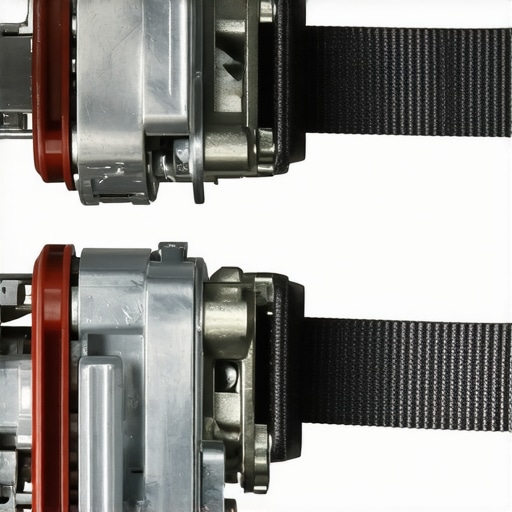
Ever been in a rush, but your seatbelt stubbornly refuses to retract smoothly? I remember one morning when I was already running late, only to find my seatbelt slowly uncoiling like a lazy snake. It wasn’t just annoying; it felt downright unsafe—like a tiny warning hinting that little issues could escalate into bigger, more costly repairs if ignored.
Why Your Seatbelt Retracts Too Slowly and Why It Matters
As car owners, we often get used to small quirks in our vehicles, thinking they’re just minor inconveniences. But a seatbelt that retracted sluggishly can be more than just a nuisance—it can impact your safety and even your wallet. The truth is, a slow-retracting seatbelt might be signaling underlying issues like worn-out recoil mechanisms or accumulated debris that hinder its smooth operation. Left unaddressed, these problems could lead to complete failure during an actual emergency, or cause unnecessary wear and tear on the vehicle’s tension system.
Is Fixing a Slow Seatbelt Really Worth It?
I admit, early in my troubleshooting journey, I overlooked this issue, thinking it was just a ‘small thing.’ I spent more money replacing the entire seatbelt assembly than necessary, and my mistake was not understanding the root cause. Consulting expert advice from reputable sources reveals that regular maintenance and timely fixes can extend your seatbelt’s lifespan and ensure it functions optimally when you need it most. For more in-depth tips on proper vehicle maintenance, check out this guide on keeping your car in top shape.Now that I’ve shared my experience, let’s dive into the practical steps to tackle that persistent retraction problem and keep your rides safer and more comfortable.
Disassemble the Seatbelt Mechanism Carefully
Start by locating the retractor assembly, usually hidden behind the vehicle’s interior panels. Use a panel removal tool to avoid damaging clips. Once exposed, unscrew the cover carefully, exposing the recoil spring and internal components. As you do this, take note of how the spring is wound; this detail is crucial for reassembly. During my repair, I found a buildup of dust and debris inside, which I cleaned out thoroughly with compressed air—this immediately improved retraction speed.
Inspect and Replace Worn Parts
With the mechanism open, examine the recoil spring for signs of wear, such as corrosion or cracks. If the spring shows damage or has lost tension, replace it. Also, check the cable and internal tracks for kinks or debris; these can hinder smooth movement. In my case, a rusty spring was the culprit, so I ordered a replacement from the original manufacturer, ensuring compatibility. Replacing worn parts restores the natural tension, similar to tuning a guitar string for optimal sound, ensuring your seatbelt retracts quickly and smoothly again.
Lubricate the Moving Components
Apply a high-quality, automobile-grade lubricant—preferably silicone-based—to the recoil spring and other moving parts. Avoid WD-40 or petroleum-based lubricants, as they can attract dirt or cause internal components to degrade faster. During my repair, I used a small brush to apply lubricant precisely to the spring and track pathways, which yielded immediate improvements in retraction speed and reduced noise. Proper lubrication minimizes resistance, akin to oiling a door hinge for seamless operation, and prolongs the life of the seatbelt mechanism.
Reassemble and Test Multiple Times
Carefully reassemble the cover and secure all screws firmly. Before reinstalling the trim panels, test the seatbelt retraction several times — pull it out slowly, then allow it to retract fully. Repeat this process to ensure consistent, swift retraction behavior. I performed these tests multiple times, fine-tuning the tension by adjusting the spring if needed. Once satisfied, put back all interior panels. This thorough testing phase is essential; it confirms that all parts work harmoniously, preventing future issues and ensuring your safety, just like a well-calibrated safety device that works flawlessly whenever needed.
Maintain Regular Checks to Prevent Recurrence
Schedule periodic inspections of your seatbelt system—especially after rough driving conditions or accidents. Clean out dust and debris to prevent buildup, and lubricate moving parts annually. Regular maintenance keeps the mechanism in top shape and saves cash on replacements. For more comprehensive vehicle upkeep, explore essential maintenance routines that cover key safety components. Staying proactive helps identify potential failures early, extending your seatbelt’s lifespan and maintaining your safety.While many car owners believe that sticking to basic maintenance is enough, there’s a wealth of nuances that often go unnoticed. A prevalent myth is that all auto repair shops deliver the same quality, leading some to overlook the importance of specialized services like transmission maintenance or brake service tailored to your vehicle’s needs. In reality, cutting corners or choosing low-cost providers without proper certification can introduce advanced mistakes, such as neglecting the subtle signs of transmission slipping or brake inconsistencies, which could escalate into costly repairs.
What Do Expert Mechanics Know That You Might Overlook?
For example, many drivers assume that replacing brake pads regularly is sufficient, but ignoring the condition of rotors or hydraulic systems can compromise safety. Overlooking such details is a common trap; studies suggest that a holistic approach to vehicle health preserves performance and extends lifespan more effectively. You can learn more about avoiding these pitfalls by exploring our comprehensive vehicle maintenance routines.
Let’s dig deeper into a few advanced nuances that can make or break your car’s reliability—and why trusting vague advice might be your worst mistake. For instance, many believe that topping off transmission fluid is enough, but overfilling or using the wrong type can cause damage. Regular, precise inspections are vital for avoiding these issues, and specialists recommend following manufacturers’ guidelines closely — more detailed tips are available in our transmission tips. Similarly, understanding the importance of proper coolant levels and radiator health, outside of just refilling the reservoir, can prevent overheating and costly engine repairs. In fact, experts in engine cooling systems emphasize that small leaks or debris in the radiator core often go unnoticed but are critical to fixing early. Don’t be lulled into complacency by superficial checks; detailed diagnostics can uncover hidden threats before they manifest as failures. Have you ever fallen into this trap? Let me know in the comments. The key takeaway is that every component, from the transmission to the brakes, has nuanced maintenance needs. Recognizing and respecting these subtleties can save you significant money and, more importantly, enhance your safety on the road.Keeping your vehicle in top shape over the long term requires the right tools and a methodical approach. I personally swear by a high-quality OBD-II scanner like the BlueDriver, as it provides real-time data and fault code definitions that help me identify issues early on, preventing costly repairs down the line.
Why Quality Tools Matter for Auto Maintenance
Using reliable equipment ensures that you get accurate diagnostics and effective repairs. For most DIY enthusiasts and professionals alike, a premium multimeter such as the Fluke 117 is invaluable for testing electrical components like sensors, relays, and wiring harnesses. These precise measurements help prevent misdiagnosis, which can lead to unnecessary part replacements. I’ve found that investing in tools like these pays off by saving both time and money, and it extends your car’s lifespan meaningfully.
How Do I Maintain Accurate Diagnostics Over Time
Regularly calibrate your diagnostic tools according to the manufacturer’s instructions to ensure continued accuracy. Keep your tools clean and store them in a dedicated toolbox to prevent damage. When working on transmission systems, I rely on a digital transmission fluid temp gauge—a device recommended in top transmission repair tips—which helps me monitor fluid temperatures during testing, safeguarding the transmission’s health. By integrating precise measurement devices into your maintenance routine, you can catch small issues before they escalate, avoiding expensive repairs later on.
Leveraging Software for Smarter Maintenance
Beyond physical tools, software like RepairLink or AutoEnginuity allows access to OEM diagnostic software, which can be run on your laptop or tablet. These programs provide manufacturer-specific codes and repair procedures that generic scanners might miss. I prefer AutoEnginuity because it offers comprehensive coverage for many makes and models, making it a versatile choice for complex diagnostics. Additionally, keeping a digital maintenance log using tools like Evernote helps me track service intervals, repairs, and part replacements, creating a clear history that can inform future repairs or upgrades.
Where Is Car Maintenance Going in the Future?
As vehicle technology advances, we’re moving toward AI-powered diagnostic systems and wireless sensor networks that continually monitor your car’s health in real time. Predictive maintenance is becoming more accessible, allowing you to address issues proactively before they manifest as breakdowns. Staying updated with training on emerging tools and software ensures you’re prepared for this evolution. Try integrating a modern OBD-II scanner with Bluetooth capability—tools like the BlueDriver—and explore apps that analyze the data for predictive insights. Such proactive measures will undoubtedly become standard practice in auto care, helping your vehicle last longer and perform better.
The Hidden Wisdom Behind Seatbelt Mechanics
One lightbulb moment I had was realizing that a sluggish seatbelt retraction is often more than just a minor annoyance—it’s a whisper from your vehicle, hinting at deeper issues that, if ignored, could compromise safety. The key lesson here? Never dismiss small quirks, as they usually carry valuable insights into your car’s health, much like the subtle signs we often overlook in complex systems.
Tools That Turn DIY Fails into Triumphs
Living by the motto that proper tools make perfect repairs, I’ve come to rely on essentials like the BlueDriver OBD-II scanner and a quality digital transmission fluid gauge. These instruments don’t just save me money; they empower me to diagnose issues accurately early on. Personally, investing in trusted tools transformed my approach from guesswork to confident action, and I recommend building a toolkit that grows with your skills—it’s a game changer.
Embracing Innovation to Keep Your Car in Peak Shape
The future of auto maintenance is leaning heavily on smart technology—wireless sensors, predictive diagnostics, and AI-powered software like AutoEnginuity. Staying updated and embracing these innovations mean I can catch problems before they escalate, rather like proactive health monitoring. This approach not only prolongs vehicle lifespan but also upgrades the quality of your driving experience—making maintenance less of a chore and more of a safeguard.
Why Forging Your Own Maintenance Path is Worth It
Taking the leap into self-care of your vehicle, especially when understanding nuanced issues like seatbelt retraction, fosters a deeper connection with your car and greater confidence in your abilities. Remember, countless professionals started just like you, and with the right knowledge and resources, you can master automotive care, avoiding costly repairs and ensuring safety stays at the forefront. Don’t wait for problems to escalate—your proactive steps today can keep your vehicle—and you—moving smoothly for years to come.