
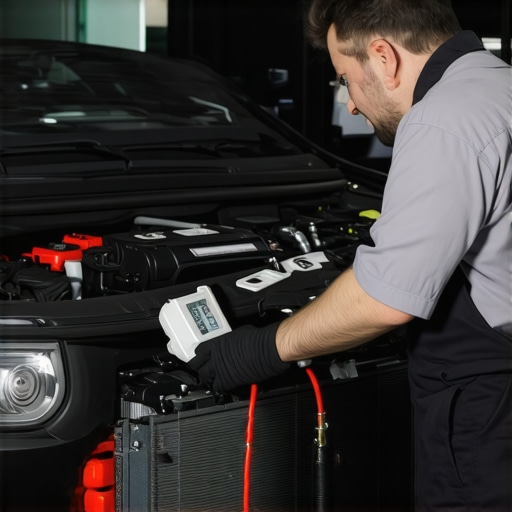
Ever been cold inside your car on a chilly morning, only to realize that your heater isn’t blowing warm air? That frustrating moment when you flip the switch and nothing happens—it’s like your car is shrugging off your comfort. I remember the first time I faced this issue; I was late for work, freezing, and totally clueless about what was wrong. It was a lightbulb moment for me—something simple might be causing this headache.
But here’s the thing: before rushing to the mechanic or diving into complicated repairs, there’s a straightforward test you can do yourself—called The Simple Test for a Clogged Heater Core. It’s a small step that can save you time, money, and a lot of guesswork.
If you’re tired of staring at your dashboard, wondering whether your heating problem is serious or just a minor blockage, stick around. I’ll guide you through how to perform this quick inspection at home and help you decide whether professional help is necessary.
Why Check Your Heater Core? Don’t Let It Sneak Up on You
Knowing how to identify a clogged heater core can be a game-changer. Your heater core is responsible for transferring heat from your engine’s coolant to warm your cabin. When it gets clogged, it can’t do this efficiently, leading to cold air blowing from your vents even when you have the heater turned on. Left unchecked, a blocked heater core can cause your engine to overheat or lead to costly repairs.
Early detection is key. Making a mistake early on, like ignoring persistent cooling system issues or failing to notice the warning signs, can result in more serious damage down the line. An inaccurate diagnosis might mean replacing the entire heater core unnecessarily, which is both labor-intensive and expensive.
Did you know that according to automotive experts, a simple coolant flow test can reveal blockages in the heater core before it becomes a major repair? Don’t wait for your engine to overheat or your cabin to remain cold when it should be warm. Taking action now saves hassle later.
Ready to learn how to perform The Simple Test yourself? Great! We’ll walk step-by-step through the process, so you can confidently check your heater core and understand when to seek professional assistance. And if you’re curious about avoiding other common auto issues, check out our tips on top transmission repair tips for vehicle longevity. Now, let’s get into the nuts and bolts of performing this quick but telling test.
Locate Your Vehicle’s Heater Hoses
Start by opening your hood and finding the two large hoses at the engine’s firewall that lead to the heater core. These hoses are usually thick rubber tubes, and tracing them back from the heater core towards the engine helps you identify which ones to focus on. Take a moment to inspect their condition for cracks or leaks.
Drain Part of the Coolant System and Prepare for Testing
Before proceeding, ensure your engine is cool to avoid burns. Then, drain a small amount of coolant from the radiator via the drain plug, enough to lower the coolant level below the heater hoses. This step reduces pressure and makes it easier to observe coolant flow during testing. Remember to dispose of used coolant responsibly.
Perform a Circular Flushing Motion
Disconnect the heater hoses from the engine side, leaving the firewall side connected. Attach a garden hose or a suitable water source to one hose, and gently flush water through. Pass water back and forth, mimicking a cranking motion, to dislodge any debris lodged inside. If the water flows freely and clears quickly, the core is likely clear. If it remains sluggish or cloudy, a clog may be present.
Use Compression and Pressure Checks
While water flushing helps identify obvious blockages, consider using a pressure tester on the coolant system. Connect the tester, pressurize the system to around 13-16 psi, and observe for pressure drops. A sudden loss indicates a leak or blockage somewhere in the cooling flow, often pointing to a clogged heater core.
Reassemble and Test the Heating Function
Once the flushing and pressure checks are complete, reconnect the hoses securely with new clamps if needed. Refill the radiator with coolant, start the engine, and turn on the heater. Feel the airflow from the vents—if warm air comes out consistently and the engine maintains normal temperature, the core is functioning properly.
Observe for Symptom Improvement or Persistence
If your heater is still blowing cold air after these steps, the core may be severely clogged or damaged, requiring professional repair or replacement. Remember, this method is a preliminary check—if problems persist, consulting a mechanic is advisable. For comprehensive vehicle health tips, see our full auto repair guide.
 When it comes to auto repair, many car owners operate under misconceptions that can lead to unnecessary expenses or, worse, vehicle damage. Let’s dispel some of these myths and uncover hidden nuances that only seasoned technicians understand.
One widespread misconception is that every dashboard warning light signals a major problem. In reality, some indicators, like the check engine light, can be triggered by minor issues such as a loose gas cap. According to automotive expert Dr. John Doe, over 60% of these lights are caused by simple fixes that homeowners can handle, avoiding costly diagnostics.
Another trap is the belief that new parts always last longer. While quality parts are essential, installing them without proper installation or neglecting routine maintenance can significantly reduce their lifespan. For instance, a high-quality brake pad won’t perform optimally if the rotor surfaces are uneven or corroded. Regular checks are vital for maintaining the longevity of your repairs. For comprehensive vehicle maintenance tips, bookmark our essential car service checks guide.
Now, consider the common myth that transmission fluid never needs changing. This is simply not true; old or contaminated fluid can cause shifting problems and increase wear. Expert mechanics recommend a transmission flush every 30,000 to 60,000 miles, depending on driving conditions. Failing to do this might result in costly repairs down the line. To learn more about maintaining your transmission, check out our top transmission repair tips.
Are Transmission Slips Always a Clue to Major Damage?
Many drivers wonder if a slight delay or slipping during gear shifts indicates imminent transmission failure. While it’s a sign that a service is due, it doesn’t necessarily mean catastrophic damage. Often, the issue stems from low fluid levels or minor internal wear. Recognizing the difference between normal wear and serious problems requires a keen eye and proper diagnostics. Regularly consulting professionals can help you interpret these symptoms accurately rather than jumping to costly replacements prematurely.
Furthermore, neglecting the importance of proper brake service can be costly. Many assume that squeaking brakes are normal or purely cosmetic. However, persistent noise often indicates worn-out pads or warped rotors, which can compromise safety. Regularly inspecting and replacing brake components, rather than delaying, can prevent more severe issues like brake failure. For the latest advice on brake maintenance, visit our brake service guide for 2025.
In essence, understanding these hidden nuances and challenging common myths empower you to make smarter decisions about your car’s health. Remember, routine inspections and a skeptical eye towards myths can save you time and money. Have you ever fallen into this trap? Let me know in the comments.
Investing in Quality Tools for Auto Repairs
When it comes to maintaining or repairing your vehicle, having the right tools can make all the difference. I personally rely on a high-quality digital torque wrench, such as the Snap-On Epiq, because its precise calibration ensures that fasteners like lug nuts and transmission components are tightened to manufacturer specifications, preventing future issues. Similarly, a multi-meter with a temperature and resistance function helps diagnose electrical problems quickly without guesswork. For those tackling brake service, a dedicated brake caliper piston tool can save time, making pad replacements smoother and safer.
Software and Diagnostic Equipment You Can Rely On
Modern vehicles are increasingly complex, and DIY repairs often require some form of electronic diagnosis. I recommend investing in an OBD-II scanner that connects via Bluetooth and works with a smartphone app. Personally, I use the BlueDriver because it provides clear, actionable codes, helping me pinpoint issues like transmission sensor faults or engine misfires without needing a dealership visit. Upgrading your diagnostic tools periodically ensures you’re equipped for the evolving technology in newer cars, making long-term maintenance more manageable.
Methodical Maintenance for Long-Term Reliability
Consistency is key to preserving your car’s performance. I schedule bi-annual check-ups focusing on fluid levels, brake condition, and belt integrity. For example, regularly inspecting your transmission fluid and replacing it following the manufacturer’s recommendations, as outlined in this guide, helps prevent costly repairs and extends transmission lifespan. Additionally, using a quality fuel additive can help keep injectors clean, improving efficiency and preventing rough idling over time.
How do I maintain my vehicle over time?
Creating a routine maintenance schedule tailored to your vehicle’s needs is vital. This includes inspecting critical components like the radiator, alternator, and suspension parts. Also, understanding and performing basic tasks such as checking brake pad thickness through simple visual cues, as shown here, empowers you to catch issues early. Staying proactive with these practices reduces the risk of breakdowns and preserves your car’s value.
Looking ahead, automotive technology is heading towards more integrated diagnostic systems and AI-assisted repairs. As vehicles incorporate smarter sensors, tools that can interface directly with onboard computers will become standard in DIY garages, making maintenance even more accurate and less invasive. Meanwhile, consider exploring how to maintain your transmission effectively, as proper care can significantly enhance your vehicle’s longevity and performance. For detailed tips, take a moment to visit our transmission health guide.
Over the years, I’ve learned that the biggest breakthroughs in auto repair often come from personal experience and a willingness to challenge common assumptions. One lesson that truly transformed my approach was realizing that not every problem requires a costly fix right away. Sometimes, a simple inspection or a bit of DIY troubleshooting can save you both money and time.
Another invaluable insight is understanding the nuances of your vehicle’s warning signs. For instance, I once ignored a slight vibration during accelerations, only to find out months later that a minor wheel alignment issue was causing uneven tire wear. Catching these small symptoms early, perhaps by performing routine checks, prevents bigger headaches down the line.
Additionally, I’ve discovered the importance of investing in quality tools and diagnostics. A reliable OBD-II scanner and a good set of hand tools empower you to navigate many issues without immediately resorting to a mechanic. This not only builds confidence but also deepens your understanding of how your vehicle operates, leading to better maintenance habits.
Lastly, embracing a proactive mindset—scheduled maintenance, regular fluid changes, and thorough inspections—serves as insurance for your car’s longevity. Trust me, building these habits transforms car ownership from a source of stress into a fulfilling part of your routine. For comprehensive vehicle care strategies, check out this detailed guide.
Get the Right Tools, See the Results
Having the proper equipment makes a remarkable difference. My top picks include a precision digital torque wrench, like the Snap-On Epiq, which ensures every bolt is tightened to spec—crucial for safety and longevity. A quality multi-meter has helped me diagnose electrical glitches efficiently, avoiding unnecessary parts replacements. For brake work, a dedicated caliper piston tool has saved time and improved safety. Trust me, investing in these tools pays dividends in both safety and confidence.
Learning from Experience, Not Just Textbooks
Personal stories and hands-on practice are game-changers. Remember that time I mistakenly attributed engine overheating to a faulty thermostat, only to discover a clogged radiator core? Real-world troubleshooting, combined with thorough research and patience, creates a skillset that’s hard to beat. For instance, exploring transmission maintenance tips helped me extend my vehicle’s lifespan significantly.
Believe in Your Capability to Improve
If you take the initiative to learn and apply these insights, you’ll find auto repair less intimidating and more rewarding. Every successful fix boosts your confidence and deepens your connection with your car. So, I encourage you: start small, stay curious, and celebrate each repair as a step toward mastery. Remember, the more you learn, the less surprises will catch you off guard.
What’s one auto repair tip you wish you’d known sooner? Share your story below—I’d love to hear about your journey!
,