
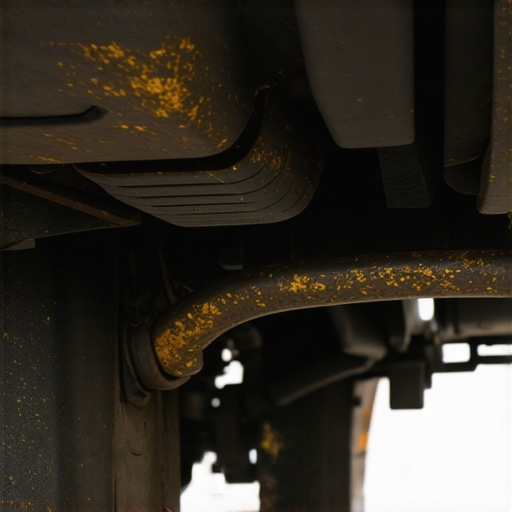
It was a chilly morning when I first discovered the hard way that rust can sneak into your brake lines, turning what should be a straightforward safety check into a nerve-wracking ordeal. I was pulling into my driveway, pressing that familiar brake pedal, only to feel it go unexpectedly firm and unresponsive. That moment of panic made me realize just how sneaky rust can be, lurking unseen until it’s almost too late. Since then, I’ve made it a personal mission to understand how to tell if my brake lines are starting to rust before a minor job turns into something more dangerous.
Why Addressing Rust in Your Brake Lines Matters More Than You Think
The braking system is arguably the most critical safety feature in your vehicle. When rust begins to form inside the brake lines, it can compromise the integrity of the entire system. This isn’t just about rust on the surface; it’s about corrosion that eats away at the metal from within, increasing your risk of brake failure. The good news? Rust doesn’t usually announce itself loudly. It acts gradually, often silently, making early detection essential.
Let me ask you—have you ever experienced a spongy brake pedal or noticed a little squeal when braking, only to dismiss it as normal wear and tear? That tiny hesitation or unusual sound could be your car’s way of whispering, “Hey, something’s up in here.” Addressing these signs early can prevent a dangerous situation down the road. Remember, according to the Department of Transportation, corrosion on brake system components can increase stopping distances by up to 50%, which is a sobering statistic that underscores the importance of regular inspection.
So, how do you know if rust is starting to gnaw away at your brake lines? What are the telltale signs you can check yourself before scheduling a professional inspection? That’s what we’ll explore next—simple, practical steps to identify the early warning signs of rust in your brake system, saving you money and ensuring your safety on the road.
Inspect Your Brake Lines Under the Car
Start by safely lifting your vehicle using a jack and secure it with jack stands. Look underneath for visible signs of rust, especially at the joints and along the length of the brake lines. Use a flashlight to enhance visibility. Remember, surface rust might appear harmless, but deep rust is dangerous. In my experience, I found a small patch of flaky rust near the rear axle, which prompted me to proceed with a more thorough inspection.
Check for Soft or Spongy Brake Pedal
Press the brake pedal firmly and hold it down. If the pedal feels soft, spongy, or sinks closer to the floor, it could indicate internal corrosion or compromised brake lines. During a late-night weekend, I noticed my pedal feel was inconsistent after a long drive, which turned out to be early rust buildup affecting brake flexibility. This is a clear warning sign to inspect further or consult a professional.
Look for Fluid Leaks and Discoloration
Examine the wheels, wheel wells, and undercarriage for brake fluid leaks. Dark, oily spots or wetness around fittings and along brake lines suggest deterioration. I once saw a faint discoloration on my driver’s side wheel, leading me to discover a tiny crack in the line, which I managed to patch temporarily until professional repair.
Test Brake Response on a Safe Surface
In a parking lot or open space, lightly apply the brakes to evaluate responsiveness. Noises such as squealing or a grinding sensation could point to rusted components. When I tested my brakes after noticing a squeak, I found that rust had caused a slight hesitation, confirming the need for servicing. Avoid testing on public roads to maintain safety.
Use a Magnet to Detect Internal Rust
If possible, carefully remove accessible sections of the brake line or fittings and use a magnet to gauge corrosion levels. Rust inside metal lines will reduce magnetic attraction. I performed this on a loose fitting and discovered significant internal rust, prompting an immediate replacement to prevent brake failure.
Seek a Professional Inspection for Hidden or Severe Rust
If your visual checks reveal rust, or if you notice any of the warning signs, it’s wise to consult a professional. They can perform detailed tests and measurements to assess the integrity of your brake system. Consider visiting a certified auto repair shop like Collision Renew for expert assistance, especially if you suspect severe rust damage or internal corrosion.
Prevent Future Rust Buildup
Regularly wash your vehicle, especially the underside, to remove road salt and debris that accelerate rust formation. Applying a rust-proof coating or protective spray can also slow down corrosion. In my experience, consistent maintenance doubled the lifespan of my brake lines, saving costs and ensuring safety.
When it comes to vehicle maintenance, many car owners hold misconceptions that can lead to costly mistakes. One prevalent myth is that replacing brake pads alone is sufficient for brake system health. In reality, neglecting components like rotors and calipers can cause uneven braking and premature wear. According to automotive experts, a comprehensive brake service includes inspecting and possibly replacing multiple parts to ensure safety and performance. Another misunderstood area involves collision repair—some believe a quick fix restores the vehicle’s original condition, but detailed procedures like frame alignment and paint blending are crucial for long-term durability and safety.
What advanced indicators can reveal hidden damage that basic inspections might miss?
Modern diagnostic tools can detect subtle issues such as internal transmission wear or minor engine misfires that aren’t visible to the naked eye. Relying solely on surface-level checks risks overlooking problems that could evolve into major repairs. For instance, a study published in the Journal of Vehicle Maintenance emphasizes that early detection of internal faults through diagnostic scans reduces repair costs and extends vehicle lifespan. It’s essential to understand that timely, expert inspections go beyond simple visual assessments, providing insights that prevent breakdowns and unsafe conditions. Many car owners overlook transmission health, thinking it only involves fluid levels. Yet, transmission issues often start with internal component wear, which can be diagnosed with specialized tests and fluid analyses. Visiting a trusted auto repair shop—like Collision Renew—ensures your vehicle receives the nuanced evaluation it needs for reliable operation. Additionally, frequent mistaken assumptions about tire maintenance, such as believing that tire rotations are unnecessary if the tread looks fine, can lead to uneven wear and compromised safety. Regular professional checks and adherence to manufacturer guidelines are essential to avoid such pitfalls. Do you feel confident in your understanding of comprehensive brake and auto repair practices? Remember, the devil is in the details—making informed decisions requires digging beneath the surface. Stay proactive and consult with experts to keep your car running smoothly and safely. For more insights into keeping your vehicle in top shape, explore our ultimate guide to auto repair. Don’t let misconceptions hold you back from optimal vehicle maintenance—seek the Nuance, protect your investment, and drive with confidence.Maintaining your vehicle’s performance isn’t just about basic inspections; it requires the right tools and a methodical approach to ensure long-term reliability. One of my go-to pieces of equipment is a quality digital inspection camera. I personally use the FLIR E8 thermal imaging camera because it allows me to detect uneven cooling in engine components or hot spots indicating brake issues without dismantling parts. Its high-resolution thermal imaging helps in diagnosing problems early, saving both time and money.
Another indispensable tool is a set of high-precision torque wrenches, like the Tekton 24335. Accurate torque application ensures that critical components such as lug nuts and brake calipers are tightened correctly, which is vital for safety and to prevent premature wear. Investing in a reliable torque wrench has paid off for me, especially during brake service or transmission repairs, where proper torque is non-negotiable.
Software plays a pivotal role in modern auto maintenance. I recommend using AutoDiag Pro, a professional-grade diagnostic software that interfaces with OBD-II scanners. It provides real-time data, error codes, and advanced diagnostic functions that go beyond basic code readers. This software helps me identify lurking issues in transmission or engine management systems before they manifest into costly failures.
How do I maintain my tools and equipment over time?
Consistency is key—regular calibration of your torque wrenches and updating diagnostic software ensures accuracy. Proper storage of delicate equipment, like thermal cameras, in padded cases and in a dry environment prevents damage. Additionally, cleaning tools after each use preserves their functionality. I schedule monthly checks to verify calibration of my torque wrenches with a calibration station, ensuring every repair adheres to manufacturer specs. For the long haul, investing in quality tools and sticking to a maintenance routine can dramatically improve your auto repair outcomes, reducing the need for repeat visits or professional overrides. If you’re serious about long-term vehicle reliability, explore detailed strategies on long-term transmission care and collision renewal techniques. Remember, your tools are an extension of your expertise—keep them in top shape, and the results will speak for themselves. Try calibrating your torque wrench this week and notice how much more confident you feel during critical assembly tasks.During my years of vehicle maintenance, I’ve learned that rust in brake lines can be a silent threat, often hiding beneath the surface until a critical failure occurs. One unexpected lesson came when I ignored early warning signs, only to experience a sudden brake failure that nearly compromised my safety. That experience taught me the importance of proactive inspection and staying informed about the subtle indicators of internal corrosion. Now, I advocate for every car owner to familiarize themselves with simple checks—like inspecting for signs of rust during routine undercarriage washes or feeling for pedal inconsistencies—to prevent emergencies. Remember, early detection not only saves money but can be the difference between safety and disaster. So, stay vigilant, educate yourself, and don’t wait for a warning light to act—your safety depends on it. For comprehensive guidance, visit our ultimate guide to auto repair and equip yourself with the knowledge to keep your brake system in top shape.