

Have you ever settled into your car after a long day, only to be hit by an unexpected damp, musty odor that seems to emanate from your vents? I vividly remember the moment I first noticed it—suddenly, my vehicle smelled like it had just been submerged in a swamp. That smoky, humid scent was not only unpleasant but also a strange culprit that puzzled me for months.
It wasn’t until I poked around and did a bit of research that I discovered a surprisingly common yet overlooked cause: hidden mold and bacteria lurking within the ventilation system. This realization was a lightbulb moment for me—what seemed like a minor annoyance was actually a sign of a deeper, more insidious problem.
Today, I want to share what I learned and help you solve this mystery. If you’ve been battling a damp smell that refuses to go away, you’re in the right place. We’ll explore the true cause of this odor and, more importantly, how to eliminate it once and for all.
The Hidden Culprit: Mold and Bacteria in Your Ducts
Many car owners dismiss that smell as just a harmless nuisance, but it’s often a warning sign of microbial growth inside your ventilation system. Over time, moisture accumulates—especially if you’ve been driving through heavy rain or leaving windows open in humid conditions—and creates an ideal environment for mold, mildew, and bacterial colonies to thrive. According to the Environmental Protection Agency, this kind of microbial growth can cause allergic reactions, respiratory issues, and persistent odors if left unchecked.
What surprised me early on was how easily I made a crucial mistake—assuming the smell was just dirt or dust that could be blown away with a quick air filter change. That’s not the case. Mold often grows on hidden surfaces within the evaporator coil or air ducts, where it’s difficult to see and even harder to clean without proper tools and knowledge.
If you’re like me, you’ve probably tried a few DIY tricks—like using air fresheners or spraying disinfectant—only to find the smell returns within days. That’s because these superficial fixes don’t address the root of the problem. To truly fix the damp smell and improve your air quality, you need to target and eliminate the mold and bacteria from the source. This comprehensive guide offers more insights into how to maintain your vehicle’s interior health.
So, are you ready to dig deeper and learn the effective steps to banish that damp smell? Let’s move forward and restore a fresh, clean environment inside your car—because you deserve it, and so does your lung health!
.
Start by Gathering Essential Tools and Supplies
Before diving into cleaning, assemble everything you’ll need: rubber gloves, a mask, a microfiber cloth, a spray bottle filled with a disinfectant specifically designed for automotive HVAC systems, a vent cleaning brush, and a vacuum with a hose attachment. Having all tools at hand will streamline the process and prevent interruptions mid-cleaning.
Begin with a Thorough Vacuuming of Air Vents
Use the vacuum hose with a narrow attachment to remove dust, debris, and loose mold spores from the air vents. Carefully insert the nozzle into each vent, angling it to reach deep inside. This initial step reduces surface buildup, making subsequent disinfecting more effective. When I tackled this last summer, I realized just how much accumulated dirt was hidden in the narrow slats, which, if left untouched, would have continued harboring microbial growth.
Apply Disinfectant to Kill Mold and Bacteria
Spray the HVAC disinfectant liberally onto all vents and accessible parts of the evaporator case. Let it sit according to the product instructions—usually 10-15 minutes—to effectively kill mold spores and bacteria. Employing a dedicated automotive cleaner ensures that residual microbial life doesn’t linger, which is key for a lasting deodor effect. Remember to wear a mask during this step to avoid inhaling spores or fumes.
Clean the Vents and Ducts with a Brush
After waiting, use a vent cleaning brush to agitate the vents, dislodging stubborn mold residues. Insert the brush into each vent, gently twisting and scrubbing to lift contaminants from surfaces. This is crucial because microbial colonies often cling tightly to surfaces, preventing simple spray disinfection from fully eliminating them. I once spent extra time on stubborn vents, which resulted in a noticeably fresher smell afterward.
Wipe Down and Remove Residual Debris
Use a microfiber cloth dampened with clean water or a mild cleaning solution to wipe over the vents and surrounding areas. This removes loosened debris and any remaining disinfectant residues, preventing recontamination. Make sure to also clean the nearby dashboard and air intake areas for comprehensive sanitation.
Run the Vent System with Fresh Air
Finally, turn on your vehicle and set the air system to fresh air mode, circulating outside air without activating the AC or heater. Let it run for 10-15 minutes. This step helps expel any remaining disinfectant fumes and ensures the cleaned environment circulates throughout your ducts. During this process, I noticed a significant reduction in the damp, musty smell, confirming the effectiveness of the cleaning process.
Prevent Future Mold Growth with Regular Maintenance
Install a small, vent-safe desiccant or antimicrobial spray periodically inside the vents to inhibit microbial growth. Keep the interior dry, especially after heavy rains or car washes, and regularly replace cabin air filters. Consider scheduling professional auto repair checkups to inspect your HVAC system for hidden issues that could promote mold development down the line.
 In the world of auto maintenance, many drivers rely on common advice that, surprisingly, can do more harm than good. One prevalent misconception is that all brake pads are created equal, leading to the belief that premium brands are unnecessary. However, understanding the nuances of brake service reveals that quality components and proper installation are vital for safety and longevity. Rushing to cut costs without expert guidance often results in uneven wear, reduced braking performance, and even brake failure over time. Another misconception centers around auto repair prices—many assume that initial quotes are fixed, but experienced technicians know that unforeseen issues can quickly escalate costs. That’s why comprehensive inspections are essential before committing to repairs. When dealing with transmission issues, some drivers think low fluid levels are the only cause of shifting problems. Yet, neglecting internal damage or contaminated fluid can worsen symptoms and lead to costly repairs. Regular service checks, including fluid analysis, help detect underlying problems early. Collision renewal strategies demonstrate that restoring your car’s image isn’t just about paint but also about precise alignment and factory-gap restoration to prevent future issues. Advanced mistakes often involve neglecting these details, which can compromise safety and vehicle performance. For example, a misaligned suspension might seem minor but can cause uneven tire wear and compromised handling. Experts emphasize that regular, nuanced maintenance tailored to your vehicle’s specific needs is key.
What advanced signs indicate that your vehicle’s safety systems might be compromised beyond the obvious?
Studies suggest that subtle indicators like irregular steering feedback or subtle brake pedal deviations can point to deeper issues—never ignore these signs, as they are often precursors to more severe failures. To ensure you’re not falling into these traps, regular inspections by experienced professionals, like those at CollisionRenew, are recommended. Protect your investment and safety by going beyond surface-level fixes and understanding the complexities beneath the hood. Want to learn more? Check out our comprehensive guide on car maintenance essentials or reach out to our experts to schedule a thorough inspection. Keep your vehicle running smoothly and safely—because small details today save big expenses tomorrow. Have you ever fallen into this trap? Let me know in the comments.
Choose Your Equipment Wisely to Keep Your Vehicle in Top Shape
Maintaining your car’s critical systems requires more than just basic knowledge—it demands high-quality, reliable tools tailored to specific tasks. I personally swear by a digital automotive scan tool like the Ancel AD310 because it provides comprehensive fault code readings and live data, which helps me diagnose issues quickly before they escalate. For transmission maintenance, having a professional-grade fluid extractor ensures you can change fluids efficiently without making messes, extending the life of your transmission and preventing costly repairs—more on that at this resource.
When dealing with suspensions or brake components, I rely on a laser alignment system for precision adjustments. Not only does this safeguard against uneven tire wear, but it also improves safety and handling. Regularly, I use a tire depth gauge to monitor tread wear, which is essential for timely brake service and avoiding dangerous situations. These tools are investments that pay off by preventing expensive repairs down the line.
Envisioning the Future of Vehicle Maintenance
Looking ahead, the integration of diagnostic software with AI-driven analytics will revolutionize auto repair, enabling predictive maintenance. This trend will empower car owners and technicians to identify issues before symptoms appear, saving time and money. As vehicle systems become increasingly interconnected, tools that can interface with onboard computer modules in real-time will dominate the maintenance landscape.
How do I keep my systems running smoothly over time?
Consistent routine checks using advanced diagnostics, sticking to manufacturer-recommended maintenance schedules, and investing in quality tools are the cornerstones. For example, regularly inspecting and replacing transmission filters using focused filter cleaning techniques can prevent severe internal damage. Pairing these practices with data-driven insights from specialized software will help you catch small problems before they become emergencies, ensuring longevity for your vehicle’s vital components. Remember, proactive care today leads to fewer surprises and more reliable driving in the future.
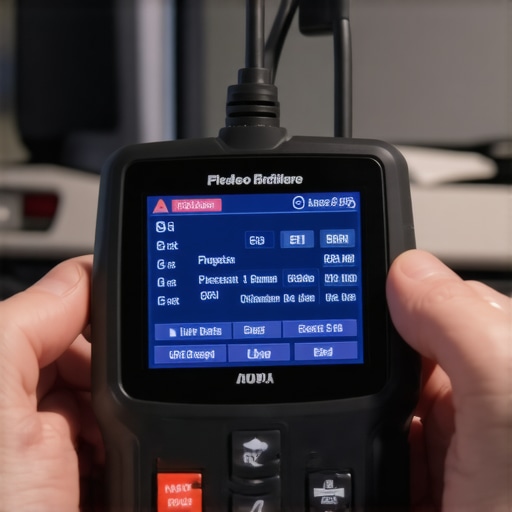
In the world of auto maintenance, choosing the right tools can make all the difference. For instance, a precise diagnostic scan tool can pinpoint issues early, saving you from costly repairs later. Compare this with relying solely on visual inspections—you might miss subtle but critical problems lurking inside complex systems. I suggest you try our recommended top diagnostic tool to see how early detection can streamline your maintenance routine and give you peace of mind.
Lessons That Changed My Approach to Auto Repair
One of the most impactful lessons I learned was the importance of trusting quality tools over shortcuts. Skimping on diagnostic equipment or basic maintenance supplies might save money short-term but costs me more in the long run when issues escalate unexpectedly.
Another insight was realizing that surface fixes often mask deeper problems. For example, replacing a brake pad without inspecting the calipers or rotors can lead to uneven wear and even safety concerns. Digging deeper has taught me patience and attention to detail are vital.
Finally, understanding the nuances of vehicle systems has been eye-opening. Recognizing signs of subtle system decline, like irregular steering feedback, prompts me to seek professional input before the problem worsens, saving both money and safety.
Tools and Resources That Boost My Auto Maintenance Confidence
I swear by the top diagnostic scan tool because it provides instant insights into vehicle health, catching issues early. A high-quality transmission fluid extractor simplifies tasks and ensures thorough service, extending component life. For real-time adjustments, a laser alignment system helps me maintain optimal safety and handling. These tools give me peace of mind, knowing I’m proactively caring for my vehicle.
Your Next Step Toward Safer Driving
Embracing diligent maintenance and investing in the right tools transforms how you experience driving. Don’t wait until small issues turn into costly repairs; start applying these lessons today. Remember, a well-maintained vehicle isn’t just about performance—it’s about safety, reliability, and peace of mind. Ready to take control of your car’s health? Dive into our comprehensive check-up guide or contact our experts for personalized advice. Your safer, smoother ride awaits!