
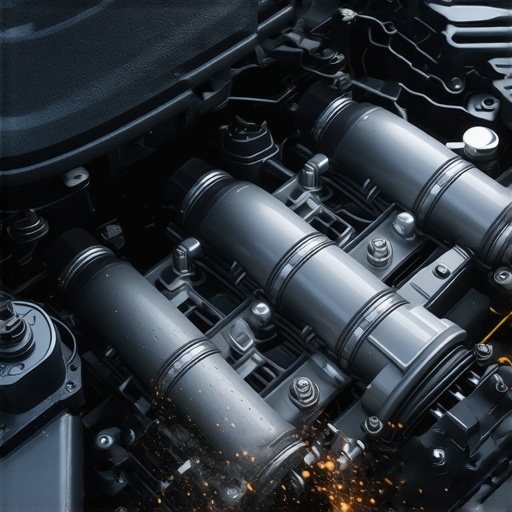
One morning, I was pulling out of my driveway when I heard it—that sharp, metallic rattle that made my stomach drop. At first, I thought it was some odd noise from the engine or maybe a loose part I’d neglected. Turns out, it was a loose heat shield fluttering like a flag in the wind, mimicking a much more serious engine knock. I knew I had to figure this out quickly, but it also made me realize how easily a tiny, overlooked issue can sound like a giant problem.
The Crackling Confusion: When a Loose Heat Shield Mimics Engine Trouble
Could a Simple Loose Part Really Fool You Into Believing Your Engine Is Failing?
This scenario is more common than you’d think. Even seasoned DIYers can mistake the harmless rattling of a loosened heat shield for the dreaded engine knock, which signals potential internal damage. I remember early in my repair days, I made the mistake of rushing to replace the engine components without first checking the obvious—like a loose heat shield. That wasted time and money, and I learned from that mistake. According to automotive experts, a loose heat shield can produce metallic noises that resemble engine knocking, especially at certain speeds or engine loads. It’s a reminder that not every alarming sound demands an expensive fix; sometimes, the tiniest thing is to blame.
Today, I want to share how you can distinguish this sneaky problem from real engine trouble and how a simple inspection can save you a lot of headaches. If you’ve been puzzled by strange noises during your drives, stay tuned; we’re about to demystify this common misdiagnosis and arm you with the knowledge to handle it confidently. No need to panic—most heat shield issues are straightforward to fix. Curious if that odd noise you hear in your car is a sign of something serious or just a loose shield? Keep reading. Better yet, if you’re wondering whether your heat shield needs attention, don’t hesitate to reach out for professional help.
Start with a Visual Inspection
Park your car on a flat surface and let the engine cool. Raise the vehicle using a jack and secure it with jack stands. Locate the heat shield near your exhaust system—it’s usually a thin metal plate attached with clips or bolts. Gently shake the heat shield; if it rattles or moves easily, it’s likely loose. This simple check can save you from unnecessary worry about engine issues.
Identify the Cause of the Looseness
Check for Broken or Missing Fasteners
Remove the undercarriage cover if present, then examine the fasteners holding the heat shield. Look for broken clips, corroded bolts, or missing screws. Sometimes, rust or road debris causes these to loosen over time. Replacing these with new hardware ensures a secure fit. Personally, I once found a missing bolt that had fallen out, causing the rattling; replacing it restored silence instantly.
Assess for Rust or Damage
Inspect the heat shield’s edges and mounting points for rust or cracks. Rust undermines the integrity of the shield and can cause it to detach. If damage is extensive, consider replacing the entire heat shield. This preventive step can prolong the life of your exhaust and prevent heat-related issues elsewhere.
Secure or Replace the Heat Shield
If the hardware is intact but just loose, tighten the bolts and clips with a socket wrench. Ensure everything is snug but not overtightened, which could deform the metal. For missing or broken fasteners, visit your local auto parts store for replacements or consider using high-temperature resistant tie wraps for a quick fix. Once secured, lower your vehicle and start the engine to test; if the rattling stops, you’ve solved the problem.
Address Persistent Noise or Vibration
If rattling persists despite tightening or replacing hardware, the heat shield might be warped. In this case, gently bend it back into shape with pliers. Use caution not to damage the shield or surrounding components. For severe warping, replacement is often the best option to ensure safety and noise elimination.
Prevent Future Loosening
Regularly inspect your undercarriage, especially after rough driving or winter months with road salt. Applying a high-temperature lubricant to bolts can also prevent rust and make future adjustments easier. Remember, a loose heat shield not only causes noise but can pose a fire risk if it contacts hot exhaust parts or wiring. Routine checks save money and keep your vehicle safe.
By following these steps, you can confidently diagnose and fix a loose heat shield yourself, avoiding costly repairs and annoying noises. For comprehensive guidance on car maintenance, visit CollisionRenew’s strategies or auto repair guide. If you’re unsure or uncomfortable performing these checks, don’t hesitate to reach out for professional help.
Many car owners operate under common assumptions about vehicle maintenance, especially surrounding collision repair, transmissions, and brake service. However, these widely-held beliefs often mask nuanced issues that can lead to costly mistakes. Let’s dig deeper into some misconceptions and reveal advanced insights that even seasoned DIYers might miss. Contrary to popular belief, not every alignment problem stems solely from visible damage; sometimes, subtle frame distortions or suspension misalignments require specialized diagnosis beyond basic wheel checks. Overlooking these can result in uneven tire wear and drivability issues that worsen over time, as highlighted by automotive engineering experts.
Are you aware of the pitfalls caused by mismatched parts or incorrect repair sequences?
For instance, installing mismatched brake pads or neglecting to properly bleed the brake system can compromise safety and leading to pedal feel problems. Many forget that the sequence of repairs matters—particularly in collision restorations—where painting, structural repairs, and component replacements must be meticulously coordinated to prevent future issues. A common trap is rushing into repairs without understanding the full scope; this can leave underlying frame damage unaddressed, which may cause uneven brake wear or transmission misalignments later.
Studies show that improper collision repairs are responsible for over 30% of vehicle-related accidents due to hidden structural weaknesses. This underscores the importance of consulting trained professionals who employ precise diagnostic tools. Additionally, many overlook the significance of high-quality transmission fluid and comprehensive flushing techniques. As detailed in top transmission repair tips, neglecting this step can accelerate gear slippage and reduce long-term reliability.
Another advanced nuance involves diagnosis of subtle transmission behaviors, like delayed engagement or unusual noises during shifts, which often point to internal wear or fluid degradation—not just external obstructions. Recognizing these signs early requires experience and understanding of the underlying physics. Similarly, brake service is more than just replacing pads; it involves an inspection of calipers, rotors, and hydraulic lines, and sometimes, replacing the brake fluid with the right specifications.
In conclusion, knowing the finer points about collision repair, transmission maintenance, and brake servicing empowers you to avoid costly pitfalls. Always remember—routine checks and comprehensive diagnostics can save money and prevent safety hazards. Want to explore these topics further? Consider visiting CollisionRenew’s strategies or reach out to professional experts for tailored advice. Have you ever fallen into this trap? Let me know in the comments, and share your experiences with vehicle repairs that revealed unexpected issues when least expected.
Keep Your Car Running Smoothly with the Right Tools
Maintaining your vehicle’s performance over time requires more than just routine visits to the mechanic; it demands the right equipment and a proactive approach. One tool I personally swear by is a high-quality code reader like the OBD2 scanner. Not all scanners are created equal; I prefer models that connect via Bluetooth and offer real-time data, enabling me to diagnose engine issues on the spot without waiting for a mechanic. This allows me to catch minor problems—like pending transmission fault codes—that could escalate if ignored.
Another must-have is a digital multimeter. For example, testing the battery voltage or checking sensors becomes straightforward. I use a multimeter with auto-ranging capabilities—it’s faster and reduces the chance of errors—saving time during troubleshooting sessions for brake or transmission issues. Invest in a quality set of screwdrivers and socket wrenches designed for automotive use; they make tasks like tightening heat shields or replacing sensors much easier and prevent damaging fasteners, which pays off over the long haul.
Adopt Smart Maintenance Habits
Beyond tools, developing habits like scheduled fluid changes is crucial. Regularly checking and replacing transmission fluid, following the guidance in top transmission repair tips, extends your transmission’s lifespan and prevents costly failures. I recommend setting reminders every 30,000 miles to perform comprehensive checks, including inspecting brake lines, calipers, and rotors, to avoid unexpected breakdowns.
In the future, I predict advanced diagnostic systems will become more integrated into vehicles, offering real-time alerts on maintenance needs. This will shift the focus from reactive repairs to preventive care, making tools like Bluetooth-enabled scanners even more vital.
How do I maintain collision repair quality over time?
Consistent inspection and proper long-term care of repaired areas are essential. Regularly check painted surfaces for chips or cracks, and clean aluminum panels meticulously to prevent corrosion. Using specialized tools like micro-dent repair kits for aluminum can restore factory finishes without costly repainting, maintaining your car’s appearance and structural integrity. When working on transmission or brake systems, always use recommended genuine parts and high-quality lubricants. This ensures compatibility and helps maintain the safety features of your vehicle.
Don’t forget to document maintenance activities—keeping detailed records can alert you to patterns that might indicate broader issues. If you’re ever unsure about how to carry out or verify maintenance work, consider reaching out to professional experts for guidance. For example, if you’re tackling a tricky heat shield reattachment, try tightening clips with a torque wrench to prevent over-tightening or loosening. This simple step can prevent rattles and ensure safe operation for thousands of miles.
Tools That Make Auto Repair Easier
One tool I recommend investing in is a magnetic pick-up tool. It might sound trivial, but retrieving dropped fasteners or small parts becomes effortless, especially in tight spaces like under-the-car repairs. Additionally, a magnetic/orbiting LED flashlight helps illuminate dark work areas, reducing fatigue and mistakes during repairs.
Lastly, consider using a portable air compressor with attachment kits. It allows you to clean debris from delicate components and inflate tires to the optimal pressure, ensuring safety and better tire longevity—something critical when managing long-term vehicle health.
What’s Next in Vehicle Maintenance Tech?
As vehicle systems become increasingly computerized, expect to see more integration of maintenance monitoring software and remote diagnostics. Upgrading your toolkit now with a versatile OBD2 scanner that connects to your smartphone can give you ongoing insights into your car’s health. Staying ahead with these tools will help ensure that your investment in personal car care pays off in reliability and safety. Want to improve your skills? Try recalibrating your tire pressure sensors or updating your vehicle’s software for better diagnostics—these small steps make a big difference.
Unseen Lessons That Changed My Approach to Vehicle Care
One of the most valuable realizations I had was that many seemingly complex mechanical issues have simple causes—like a loose heat shield or a worn-out clamp—that are easily overlooked. Recognizing this early saved me countless hours and money, teaching me to trust my observations over assumptions. I’ve learned that patience and a methodical approach often reveal surprises beneath the surface, preventing unnecessary repairs and fostering confidence.
Additionally, I discovered that not every noise signals disaster—sometimes, a minor, overlooked component is the culprit. This understanding encourages me to perform thorough inspections before jumping to conclusions, a lesson I wish I had embraced sooner. It emphasizes that education, combined with curiosity, is key to becoming proficient in car maintenance, empowering even beginners to tackle common issues with assurance.
Finally, I realized that engaging with communities and experts amplifies my knowledge. Sharing experiences and asking questions uncovers nuances that books or videos might miss, enriching my troubleshooting toolkit. This collaborative spirit keeps me motivated and continuously learning, transforming car repair from a daunting task into an ongoing journey of mastery.
Tools and Resources That Elevate My Auto Care Game
For me, the 10 essential tools for diagnostics have been game-changers. A reliable code reader, like the Bluetooth-enabled OBD2 scanner, provides real-time insights and allows me to catch issues early. The simple method to check transmission fluid without a dipstick was a revelation, saving me from costly professional visits for basic maintenance. My go-to serpentine belt repair kit ensures I can handle minor belt squeals before they escalate. Lastly, the headlight calibration tool helps me restore visibility after minor bumps, maintaining safety effortlessly.
Beyond tools, I rely on the comprehensive guides from CollisionRenew’s ultimate auto repair guide. It consolidates best practices, safety tips, and troubleshooting techniques, making complex tasks approachable. Engaging with forums and local workshops adds practical insights and confidence, reinforcing that ongoing learning is the backbone of competent vehicle care.
Embrace the Challenge and Drive Forward
Every repair, no matter how small, is a step toward greater independence and peace of mind. The journey to mastering car maintenance isn’t about perfection but progress—each attempt builds your knowledge and confidence. Remember, proactive care and the right resources turn vehicle challenges into opportunities for growth. Keep pushing, keep learning, and enjoy the ride.
What’s the one repair challenge you’ve been putting off? Share your story or ask for tips below—I’d love to hear about your experiences and help you turn that obstacle into a success!
,