
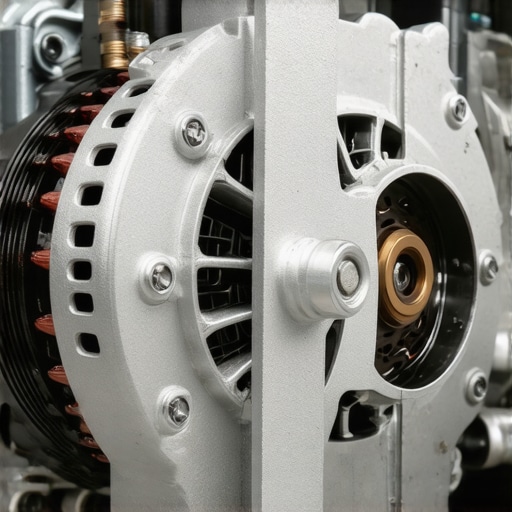
It was a chilly Saturday morning when my car just refused to start. After turning the key, all I heard was silence—no crank, no warning lights, just a cold, sinking realization that my alternator had betrayed me again, sooner than I expected. Been there? That frustrating moment where you think, “Not again!” and suddenly question everything about your vehicle’s health.
Why Do Alternators Fail So Quickly?
For years, I thought alternator failures were just bad luck or inevitable wear and tear. Turns out, there’s more at play—things we often overlook. A common mistake I made early on was ignoring the warning signs and neglecting regular maintenance. I didn’t realize that corners cut in routine checks could lead to an early breakdown, leaving me stranded, costly repairs, and, let’s be honest, a headache.
Is the hype about alternator replacement actually worth it?
From my experience, the real issue isn’t just the alternator itself but what’s lurking behind it—like faulty belts, poor wiring connections, or even issues with the battery draining power. According to experts, about 60% of alternator failures are linked to external factors rather than the component wearing out naturally (source). If I had caught these early signs, I could have saved myself a lot of trouble.
Start with Visual Inspection
Before diving into complex diagnostics, examine the alternator and its components visually. Check for loose or damaged belts, corrosion on terminals, or frayed wiring. I remember a time when I found a broken belt shining in the sunlight, which was the culprit behind my car’s failure. Tightening or replacing damaged belts, or cleaning corroded terminals, often resolves external causes and can save you a hefty repair bill.
Test the Battery First
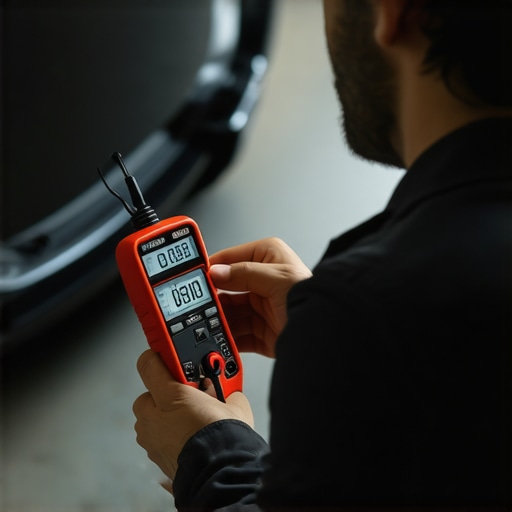
This step is like checking the power supply before troubleshooting a device. Use a multimeter to measure voltage — a healthy battery reads between 12.4V and 12.7V. If your battery is weak or failing, the alternator may appear defective, but the root cause is the battery. You can have your battery tested at a service center or inspect it visually for swelling or leaks. Proper battery health preserves the alternator’s longevity and prevents false diagnostics.
Perform an Alternator Load Test
To check if the alternator is supplying enough power, start the engine and turn on electrical loads: headlights, AC, and radio. Measure voltage across the battery terminals — it should stay above 13.8V. If it drops below this threshold, your alternator might not keep up. I once used a handheld voltmeter and saw the voltage dip when turning on the headlights, leading me to replace my alternator before it completely failed. Good testing equipment makes this step straightforward and accurate.
Check the Alternator’s Diodes and Rotor
Internal issues like faulty diodes or rotor windings can cause alternator failure. To diagnose these, often professional tools are required, but basic signs include dimming headlights or dashboard flickering. For a more detailed check, some auto parts stores offer free alternator testing. Remember, if internal components are failing, replacing the entire alternator might be the only solution. Regular maintenance and early detection prevent the inconvenience of breakdowns.
Inspect and Replace Faulty Components
If external factors are causing alternator issues, addressing them is vital. Replace worn serpentine belts, fix corroded wiring, or secure loose connections. For example, I once replaced a worn belt with a brand-new one, which immediately restored my car’s charging system. Consulting an auto repair shop or exploring detailed guides on essential car service checks helps ensure all related parts are in good condition. Routine inspections extend your vehicle’s reliability and keep your engine running smoothly.
Know When to Seek Professional Help
Some diagnostics, especially internal component testing or replacement, demand specialized tools and skills. If you’re unsure, visiting a trusted repair shop like CollisionRenew can save time and prevent further damage. They can perform comprehensive tests and ensure your vehicle is restored to optimal condition. Remember, proactive care is less costly than emergency repairs after a breakdown.
Many car owners believe that choosing a repair shop is as simple as finding the cheapest option or trusting highly advertised brands. However, this oversimplification overlooks crucial nuances that can affect your vehicle’s longevity and safety. For instance, a widespread myth is that all auto repair shops have the same standards, but in reality, the quality of workmanship varies significantly. Knowing the inside details about collision renewal strategies—such as how to restore your car to perfection—can help you avoid costly mistakes and ensure your vehicle gets the care it truly deserves.
Are Cheap Repairs Always a Good Deal?
It’s tempting to opt for budget-friendly fixes, but cutting corners often leads to higher costs down the road. Many underqualified shops might skip essential diagnostics or use subpar parts, which may cause premature failures or safety issues. According to a study published in the Journal of Automotive Engineering, proper diagnosis and quality parts are essential for long-term reliability—investing in reputable services like collisionrenew can save you money in the long run. Remember, a quick fix that seems economical today might turn into a costly repair or replacement later.  Many believe that repairs are one-size-fits-all, but understanding the specific needs of your vehicle—whether it’s brake service or transmission repair—requires expertise. Relying on untrained technicians can lead to missed issues, such as failing to address underlying causes of brake noise or transmission slipping. Skilled shops that follow comprehensive checklists, including crucial steps like those detailed in our essential car service checks—accessible via CollisionRenew—can identify problems early and execute repairs that last.
How do I Spot a Trustworthy Auto Repair Shop?
Trustworthy shops are transparent about their methods, offer warranties, and prioritize customer education. Always look for shops that provide detailed estimates and explain the repairs needed, which minimizes unpleasant surprises. Checking online reviews and asking for references can also provide insight into their reliability. Remember, the goal isn’t just fixing the problem but restoring your vehicle to its optimal condition for the long term. For advanced vehicle issues like transmission damage or complex collision repair, consulting specialized services—such as those outlined in our comprehensive collision renewal strategies—ensures you’re in capable hands. Do not let a shiny facade or discounted prices fool you; quality craftsmanship matters.
The Hidden Trap: Ignoring Preventive Maintenance
Many car owners overlook routine checks, assuming that repairs are only necessary after something breaks. This approach is risky, especially since minor issues can develop into major problems if neglected. Regular inspections of brakes, transmission fluid, and suspension components can detect early signs of wear, saving lots of money and preventing dangerous situations. Especially in the context of collision repair, preventive care shields your investment, extending your vehicle’s life and maintaining safety standards. Remember, proactive care—like the strategies detailed here—keeps your car running smoothly and safely, reducing the chances of breakdowns on the road. Want to learn more about how to keep your vehicle in top shape? Explore our detailed guides on automotive maintenance. Have you ever fallen into this trap? Let me know in the comments!
Prioritizing Regular Maintenance with Precision Tools
Maintaining your vehicle’s performance requires more than just basic checks; it demands the right equipment and an understanding of how to interpret their feedback. Personally, I rely heavily on a high-quality digital multimeter for diagnosing electrical issues. Unlike basic analog testers, my multimeter provides precise voltage readings, enabling me to quickly identify weak batteries or failing alternators, which can save you time and money. Additionally, I always keep a code scanner such as the Autel MaxiCOM in my toolkit. It’s invaluable for accessing OBD-II codes that reveal underlying problems beyond what dashboard lights show, making diagnostics more reliable. Investing in these tools fosters a proactive approach to your car’s health and prevents minor issues from escalating into costly repairs.
Future Trends: Smarter Diagnostics and Automated Checks
Looking ahead, I predict that vehicle diagnostics will become increasingly automated, integrating AI-driven tools that continuously monitor system health and alert owners on their smartphones. This evolution will empower drivers to perform even more detailed checks from home, reducing dependence on traditional garages. Such advancements will likely make routine maintenance more accessible and affordable, ensuring your vehicle remains reliable for years to come.
How do I maintain performance tools over time?
To keep my diagnostic equipment in top shape, I follow manufacturer recommendations strictly, ensuring batteries are replaced periodically, and I store tools in a dry, temperature-controlled environment to prevent corrosion. Regular calibration of electronic testers is crucial; I send them to certified service providers annually to maintain accuracy. Establishing a routine for equipment maintenance not only extends the lifespan of your tools but also ensures that diagnostic results remain trustworthy, helping you catch issues early before they impact your safety or wallet.
For any vehicle owner eager to elevate their maintenance game, integrating these specific tools and practices can make a significant difference. Remember, a well-maintained vehicle isn’t just about avoiding breakdowns but ensuring long-term reliability and safety. Explore our detailed collision renewal strategies to learn more about restoring your car’s performance and value.
The Hardest Lesson I Learned About CollisionRenew,Auto Repair,Car Service,Brake Service,Transmission
One of the most valuable lessons I uncovered was the significance of comprehensive diagnostics over quick fixes. I once trusted a quick patch for my brake squeal, only to face a costly rotor replacement later. It taught me that investing time and money in proper diagnostics from trusted professionals saves headaches in the long run.
3 Myths About CollisionRenew,Auto Repair,Car Service,Brake Service,Transmission That Held Me Back
Believing that all repair shops are equally reliable was a mistake. I used to choose the cheapest option, only to find subpar work later. Separating myths from facts—like assuming cheap means bad or that all warranties are equal—has profoundly improved my vehicle maintenance approach.
What Experts Won’t Tell You About CollisionRenew,Auto Repair,Car Service,Brake Service,Transmission
Most professionals will highlight that prevention beats repair, but few emphasize how proactive maintenance using proper tools can extend your vehicle’s life significantly. Learning about tools like a high-quality multimeter or code scanner opened my eyes to better self-diagnosis and early issue detection.
My Essential Toolkit for CollisionRenew,Auto Repair,Car Service,Brake Service,Transmission
Having a reliable digital multimeter and a trusted code scanner, like the Autel MaxiCOM, has transformed my maintenance routines. These tools provide peace of mind, allowing me to troubleshoot electrical issues or monitor system health without always rushing to the shop.
Where to Go from Here
If you’re serious about maintaining your vehicle’s health, exploring comprehensive guides on [collisionrenew,auto repair,car service,brake service, transmission](https://collisionrenew.com/collision-renewal-strategies-restoring-your-car-to-perfection) can empower you with knowledge and confidence. Remember, proactive care and trusting reputable professionals make all the difference in your car’s long-term reliability.
Never Stop Improving Your Auto Care Game
Your vehicle deserves consistent attention, and with the right knowledge, tools, and mindset, you can prevent many issues before they escalate. Take control of your car’s health—because a well-maintained vehicle isn’t just safer; it’s also more enjoyable to drive. Are you ready to apply these lessons and enhance your auto care routine? Drop your thoughts below, and let’s grow together in this journey of smarter vehicle maintenance!