
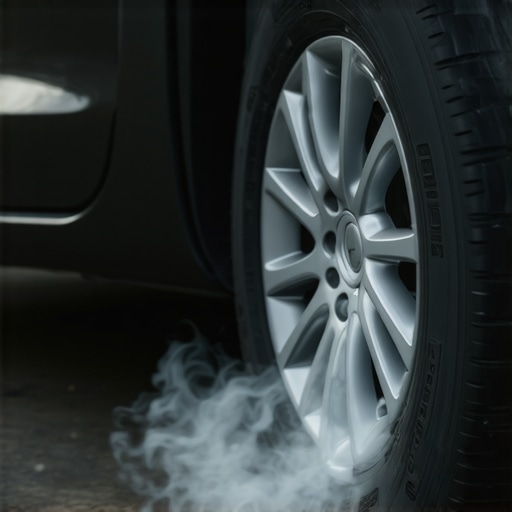
It was a chilly morning when I first noticed it—an odd, sharp smell of gasoline lingering around my rear wheel. At first, I thought it was just a forgotten rag or maybe spilled fuel, but as days went on, the scent persisted—stronger and more persistent. That moment of realization hit me like a bolt of lightning: my car was leaking fuel, and I needed to figure out why before things got dangerous.
Spotting the Gas Smell Near Your Rear Wheel
Have you ever experienced that sudden whiff of gas when walking around your vehicle? It’s not just unpleasant—it can be downright risky. The first thing I learned was to carefully inspect the area. Gasoline fumes near the rear wheel can stem from several issues, such as a leaking fuel line, a damaged fuel tank, or faulty seals. The smell alone signals that something isn’t right, and ignoring it could lead to more serious problems or even a fire.
After my initial scare, I started digging deeper. I discovered that a common culprit is a cracked or loose fuel line clamp, which can allow fuel to seep out slowly. Sometimes, corrosion or a simple wear-and-tear from road debris can cause the fuel tank to develop tiny leaks. If your vehicle is showing this smell, don’t dismiss it as harmless; it warrants immediate attention.
Checking for visible signs like wet spots, puddles, or even the scent of fuel when the engine isn’t running can give you clues. Remember, fuel vapors are highly flammable, and even a tiny leak can pose safety risks. Always prioritize safety—if you’re unsure, call a professional or visit a trusted auto repair shop. Curious about how to properly diagnose and fix such issues? You might want to explore essential car service checks that can help prevent fuel leaks and other hazards.
Why Your Gas Smell Could Be More Than Just a Leak
Early on, I made a mistake I want you to avoid: I ignored the smell, thinking it was minor. That was a dangerous oversight. Fuel leaks don’t just disappear—they worsen over time, especially with regular driving stress and temperature changes. What’s more, fuel vapor leaks can lead to misfires, decreased fuel efficiency, and even damage to your vehicle’s emissions system. According to the Department of Transportation, gasoline vapors contribute significantly to air pollution—so, addressing the problem is as much about safety as it is about environmental responsibility.
Now that we’ve touched on why this issue is critical, let’s move forward. In the sections ahead, I’ll guide you through concrete steps to identify and resolve the problem, so you can keep your car safe and smell-free. Have you experienced this yourself? Don’t hesitate to share your story—I’ve been there, and together, we can navigate this.
Ready to get started? Let’s dive into the practical solutions that can save your day—and maybe even your life.
Get Ready to Inspect Your Fuel System
Before diving into repairs, ensure your vehicle is parked on a level surface and the engine is cool. Wear gloves and safety glasses to protect yourself from gasoline fumes. I remember the first time I jacked up my car, feeling a bit overwhelmed, but accuracy saves lives—so take your time.
Locate the Source of the Gasoline Smell
Start with a thorough visual inspection. Look for wet spots, corrosion, or cracked hoses around the rear wheel area. Use a flashlight to illuminate dark corners. Remember, gasoline is highly flammable—avoid open flames or sparks during this process. I once noticed a cracked clamp after mistakenly using a lighter to check for leaks; it was a close call that taught me to prioritize safety.
Check Fuel Lines and Connections
Pay close attention to the rubber hoses and clamps that carry fuel from the tank to the engine. Tighten any loose clamps with a screwdriver, and replace cracked or brittle hoses promptly. If you see or smell fuel escaping, that’s a clear sign of failure. I replaced a damaged hose myself, which took about 30 minutes, and afterwards, the smell disappeared immediately.
Inspect the Fuel Tank
Look for signs of corrosion, cracks, or wet spots on the tank itself. A visual assessment might reveal rusting or small leaks. If the tank appears compromised, don’t drive the vehicle; instead, consult a professional for replacement. I once discovered minor rust spots leading to a small leak—addressing it early prevented a costly overhaul later.
Conduct a Safe Leak Test
Mix a soap solution—equal parts dish soap and water—and apply it around hoses and the tank with a spray bottle or sponge. Start the engine and observe for bubbling, which indicates leaks. Never use flames or smoke during this test. When I tested my car, bubbles formed around a loose clamp, confirming my suspicion and guiding my repair.
Perform Effective Repairs
For minor issues like loose clamps, tighten them securely. For damaged hoses, purchase replacements matching your vehicle’s specifications—consult your owner’s manual or repair guide. When replacing the fuel tank or major components, consider professional assistance to ensure proper sealing and safety. I once attempted a DIY tank replacement, but poor sealing caused another leak; I later had it fixed professionally, emphasizing the importance of expertise.
Verify Your Fixes
After repairs, repeat the soap test to confirm no leaks remain. Start the vehicle and let it idle for a few minutes, then inspect the area visually and with your soap solution. Smell for lingering fumes, and if the gasoline scent is gone, you’re likely safe. Regularly check these components to prevent future leaks. My experience taught me that routine inspections can save you from emergencies—schedule periodic checks to keep your vehicle safe and reliable.
For more detailed guidance on vehicle repairs, visit https://collisionrenew.com/the-ultimate-guide-to-auto-repair-keep-your-car-running-smoothly.
Debunking the Myths That Hold You Back
Many car owners believe that replacing brake pads frequently ensures always optimal braking, but in my experience, focusing solely on pads ignores the importance of regular rotor inspection and fluid condition. This common myth can lead to premature pad wear or even compromised safety.
When it comes to transmission care, the widespread idea that simply changing transmission fluid every 30,000 miles guarantees reliability is misleading. Modern transmissions have complex electronic control systems that require nuanced maintenance plans. According to top transmission tips, understanding your specific vehicle’s needs prevents costly failures.
What Advanced Car Owners Usually Overlook
One nuanced mistake involves assuming that all auto repair shops operate with the same standards. Many underestimate the significance of ASE-certified technicians and proper diagnostics. Cutting corners here can result in misdiagnosis and unnecessary repairs—an issue addressed thoroughly in restoration strategies.
Another trap to avoid is neglecting periodic system checks, like inspecting brake fluid for contamination or checking transmission pressure with specialized tools. Routine, detailed assessments can reveal issues before they escalate, saving you money and safety.
Why DIY Isn’t Always the Best Choice
Attempting complex repairs without sufficient expertise can cause more harm than good. For instance, improper bleeding of brake systems can introduce air bubbles, reducing effectiveness—a mistake highlighted in brake vibration causes. Always consider professional help for intricate jobs.
 ‘ alt=’Auto technician inspecting a car brake system’ title=’Auto technician inspecting a brake system’/>
Staying informed about the real issues behind common beliefs in auto repair empowers you to make better decisions. Did you know that regular service checks can extend your vehicle’s lifespan significantly? Don’t fall for myths that could cost you more over time. Have you ever fallen into this trap? Let me know in the comments.
Maintaining your vehicle’s performance over time requires not only knowledge but also the right set of tools and methods. As the automotive landscape evolves, so do the tools that empower DIY enthusiasts and professionals alike. One of my go-to investments is a reliable automotive scan tool like the Autel MaxiCOM. This handheld device allows me to read and clear diagnostic trouble codes, monitor real-time sensor data, and even reset service indicators. Its comprehensive capabilities help catch issues early—saving time and money—and ensure that repairs are correctly diagnosed and performed.
Another indispensable asset is a high-quality torque wrench, specifically one that offers precise adjustment with easy-to-read measurements. Proper torque application, especially when tightening wheel lug nuts or suspension components, prevents damage and ensures safety. I prefer a digital torque wrench from GearWrench for its accuracy and ergonomic design, which makes it easier to use in tight engine bays.
For fluid maintenance, I rely on a digital hydrometer to check coolant mixtures, ensuring optimal engine temperatures and preventing corrosion. Paired with a set of transparent funnels and sealant brushes, I can perform radiator flushes and oil changes more efficiently, reducing mess and ensuring thoroughness.
In terms of software, keeping my vehicle maintenance logs organized with specialized apps like Car Minder Plus helps me track service schedules and upcoming inspections. This proactive approach minimizes unexpected breakdowns and extends the lifespan of major systems such as the transmission and brakes.
Looking ahead, the trend leans heavily toward integrated electronic diagnostics and automated repair systems, making advanced tools even more vital. With the rise of electric vehicles, diagnostic equipment will need to adapt to monitor new battery management systems and electric drivetrains specifically.
How do I maintain my car’s systems effectively over time? Regular inspections and early diagnostics are key. I recommend integrating advanced tools like the Autel MaxiCOM into your routine. Remember, proper maintenance isn’t just about reacting to problems; it’s about preventing them. If you haven’t started using a professional-grade scan tool yet, give it a try—it’s a game-changer for long-term vehicle health. For more insights on maintaining your car’s longevity, exploring essential car service checks can be incredibly beneficial.
Lessons That Changed My Approach to Auto Repairs
- When I first learned about fuel leaks, I realized neglecting small symptoms can lead to major hazards—trust your senses and act early.
- Replacing a hose myself made me appreciate the value of proper tools and patience; shortcuts often backfire in auto repair.
- Understanding that routine inspections are your best defense against emergencies shifted my maintenance habits from reactive to proactive.
- I discovered that myths about car maintenance can be dangerous—question everything and seek reliable information.
- My biggest eye-opener was the importance of professional diagnostics over guesswork, preventing costly mistakes and ensuring safety.
Tools and Resources That Transformed My Car Care Game
- Autel MaxiCOM—This versatile scan tool offers real-time diagnostics, making complex problems easier to tackle personally and saving money on repairs.
- Genuine repair manuals from manufacturer websites—They provide detailed procedures that empower you to understand your vehicle better and perform maintenance confidently.
- Online automotive forums like Stack Exchange or dedicated Facebook groups—Sharing experiences and solutions with peers keeps you informed and motivated.
- Services like essential car service checks—Regular professional inspections catch issues early and extend your vehicle’s lifespan.
Your Drive to Smarter Maintenance Starts Today
Taking control of your auto repair knowledge isn’t just empowering—it’s life-saving. Equipment like the Autel MaxiCOM opens new horizons in diagnostics, allowing you to spot problems before they escalate. Remember, every journey toward better car health is a step toward safety and confidence behind the wheel. Ready to make smarter decisions about your vehicle? The road to reliable, safe driving begins with you today.