
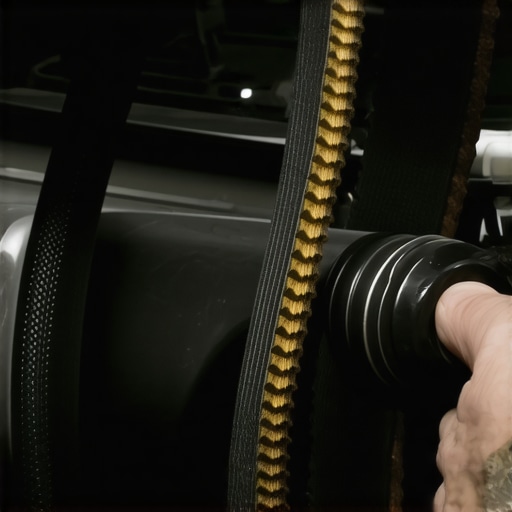
Ever found yourself gripping the steering wheel tighter than usual, feeling that strange heaviness as you navigate your daily commute? One afternoon, during a quick grocery run, I noticed my steering becoming more strenuous, especially at low speeds. At first, I brushed it off—maybe I was just having an off day or perhaps my arms were tired. But as days went by, the problem persisted. It was then I realized I was facing more than just fatigue—my car’s serpentine belt was showing signs of wear, and it was affecting my steering. That lightbulb moment led me down a path of discovery that could save you time, money, and the frustration of unexpected breakdowns.
Why Heavy Steering Can Be More Than Just a Nuisance
Heavy steering isn’t something to ignore; it can be a clear sign of underlying issues, especially when caused by a worn serpentine belt. This belt is like the veins of your engine—it drives multiple accessories, including the power steering pump. When it wears out, slips, or cracks, it can cause the power steering system to malfunction, making steering feel stiff or heavy. Early in my own experience, I mistakenly assumed it was just a minor issue with my steering fluid or a power steering pump problem. However, neglecting the serpentine belt could have led to more serious damage or even a complete steering failure. According to experts, a defective serpentine belt can reduce the effectiveness of your steering assist, making driving stressful and unsafe—something none of us want to face.
Is Your Car’s Power Steering Worn Out or Just the Belt?
Believe me, one of my biggest early mistakes was misdiagnosing the problem. I thought low fluid or a failing pump was to blame and skipped inspecting the belt. It turned out my serpentine belt was cracked and slipping, causing the power steering to struggle. Regularly inspecting and replacing this belt can prevent such issues and keep your steering light and responsive. Curious about other signs your vehicle might be crying out for a service? Check out this guide for essential maintenance tips that help keep your car running smoothly.
Have You Faced This Problem Before?
If your steering has recently become heavier or if you hear squealing noises when turning, it’s worth taking a closer look. Sometimes, the problem is as simple as a worn-out serpentine belt. Stay tuned—I’ll walk you through how to identify if your belt is the culprit and what steps to take to get your steering back to normal.
Gather the Necessary Tools and Parts
Start by assembling a new serpentine belt specific to your vehicle model, which you can find in your owner’s manual or consult with a parts specialist. You’ll also need a socket set, belt tensioner tool, and gloves. I once learned the hard way that skipping the right tools leads to frustration; I found myself struggling with a stubborn tensioner, causing delays and minor damage to a previous belt.
Safety First: Prepare Your Vehicle
Park your car on a level surface, turn off the ignition, and engage the parking brake. Disconnect the negative terminal of the battery to prevent accidental electrical issues. Wearing gloves will protect you from grease and sharp edges. During my first attempt, neglecting this step resulted in a minor shock when working near the battery—lesson learned about safety precautions.
Locate and Release the Belt Tensioner
Find the belt routing diagram, usually on a sticker inside the engine bay or in the owner’s manual. Locate the tensioner pulley—this is what maintains proper tension on the belt. Use your socket wrench or tensioner tool to rotate the tensioner, relieving pressure. Applying gentle force helps loosen the belt; I once applied too much force and slipped, causing the belt to snap and making me realize the importance of controlled movements.
Remove the Old Belt Carefully
Slide the belt off the pulleys, noting the routing pattern. For complex setups, take a photo for reference during reinstallation. Be mindful not to disturb other components. I recall fighting with a stubborn belt first time, which slipped off suddenly, prompting me to double-check routing diagrams for the next attempt.
Check the Pulleys and Components
Inspect all pulleys for wobbling or cracks. Spin them by hand—any resistance or noise indicates a problem. Examine the tensioner and idler pulleys for smooth operation. During a previous fix, I replaced a belt only to find the tensioner pulley was worn, leading to premature belt failure, underscoring the importance of comprehensive inspection.
Install the New Belt Correctly
Route the new belt following your reference diagram or photos. Make sure it sits properly on all pulleys without twists. Use your tensioner tool to rotate the tensioner again, allowing you to slip the belt onto the tensioner pulley. Release the tensioner carefully, ensuring the belt tightens appropriately. I learned to double-check the belt’s position after tensioning—an incorrectly placed belt can cause squealing or drive issues.
Finalize and Test the Installation
Reconnect the battery and start the engine. Observe the belt’s movement and listen for unusual noises. Verify that the belt runs smoothly over all pulleys. If everything looks good, take the car for a short drive to confirm steering feels light and responsive. Once, I skipped this test step, and a neglected belt alignment caused a squeal, reminding me why thorough checks matter.
Regular Maintenance to Prevent Future Issues
Establish a routine inspection schedule—check the belt for cracks, fraying, or glazing every 10,000 miles. Replace it proactively before failure occurs. Proper maintenance extends your vehicle’s lifespan and keeps steering effortless. For additional maintenance tips, explore these essential checks and ensure your car remains in top condition. Remember, timely replacement of belts and components is the most reliable way to avoid sudden breakdowns and costly repairs.
,When it comes to vehicle maintenance, many car owners operate under misconceptions that can lead to costly mistakes. A prevalent myth is that regular oil changes alone are sufficient for engine health, but in reality, neglecting comprehensive service checks can cause unexpected failures. Another false belief is that brake pads always wear evenly; however, uneven wear might indicate underlying issues like caliper problems or misalignment, which require expert attention.
Let’s clarify a common misconception: many think that a minor noise during acceleration points to a simple solution, but it could be a sign of deeper transmission problems or coolant leaks, as highlighted in recent auto repair guides. Misdiagnosing these symptoms can delay necessary repairs, leading to more extensive and expensive damage.
Now, about collision repair—some believe that DIY fixes on body dents or scratches are sufficient, yet professional restoration ensures structural integrity and resale value. Attempting to patch a cracked frame or misaligned panel without proper tools can compromise safety and durability.
An often overlooked aspect is transmission maintenance. There’s a misconception that transmission fluid only needs changing after the car hits a certain mileage. Experts emphasize proactive fluid changes to prevent slipping or shuddering, especially in high-mileage vehicles, as described in top transmission tips. Failing to do so can accelerate wear, leading to costly rebuilds.
Recognizing these myths is crucial because they highlight how assumptions based on outdated advice or superficial knowledge can hinder proper vehicle care. An advanced mistake some make is ignoring subtle signs of failing components—like a delayed engagement or unusual vibrations—thinking they’re normal, but they may signal imminent failure.
This brings us to a critical question for the savvy car enthusiast or professional: How do misinterpretations of early warning signs impact long-term vehicle health? Studies show that professional diagnostics and understanding nuanced symptoms can drastically reduce repair costs and downtime. For instance, a slight steering wheel shimmy might be dismissed as tire imbalance but could actually indicate suspension or wheel bearing issues that, if caught early, are much easier and cheaper to fix.
Have you ever fallen into this trap of believing a myth or overlooking a small symptom? Share your experiences in the comments. Remember, staying informed and proactive about your vehicle’s needs is the best way to ensure safety, reliability, and savings in the long run.
Investing in the Right Equipment
Performing effective auto repairs, like brake service or transmission maintenance, starts with having the proper tools. Personally, I rely on a high-quality digital multimeter for diagnosing electrical issues—it’s precise, easy to use, and invaluable for tasks like checking battery health or sensor outputs. For belt replacement or pulley inspections, a torque wrench ensures you tighten components to manufacturer specifications, preventing future problems. I also swear by a set of stubby screwdrivers for confined engine bay spaces, making tricky tasks much more manageable.
Software That Keeps Repairs Accurate
Modern vehicles are equipped with complex electronic systems. I use an OBD-II scanner compatible with advanced diagnostic software to read and clear error codes. It allows me to pinpoint issues like transmission slippage or sensor malfunctions quickly, saving both time and guesswork. Personally, I opt for a model that updates regularly, so I stay current with the latest vehicle modules—this future-proofs my repairs as vehicle technology evolves.
Tools for Long-Term Results
Long-term vehicle health relies on regular inspection and proper maintenance. I recommend investing in a visual inspection mirror and flashlight for thorough undercar examinations—spotting rust or leaks early can prevent costly repairs. A belt tension gauge helps maintain correct belt tension during routine checks, extending component lifespan. Additionally, keeping a log of maintenance dates and observations facilitates tracking wear patterns over time, enabling proactive service scheduling.
Scaling Up Your Maintenance Game
As your skills improve, consider acquiring a hydraulic lift or service jack with sturdy stands—these make comprehensive work, such as suspension work or transmission fluid changes, safer and more efficient. For professional quality, I use a high-pressure transmission flush machine, which ensures the smooth operation of your transmission over many miles. Staying ahead with the right tools not only improves repair quality but also minimizes downtime and long-term costs.
What’s Next in Car Maintenance Tools?
Looking ahead, the trend is moving towards integrated diagnostic systems that connect directly with your smartphone, providing real-time data and predictive analytics. This technology will allow us to anticipate failures before they happen, making maintenance even more proactive. According to industry experts, investing in such smart tools can help extend vehicle lifespan and improve safety—something every car owner should consider.
Ready to elevate your auto repair routine? I recommend trying a comprehensive diagnostic scan with a compatible OBD-II device combined with an inspection routine that includes belt tension checks and fluid analysis. Consistent use of the right tools makes all the difference in keeping your vehicle reliable and safe for the long haul. To explore more advanced maintenance strategies, visit this guide.
How My Belt Mistake Almost Cost Me Safety
Realizing the serpentine belt’s importance was a game-changer. I used to overlook it, thinking only about oil or tire pressure, but neglected belts can turn into serious hazards. The moment I understood that a worn belt can cause steering stiffness was a lightbulb that saved me from potential breakdowns or accidents. This lesson underscores why regular inspections are vital, especially for belts that act as the engine’s veins, powering critical systems like steering assistance.
The Hidden Signs I Ignored in My Driveway
Initially, I dismissed squealing noises and heavy steering as minor issues. But after doing some research and personal experience, I learned those symptoms often signal belt wear. Recognizing subtle cues like odd noises or resistance in steering helped me catch problems early. It’s a reminder to all drivers: trust your senses and don’t delay diagnosing seemingly small issues—they can prevent big failures in the long run.
Why Consistent Maintenance Pays Off
My journey taught me that proactive maintenance is more cost-effective than reactive repairs. Replacing a belt before it cracks can avoid costly damage to the power steering pump or engine components. Establishing a routine inspection schedule for belts and pulleys, as suggested in these essential car checks, is a small investment that safeguards your driving experience and safety. Remember, prevention is always better than cure.
Curated Recommendations for Safer Drives
Over time, I’ve found tools and resources that make maintenance manageable. The OBD-II scanner has been invaluable for catching electronic issues that can affect steering systems indirectly. For physical inspections, a good belt tension gauge and visual inspection mirror are my trusted companions. Additionally, consulting auto repair guides has deepened my understanding of vehicle health, making me a more confident amateur mechanic.
Your Next Step for Better Driving Peace of Mind
Knowing that a simple belt replacement can restore your steering comfort and safety should inspire action. Don’t wait for warning signs to become emergencies—invest in regular maintenance and stay attentive to your vehicle’s signals. The roads are safer for everyone when we take proactive steps. Are you ready to check your belts and pulleys today? Share your experience below or ask for guidance—I’m here to help you keep your car reliable and your journey smooth.
,