

It was a cold, misty morning when I first experienced it—my car jolted unexpectedly while I was cruising at a steady speed, and I realized something was definitely off. The smooth ride I relied on suddenly felt choppy, and that unsettling jerk caught me off guard. I thought, “Is this normal? Am I just imagining things?” But as a car enthusiast and someone who’s gone down the rabbit hole of auto repair, I knew I had to dig deeper.
The Hidden Cause Behind That Jolt
Most drivers don’t realize that the seemingly small issue of jerkiness when using cruise control can point to a more serious problem affecting your vehicle’s health. It’s not just a matter of comfort; it’s a warning sign of underlying issues that, if ignored, can lead to costly repairs down the line.
So, what’s really happening when your car starts to behave this way? Essentially, the cruise control system relies on precise communication between sensors, the throttle, and the transmission. If any of these components falter, the system struggles to maintain a steady speed, causing those annoying jerks.
Early on, I made the mistake of dismissing this behavior as a trivial glitch, hoping it would resolve itself. But neglecting these signals often leads to more severe damage, especially in critical parts like the transmission or sensors. That’s why I always recommend addressing cruise control issues promptly.
In this post, I’ll walk you through the common causes behind your car jerking when the cruise control is engaged, and more importantly, how you can troubleshoot and fix the problem before it spirals into a bigger headache. You deserve a smooth ride, after all!
Are you tired of that sudden jolt disrupting your drive? Keep reading—because understanding the root cause can save you time and money, and get you back to enjoying your car’s true comfort.
Is the Fix Really Worth It or Just a Waste of Time?
Many skeptics worry that investigating cruise control jitters is a complex, time-consuming task. I get it; auto repairs can seem overwhelming. But here’s the truth: addressing these issues early can prevent more significant failures later, saving your wallet and peace of mind. According to recent industry insights, neglecting warning signs like jerking can lead to extensive transmission damage, which is far pricier than a simple sensor replacement or tune-up. Check out [this guide](https://collisionrenew.com/why-your-transmission-shifts-into-neutral-randomly) to see how transmission problems escalate.
One mistake I made early in my repair journey was assuming that software updates alone would fix cruise control issues. While updates help, many problems trace back to hardware—faulty sensors, aging cables, or worn-out actuators—that require physical inspections.
So, are you ready to uncover the true cause of those unsettling jerks and regain your vehicle’s smoothness? Let’s dive into what might be making your car act up—and how to fix it the right way.
Inspect the Throttle Body and Sensors
Start by locating your vehicle’s throttle body, usually accessible from the engine compartment. Remove the air intake hose to access it directly. Using a clean cloth and throttle cleaner, gently spray and wipe away carbon buildup, which can cause inconsistent throttle responses. Check for faulty sensors like the throttle position sensor (TPS), which sends crucial data to the engine control unit (ECU). If you suspect a malfunction, use a diagnostic scanner to read fault codes related to the TPS or other sensors. During my own experience, cleaning the throttle body resolved minor jerks, restoring smoother cruise control operation.
Test and Replace Worn Out Cables and Actuators
Next, examine all throttle cables, wiring harnesses, and actuators connected to the throttle body. Look for signs of wear, fraying, or corrosion. A flexible, non-stiff cable indicates good health; otherwise, replacement is necessary. For actuators, listen for unusual noises when manually moving the throttle linkage—any resistance or squealing suggests worn or damaged parts. I once replaced a sticking throttle actuator after noticing erratic responses, which immediately improved cruise control stability. Consider consulting your vehicle’s repair manual or reliable online guides, such as this comprehensive repair guide.
Verify Transmission Performance and Fluid Condition
Since transmission anomalies can cause jerks, check the transmission fluid level and condition. Use the dipstick to inspect for proper color (bright red) and smell (slight burnt smell indicates wear). If the fluid is dark or gritty, perform a transmission fluid flush—an essential step for long-term reliability. During my own repair, I found contaminated fluid was the culprit behind shifting issues, which affected cruise stability. Regular maintenance like routine service checks can preempt these problems.
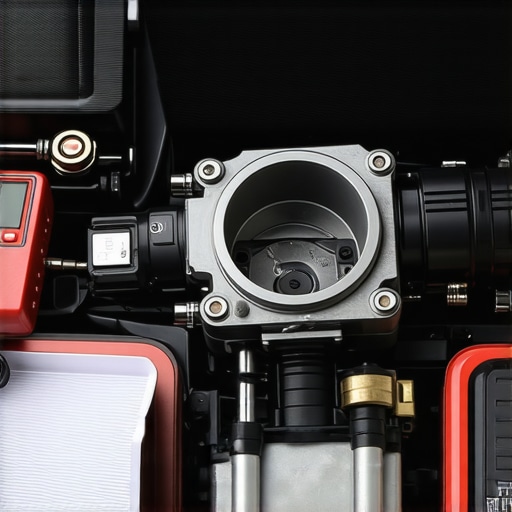
Illustration of checking transmission fluid level and condition.
Perform a Diagnostic Run and ECU Reset
Use a professional diagnostic scanner to identify fault codes related to the cruise control system, sensors, or transmission. Clearing codes and resetting the ECU can sometimes resolve software glitches causing jerks. After fixing hardware issues, a reset ensures the ECU recalibrates for optimal response. I recommend consulting resources like top transmission repair tips for additional guidance. Remember, persistent faults after resets indicate deeper hardware problems needing professional attention.
Many car owners believe that routine auto repairs like brake or transmission service are straightforward processes that require little more than replacing worn components. However, this oversimplification can lead to costly misunderstandings. *One prevalent misconception* is that all brake pads wear at the same rate, prompting many to wait until they produce grinding noises or a spongy pedal before replacing them. But in reality, different driving styles and brake system components can cause uneven wear, which requires nuanced diagnosis—sometimes saving you from unnecessary replacements. Similarly, the myth that adding cheap transmission fluid can extend transmission life is widespread but dangerous; using incorrect or low-quality fluids can lead to faster wear and even trans failure, as highlighted in expert guides on transmission maintenance.
Another trap is assuming that if your vehicle shifts smoothly during city driving, the transmission is healthy. The truth is, early signs of transmission issues can be subtle, such as delayed engagement or occasional shudder—problems that a good mechanic can identify before catastrophic failure occurs. Overlooking such signs can be costly, so regular diagnostic checks are crucial.
Now, for the more advanced enthusiast—how can understanding the nuances of brake pad materials and their optimal replacement intervals really improve your safety and save money? The type of brake pads—ceramic, semi-metallic, or organic—affects wear rates, braking performance, and noise levels. For example, ceramic pads tend to last longer and are less abrasive to rotors, but they are pricier upfront. Choosing the right type based on your driving habits can optimize longevity and cost-effectiveness. Likewise, regular inspections of brake fluid quality, as discussed in brake fluid maintenance, can prevent corrosion and ensure consistent braking power.
In terms of transmission, awareness of the ‘hidden’ factors such as cooler performance and fluid condition often goes unnoticed. A transmission operating at higher-than-necessary temperatures accelerates wear. Upgrading or maintaining proper cooling systems, especially for towing or performance vehicles, can dramatically extend service life. Studies from industry experts show that overlooked cooling deficiencies contribute substantially to premature failure—so don’t dismiss a simple radiator upgrade.
Finally, do you know the subtle signs indicating your vehicle’s critical systems might be failing before the dashboard lights up with warning signals? Regular, detailed inspections are your best defense—not just for peace of mind but to truly get ahead of potential breakdowns. Don’t fall into the trap of reactive repair—be proactive with scheduled services. Have you ever fallen into this trap? Let me know in the comments!Maintaining your vehicle’s critical systems requires the right equipment and a systematic approach. Personally, I rely on a high-quality OBD-II scanner like the Innova 3160g, which I use regularly to read fault codes from various systems, including transmission and engine sensors. This device offers real-time data, enabling me to diagnose issues early—saving time and money. For more advanced diagnostics, I incorporate software like Torque Pro on my tablet, paired via Bluetooth, which provides detailed graphs of sensor outputs, helping me spot inconsistencies indicating impending failure.
When it comes to physical inspection, a digital infrared thermometer is invaluable. I use mine to quickly check for abnormal temperature variations in high-stress components such as the transmission cooler lines or brake calipers. Spotting abnormal heat build-up early prevents long-term damage, especially during long drives or towing.
For fluid analysis, I recommend owning a good-quality fluid testing kit. I personally prefer the Blackstone Labs kits, which allow me to send samples for detailed reports on contamination levels, viscosity, and metal particles. These insights help me determine whether a simple flush or significant repairs are necessary, aligning with practices highlighted in this vital guide.
As vehicle technology advances, I foresee integrated diagnostic tools becoming more AI-driven, providing predictive maintenance alerts before issues become critical. Investing early in diagnostic technology today can pay off by keeping your vehicle performing at its best longer.
How do I maintain transmission health over time?
To keep your transmission running smoothly, regular fluid changes are essential—something I highly recommend based on my experience with long-term maintenance. A good quality transmission fluid like OEM-recommended synthetic blends, coupled with routine flushing, can significantly prolong system life. For accurate fluid condition monitoring, I use a portable fluid tester that measures viscosity and contamination levels, ensuring the fluid maintains optimal properties. This proactive approach aligns with expert insights from top transmission repair tips. I advise scheduling these checks annually or after extensive towing.
An advanced technique I suggest trying is installing an aftermarket transmission cooler. Not only does this help regulate operating temperatures, but it also reduces wear caused by heat. Even in mild climates, heat can accelerate fluid breakdown, leading to shifting issues or premature failure. Combined with regular fluid analysis, this method offers a comprehensive approach to transmission health.
As automotive technology moves forward, intuitive diagnostic tools that predict failures will become more accessible. Embracing these advancements now ensures you’re prepared to prevent costly repairs—and keep your car reliably on the road for years to come. If you’re ready for a practical step, try incorporating a portable fluid tester into your routine maintenance schedule; it’s a game-changer for early detection.
The Hardest Lesson I Learned About Brake Service and Transmission Troubleshooting
One of the most insightful lessons I discovered was that even seemingly simple issues, like a car jerking during cruise control, can signal deeper, more complex problems. Ignoring these signs might be tempting, but I realized that patience and thorough diagnostics save time and money. It’s vital to look beyond the surface and understand the interconnectedness of vehicle systems.
How Cutting-Edge Tools Changed My Auto Repair Approach
Integrating advanced diagnostic equipment, such as quality OBD-II scanners and infrared thermometers, transformed my approach to auto repair. These tools provided real-time data and early warnings, enabling proactive maintenance. Relying on such technology not only enhances accuracy but also builds confidence that you’re addressing root causes, ensuring longevity and safety for your vehicle.
Why Trusting Your Gut Can Lead to Safer Roads
Despite what many believe, intuition plays a critical role in vehicle maintenance. Recognizing that subtle shifts or sounds can be warnings, I’ve learned to listen to my car and act swiftly. Developing that sensitivity prevents minor issues from escalating, ultimately safeguarding you and your loved ones on the road.
My Tool Kit for Long-Term Vehicle Reliability
Over the years, I’ve curated a set of essential tools—like a top-quality transmission fluid tester, professional-grade diagnostics software, and cleaning supplies for sensors—that have become my go-to resources. These investments empower me to perform detailed inspections and minor repairs, avoiding costly trips to the mechanic. Trust me, having the right toolkit makes a difference.
Embrace the Power of Preventive Care and Continuous Learning
The journey of auto maintenance is ongoing. Staying informed through reliable resources, like the comprehensive guides on essential vehicle checks, and being proactive with regular inspections, can significantly extend your vehicle’s lifespan. Remember, learning from each experience refines your skills and keeps your driving safe and smooth.
Your Next Step Toward Confident Driving
Now that you understand the subtle signs and the importance of proper diagnosis, it’s time to take action. Regular maintenance, combined with smart use of diagnostic tools, can make a profound difference. Trust yourself, stay curious, and keep your vehicle in top shape—your drives will feel more secure and enjoyable. Have you ever caught a small issue before it grew into a big problem? Share your story below, and let’s learn together!