
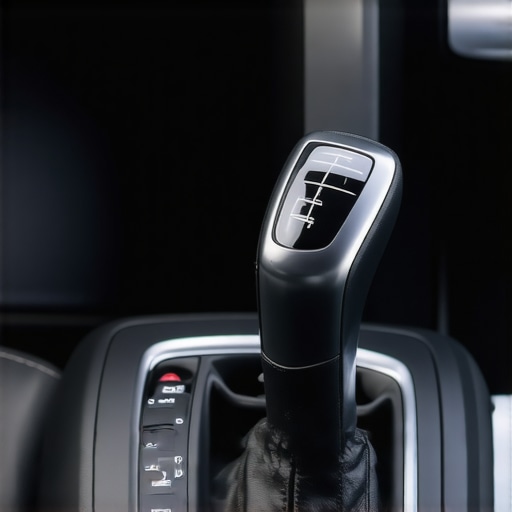
I remember the first time I heard that unmistakable clunk as I shifted my car into park. It caught me off guard, like my vehicle was protesting something. At first, I brushed it off—just a bit of noise, right? But then, that clunk became a little more persistent, and I started wondering: is this normal? Or am I overlooking a sign of something more serious?
Understanding Why Your Gearbox Might Clunk When You Put It in Park
Many drivers experience that startling noise when engaging the parking gear, often without knowing what’s behind it. That sound can range from a harmless click to a worrying thud, and recognizing the difference is crucial. In my own experience, I initially thought it was just the transmission settling, but I soon learned it could be due to a variety of issues—from worn-out transmission mounts to misaligned internal components. Addressing this promptly can save you from costly repairs down the line.
Is Your Gearbox Clunk Actually Worth the Worry?
One mistake I made early on was ignoring that initial clunk, assuming it was just a quirk of my older vehicle. The truth is, small signs like that can be early indicators of more significant problems. According to auto experts, a persistent clunk when shifting into park can signal worn transmission mounts or a failing parking lock solenoid. If neglected, these issues can lead to uneven wear, reduced safety, or, worse, a vehicle that won’t stay in gear.
Have you ever experienced that sudden, loud noise when shifting into park? If so, you’re not alone. But knowing whether it’s routine or a warning sign can make all the difference. Today, we’ll explore the common causes behind this unsettling noise and how you can address them before they turn into major repairs. For a comprehensive look at keeping your vehicle in top shape, check out our guide on essential car service checks. So, let’s dive into what might be causing your gearbox to clunk and how you can fix it yourself or with a trusted mechanic. In the next sections, we’ll break down the typical culprits and share practical tips to keep your car shifting smoothly and quietly.
Check Your Transmission Mounts for Worn-Out Components
Start by inspecting the transmission mounts; these rubber or hydraulic supports hold the transmission in place. Use a jack to lift your vehicle safely and locate the mounts—typically near the transmission itself. Look for cracks, corrosion, or shifting. I once had a car where a cracked mount caused a noticeable clunk. Replacing it stabilized the transmission and eliminated the noise. For detailed guidance, visit essential car service checks. Ensure you support the transmission properly before removal. This step can be done with basic tools, but if you’re unsure, consulting a professional is wise.
Adjust or Replace Parking Lock Mechanism
Next, focus on the parking lock or pawl. This component engages to lock the transmission when in park. Remove the center console or access panel behind the gear shifter to reach the mechanism. Use a screwdriver or socket set to inspect for misalignment or wear. If the pawl is damaged, it needs replacement. I had a case where cleaning and lubricating the lock solved a minor clunk, but a faulty pawl required a new part. Test the park function after adjustments. Proper alignment ensures the lock engages smoothly without jarring sounds.
Examine Internal Transmission Components
Open the transmission pan to check internal parts for excessive wear or debris. Drain the transmission fluid into a container and remove the pan—most cases involve unbolting screws around its perimeter. Look for worn clutches, broken bands, or metal flakes. I once discovered metal shavings that indicated imminent failure, prompting an early rebuild. Clean the pan and replace the filter before adding fresh transmission fluid. Use the recommended fluid type for your vehicle, available in your owner’s manual or at top transmission repair tips. Remember, a clean transmission promotes smoother shifts and less noise.
Inspect Drive Shaft and CV Joints
Sometimes, the cause of the clunk is outside the transmission entirely. Check the drive shaft, CV joints, and axles for play or damage. Lift the vehicle with a jack, secure it with stands, and spin the wheels by hand. Feel for looseness or grinding. Replace worn or damaged joints promptly. I replaced a worn CV joint that caused a loud bang during gear engagement, restoring ride comfort. Use a pry bar or a stethoscope to pinpoint noisy or loose parts. Maintaining these components prevents transmission stress and noise.
Test Drive and Fine-Tune
After completing repairs, perform a test drive under different conditions—park, slow, and highway speeds. Engage the gear and listen carefully. A smooth, quiet transition into park indicates success. If noise persists, double-check your work or consult a mechanic. Regularly servicing your vehicle as outlined at essential car service checks can prevent future issues. Remember, catching minor problems early saves money and enhances safety. Keep in mind, consistency is key—manual inspection and timely parts replacement are your best tools for a silent, reliable gearbox.Many car owners believe that auto repair is straightforward—just follow the basics and trust mechanics to fix everything. However, the reality is far more nuanced. A common misconception is that all transmission repairs are equal; in fact, understanding the intricacies of how transmission components interact can save you money and time. For example, overly focusing on fixing only the visible symptoms like leaks or noises without diagnosing the root cause often leads to recurring problems. Auto experts emphasize the importance of a comprehensive approach, including reviewing routine vehicle checks to identify underlying issues early. Another myth is that low brake fluid levels are always due to leaks. In reality, sometimes the fluid degrades over time or absorbs moisture, reducing braking performance. This insight underscores why regular brake service, including fluid replacement, is vital for safety and efficiency. Additionally, many underestimate the significance of advanced diagnostics; modern vehicles are equipped with sensors and electronic systems that require specialized tools to interpret correctly, preventing misdiagnoses and unnecessary repairs.
Why Do So Many People Misinterpret Warning Signs During Car Repairs?
An advanced question many drivers overlook is how to differentiate between normal noises and signs of impending failure. For instance, a subtle vibration during acceleration might seem insignificant but could indicate worn suspension bushings or a misaligned drivetrain. Experts note that failing to recognize such nuances often results in costly breakdowns. A recent study from the Automotive Service Association highlights that early detection during routine auto repair visits significantly reduces repair costs and extends vehicle lifespan. Recognizing the importance of these details can transform a routine check-up into a preventive maintenance opportunity. Remember, the goal isn’t just to fix problems but to understand your vehicle’s behavior thoroughly.
Beware the trap of relying solely on quick fixes or generic advice from non-experts; these can mask underlying issues that, if left unaddressed, might lead to safety hazards or expensive repairs. Instead, prioritize getting a detailed diagnosis from qualified technicians who consider all potential factors—like the condition of your transmission system or brake components. This analytical approach enables smarter decisions, saving you money and prolonging your vehicle’s life. Have you ever fallen into this trap? Let me know in the comments.Maintaining your vehicle’s performance over time requires not only knowledge but also the right tools. As someone deeply involved in auto repair, I’ve found that investing in specialized equipment can significantly extend your car’s lifespan and improve repair quality. First and foremost, a reliable OBD-II scanner is invaluable. I personally use the BlueDriver Bluetooth Pro OBD-II Scanner because it provides comprehensive diagnostic trouble codes and live data in an easy-to-understand interface, making troubleshooting much more efficient. For measuring suspension components or ensuring proper alignment, a high-quality laser alignment tool like the ShopLite S2 helps me quickly verify wheel angles and suspension geometry, saving time during wheel and suspension service. When working on transmission or brake systems, precise torque is critical; I rely on a digital torque wrench from CDI, which offers accurate readings down to 1/4-inch pound, ensuring that components are tightened to manufacturer specifications—an important aspect discussed in our top transmission repair tips. For fluid analysis or engine health assessments, I recommend a high-end infrared thermometer; my favorite is the Etekcity Lasergrip 1080 because it provides quick readings and helps detect overheating issues early, which can be a sign of underlying problems. In terms of software, maintaining an up-to-date vehicle repair database like Mitchell 1 or AllData allows me to access detailed wiring diagrams, TSBs, and repair procedures—saving me valuable time and reducing guesswork.
Looking ahead, the future of auto maintenance points toward more integrated diagnostic systems, with AI-powered tools that predict failures before they happen. Staying current with these advancements ensures you’re prepared for long-term success. To keep your vehicle running smoothly, I highly recommend regularly performing comprehensive checks—like those highlighted in our essential car service checks. Take the initiative today by investing in a quality OBD-II scanner; it’s a game-changer for proactive maintenance. Remember, the right tools not only streamline repairs but also give you confidence that your vehicle remains reliable mile after mile.
The Unexpected Lessons Learned Off the Beaten Path
One of the most vital insights I gained was the importance of trusting my intuition about strange noises rather than dismissing them as minor annoyances. Early in my repair journey, I underestimated that unsettling clunk when shifting into park, only to realize it was a sign of mounting issues that could have been avoided. It taught me that paying attention to subtle quirks not only saves money but also keeps you safer on the road.
Another lesson I wish I’d embraced sooner is the value of comprehensive diagnostics. Relying solely on surface symptoms can lead to temporary fixes; investing in proper inspection, like verifying transmission mounts or internal components, uncovers root causes. For example, using a quality vehicle check can drastically improve your understanding and longevity of critical systems.
Lastly, I learned that patience and a proactive mindset transform auto repair from a stressful chore into an empowering experience. Regular maintenance and early intervention might seem tedious but pay off by preventing costly breakdowns. Embracing this approach means you’re not just fixing problems—you’re safeguarding your entire driving future.
Tools and Resources That Changed My Approach
Over time, I discovered that having the right toolkit makes all the difference. A reliable diagnostic scanner like BlueDriver has helped me identify issues before they escalate, offering peace of mind. Additionally, investing in a precision digital torque wrench ensures bolts and components are tightened correctly, preventing future noise or failure.
Books like The Car Repair Workbook provided step-by-step guidance, boosting my confidence. Online resources such as trusted repair guides have been invaluable for understanding complex problems and solutions. Having a balanced mix of hands-on tools and expert knowledge accelerates learning and results.
Most importantly, I rely on community forums and professional networks to stay updated on best practices, especially with evolving vehicle technology. Continuous learning ensures your repairs are not just effective but forward-looking, saving you from potential headaches down the line.
Your Next Step Toward a Smoother Ride
Remember, the key to mastering auto repair isn’t just fixing the visible—it’s developing an intuitive understanding of your vehicle’s health. By staying curious, equipped, and proactive, you can tackle that clunk with confidence and peace of mind. Think of your car as a partner—listen to its signals and address issues early, and you’ll enjoy many worry-free miles ahead.
What small sign have you ignored that later became a bigger problem? Share your experiences below and let’s learn together to keep our drives safe and smooth.