
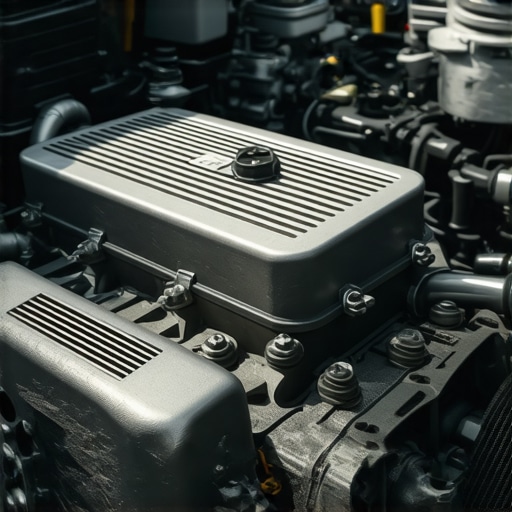
Have you ever turned the key or pressed the start button only to be greeted by that annoying tap-tap-tap sound from your engine? It’s one of those sneaky issues that catches you off guard—making you wonder if your car is about to die or if something more serious is lurking beneath the hood. I remember the first time it happened to me; I was late for an appointment and just hoped it was a fluke. But as I drove away, the tapping persisted, and I knew I had to dig deeper.
The Hidden Reason Behind That Start-Up Tap
The truth is, that tapping sound is often a sign that your engine’s hydraulic lifters are having trouble adjusting as your vehicle warms up. It’s not necessarily an emergency, but ignoring it can lead to bigger issues—like reduced engine performance or increased wear over time. When I first encountered this, I mistakenly assumed it was just normal engine noise, but I soon realized that little noises like this often carry important clues about your car’s health. After some research and a few trips to my mechanic, I learned that this problem can typically be traced back to low oil pressure or a need for a valve adjustment, especially in older engines. It’s impressive how such a small sound can tell a big story about your vehicle’s internal mechanics.
On that note, I want to share with you the exact steps I took to troubleshoot and resolve my engine tap. Whether you’re a seasoned car enthusiast or just a daily driver, understanding why your engine taps when you first start it can save you money and prevent roadside breakdowns. So, let’s explore what causes this noise, how to identify if it’s serious, and the simple fixes you can try before calling in the pros.
Is a Tapping Engine Actually Worth the Hype?
Honestly, I used to dismiss these noises as minor, but I quickly learned that neglecting them can cause more damage down the line. For instance, a misdiagnosed or ignored issue might lead to costly repairs like replacing valves or lifters. I made the mistake early on of assuming that all ticking sounds would go away on their own, but they only got worse—and more expensive—to fix. That’s why being proactive and understanding these signals is crucial. If you’d like to learn more about preventive maintenance and how to catch small issues before they turn into big problems, check out this guide on essential car service checks.
Now that we’ve set the stage, let’s move on to the practical steps to diagnose and fix that pesky tapping noise so you can get back to smooth, worry-free driving.
Prepare for the Inspection
Before diving into troubleshooting, ensure your vehicle is parked on a level surface with the parking brake engaged. Gather essential tools: a flashlight, socket set, and possibly a stethoscope or long screwdriver to listen to internal engine components. I remember a time I did this on my driveway after noticing the tap; I was initially overwhelmed but found that a systematic approach made the process manageable.
Listen Carefully to the Tapping
Start your engine and let it reach normal operating temperature. Using a long screwdriver or stethoscope, place the probe gently on various parts of the engine—valve cover, rocker arms, and lifters—while carefully listening for the source of the tap. This is like using a doctor’s diagnostic stethoscope to identify where a sound originates. If the tap is most pronounced at the top of the engine near the valve cover, it indicates a potential issue with the hydraulic lifters or valve clearance.
Check Oil Levels and Quality
Low or dirty oil can cause hydraulic lifters to malfunction, producing noise. Use the dipstick to verify oil level—aim for the full mark. If the oil looks dark or gritty, consider an oil change, especially if it’s been over 5,000 miles since the last one. Remember, oil acts like your vehicle’s blood; just as poor circulation can cause human health issues, insufficient oil pressure can lead to lifter noise. I once ignored a low oil level in my brother’s car, which resulted in a costly repair; keeping oil healthy is foundational.
Inspect for Oil Leaks and Pressure
Examine around the valve cover, oil filter, and oil pan for leaks; leaks often mean oil pressure drops, leading to noisy lifters. If your oil looks clean but the tap persists, it’s worth checking the oil pressure with a mechanical gauge—this step is crucial for confirming if oil pressure is adequate. Remember, low oil pressure can mimic other issues like worn timing chains or valve issues. For a more thorough approach, consult this guide for preventive maintenance tips.
Perform a Valve Clearance Test
If oil levels and pressure are fine, the next step involves measuring the valve clearance. You’ll need a feeler gauge set. Remove the valve cover, refer to your vehicle’s specifications for proper clearance, and check each valve’s gap. This process is akin to adjusting a guitar string; precise measurement matters. If clearances are tight, the valves might be rubbing or not closing fully, causing tapping sounds. In my case, I discovered that a simple valve adjustment restored smooth engine operation, saving me from an expensive repair.
Decide on Repairs or Professional Help
If you find that lifters are clogged, sticky, or the valves require adjustment beyond your comfort zone, it’s best to consult a professional. While DIY fixes can resolve minor issues, some aspects, like replacing hydraulic lifters or timing components, demand specialized tools and expertise. Visiting a trusted mechanic ensures proper diagnosis, preventing further damage. Remember, neglecting persistent noises can lead to more costly repairs, such as replacing entire valve assemblies.
Monitor After Fixes
Once repairs are made, start the engine and listen for any remaining noises. Allow the engine to run for a few minutes to confirm that the tap has disappeared. Periodic oil changes and regular inspections help prevent future problems. Proper maintenance is critical—consider scheduling a comprehensive check-up through credible service providers to keep your engine running quietly and efficiently.
Understanding these steps empowers you to take control of engine noises and avoid unnecessary breakdowns. If you want to learn more about maintaining your vehicle’s overall health, check out this ultimate guide for auto repair tips.

Don’t Fall for the Myth of Cheap Fixes
Many car owners assume that choosing the cheapest collision renewal or brake service guarantees saving money. However, this belief blinds you to the risks of subpar repairs that can lead to costly fix-alls down the line. In my experience, investing in reputable shops not only ensures quality work but also prolongs your vehicle’s lifespan. Cheaper options often cut corners—using inferior parts or rushing through diagnostics—which can compromise safety and durability. For instance, a poorly done brake replacement might seem like a bargain but can result in uneven wear or failure during critical moments. So, always prioritize trusted service providers, and remember that regular maintenance can save you much more than a quick fix today.
Beware the Fix-It-All Approach
A common misconception is that one quick repair will solve multiple issues, especially with transmission or auto electronics. This ‘one-size-fits-all’ mindset ignores the complexities of modern vehicle systems. For example, a transmission flush might seem like a universal remedy; yet, if the root cause is a failing sensor or worn clutches, flushing alone won’t rectify the problem. Overlooking diagnostic nuances can lead to recurring failures and increased expenditure. To truly ensure long-term reliability, tailored solutions—such as detailed inspections or component replacements—are essential. For expert insights on addressing transmission issues, check this comprehensive article.
Advanced question: Why do many car owners overlook subtle signs of impending auto repair needs?
Often, drivers dismiss minor symptoms—like unusual noises or subtle vibrations—as normal or insignificant, which is a mistake. These small cues can be the first indicators of bigger problems, such as internal wear, fluid leaks, or sensor failures. Recognizing and acting on these hints requires a nuanced understanding of vehicle behavior. According to experts in automotive diagnostics, early detection through vigilant observation can prevent catastrophic failures. Regularly reviewing collision renewal strategies helps you stay ahead of potential issues.
So, the next time you notice a slight change in your car’s performance, don’t ignore it. Proactive checks and professional diagnostics are your best tools for maintaining safety and avoiding unexpected breakdowns. Have you ever fallen into this trap? Let me know in the comments.
Keeping It Working: Essential Tools for Auto Repair Enthusiasts
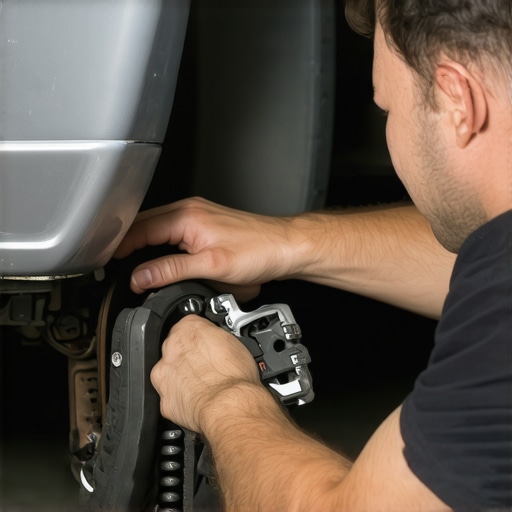
Maintaining your vehicle’s performance over time requires not only knowledge but also the right set of specialized tools. I personally swear by my digital inspection camera—it allows me to peek behind engine components without costly disassembly and helps me spot issues like oil leaks or corrosion early. A high-quality torque wrench is indispensable for ensuring bolts are tightened to manufacturer specifications, preventing over-tightening that can damage parts or under-tightening that risks failure. For diagnostic work, I rely on an OBD-II scanner that connects via Bluetooth to my smartphone; it provides real-time trouble codes and helps prioritize repairs efficiently.
In terms of software, I recommend using a comprehensive vehicle repair manual app, such as FORScan or Mitchell 1, which provide detailed diagrams, torque specs, and troubleshooting tips. These resources have saved me countless trips to the mechanic by guiding me through minor repairs and maintenance tasks step-by-step. Consistent documentation of your vehicle’s service history in these apps also ensures you stay ahead of potential issues, leading to longer-lasting repairs and better resale value.
Predicting the Future of Auto Maintenance Tools
Looking ahead, I believe automation and AI-driven diagnostics will increasingly become part of routine car care. Imagine an intelligent sensor ecosystem that continuously monitors wear and tear, alerting you about impending failures before symptoms even appear. Embracing these innovations now can optimize long-term costs and reliability, making vehicle maintenance more akin to health tracking for your car. For a glimpse of this trend, check out this guide on essential car service checks.
How do I keep my auto repair routine effective over time?
Establishing a regular maintenance schedule tailored to your vehicle’s manufacturer recommendations is crucial. I schedule oil changes, fluid checks, and brake inspections proactively—usually every 5,000 to 7,000 miles—is vital for early problem detection. Another tip is to invest in quality repair parts; using OEM or high-grade alternatives ensures durability, even if they cost a bit more initially. I also make a habit of keeping detailed logs of repairs and services; this practice aids both in troubleshooting future issues and in resale negotiations. For advanced DIY projects, consult trusted resources like this comprehensive auto repair guide to deepen your understanding and avoid common pitfalls.
If you’re eager to deepen your knowledge, try calibrating your vehicle’s sensors using a professional-grade scan tool. Proper calibration ensures safety features function optimally and prolongs component life. Remember, staying organized with your tools and records turns regular maintenance into a manageable and satisfying routine—ultimately saving you money and stress over the long haul.
Ready to improve your auto repair game? Invest in a quality diagnostic scanner and start learning what your car’s engine is telling you today. Precision tools combined with proactive habits will keep your vehicle performing smoothly for years to come.

Lessons I Didn’t Expect to Learn from a Small Engine Tap
Real-world experience taught me that the tiniest engine noise can reveal critical issues that, if left unchecked, might cost a fortune. I once ignored a faint tappet sound and paid the price with a major valve repair. The hard truth is, paying attention to subtle signals often saves you money and stress later on. Trusting my gut and getting expert advice early made a huge difference—something I now recommend to every driver aiming for vehicle longevity.
Another insight I gained is the importance of daily preventative checks. Simple habits like monitoring oil levels and listening for odd noises can keep small problems from snowballing. It’s like going to the doctor for a routine check—better safe than sorry. Developing this proactive mindset will empower you to catch issues before they escalate, turning maintenance into a form of self-care rather than a headache.
Lastly, I realized that investing in quality parts and trusted repair shops isn’t just about money—it’s about peace of mind. Cutting corners might save a buck now, but it often results in costly fixes down the road. When you prioritize reputable service providers and genuine components, you’re effectively giving your car the best chance to run smoothly longer, saving money and extending your vehicle’s life span.
Tools and Resources That Keep My Engine Running Smoothly
For anyone serious about vehicle care, I highly recommend a good digital inspection camera. It allows me to peek behind engine components without costly disassembly—spotting leaks and corrosion early. An accurate torque wrench ensures I tighten bolts to manufacturer specs, preventing over-tightening or loosening over time. Essential too is an OBD-II scanner, which helps me interpret trouble codes on the spot, avoiding unnecessary trips to the mechanic. These tools, along with detailed repair manuals like Mitchell 1, have transformed my approach to auto maintenance, making it more effective and satisfying.
Looking toward the future, I believe that AI-powered diagnostics and smart sensors will revolutionize auto repair. Imagine sensors that alert you to technical issues before symptoms emerge—saving big bucks and keeping you safe. Embracing these innovations now means staying ahead of problems, turning auto repair from reactive to proactive. For further insights on maintaining your vehicle, explore this guide on essential car service checks.
Take Charge and Keep Your Engine Quiet
Your vehicle’s health depends on your vigilance, patience, and proactive maintenance. Small steps today—like regular oil changes, listening for engine noises, and using the right tools—can ensure your car remains a reliable companion on the road. Remember, the most effective auto repair routine is one built on knowledge, quality, and attention to detail. So,invest in your vehicle’s future, stay curious, and don’t delay that visit to a trusted mechanic when something feels off. Your engine—and your wallet—will thank you for it.