

I remember the first time I felt that subtle, annoying tug. I was driving down I-485 in Charlotte, relaxed and enjoying the music, when I momentarily loosened my grip to grab a coffee. Within three seconds, my car was practically aiming for the ditch. It felt like my steering wheel was possessed by a spirit that really, really wanted to see what was in the bushes on the right side of the road. I tried to convince myself it was just the wind or maybe a slightly slanted road surface, but deep down, I knew something was off with my maintenance routine. If you’ve ever found yourself constantly correcting your path just to stay in your lane, you know exactly how exhausting and nerve-wracking it can be. We’re going to get to the bottom of why your car behaves like a stubborn mule and how you can stop the tug-of-war for good.
Stop Fighting Your Steering Wheel Every Mile
When I first started tinkering with my own vehicles, I assumed a pull to the right was always just a bad alignment. I took my car in, paid for the service, and within a week, the pull was back. It turns out, I was ignoring the bigger picture of overall auto repair and how integrated every system truly is. Sometimes the issue isn’t even the tires; it could be a dragging brake caliper or even a failing CV axle that is creating uneven resistance. According to the Car Care Council, an organization dedicated to consumer education, poor wheel alignment doesn’t just make driving annoying—it can actually decrease your fuel efficiency by up to 10% because of the added rolling resistance. That’s money literally dragging on the pavement. Today, we aren’t just looking at the surface symptoms; we are diving into the mechanical “whys” so you don’t end up wasting cash on parts you don’t need, like I did during my early DIY days.
Is a Professional Alignment Actually Worth the Hype?
I’ll be the first to admit I’m a bit of a skeptic when a shop tells me I need a “standard” package. I once spent $120 on an alignment only to discover the real problem was that I hadn’t noticed my brake fluid level dropping because of a tiny leak that was causing one side to engage differently. It was an embarrassing rookie mistake that I won’t let you repeat. You might be wondering if you can just handle this at home, and while you can certainly check your own wheel alignment using a piece of string to get a baseline, there are times when the precision of a laser system is the only thing that will save your tires from premature balding. My goal is to help you figure out when you can grab a wrench yourself and when it’s time to call in a pro for a serious car service check. Have you ever felt that sinking feeling in your stomach when you realize your car just won’t stay straight no matter how hard you hold the wheel? It is a common frustration, but it is one we are going to fix today by looking past the obvious.
Diagnose the Pull Without Losing Your Sanity
I used to think my car was just being dramatic, but mechanical issues are rarely about personality. The first thing you need to do is rule out the obvious. I once spent two hours looking at suspension bushings only to realize my front-left tire was just 8 PSI lower than the right. It felt like I was rowing a boat with one oar. Before you start buying parts, check your tire pressure against the sticker inside your driver-side door jamb. Even a small variance creates uneven rolling resistance. If your pressure is perfect but you still feel a tug, you might be dealing with the truth about nitrogen in your tires versus regular air—temperature swings can affect pressure differently if you have a mix. 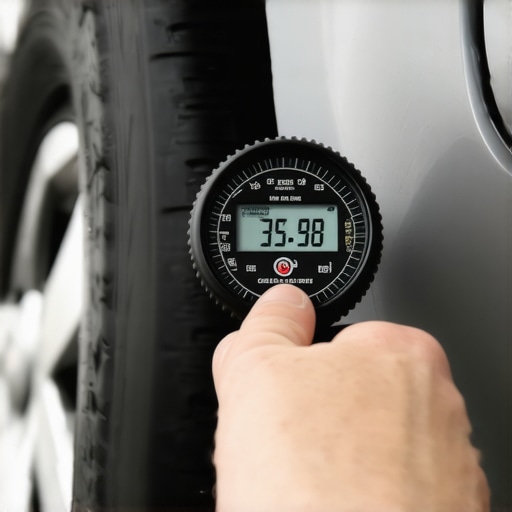
Look for Hidden Drag in Your Braking System
If the pressure is fine, your next stop is the braking system. A dragging brake caliper is a sneaky thief that steals your momentum and pulls your car to one side. I remember a specific weekend working on an old sedan where the car would veer right every time I coasted. The culprit was a piston that wouldn’t fully retract, essentially keeping the brake pads lightly pressed against the rotor. This creates heat and friction that forces the car to lean in that direction. You can often smell this—it’s a distinct, acrid scent similar to burning electronics. If you notice the pull gets worse after a long drive, you should look into choosing the best brake service to ensure your calipers are sliding freely. If the pull only happens when you actually step on the pedal, check out why your car pulls to the right during heavy braking specifically, as that points to a hydraulic or pad-wear issue rather than a mechanical hang-up.
Identify Failing Parts Before They Snap
Sometimes the pull isn’t a constant force but a vague, wandering sensation. I call this the “ghost in the machine.” It usually happens when a ball joint or a tie rod end starts to develop play. I once had a subframe clunk that I swore was a dead transmission, but it turned out to be a loose mounting bolt. You can usually tell if that subframe clunk is just a loose bolt by having a friend watch the wheels while you toggle the steering wheel back and forth. If the wheel moves before the car reacts, something in your linkage is tired. This is also where you need to distinguish between a pull and a vibration. If the steering wheel is shaking while it pulls, you should investigate why your car vibrates specifically when you hit 65 mph, as this often indicates a wheel balance issue or a failing CV axle.
Don’t Ignore the Subtle Transmission Clues
It sounds strange, but your drivetrain can actually influence your steering. If you have an all-wheel-drive vehicle or a front-wheel-drive car with a failing differential, power might not be distributed evenly to the wheels. This creates “torque steer,” where the car yanks to one side during acceleration. While this is less common than a bad alignment, it’s a vital part of top transmission repair tips for long-term vehicle reliability. If you notice the pull changes depending on whether you are hitting the gas or coasting, the issue might live inside your gearbox or transaxle rather than your tires. I learned this the hard way when I replaced a perfectly good set of tires only to realize my transmission was hunting for gears and creating uneven drag on the drive wheels. Always check the fluid levels first, and you can even learn the easy way to check your transmission fluid without a dipstick to ensure everything is lubricated properly before diving into expensive repairs.
The Alignment Machine Might Be Lying to You
Most drivers assume that if the printout from the shop shows all green, the car should track straight as an arrow. I used to believe that too, until I realized that a ‘perfect’ alignment on paper doesn’t account for radial tire pull. Everyone says to get an alignment the moment you feel a tug, but in my experience, the tires are often the primary culprit, not the suspension geometry. If the internal belts of a tire are even slightly offset, it creates a conical shape that forces the car to one side regardless of how straight the wheels are pointed. You can test this yourself by swapping the front two tires; if the pull changes direction, you’ve found your ghost. This is one of the hidden suspension issues that a standard wheel alignment wont fix, and it’s why I always tell people to rotate their tires before shelling out for a laser alignment.
The Expensive Trap of Cheap Suspension Parts
I’ve seen a lot of DIYers fall into the ‘savings trap’ by ordering the cheapest control arms or tie rods they can find online. I once helped a neighbor install a bargain-bin steering rack, and no matter what we did, the car felt ‘heavy’ and refused to return to center after a turn. This is called memory steer. It happens when low-quality bushings or joints have too much internal friction, or ‘stiction.’ When you’re looking into overall auto repair, saving $40 on a part can result in a car that is physically exhausting to drive. Furthermore, the truth about aftermarket vs oem body panels applies to mechanical parts too—tolerances of just a few millimeters can throw off your scrub radius and lead to a permanent, unfixable pull. Don’t let a ‘deal’ turn into a long-term headache.
Does Your Steering Wheel Need a Digital Reset?
In older cars, the steering was purely mechanical, but in modern vehicles, the ‘brain’ of the car is constantly involved. Have you ever considered that your power steering motor might be actively pulling you into the ditch? According to the Automotive Service Association (ASA), modern Electronic Power Steering (EPS) systems rely heavily on a Steering Angle Sensor (SAS). If you have work done on your suspension and the mechanic doesn’t perform a ‘zero-point calibration,’ the car may think the wheel is turned when it’s actually straight. The system then ‘corrects’ the steering, creating a persistent pull that no amount of physical wrenching will solve. This is why your cars safety sensors need a reset after any significant front-end work. 
Mastering the Nuances of Collision Recovery
If your car started pulling after a minor curb hit or a fender bender, the issue might be deeper than a simple tie rod. Structural integrity plays a massive role in how a car handles. Sometimes, the ‘pull’ is actually the frame being slightly out of square, which requires advanced collision renewal strategies to diagnose. Professional shops use frame measuring systems that are accurate to the millimeter because even a tiny tweak in the subframe can make a car feel unstable at highway speeds. If you’ve addressed the tires, the alignment, and the brakes but the car still feels ‘off,’ it might be time for a deep dive into the chassis. Have you ever fallen into this trap where you replaced part after part only to find the problem was something digital or structural? Let me know in the comments. Before you commit to another expensive brake service or suspension overhaul, make sure you’ve ruled out these high-level technical nuances first.
The Gear That Separates Amateurs From Pros
I used to think a basic socket set was all I needed to be the master of my driveway, but the moment I started dealing with modern steering and suspension, I realized how wrong I was. If you want to stop guessing why your car is drifting, you need to invest in a bidirectional OBD2 scanner. I personally use a mid-range Autel unit because it allows me to perform an Electronic Power Steering (EPS) reset myself. Without this, even a perfect physical alignment might be ignored by the car’s computer, which is a critical step often missed in overall auto repair. Another non-negotiable tool in my box is a high-quality split-beam torque wrench. I’ve seen too many DIYers ‘gut-tighten’ their control arm bolts while the car is on jack stands. This is a massive mistake. According to the SAE International Standard J670, suspension components should ideally be torqued at ‘ride height’ to prevent the bushings from pre-loading and tearing. If you tighten them while the wheels are hanging, the rubber is under constant stress, which will lead to a wandering sensation within months. 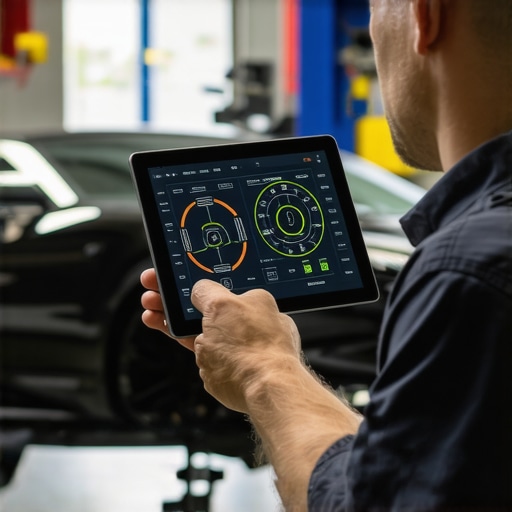
How Can You Keep Your Steering Precise for the Long Haul?
Maintaining that ‘new car’ tight steering feel isn’t about luck; it is about a specific rhythm of inspections. I recommend doing a ‘dry park test’ every six months—have someone wiggle the steering wheel while you look at the linkage with a flashlight. If you see even a millimeter of play in the tie rods, you are losing precision. This is a core part of essential car service checks that prevents small wobbles from turning into expensive tire replacements. You should also be looking at your drivetrain’s health, as a gearbox that is struggling can create subtle drag. I always suggest following top transmission repair tips for long-term vehicle reliability, which includes checking your levels regularly. Even if your car is a modern ‘sealed’ unit, you can usually find the easy way to check your transmission fluid without a dipstick by using the overflow plug method. Looking ahead, I predict we’ll soon see AI-integrated dash cams that alert you to alignment drifts before you even feel them in the wheel, but for now, your best defense is a proactive wrench. If your car has been through a rough patch, you might need advanced collision renewal strategies to ensure the subframe hasn’t shifted. My advanced tip for you today? Before you book your next brake service, perform a ‘zero-point calibration’ on your steering angle sensor if you have the tool—it’s the single best way to ensure your car’s brain and wheels are speaking the same language. If you’re stuck or need a recommendation on which scanner to buy, feel free to contact us directly.
Hard Truths I Learned Chasing Steering Ghosts
After years of turning wrenches, I’ve realized that a car pulling to one side is rarely a ‘set it and forget it’ fix. Here are three things I learned the hard way:
- Static alignment is only half the battle: An alignment machine measures your car while it sits still. In reality, worn bushings can deflect when you’re actually hitting a bump at 60 mph, making a ‘perfect’ alignment feel terrible on the road. This is a crucial nuance in overall auto repair.
- Tires have a memory: If you drive for months with a bad alignment, your tires wear into a specific pattern. Even after you fix the suspension, the tires will try to pull the car back into the old, bad habit.
- The computer is your new steering link: On modern cars, if the Steering Angle Sensor isn’t recalibrated, the Electronic Power Steering might fight your physical repairs.
The Gear That Changed My DIY Game
I don’t recommend buying every tool in the catalog, but these three have saved me hundreds of hours of frustration:
- A Split-Beam Torque Wrench: Vital for ensuring your control arms are torqued at ride height, which is a staple of essential car service checks.
- A Bidirectional OBD2 Scanner: Necessary for resetting that stubborn steering angle sensor.
- A High-Accuracy Digital Pressure Gauge: Because even 2 PSI of difference can mimic a mechanical failure.
#IMAGE_PLACEHOLDER_E#
If you’re dealing with deeper drivetrain issues, always reference top transmission repair tips for long-term vehicle reliability to rule out torque steer.
Drive Straight and Reclaim Your Confidence
Driving should be effortless, not a constant struggle against the wheel. Whether you’re booking a specialized brake service to fix a dragging caliper or using advanced collision renewal strategies to check a tweaked frame, the peace of mind is worth the effort. You deserve a car that works with you, not against you. Have you ever replaced a part only to find out the real issue was just a tire pressure mismatch? Let me know in the comments below, or contact us if you’re stuck on a specific diagnosis!