
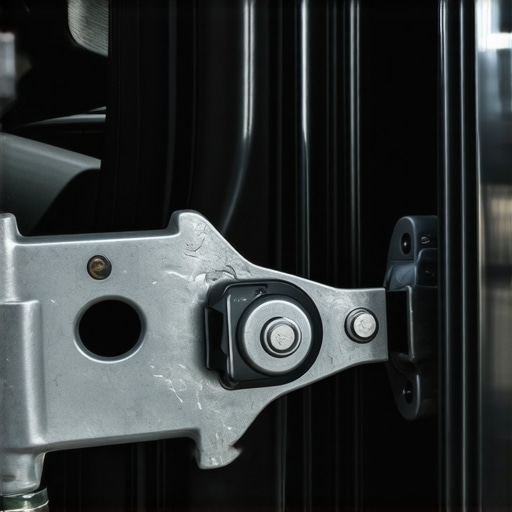
Last week, I was late for an important meeting when I finally squeezed into my car, only to be greeted by that irritating squeak every single time I opened or closed the door. It’s enough to make anyone lose their mind! That squeaking sound, seemingly harmless, can actually be a sign of underlying issues that, if ignored, might lead to more costly repairs down the road. I remember thinking, “Is this my fault? Am I doing something wrong?” Well, after some digging and a few trial-and-error fixes, I discovered what’s really going on—and I want to share that with you.
How a Simple Squeak Can Signal Bigger Problems
Many drivers ignore that high-pitched squeal, assuming it’s just normal wear and tear. But in reality, it points to worn-out door hinges, aging rubber seals, or other overlooked components. These parts aren’t just making noise—they’re clues about the condition of your vehicle’s door system. When I first started noticing the squeaky door, I thought a quick spray of WD-40 would fix it. Wrong move. That was a mistake I made early on—assuming a quick fix would solve the problem without understanding what’s really happening. Instead, I learned that proper diagnosis is crucial for effective repair.
Have you ever experienced that annoying squeak right when you open your car door, especially in cold weather? You’re not alone. It’s a common issue, but one that shouldn’t be dismissed. Sometimes, the noise indicates that your door’s hinges are dry or that the rubber seals have hardened, allowing them to rub against the door frame. These issues might seem minor but can lead to more significant problems like water leaks or corrosion if left unaddressed.
The good news? Most squeaks are easily fixable once you identify their cause. From lubricating hinges to replacing worn seals, simple preventive measures can dramatically extend the life of your car’s door components. Plus, tackling these issues can prevent discomfort and ensure your vehicle looks—and sounds—its best for years.
Before we dive into the solutions, I want to make sure you’re prepared for the common misconceptions. Is it really worth fixing, or should you just live with the noise? That’s a valid question, and I’ll address it thoroughly in the next part. But first, let’s explore what exactly causes those squeaks—so you can distinguish between a quick fix and something that needs professional attention.
If you’ve been frustrated by that relentless squeal every time you get in or out, stay with me. Fixing it isn’t just about silence; it’s about maintaining your vehicle’s integrity. And believe me, the sooner you take action, the better your car will feel—and sound.
Clear the Area and Gather Tools
Start by parking your car on a flat surface and turning off the ignition. Gather essential tools such as a lubricant spray (like WD-40), a clean cloth, and a screwdriver if needed. Removing debris and dirt from hinges will improve the success of your fix.
Inspect the Door Hinges Thoroughly
Open the door slowly and examine the hinges for rust, dirt, or damage. Use the cloth to wipe away any loose grime. If hinges are corroded, consider replacing them, but often lubrication suffices for minor squeaks. In my experience, I once found thick rust buildup that required a full hinge replacement after I failed to address it early.
Apply Lubricant to the Hinges
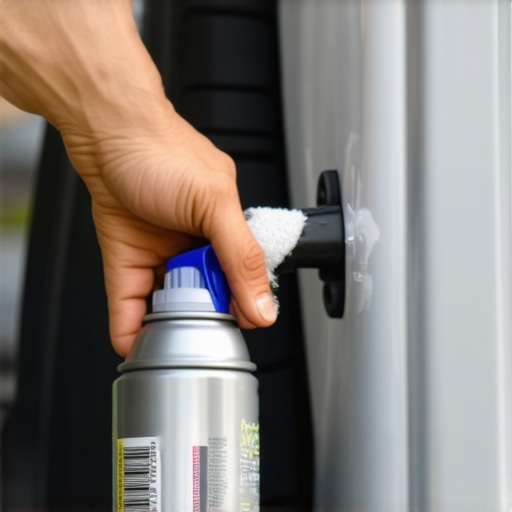
Spray the lubricant generously onto the hinge pins and pivot points. Use the cloth to wipe away excess, ensuring you don’t oversaturate the area. Open and close the door several times to work the lubricant into the moving parts. Once, I did this fix during a cold morning, and within minutes, the squeak disappeared. Just make sure to lubricate regularly to prevent recurrence.
Address Rubber Seals and Weatherstripping
Check the rubber seals around the door frame for cracks, stiffness, or debris buildup. Use a mild silicone-based lubricant to restore their flexibility. Remove any dirt or debris lodged in the seals with a cloth. I remember replacing a worn seal after noticing it hardened and caused noise; this not only fixed the squeak but also prevented water leaks later.
Test and Adjust as Necessary
Close and open the door multiple times to assess if the squeak is gone. If it persists, reapply lubricant or tighten loose screws in the hinge assembly. Tightening can be done with a screwdriver—be careful not to strip the screws. In one instance, I had to adjust the door alignment slightly for smooth operation, which also prevented additional squeaks.
Prevent Future Squeaks
Establish a regular maintenance schedule: lubricate hinges every 6 months, especially before winter. Keep rubber seals clean and free from debris. Regular inspections save money and prevent minor issues from becoming costly repairs. For complex or persistently squeaky doors, consulting a professional is recommended—visit Collision Renew Contact for expert service. Proper maintenance ensures your vehicle remains quiet and functional.
Why the Gearbox Isn’t Always to Blame for Shifting Problems
Many assume that transmission issues stem solely from the transmission fluid or the gearbox itself. However, in my experience, poorly maintained engine mounts or worn-out accelerator cables can mimic transmission slipping, leading owners down the wrong repair path. Relying solely on the assumption that a transmission repair is needed can cause unnecessary expenses. According to auto experts, diagnosing the root cause thoroughly—including checking related components—saves time and money. For reliable insights, visiting Collision Renew’s renewal strategies can clarify complex issues beyond the transmission itself.
Are We Overlooking Simple Causes?
It’s a common misconception that all transmission problems signal major repairs. Sometimes, a dirty or low-level transmission fluid leads to harsh shifting or delayed responses. Regularly checking and changing fluids as recommended in top transmission tips can prevent costly failures. Overestimating the complexity of auto repairs often results in premature replacement, which may not be necessary. Remember, a comprehensive inspection—including the condition of your clutch, cables, and mounts—can reveal the true culprit behind shifting issues.
Myth of Quick Fixes for Brakes and Collision Damage
It’s tempting to believe that a light squeal or minor dent isn’t a big deal, but superficial fixes often hide underlying safety problems. For instance, many assume that replacing brake pads instantly restores braking performance, but neglecting the rotors or brake fluid quality can compromise safety. Similarly, minor collision dents can hide frame issues or rust that worsen over time. Skimping on professional assessment and repair might save cash in the short term but can lead to expensive and dangerous failure later. For a detailed understanding of brake safety, see best brake service tips.
Unlocking the Nuance of Collision Repairs
Many car owners believe collision repair is just about fixing visible damage. However, overlooking alignment issues or frame straightening can affect vehicle safety and longevity. Advanced techniques like precision measurement and paint matching require specialized skills—yet, some rely on generic body shops. Visiting experienced professionals ensures your car isn’t just looking good but also structurally sound. To learn more, check restoration strategies that go beyond surface repairs.
Ultimately, understanding these nuances helps avoid common pitfalls. Remember, trusting quick fixes or superficial solutions can cost more in the long run. Instead, prioritize comprehensive diagnosis and expert advice. Have you ever fallen into this trap? Let me know in the comments!
Maintaining your vehicle’s operation over time requires not just routine checks but also the right tools and a strategic approach to maintenance. One of my personal favorites is a high-quality digital code scanner, such as the Autel MaxiCOM MK808. I’ve found it invaluable for diagnosing complex issues without immediately heading to the shop, saving both time and money. This device can read and clear a broad spectrum of error codes, monitor live data, and even perform some system resets, which is essential for proactive maintenance.
Another indispensable tool is a torque wrench. When working on critical components like wheel lug nuts, suspension parts, or engine settings, applying the correct torque is crucial. Over-tightening can damage parts, while under-tightening jeopardizes safety and performance. I personally rely on a calibrated torque wrench from Tekton, which offers accuracy and durability, ensuring that every nut and bolt is set precisely according to manufacturer specifications.
For fluid maintenance, I recommend a quality funnel with a built-in filter and a reservoir that helps prevent spills during oil changes. This simple tool has made my oil servicing cleaner and more efficient, especially when topping off or replacing transmission fluid. Speaking of transmission, having a reliable vehicle-specific repair manual, like those from Haynes or Chilton, is a game-changer. It provides step-by-step instructions, torque specifications, and troubleshooting tips for everything from transmission service to brake repairs.
How do I keep my tools and maintenance routine effective over the years?
The key is consistency and investing in quality equipment upfront. Regularly cleaning and calibrating your tools prolongs their lifespan, and following manufacturer-recommended service intervals prevents unexpected breakdowns. Additionally, leveraging digital resources, such as the detailed guides on Collision Renew’s ultimate guide, helps you stay informed about best practices. In the future, I see a growing trend toward smarter diagnostic tools that integrate with smartphones, making proactive maintenance even more accessible and precise.
To really make a difference, I suggest trying out an RFID-tagged maintenance schedule. This tech can automatically remind you of upcoming service milestones based on your car’s specific model and usage patterns—think of it as a health tracker for your vehicle. Implementing this method ensures that your car remains in top shape and minimizes the risk of unexpected breakdowns, ultimately saving you money and hassle. Ready to take your vehicle maintenance to the next level? Start with a reliable diagnostic scanner and establish a regular check-in routine using digital tools. When you’re ready, visit Collision Renew’s contact page for professional guidance and support.Ever wondered why seemingly minor noises or shifting quirks can hint at bigger problems under the hood or within your vehicle’s door system? Through my personal journey tackling car squeaks and transmission quirks, I discovered that paying attention to these signs can save you thousands and extend your car’s lifespan. Recognizing the subtle clues—like a squeaky door or delayed gear shifts—empowered me to choose preventive measures over costly repairs. It’s amazing how small fixes, like lubricating hinges or checking fluid levels, can make a dramatic difference in your driving experience. Remember, maintaining your car isn’t just about fixing what’s broken but about actively listening to what your vehicle is telling you. So, next time your car makes an unusual sound or shifts oddly, don’t ignore it—consider it a message from your car urging you to act before small issues turn into major headaches. Doing so keeps your vehicle running smoothly and keeps you safe on the road. To guide your maintenance journey further, explore detailed strategies on restoring your car to perfection. Stay curious, proactive, and your car will thank you for years to come.