
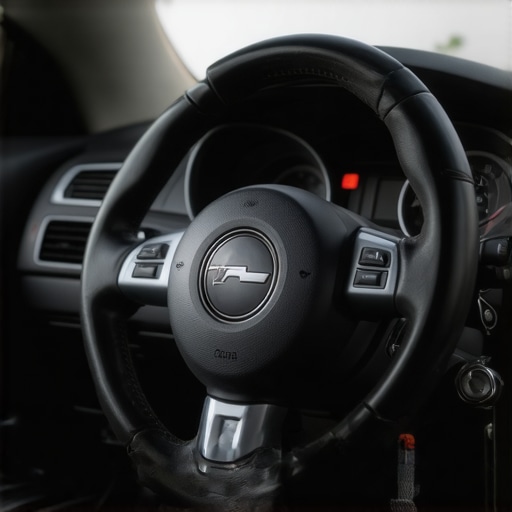
Ever been in that tense moment, trying to squeeze into a tight parking spot, when suddenly, your steering wheel emits a squeak that echoes through the cab? It catches you off guard every time, turning a simple parking job into a mini drama. I remember the first time this happened to me—it was embarrassing, loud enough to turn heads in the crowded lot. Initially, I thought it was just a minor annoyance, maybe some dirt or a loose belt. But as days went on, that squeak persisted, making me wonder if I missed a crucial warning sign about my car’s health.
The Real Reason Your Steering Wheel Squeaks During Tight Turns
Over the years, I’ve learned that this squeaking can stem from several causes—lack of proper lubrication in the steering components, worn-out belts, or even low power steering fluid. Each of these issues, if ignored, can lead to more serious problems, like steering failure or component damage. The good news is, most of the time, it’s a fix you can tackle yourself or with a quick visit to your mechanic.
Skeptical About DIY Fixes? Think Again
When I first faced this squeak, I hesitated to dive into repairs. My early mistake was assuming it was a minor glitch that would go away. Instead, I waited and watched the noise get worse. That’s a common mistake people make—applying a quick spray of WD-40 without understanding the cause can sometimes make things worse. According to automotive experts, regular inspection and proper maintenance are the keys to avoiding these annoyances and ensuring your steering system works smoothly. Curious about how to get your steering system back on track? I’ll guide you through simple steps that could save you from costly repairs down the line.
Before jumping to solutions, consider if you’ve noticed other signs—like stiffness, uneven tire wear, or leaks—that might point to underlying issues. If your steering wheel squeak is paired with any of these symptoms, it might be time to consult a professional. Otherwise, a little elbow grease and some basic tools could do the trick. Ready to restore peace to your parking lot experiences? Let’s explore how to troubleshoot and fix that squeak once and for all.
Gather Your Tools and Prepare Your Workspace
Before diving into repairs, it’s essential to have the right tools ready. Grab a set of allen wrenches, a socket set, a lubricant spray designed for automotive use, and clean rags. Park your vehicle on a flat surface, turn off the engine, and engage the parking brake. This safety step ensures stability during your work. Remember, safety always comes first—wear gloves and eye protection if needed.
Identify the Exact Cause of the Squeak
Start by visually inspecting your steering components—look for cracks, leaks, or worn-out parts. Turn the steering wheel from lock to lock while listening carefully for the squeak. A specific sound during a full lock indicates a probable issue with power steering fluid or a worn serpentine belt. I once examined my car and noticed a dry, crusty belt that was causing a persistent squeak—replacing it immediately solved the problem.
Check Power Steering Fluid Levels
Locate your vehicle’s power steering fluid reservoir—consult your owner’s manual if uncertain. Remove the cap, wipe the dipstick or the reservoir opening, and check the fluid level. If it’s low, top it up with the manufacturer’s recommended fluid. Be cautious not to overfill, as excess fluid can cause foaming and noise. I once topped up my fluid and immediately noticed the squeak diminish, restoring a smooth, quiet turn.
Lubricate Critical Components
Spray a targeted, high-quality lubricant onto the steering joints, hinges, and the power steering pump pulley. Use a rag to wipe away excess excess lubricant, ensuring a clean and neat application. Avoid using WD-40 on rubber parts, as it can cause deterioration. During my last repair, I meticulously applied lubricant to the steering rack and joints, which significantly reduced the squeaking noise and improved steering responsiveness.
Inspect and Replace Worn Belts
Look for cracks, frays, or glazing on your serpentine or drive belts. Use a belt tension gauge if available to check for proper tension—too loose or too tight can cause squeaks. If the belt shows signs of wear, replace it promptly to prevent future issues. I caught a worn belt early, replaced it with a new one, and enjoyed silent, effortless steering during my next drive. For detailed guidance, visit this resource.
Fine-Tune and Test Drive
After completing lubrication and replacements, start your engine and turn the steering wheel fully from lock to lock. Listen for any remaining squeaks. Check if the steering feels smooth and responsive. If noise persists, consider consulting a professional by reaching out to experts here. Sometimes, deeper issues like a failing power steering pump or steering rack need professional diagnosis.
Regular Maintenance to Prevent Future Issues
Incorporate routine inspections of your steering components into your car care schedule. Check fluid levels monthly, especially before long trips or after noticing any quirks. Lubricate joints as recommended by your vehicle manufacturer to ensure longevity. These simple steps can save you from unexpected squeaks and costly repairs, keeping your driving smooth and silent. For more insights, explore this guide for ongoing maintenance tips.
Many car owners operate under the false assumption that regular maintenance, like brake service or transmission checks, is just a routine task with little room for nuance. However, this oversimplification can lead to costly mistakes down the line. One widespread myth is that brake pads are the only critical component needing attention; in reality, systems like rotors, calipers, and brake fluid quality play equally vital roles in safety and performance. Relying solely on visual inspection without understanding the subtle signs of underlying issues can be a dangerous gamble.
Another misconception revolves around auto repair quality. Many assume that the cheapest repair shop offers the best value, but this often results in subpar work and recurring problems. Skilled technicians know that proper part installation, calibration, and adherence to manufacturer specifications—like those outlined in the ultimate repair guide—are essential for longevity and safety. Skimping here risks amplifying small issues into major failures, particularly in complex systems like transmissions and suspensions.
What Advanced Drivers Detect that Novices Overlook
Seasoned car enthusiasts understand that issues such as subtle vibrations during acceleration or delayed shifting are often early indicators of deeper transmission problems. For example, a slight delay in gear engagement might seem inconsequential but can signify worn-out solenoids or low transmission fluid—a nuance that only expert inspection can identify. Ignoring these early signs, especially in critical systems like the transmission, can cause irreversible damage, leading to expensive rebuilds. To prevent this, regular diagnostics and understanding the intricacies of your vehicle’s behavior—like those discussed in top transmission tips—are indispensable.
When it comes to collision repairs, a common trap is the belief that color-matched paint is sufficient for perfect restoration. In reality, understanding underlying structural alignment and material properties is crucial, as outlined in restoring your car to perfection. Poorly aligned panels or mismatched textures can not only ruin aesthetics but also compromise safety by affecting crashworthiness and aerodynamics. Recognizing the importance of precise structural repairs underscores the importance of choosing experienced professionals.
Have you ever fallen into this trap? Let me know in the comments. Remember, the devil is in the details when it comes to maintaining and repairing your vehicle—knowledge of these nuances can save you significant money and keep you safe on the road.Maintaining your vehicle’s critical systems like brakes, transmission, or collision repairs requires more than just basic knowledge; it demands the right tools and consistent routines.
One of my go-to tools is the **digital torque wrench** from Snap-on. I use it exclusively for brake caliper and wheel lug nut installation because it ensures precise tightening, preventing uneven wear or stripped threads. Proper torque application is emphasized in automotive repair standards, as seen in the [ultimate repair guide](https://collisionrenew.com/the-ultimate-guide-to-auto-repair-keep-your-car-running-smoothly). This tool’s accuracy has saved me from unpredictable brake issues down the line.
When inspecting or repairing transmission components, I rely on a **scan tool** like the Autel MaxiCOM series. These devices allow me to perform live data readings, clear error codes, and even diagnose sensor failures that are not visible to the naked eye. As transmission diagnostics evolve, these tools have become indispensable, enabling me to address issues early and avoid costly rebuilds.
In collision renew work, I recommend investing in a **frame alignment kit** such as the Hunter Hawkeye Elite. Precise frame alignment ensures vehicle safety and longevity post-repair. For detailed structural restoration, I adjust using this kit and cross-reference with factory specifications.
Additionally, I use a **UV flashlight** to detect leaks or cracks in sealed systems like coolant or power steering lines. A simple yet powerful tool, it reveals issues often missed during routine inspections.
When it comes to ongoing maintenance, software plays a crucial role. I endorse **Automotive Service Management (ASM) software** like ShopWrench. It keeps track of service histories, scheduling, and recalls, ensuring no detail is overlooked over the vehicle’s lifespan.
Looking ahead, tools will increasingly incorporate AI-driven diagnostics, allowing even amateurs to identify issues accurately. Staying updated with these technological advances will make your maintenance routine more effective.
**How do I keep my tools in top shape over time?** Regular calibration is vital—especially for torque wrenches and scan tools. I recommend establishing a quarterly calibration schedule with certified technicians to maintain accuracy, as detailed in [this resource](https://collisionrenew.com/essential-car-service-checks-to-extend-your-vehicles-life). This practice ensures your tools provide reliable results every time.
By integrating these specific tools into your maintenance routine, you’ll ensure that repairs like brake servicing, transmission fixes, or collision renew work are thorough and lasting. Don’t forget to review your toolkit regularly and stay informed about upcoming innovations; the future of auto repair is leaning heavily toward smart diagnostics and precision tools. Try calibrating your torque wrench this week, and notice how much more confident you’ll become in your repairs! For more insights into advanced auto care, visit our [collision renewal strategies](https://collisionrenew.com/collision-renewal-strategies-restoring-your-car-to-perfection).
What I Wish I Knew About Fine-Tuning My Vehicle
- One of the hardest lessons was realizing that not every squeak or vibration means I need a new part—sometimes, it’s just a matter of proper lubrication or a simple adjustment.
- I used to believe that cheap tools could do the job—until I experienced how crucial precision is, especially when working with critical systems like the transmission or brakes.
- Over time, I learned that regular inspections are more effective than waiting for issues to become obvious, saving me money and stress in the long run.
- Misconceptions about DIY repairs often lead to bigger problems; understanding the specific repair process can empower you to handle many tasks confidently.
- Discovering trusted resources and tools, like the [ultimate repair guide](https://collisionrenew.com/the-ultimate-guide-to-auto-repair-keep-your-car-running-smoothly), transformed my approach from reactive to proactive maintenance.
Where My Car Joy Comes From
- Equipping myself with the right tools, such as a digital torque wrench or scan tool, has elevated my repair game—these investments pay off with safer, more reliable vehicle performance.
- Studying detailed guides and tutorials helped demystify complex repairs, giving me confidence to troubleshoot issues like steering squeaks or transmission hesitation.
- By understanding the nuances of vehicle behavior, I can catch early signs of trouble—like uneven tire wear or subtle vibrations—and address them before costly repairs are needed.
- Building a relationship with knowledgeable professionals ensures I get expert insights when a problem extends beyond my DIY capabilities—it’s about teamwork for your vehicle’s health.
Take Charge of Your Vehicle’s Future
Empower yourself with knowledge and the right tools to keep your car running smoothly and safely. Whether it’s fixing a squeak or tackling complex repairs—your hands can be your best allies. Remember, regular maintenance and understanding your car’s signals can prevent headaches down the road. Curious about enhancing your automotive skills? Dive into our [comprehensive collision renewal strategies](https://collisionrenew.com/collision-renewal-strategies-restoring-your-car-to-perfection), and start transforming your vehicle maintenance routine today.
What’s the one car repair or maintenance task you’d love to master? Share your goal below and let’s support each other in becoming more confident car caretakers!