
Picture this. It is 6:30 on a freezing Tuesday morning, and your breath is fogging up the windshield. You let the engine warm up for a minute, shift into reverse to back out of your driveway, and press the gas pedal. Instead of moving, the engine just revs. Your heart sinks. After a few agonizing seconds of high RPMs, the transmission finally catches with a jarring thud and jerks you backward. I know that exact gut-wrenching feeling because I ignored that very symptom years ago on my old sedan, thinking it was just a harmless winter quirk. It ended up costing me a brand-new transmission.
The Freezing Wake-Up Call You Can Not Afford to Ignore
When the temperature drops, every fluid in your vehicle thickens, but your transmission is particularly sensitive to these cold starts. If you are noticing hesitation, a delay in engagement, or sudden RPM spikes before your car actually moves, your car is trying to tell you something critical. Today, we are going to dive deep into exactly why cold weather triggers this frustrating slip, how to diagnose the root cause before you get stranded, and what you can do to save your gearbox from an early grave. Understanding these symptoms early is one of the top transmission repair tips for long-term vehicle reliability.
Is a cold transmission slip really just a minor winter glitch?
It is incredibly tempting to convince yourself that a cold car simply needs to stretch its legs. You might think that once the engine warms up and the shifting returns to normal, the danger has passed. That was my exact mistake. I assumed the thick fluid just needed to circulate. However, a slipping clutch pack or low fluid level is actively wearing down your internal components every single second it slips. According to transmission experts at the Automatic Transmission Rebuilders Association (ATRA), over 90% of all automatic transmission failures are directly caused by fluid degradation and overheating—which often starts with cold-start friction. If you want to know if you are dealing with a simple electronic hiccup or a mechanical nightmare, you need to learn how to tell if your transmission is slipping or if its just a sensor before scheduling an expensive tear-down.
Why Cold Weather Exposes Weaknesses in Your Gearbox
Cold temperatures cause materials to contract and fluids to become highly viscous. If your transmission fluid level is even slightly low, or if the fluid is old and contaminated, the pump struggles to build the hydraulic pressure needed to hold the internal clutches together. When I first started working on my own cars, I once let my fluid level drop because I could not find the dipstick. I did not realize that many modern cars require a specific warm-up procedure to check. If you find yourself in that boat, you can use the easy way to check your transmission fluid without a dipstick to see if a simple top-off will solve your morning worries. Have you ever felt that terrifying hesitation when shifting your car into gear on a freezing winter morning? Let me know in the comments below, because sharing these symptoms early is the best way to keep our cars out of the scrapyard.
How to Diagnose Your Shivering Transmission Before It Fails
When your transmission slips in the cold, it is operating like a syringe trying to draw cold molasses. The fluid pump cannot generate the hydraulic pressure needed to press your clutch packs together firmly. To stop this friction from burning up your internal gears, you need a methodical diagnostic plan. Just last winter, I helped my neighbor troubleshoot his SUV which was refusing to budge on frosty mornings. By following a simple step-by-step process, we found a microscopic seal leak that saved him from a three-thousand-dollar rebuild. Here is exactly how you can pinpoint the issue yourself.
First Check the Fluid Cold and Hot
Never assume your fluid level is correct just because there are no puddles on your driveway. Transmission fluid expands significantly as it heats up. Start by checking the level while the engine is cold and idling on a level surface. Next, take the car for a ten-minute drive to bring it up to operating temperature and check it again. If the fluid looks dark, smells like burnt toast, or has tiny metallic flakes floating in it, your clutches are already wearing down. If you want to evaluate the condition of your fluid properly, you should learn how to tell if your transmission fluid is actually burnt to determine if a simple flush is still safe.
Look for the Tells of a Weak Solenoid
Your automatic transmission relies on electro-hydraulic valves called solenoids to route fluid to the correct gear clutches. In freezing temperatures, the tiny plunger inside a solenoid can stick due to dirty, varnished fluid. If your car hesitates to shift into gear but suddenly works perfectly once the engine temperature needle moves to the middle, you are likely dealing with a sticky solenoid rather than mechanical wear. This is a crucial distinction, because swapping out an external or pan-accessible sensor or solenoid is a fraction of the cost of a physical rebuild. Keeping up with essential car service checks to extend your vehicles life is the absolute best way to keep these delicate electronic valves clean and responsive.
Avoid the Quick Fix Chemical Traps
When you walk into an auto parts store, you will see shelves lined with bottles claiming to stop transmission slips instantly. These pour-in additives usually work by using harsh chemicals that swell old rubber seals. While this might temporarily stop a cold slip for a week or two, those same chemicals eventually soften and destroy your remaining healthy seals, leading to total internal pressure loss. Understanding why relying on transmission leak repair fluid is often a costly mistake will save you from compounding a minor cold-start issue into a catastrophic mechanical failure that requires a tow truck.
While most DIY guides suggest that cold transmission slippage is merely a simple fluid volume issue, the reality of modern automotive engineering is far more complex. Over the years, I have seen countess vehicle owners fall into the trap of thinking they can just pour in a generic additive or wait out the winter. Let’s dig deeper into the actual mechanical nuances that separate a simple seasonal quirk from an impending mechanical catastrophe.
Why does my transmission only slip during the first five minutes of driving?
Many drivers believe that if a gearbox only slips when freezing cold, the mechanical clutch packs must still be in perfect condition. This is a highly dangerous myth. In reality, when the transmission fluid is cold and viscous, it cannot flow quickly through the microscopic passages of your valve body. According to a study by the Powertrain Parts Distributors Association, restricted fluid flow caused by cold-induced viscosity spikes accounts for a massive percentage of premature clutch burnouts. The initial slip you feel is the clutch plates frictionally rubbing against each other without adequate hydraulic clamping force. By the time the fluid warms up and expands to stop the slipping, irreversible microscopic damage has already occurred to the friction material. This is why addressing these early warning signs is vital to the ultimate guide to auto repair keep your car running smoothly.
Another nuance that many backyard mechanics overlook is the role of rubber piston seals inside the clutch drums. As these seals age, they lose their elasticity and harden. When freezing temperatures hit, they shrink just enough to let hydraulic pressure bleed by, causing a cold slip. Once the transmission warms up, the rubber expands, seals the chamber, and the slipping stops. If you ignore this “temporary” winter issue, the constant slipping will eventually glaze your clutch plates. Have you ever fallen into this trap of ignoring a cold-start symptom because it went away after five minutes? Let me know in the comments below! If you are performing your own seasonal maintenance, make sure you do not skip other essential car service checks to extend your vehicles life, such as inspecting your braking system, because a healthy engine is useless if you cannot stop safely. If you suspect your stopping power is also declining, knowing how to choose the best brake service in 2025 will keep you safe on those icy winter roads.
When diagnosing these cold-weather hydraulic gremlins, relying on cheap scanners or guesswork is a recipe for an expensive tow bill. Over the years, I have built a specific diagnostic routine using dedicated tools that take the guesswork out of the equation. To truly get a handle on what is happening inside your valve body before the fluid warms up, you need real-time data, and that is where specialized gear comes into play.
How do I maintain my transmission over time to prevent cold slipping?
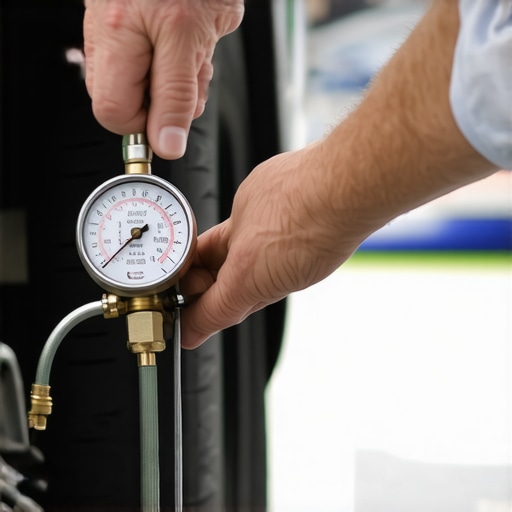
Long-term reliability is built on precise monitoring and clean fluid. Personally, I do not rely on standard OBD-II generic code readers because they do not show real-time transmission temperature or fluid pressure metrics. Instead, I use an Autel MaxiCheck or a Launch DIY diagnostic scanner capable of reading manufacture-specific transmission control module (TCM) live data streams. By checking the exact transmission oil temperature alongside the solenoid actuation states, you can see if the TCM is commanding a shift that the physical clutch cannot execute. Additionally, investing in a mechanical transmission pressure test kit—specifically one with a high-pressure hose and various metric adapter fittings—allows you to tap directly into the transmission case test ports. Measuring the line pressure when the fluid is freezing cold compared to its fully warmed-up state will tell you if your pump is failing or if your pressure regulator valve is sticking. Consistently maintaining these hydraulic pressures through scheduled services is one of the most important top transmission repair tips for long-term vehicle reliability.
As automotive technology races forward, I predict we will see transmission fluid maintenance become even more critical yet highly automated. Modern multi-speed gearboxes like the 8-speed and 10-speed units have incredibly tight tolerances, and many forward-thinking manufacturers are moving toward built-in electronic fluid condition sensors that will alert you on your dashboard before the fluid is actually burnt. To keep your vehicle running like new, combining these advanced diagnostics with other seasonal tasks—such as performing essential car service checks to extend your vehicles life—is the ultimate formula for avoiding unexpected breakdowns. If your car is showing its age in other ways, such as a soft pedal or squealing wheels, you can protect your safety on icy roads by researching how to choose the best brake service in 2025 to ensure your stopping power matches your powertrain reliability. If you want to truly master your vehicle’s maintenance schedule, following the ultimate guide to auto repair keep your car running smoothly will give you the confidence to tackle any mechanical issue before winter sets in.
According to the technical service bulletins published by the transmission experts at Sonnax, microscopic wear in the valve body bores is often the hidden culprit behind cold-start pressure drops. My absolute best advice for you this weekend is to perform a cold-start pressure test or check your live TCM data stream before the first frost hits. This one proactive step will tell you exactly how much life is left in your seals.
Picture this. It is 6:30 on a freezing Tuesday morning, and your breath is fogging up the windshield. You let the engine warm up for a minute, shift into reverse to back out of your driveway, and press the gas pedal. Instead of moving, the engine just revs. Your heart sinks. After a few agonizing seconds of high RPMs, the transmission finally catches with a jarring thud and jerks you backward. I know that exact gut-wrenching feeling because I ignored that very symptom years ago on my old sedan, thinking it was just a harmless winter quirk. It ended up costing me a brand-new transmission.
The Freezing Wake-Up Call You Can Not Afford to Ignore
When the temperature drops, every fluid in your vehicle thickens, but your transmission is particularly sensitive to these cold starts. If you are noticing hesitation, a delay in engagement, or sudden RPM spikes before your car actually moves, your car is trying to tell you something critical. Today, we are going to dive deep into exactly why cold weather triggers this frustrating slip, how to diagnose the root cause before you get stranded, and what you can do to save your gearbox from an early grave. Understanding these symptoms early is one of the top transmission repair tips for long-term vehicle reliability.
Is a cold transmission slip really just a minor winter glitch?
It is incredibly tempting to convince yourself that a cold car simply needs to stretch its legs. You might think that once the engine warms up and the shifting returns to normal, the danger has passed. That was my exact mistake. I assumed the thick fluid just needed to circulate. However, a slipping clutch pack or low fluid level is actively wearing down your internal components every second it slips. According to transmission experts at the Automatic Transmission Rebuilders Association (ATRA), over 90% of all automatic transmission failures are directly caused by fluid degradation and overheating—which often starts with cold-start friction. If you want to know if you are dealing with a simple electronic hiccup or a mechanical nightmare, you need to learn how to tell if your transmission is slipping or if its just a sensor before scheduling an expensive tear-down.
Why Cold Weather Exposes Weaknesses in Your Gearbox
Cold temperatures cause materials to contract and fluids to become highly viscous. If your transmission fluid level is even slightly low, or if the fluid is old and contaminated, the pump struggles to build the hydraulic pressure needed to hold the internal clutches together. When I first started working on my own cars, I once let my fluid level drop because I could not find the dipstick. I did not realize that many modern cars require a specific warm-up procedure to check. If you find yourself in that boat, you can use the easy way to check your transmission fluid without a dipstick to see if a simple top-off will solve your morning worries. Have you ever felt that terrifying hesitation when shifting your car into gear on a freezing winter morning? Let me know in the comments below, because sharing these symptoms early is the best way to keep our cars out of the scrapyard.
How to Diagnose Your Shivering Transmission Before It Fails
When your transmission slips in the cold, it is operating like a syringe trying to draw cold molasses. The fluid pump cannot generate the hydraulic pressure needed to press your clutch packs together firmly. To stop this friction from burning up your internal gears, you need a methodical diagnostic plan. Just last winter, I helped my neighbor troubleshoot his SUV which was refusing to budge on frosty mornings. By following a simple step-by-step process, we found a microscopic seal leak that saved him from a three-thousand-dollar rebuild. Here is exactly how you can pinpoint the issue yourself.
First Check the Fluid Cold and Hot
Never assume your fluid level is correct just because there are no puddles on your driveway. Transmission fluid expands significantly as it heats up. Start by checking the level while the engine is cold and idling on a level surface. Next, take the car for a ten-minute drive to bring it up to operating temperature and check it again. If the fluid looks dark, smells like burnt toast, or has tiny metallic flakes floating in it, your clutches are already wearing down. If you want to evaluate the condition of your fluid properly, you should learn how to tell if your transmission fluid is actually burnt to determine if a simple flush is still safe.
Look for the Tells of a Weak Solenoid
Your automatic transmission relies on electro-hydraulic valves called solenoids to route fluid to the correct gear clutches. In freezing temperatures, the tiny plunger inside a solenoid can stick due to dirty, varnished fluid. If your car hesitates to shift into gear but suddenly works perfectly once the engine temperature needle moves to the middle, you are likely dealing with a sticky solenoid rather than mechanical wear. This is a crucial distinction, because swapping out an external or pan-accessible sensor or solenoid is a fraction of the cost of a physical rebuild. Keeping up with essential car service checks to extend your vehicles life is the absolute best way to keep these delicate electronic valves clean and responsive.
Avoid the Quick Fix Chemical Traps
When you walk into an auto parts store, you will see shelves lined with bottles claiming to stop transmission slips instantly. These pour-in additives usually work by using harsh chemicals that swell old rubber seals. While this might temporarily stop a cold slip for a week or two, those same chemicals eventually soften and destroy your remaining healthy seals, leading to total internal pressure loss. Understanding why relying on transmission leak repair fluid is often a costly mistake will save you from compounding a minor cold-start issue into a catastrophic mechanical failure that requires a tow truck.
While most DIY guides suggest that cold transmission slippage is merely a simple fluid volume issue, the reality of modern automotive engineering is far more complex. Over the years, I have seen countess vehicle owners fall into the trap of thinking they can just pour in a generic additive or wait out the winter. Let’s dig deeper into the actual mechanical nuances that separate a simple seasonal quirk from an impending mechanical catastrophe.
Why does my transmission only slip during the first five minutes of driving?
Many drivers believe that if a gearbox only slips when freezing cold, the mechanical clutch packs must still be in perfect condition. This is a highly dangerous myth. In reality, when the transmission fluid is cold and viscous, it cannot flow quickly through the microscopic passages of your valve body. According to a study by the Powertrain Parts Distributors Association, restricted fluid flow caused by cold-induced viscosity spikes accounts for a massive percentage of premature clutch burnouts. The initial slip you feel is the clutch plates frictionally rubbing against each other without adequate hydraulic clamping force. By the time the fluid warms up and expands to stop the slipping, irreversible microscopic damage has already occurred to the friction material. This is why addressing these early warning signs is vital to the ultimate guide to auto repair keep your car running smoothly.
Another nuance that many backyard mechanics overlook is the role of rubber piston seals inside the clutch drums. As these seals age, they lose their elasticity and harden. When freezing temperatures hit, they shrink just enough to let hydraulic pressure bleed by, causing a cold slip. Once the transmission warms up, the rubber expands, seals the chamber, and the slipping stops. If you ignore this “temporary” winter issue, the constant slipping will eventually glaze your clutch plates. Have you ever fallen into this trap of ignoring a cold-start symptom because it went away after five minutes? Let me know in the comments below! If you are performing your own seasonal maintenance, make sure you do not skip other essential car service checks to extend your vehicles life, such as inspecting your braking system, because a healthy engine is useless if you cannot stop safely. If you suspect your stopping power is also declining, knowing how to choose the best brake service in 2025 will keep you safe on those icy winter roads.
When diagnosing these cold-weather hydraulic gremlins, relying on cheap scanners or guesswork is a recipe for an expensive tow bill. Over the years, I have built a specific diagnostic routine using dedicated tools that take the guesswork out of the equation. To truly get a handle on what is happening inside your valve body before the fluid warms up, you need real-time data, and that is where specialized gear comes into play.
How do I maintain my transmission over time to prevent cold slipping?
Long-term reliability is built on precise monitoring and clean fluid. Personally, I do not rely on standard OBD-II generic code readers because they do not show real-time transmission temperature or fluid pressure metrics. Instead, I use an Autel MaxiCheck or a Launch DIY diagnostic scanner capable of reading manufacture-specific transmission control module (TCM) live data streams. By checking the exact transmission oil temperature alongside the solenoid actuation states, you can see if the TCM is commanding a shift that the physical clutch cannot execute. Additionally, investing in a mechanical transmission pressure test kit—specifically one with a high-pressure hose and various metric adapter fittings—allows you to tap directly into the transmission case test ports. Measuring the line pressure when the fluid is freezing cold compared to its fully warmed-up state will tell you if your pump is failing or if your pressure regulator valve is sticking. Consistently maintaining these hydraulic pressures through scheduled services is one of the most important top transmission repair tips for long-term vehicle reliability.
As automotive technology races forward, I predict we will see transmission fluid maintenance become even more critical yet highly automated. Modern multi-speed gearboxes like the 8-speed and 10-speed units have incredibly tight tolerances, and many forward-thinking manufacturers are moving toward built-in electronic fluid condition sensors that will alert you on your dashboard before the fluid is actually burnt. To keep your vehicle running like new, combining these advanced diagnostics with other seasonal tasks—such as performing essential car service checks to extend your vehicles life—is the ultimate formula for avoiding unexpected breakdowns. If your car is showing its age in other ways, such as a soft pedal or squealing wheels, you can protect your safety on icy roads by researching how to choose the best brake service in 2025 to ensure your stopping power matches your powertrain reliability. If you want to truly master your vehicle’s maintenance schedule, following the ultimate guide to auto repair keep your car running smoothly will give you the confidence to tackle any mechanical issue before winter sets in.
According to the technical service bulletins published by the transmission experts at Sonnax, microscopic wear in the valve body bores is often the hidden culprit behind cold-start pressure drops. My absolute best advice for you this weekend is to perform a cold-start pressure test or check your live TCM data stream before the first frost hits. This one proactive step will tell you exactly how much life is left in your seals.
The Hardest Lesson I Learned About Winter Transmission Care
For years, I believed the common backyard myth that keeping an old car running simply meant turning the key and letting it idle for twenty minutes. I assumed that engine heat would naturally migrate back to warm up the transmission case. This mistake almost cost me my entire powertrain. Here is the insider wisdom I acquired after years of greasy knuckles and expensive rebuilds:
- Idling does not warm your gearbox: An automatic transmission relies on its own internal fluid pump, driven by the torque converter, to circulate fluid. Simply letting your engine idle in park generates almost zero heat in the transmission oil. The safest way to warm the fluid is to drive the vehicle gently at low speeds.
- Viscosity behaves like a silent killer: Fresh, high-quality synthetic fluid maintains its fluid properties down to sub-zero temperatures. Old, degraded fluid attracts moisture and behaves like cold molasses, starving the clutch packs of pressure during those first critical minutes.
- Electronics mask mechanical rot: Modern TCMs are incredibly smart. They will often increase hydraulic pressure or delay shifts to compensate for a slipping clutch. This means by the time your dashboard lights up, the physical clutch material is likely already gone.
My Essential Toolkit for Freezing Weather Diagnostics
If you want to stop guessing and start diagnostic testing like a professional mechanic, you do not need a multi-thousand-dollar shop budget. Over the years, I have built a reliable, highly focused toolbox specifically for handling cold-weather powertrain diagnostics:
- Sonnax Valve Body Tech Guides: These technical sheets are free on the Sonnax website. They provide the exact vacuum test locations and wear tolerances for almost every modern valve body, giving you the power to spot wear before rebuilding.
- Mityvac Vacuum Test Pump: Perfect for testing the sealing integrity of individual solenoids and check valves right on your workbench.
- A Dedicated OBD-II Scanner with Live TCM PIDs: Look for a tool that specifically calls out live transmission fluid pressure and oil temperature. Without these two metrics, you are essentially flying blind.
Keep Your Transmission Quiet This Winter
Ignoring a cold-start transmission slip is like walking past a small fire in your house because it is only burning in one corner. The cold is not the cause of your transmission slip; it is simply the pressure test that exposes the internal wear your gearbox has been hiding all summer. By using real-time data, checking your fluid levels properly, and refusing to rely on cheap chemical quick-fixes, you can stop a minor seal shrink from turning into a massive towing bill. Taking charge of your vehicle care today keeps your gear changes crisp and ensures your car remains completely reliable when you need it most. Have you ever felt your transmission slip on a freezing morning and hoped it was just a winter phase? Let me know what happened in the comments below!