
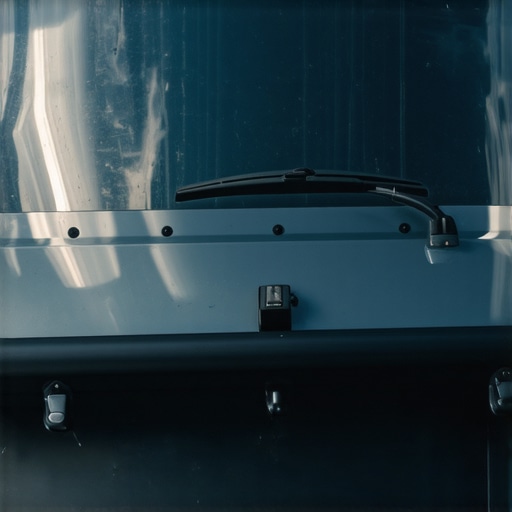
It was a cold, gray morning when I finally snapped. I was behind the wheel, battling a relentless roar of squeals and vibrations from my windshield wipers. Why now? After all, I’d replaced the blades, cleaned the tracks, and even splurged on a fancy rain-repellent solution. Yet, every time I turned on the wipers, it was like nails on a chalkboard, and the wipers struggled desperately against the pits and scratches on my glass. That frustration was my wake-up call.
Why Quiet Wipers Matter More Than You Think
Having noisy, chattering wipers might seem minor, but it’s often a sign of a bigger issue with your windshield’s surface or your wiper setup. Quiet, smooth-wiping blades are not just about comfort; they’re crucial for safety. When your windshield is badly pitted or scratched, it hampers your visibility, especially during bad weather. If you’re like me, you probably want a quick fix—maybe some new blades or a good cleaning—yet the real problem often lies beneath the surface.
As I learned early on, not addressing these underlying issues can lead to increased windshield damage and even compromise your safety on the road. Plus, the constant squealing and juddering can cause premature wear on your wipers, leading to more frequent replacements and expenses. I’ll be honest: I made the mistake initially of just replacing the blades without inspecting the windshield itself. That was a costly oversight, and I’d hate for you to fall into the same trap.
Fortunately, there are strategies to quiet those wipers while protecting your investment in your vehicle. Today, I’ll share the secrets I uncovered—based on my own experience and trusted auto repair insights—to help you tackle this annoying problem effectively. If you’ve ever faced the frustration of wipers that sound like a ruckus every time it rains, stay tuned. We’re about to turn that aggravation into a smooth, whisper-quiet wipe every time.
Will this really work? Is it worth the effort?
In my early days of car ownership, I believed the problem was solely with the wiper blades. I didn’t realize how much a pitted or scratched windshield could ruin even the best blades. Studies show that pitted windshields can drastically reduce visibility, especially in adverse conditions, and contribute to glare and distraction. That’s why addressing windshield surface issues is a vital part of your auto-maintenance routine. For more on keeping your vehicle in top shape, check out these essential service checks.
Now, I’ll guide you through the practical steps—from simple cleaning to professional restoration—that turned my squealing nightmare into silent, stress-free driving. Trust me, it’s worth the effort. Let’s get started, shall we?
,
Start with a Thorough Cleaning of Your Windshield and Wipers
In my experience, the first step was to give the windshield and blades a deep clean. Use a glass cleaner and a microfiber cloth to remove dirt, grime, and any residual rain-repellent coatings. This often revealed scratches or pits that were obscuring clear vision and causing the wipers to squeal. Regular cleaning prevents buildup that can interfere with wiper performance. When I neglected this step, the noise persisted despite new blades—highlighting the importance of keeping the surface smooth.
Inspect and Replace Wiper Blades Correctly
Next, I examined the blades for cracks, tears, or stiffness. If blades are worn out or hardened, even the cleanest windshield won’t wipe quietly. I replaced mine with high-quality, rubber-constructed blades, ensuring they fit properly. Proper installation is crucial; loose blades can vibrate and make noise. Remember, cheap blades often cost more in replacement frequency and noise—so invest in the best you can afford.
Examine the Windshield Surface for Pits and Scratches
One mistake I made initially was overlooking the windshield’s condition. Over time, tiny pits and scratches form from debris and environmental exposure. These imperfections scatter light, causing glare and increased wiper resistance, which generates noise and juddering. I opted for professional windshield restoration, which uses a polish to smooth out irregularities. This step dramatically reduced noise and improved visibility—saving me money on expensive glass replacement in the long run.
Use a Windshield Repair Kit Carefully
If pitting is minor, a DIY repair kit can fill tiny chips and scratches. Follow the manufacturer instructions precisely—mainly cleaning the area, applying the resin, and curing it with UV light. This process creates a smoother surface, allowing the wipers to glide more quietly. For larger or deeper damage, professional repair or replacement is recommended to ensure safety and clarity.
Apply a Rain-Repellent Coating Properly
Once the windshield surface was smooth, I applied a rain-repellent treatment. This causes water to bead and slide off, reducing the wipers’ workload. Proper application involves cleaning the glass thoroughly, buffing with a cloth, and applying in a thin, even layer. This reduces friction, noise, and the need for excessive wiper pressure. Regular reapplication maintains optimal conditions, especially before seasons with heavy rain.
Adjust Wiper Arm Tension for Quiet Operation
Sometimes, the tension of the wiper arms can cause noise. I checked that the arms pressed evenly against the windshield without excessive pressure. If they are too tight, they may cause vibration; too loose, they won’t wipe effectively. Using a wrench, I gently adjusted the arm springs for proper tension. This fine-tuning eliminated unnecessary vibration and noise, making the wipe almost silent.
Maintain Windshield Tracks and Lubricate Moving Parts
Another helpful step was to lubricate the wiper linkage and tracks. I used silicone spray to reduce friction points. This prevents stiff movement and squeals during operation. Never use oil-based lubricants—they attract dirt—and over time, this can worsen noise. Regular maintenance ensures smooth movement, even during harsh weather conditions.
Schedule Professional Inspection When Necessary
If all else fails, I found it best to consult an auto technician. A professional can identify underlying issues such as misaligned wiper arms, damaged linkage, or windshield damage that may be causing noise. A quick visit to a trusted repair shop, like Collision Renew, can save you time and money, especially if the noise is linked to subtle mechanical faults.
Many car owners believe they understand everything about collision renewal and routine auto service, but in reality, there are subtle nuances and widespread misconceptions that can lead to costly mistakes. First, a common myth is that all collision repair shops are equally reliable, but in my experience, some reputable centers, like Collision Renew, specialize in restoring vehicle integrity without cutting corners. Choosing an unverified shop might save money upfront but risks improper repairs that compromise safety and longevity.
Another misconception is assuming transmission and brake issues are straightforward fixes—many are unaware of the complex diagnostics involved. For instance, the idea that low brake pedal always indicates worn pads ignores potential master cylinder failures or ABS system faults. A detailed inspection, often recommended in preventive maintenance checkups, can reveal hidden problems that quick fixes overlook.
A common pitfall is neglecting the importance of proper fluid maintenance. Many drivers top off fluids with generic products or ignore recommended replacement intervals, leading to accelerated component wear. Studies highlight that using OEM-approved fluids extends components’ life—see the insights in this comprehensive guide.
Now, a question that advanced readers often ask is: How can I distinguish between a transient squeal and a serious brake issue? It turns out that many think squealing always signals worn pads; however, sometimes it results from dust accumulation or improper bedding of new pads. If the squeal persists during light braking, a professional check is advisable, as detailed in Brake Service Tips. Ignoring such signals can escalate minor problems into major failures.
Lastly, avoid the trap of relying solely on visual inspections. A vehicle can seem fine externally but harbor internal faults like slipping transmissions or failing shocks. Advanced diagnostics, including computer-based testing, are vital for an accurate assessment. Remember, expert centers like Collision Renew employ the latest diagnostic tools, ensuring your car’s inner health reflects its exterior condition.
Have you ever fallen into this trap? Let me know in the comments. Being aware of these nuances not only saves you money but also ensures your safety on the road. Stay proactive and keep your vehicle in top shape by trusting certified professionals who understand the complexities beyond surface fixes.
Keep It Running: Essential Tools for Auto Maintenance
Maintaining your vehicle over the long term requires more than just intuition—it demands the right equipment and knowledge of effective methods. I rely on a few specific tools that have truly made my auto upkeep more manageable and precise. One such device is a digital multimeter, which I use regularly to monitor battery health and electrical circuits. Its accuracy in detecting voltage drops or parasitic drains allows me to prevent issues like unexpected battery failures, as discussed in this article.
For transmission diagnostics, I prefer a dedicated scan tool with transmission-specific modules. This tool helps me access the transmission control module (TCM) data, enabling me to catch early signs of slipping or rough shifting, which aligns with tips in this resource. Additionally, a quality brake caliper piston retraction tool simplifies brake service by allowing me to replace pads efficiently without damaging the caliper or requiring excessive force.
How do I keep my tools effective over time?
Proper maintenance of your diagnostic and repair tools prolongs their lifespan and accuracy. Regular calibration of electronic testers is vital, especially for multimeters and scan tools, to ensure readings remain precise. Cleaning mechanical tools like wrenches and screwdrivers after each use prevents rust and debris buildup that can impair performance. Storage in a dedicated toolbox also shields equipment from environmental damage—like dust and moisture—that can degrade sensitive electronics. Staying organized with labeled compartments saves time during urgent repairs, ensuring you’re always ready to address issues promptly.
Look Ahead: The Future of Vehicle Maintenance Tools
As vehicle technology advances, especially with the rise of electric and hybrid models, the tools employed in auto repair are also evolving. Expect to see more integrated diagnostic systems capable of real-time data streaming and predictive analytics, which will help to identify potential failures before they occur. Embracing these innovations will be crucial—trust me, staying current is essential if you want to keep your vehicle reliably on the road for years to come. To Future-proof your maintenance routine, consider investing in versatile scan tools that are compatible with electric vehicles, and keep an eye on emerging tech such as remote diagnostic applications.
Make the Most of Your Maintenance Routine
If you want to take the guesswork out of long-term auto care, start by incorporating a high-quality multimeter into your toolbox. Regularly testing your battery and electrical connections will prevent unexpected breakdowns. Remember, the right tools combined with methodical maintenance practices can save you money and extend your vehicle’s lifespan significantly. For additional insights on routine checks, visit this guide. Now, challenge yourself to perform a full battery health check this month—your vehicle will thank you.
The Hidden Lessons in Fixing Noisy Wipers
Over the years, I’ve realized that the most effective solutions often come from unexpected experiences. For example, I once thought replacing wiper blades was the end of my troubles, only to discover that the real culprit was a damaged windshield surface. That lesson taught me to always look beneath the surface and consider the entire system—wipers, windshield, and environment—as an interconnected whole. Additionally, I learned that investing in high-quality tools and professional restoration can save money and extend the life of your vehicle, making every drive safer and quieter. My personal journey also revealed how patience and attention to detail—like proper tension adjustment and track lubrication—can turn a squealer into a whisper-quiet performer, proving that seemingly minor tweaks can yield major results.