

Picture this: I was cruising down a familiar road when I took a sharp left turn, and suddenly, my car felt like it was slipping out of gear. Heart racing, I pulled over, puzzled. That lightbulb moment revealed a frustrating truth—I had overlooked a common yet overlooked issue that can cause your transmission to act up, especially during those tricky left turns. If you’ve ever experienced this, you’re not alone. It turns out, this specific problem isn’t just a quirk; it’s a sign that something’s amiss in your vehicle’s transmission system, and ignoring it could lead to costly repairs.
Unveiling the Hidden Culprit Behind Transmission Slips on Sharp Turns
Many drivers dismiss sudden slipping as a normal part of aging, but my experience taught me otherwise. What I didn’t realize early on was that certain behaviors, like sharp left turns, can put extra strain on specific parts of the transmission and related components. The real issue often lies in the transmission fluid, worn-out solenoids, or even minor leaks that become critical during maneuvering. When I delved into the matter, I discovered that proper maintenance can prevent these slips—and save you from embarrassing and potentially dangerous situations on the road.
Is This Just a Normal Wear and Tear? Or Something Serious?
At first, I thought it was just a quirk—something I could ignore. But as I researched, I found that slipping during particular maneuvers isn’t normal at all. It indicates underlying issues that require attention. I recall making a mistake early in my auto repair journey: ignoring regular transmission checks, hoping the problem would resolve itself. That misstep could have cost me dearly. Now, armed with knowledge, I make sure to perform routine inspections and stay alert for signs of trouble, like slipping during turns. Want to learn how to diagnose these issues yourself? Check out how to check for electrical issues that might be contributing to transmission problems.
If you’ve faced a similar situation or are wondering why this happens, keep reading. I’ll walk you through the key steps to identify, troubleshoot, and fix this issue before it turns into a major headache. Ready to get your car running smoothly again? Let’s dive in.
Inspect and Check Transmission Fluid Levels Carefully
Start by locating your vehicle’s transmission dipstick, usually near the engine. With the engine warm, pull out the dipstick, wipe it clean, then reinsert and pull out again to check the fluid level. If it’s below the marked level, top it up with the manufacturer-recommended transmission fluid. During my own experience, I once found my fluid almost empty after a long road trip; topping it off immediately improved my transmission’s response during turns. Remember, low fluid often causes slipping, especially under stress like sharp maneuvers.
Perform a Visual Inspection for Leaks or Wear
Look under your car for signs of transmission fluid leaks—red or reddish-brown stains on the ground point to possible leaks. Also, check the transmission pan and hoses for cracks or loosened clamps. Worn-out or cracked seals can cause fluid loss, leading to slipping during demanding turns. I spotted a small leak on my transmission pan gasket and decided to replace it, which made a noticeable difference in smoothness during sharp turns. Regular inspections help catch small issues before they escalate.
Test Transmission Solenoids for Proper Function
Solenoids control fluid flow within the transmission, affecting gear shifts during complex maneuvers. Use a scan tool to run diagnostics on the transmission control module and check for error codes related to solenoid performance. If codes indicate malfunction, consider replacing the affected solenoids. I once used a code reader to diagnose a faulty solenoid causing slipping only during sharp turns, and replacing it cleared the problem. Sometimes, solenoid issues mimic fluid problems but require targeted repairs.
Replace Worn Transmission Fluid and Filter
Old, degraded fluid can’t lubricate or create proper hydraulic pressure, resulting in slipping. Drain the old fluid, and change the transmission filter to ensure contaminants are removed. During my repair, I followed a comprehensive transmission flush, which restored proper pressure and eliminated slipping on turns. This process is vital for long-term health; neglecting it often leads to costly failures. For detailed guidance, visit top transmission repair tips.
Check and Replace Worn-Out or Damaged Components
Examine the clutch plates (for manual transmissions) or planetary gear systems in automatics. Worn components can slip, especially under stress. If visual inspections reveal damage, plan for component replacements—either a repair or full rebuild if necessary. I once faced persistent slipping, and after replacing the worn clutch plates, shifting became smooth again. Consider consulting a professional if unsure about disassembly or internal inspections.
Optimize Your Driving Habits and Maintenance Schedule
Avoid aggressive acceleration or sharp turns when possible, which strain the transmission. Regularly schedule preventive maintenance, including fluid changes and system checks, following your vehicle’s manufacturer recommendations. For comprehensive vehicle calibration and inspection, check out essential car service checks. Keeping your transmission in good shape reduces the likelihood of slips during demanding maneuvers and extends its lifespan.
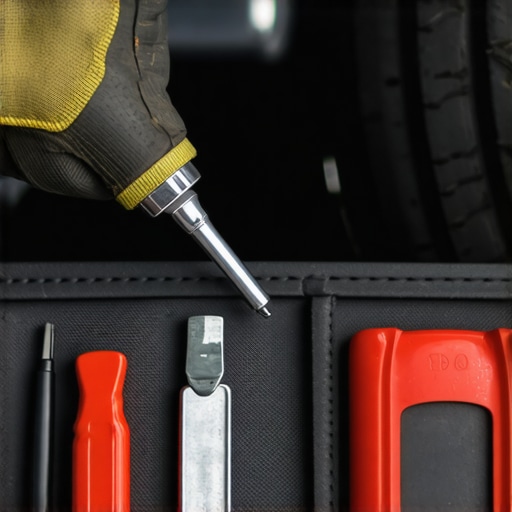
Many car owners walk into repair shops with misconceptions that can hinder effective maintenance and result in unnecessary expenses. One prevalent myth is that all transmission issues require a full replacement. In reality, modern diagnostics and repair techniques often allow for targeted fixes, saving significant costs. As I’ve learned through years of experience, understanding these nuances can make a substantial difference in how you approach vehicle care.
Why Do We Keep Believing Old Repair Rules When They’re No Longer Valid?
For decades, the adage was to change transmission fluid every 30,000 miles. However, recent studies and manufacturer data suggest that many vehicles now can go up to 60,000 or even 100,000 miles without fluid changes, provided you follow proper maintenance routines. Relying on outdated advice can lead you to replace parts prematurely or overlook critical signs of trouble. Always consult your vehicle’s manual or trusted experts like this comprehensive guide for current best practices.
Another common mistake is neglecting subtle warning signs, believing that issues will resolve themselves. For example, a minor delay in brake response or a slight vibration during acceleration may seem insignificant but can indicate deeper problems such as worn brake calipers or transmission misfires. Addressing these early can prevent costly repairs later. Don’t fall into the trap of ignoring the ‘small’ signs; instead, perform routine checks or consult professionals via essential car service checks.
Furthermore, there’s a misconception about the necessity of complete part replacements. Some think that replacing a single defective component isn’t worth it or won’t fix the problem. But with advanced diagnostic tools, skilled technicians can often revive systems with minimal part swaps, which is both economical and environmentally friendly. For instance, replacing only the faulty solenoid in a transmission can restore smooth shifting without a full overhaul. This highlights the importance of trusting the expertise that understands these subtleties.
How Can Advanced Diagnostics Prevent Costly Mistakes?
Cutting-edge diagnostic tools, like multi-system scanners and software, provide precise insights into your vehicle’s health. They can detect issues before symptoms manifest, saving you from breakdowns and expensive repairs. As highlighted in top transmission repair tips, proactive diagnostics are essential for long-term reliability. Relying solely on symptom-based repairs often leads to guesswork, which can be costly and ineffective.
To sum up, a deeper understanding of auto repair nuances helps you avoid common pitfalls that many vehicle owners unknowingly fall into. Staying current with manufacturer recommendations, addressing minor issues early, and leveraging diagnostic technology are essential steps. Remember, every repair opportunity is a chance to learn and save. Have you ever fallen into this trap? Let me know in the comments, and stay proactive with your vehicle maintenance to keep your car running smoothly for years to come.
Keeping Your Tools Sharp and Knowledge Up-to-Date
When it comes to auto repair, having the right tools isn’t just about convenience—it’s about ensuring safety and quality. I personally swear by a high-precision digital multimeter like the Fluke 115; it provides reliable readings that help me diagnose electrical issues accurately, especially when testing sensors or wiring related to transmission problems. Similarly, a good mechanic’s creeper allows for quick access under the vehicle without straining your back, saving time during repairs. Investing in quality tools might seem costly upfront, but it pays off through fewer mistakes and faster repairs, which is crucial when scaling your maintenance routines.
Leveraging Diagnostic Software for Better Long-Term Outcomes
Modern vehicles are equipped with complex electronic systems, and I recommend software like AutoEnginuity ScanTool, which I’ve used extensively for comprehensive diagnostics. This tool interfaces with your vehicle’s onboard computer, helping you interpret error codes related to transmission, brakes, or engine systems. Using reliable diagnostic software facilitates precise repairs, reduces guesswork, and prevents unnecessary part replacements. Looking ahead, the trend is moving toward integrated vehicle diagnostic ecosystems that can connect with your smartphone, making troubleshooting more accessible and efficient. Staying current with these technologies ensures your repairs are effective and sustainable over time.
Establishing a Routine Maintenance Schedule
Consistency is key when aiming for long-term vehicle health. I recommend setting reminders for fluid checks, brake inspections, and transmission service intervals based on your car’s manual. For example, regularly verifying brake pads for wear using a simple tool like the mechanic’s stethoscope can preempt costly replacements. Additionally, performing comprehensive inspections through services like essential car service checks extends your vehicle’s lifespan and ensures that problematic components are caught early. Making scheduled maintenance a priority minimizes breakdowns and maintains optimal performance.
Scaling Your Repairs with Proper Equipment and Strategies
If you’re planning to expand your auto repair efforts, consider specialized tools like hydraulic presses for transmission rebuilds or ultrasonic cleaners for cleaning parts. Personally, I’ve used a transmission hydraulic service kit to replace worn-out components efficiently, which has been invaluable when working on multiple vehicles at a time. Furthermore, documenting your repairs with platforms like repair logs can help track recurring issues and plan strategic upgrades or replacements. As vehicle technology advances, staying ahead with the right tools and strategic maintenance practices positions you for success, whether you’re managing a fleet or maintaining your personal car.
How do I maintain auto repair tools and techniques over time?
Regular calibration of diagnostic equipment, like multimeters and scan tools, is essential to maintain accuracy. Also, updating your software firmware and staying informed about manufacturer recalls or updates ensures your diagnostics remain reliable. Subscribing to industry newsletters or forums such as the latest auto repair news can keep you informed about emerging tools and techniques. Lastly, dedicating time to ongoing education, whether through online courses or workshops, enhances your skills and helps you adapt to evolving automotive technologies. As noted in recent automotive repair literature, a proactive approach to tool maintenance and training is vital for long-term success—so I highly encourage you to routinely review and update your repair toolkit to keep your skills and equipment in top shape.
The Hardest Lesson I Learned About auto repair,collisionrenew,car service,brake service,transmission
One vital insight that transformed my approach was realizing that most transmission issues are preventable through proactive measures, not just reactive repairs. I once ignored early signs of shifting hesitation, expecting it to resolve itself, only to face a costly rebuild later. Embracing routine maintenance and listening to my vehicle’s subtle signals taught me that prevention is always cheaper and less stressful than repair.
Curated Recommendations
For anyone serious about maintaining transmission health, I highly recommend tools like the Top Transmission Repair Tips guide. It offers practical advice rooted in real-world experience. Additionally, consulting with experts via professional consultation services has helped me avoid common pitfalls. Books such as Auto Repair for Dummies have also deepened my understanding, making complex repairs more approachable. Lastly, staying updated with essential car service checks ensures I don’t overlook critical maintenance windows that can prevent big surprises.
Take Charge of Your Auto Journey Now
Your transmission’s health isn’t just about avoiding breakdowns—it’s about empowering yourself to keep your vehicle running smoothly for years to come. Every check and minor tweak can save you from future headaches and expenses. Remember, proactive maintenance and continuous learning are your best tools. So, why wait for a warning sign? Dive into these resources, ask questions, and take control today—your car will thank you for it.