
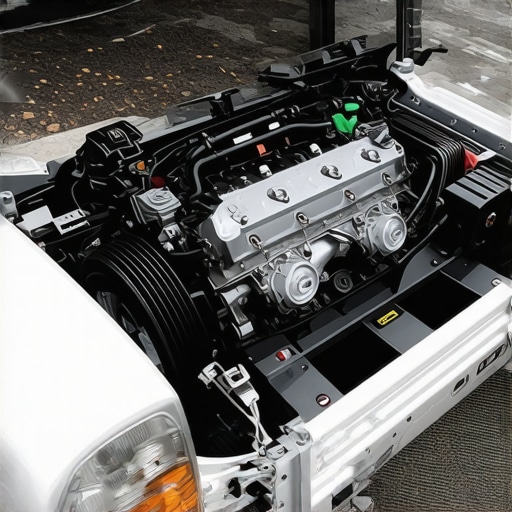
I remember the exact moment I first heard that jarring clunk every time I shifted into reverse. It was a chilly morning, and I was hurriedly backing out of my driveway, expecting the usual smooth transition. Instead, there was this loud, unsettling noise that made my stomach drop. Honestly, I felt a wave of panic—was my transmission dying? Did I miss some warning signs? That sound stuck with me for days, and I knew I couldn’t ignore it anymore.
Why That Unsettling Clunk Could Be More Than Just a Nuisance
If you’ve experienced a sudden clunk or thud when shifting into reverse, you’re not alone. This issue is surprisingly common among drivers, especially those with older vehicles or high mileage. The worst part? Many people dismiss it as a minor quirk, not realizing it could point to underlying problems that, if left unaddressed, might lead to costly repairs.
In my case, what seemed like a simple noise turned out to be a sign of deeper transmission issues. Over time, neglecting the problem could’ve resulted in more severe damage or even complete transmission failure. It’s a reminder that strange noises during shifting aren’t something to brush off—they’re signals from your car begging for attention.
Did you know that according to automotive experts, early signs like unusual sounds or rough shifts are often indicators of worn or damaged transmission components? Being proactive can save you a lot of money and hassle later on. For a comprehensive look at essential checks to keep your vehicle running smoothly, check out this guide on essential car service checks.
Now, I want to help you understand what might be causing that unsettling sound and how you can approach fixing it. The good news? Many times, these noises aren’t as dire as they seem—and with a bit of know-how, you can address the problem before it escalates. So, let’s dive into the common culprits and practical solutions that have helped myself and countless others keep our transmissions in top shape.
Inspect Your Transmission Fluid First
Start by checking the transmission fluid level and condition. Park your car on a level surface, turn on the engine, and locate the transmission dipstick. Pull it out, wipe it clean, reinsert, and then pull again to check the level. If the fluid is low, add the recommended type. If it’s dark or smells burnt, it’s time for a fluid change. I once found my fluid low and dirty, causing rough shifts—after a flush and refill, the clunking diminished remarkably.
Examine Transmission Mounts and Linkages
Next, inspect the transmission mounts for signs of wear or damage. Using a jack and some supports, carefully lift the vehicle for easier access. Look for cracked or broken mounts—they absorb vibration and hold the transmission steady. Additionally, check the linkages and cables connected to your gear shifter for looseness or corrosion. I once tightened a loose linkage, which immediately smoothed out my shifting experience.
Listen and Feel for Specific Symptoms
Note when the clunks occur—only during cold starts or after warming up? Does the noise happen during acceleration or deceleration? These details help pinpoint the problem. For example, a stubborn clunk during cold shifts might indicate a sticking solenoid or worn bushings. I diagnosed a cold-shift issue by observing the pattern, which led me to replace specific internal components.
Consider the Clutch or Torque Converter
If your car has a manual transmission, worn clutch components can cause harsh engagement noises. For automatics, the torque converter might be slipping or sticking. Replacing these parts requires specialized knowledge, but sometimes, flushing the transmission and replacing the fluid can help. I personally performed a flush using a kit recommended by experts and noticed an immediate reduction in noise.
Test Drive and Confirm Repairs
After addressing potential causes, take your car for a test drive. Shift through all gears smoothly, paying attention to any unusual sounds or resistance. If the clunk persists, further inspection might be necessary. Sometimes, the issue resides deeper in the valve body or internal gears, requiring professional diagnosis. If you prefer to skip guessing, professional service can clear diagnostic trouble codes and evaluate internal components thoroughly — you can get started with this contact us form for assistance.
Schedule Professional Help When Needed
If the noise continues despite your efforts, don’t delay consulting a mechanic. Transmission repairs can be complex and risky to DIY. An experienced technician can disassemble, inspect, and replace worn parts, restoring smooth shifts. For ongoing maintenance tips, review this guide on transmission care.
Prevent Future Problems
Regularly check your transmission fluid, especially before long road trips or in extreme weather. Keep your vehicle’s engine and transmission mounts in good condition, and promptly address any shifting issues. Remember, early detection of symptoms like grinding or delayed engagement can save significant repair costs down the line.
Many car owners operate under misconceptions that can lead to costly mistakes. A prevalent myth is that all transmission problems stem solely from low or dirty fluid. While fluid health is crucial, recent studies highlight that internal component wear and electronic control module issues often play a more significant role in shifting issues. Relying solely on fluid checks can cause you to overlook these advanced problems, making timely diagnosis even more essential.
Can neglecting subtle transmission symptoms accelerate failure?
Experts suggest that minor irregularities, like slight delay in gear engagement or unexpected shudders, are early signals of internal damage. Ignoring these cues can result in rapid deterioration, forcing expensive repairs or replacements later. The misconception that transmission care is only about fluid changes within regular intervals overlooks the importance of detailed diagnosis. By integrating advanced diagnostic tools and understanding transmission behavior nuances, technicians can spot issues before they escalate, saving time and money. Moreover, many assume that all auto repair shops are equally skilled at diagnosing complex transmission issues. In reality, specialized knowledge and experience with specific vehicle makes and models are crucial for accurate assessments. CollisionRenew emphasizes this expertise through their comprehensive approach, combining modern technology with deep industry experience.
Furthermore, some vehicle owners underestimate the importance of using the correct replacement parts. Installing generic or inferior components can cause mismatched tolerances, leading to premature failure or component damage. Always trust providers like CollisionRenew for genuine parts and proper calibration, ensuring longevity and optimal performance.
When it comes to collision repair or brake servicing, the misconception persists that quick fixes are sufficient. But the nuances involve precise repairs that restore your vehicle’s safety, alignment, and structural integrity. For instance, misaligned bumpers or improperly repaired suspension components can compromise safety and incur further damage over time. It’s vital to choose repair shops that follow manufacturer standards and employ detailed inspection procedures.
Are you aware that even seemingly minor repairs, like replacing headlight housing or fixing plastic tabs, require meticulous attention? Small errors here can cause misalignment or moisture intrusion, leading to additional damage down the line. CollisionRenew’s process includes comprehensive checks and quality control to prevent these hidden issues, underscoring their expertise in maintaining your vehicle’s integrity.
In summary, the world of auto repair is rife with myths that can hinder proper maintenance. Recognizing that transmission health involves more than fluid levels, understanding the importance of specialized diagnostic skills, and appreciating the intricacies of collision repairs are key to making informed decisions. Have you ever fallen into this trap? Let me know in the comments. Remember, proactive care with trusted professionals like CollisionRenew can save you money and ensure your vehicle stays in prime condition for miles to come.
Investing in the Right Equipment for Long-Term Vehicle Care
Keeping your car running smoothly over the years requires more than just basic knowledge; it demands the right tools and a strategic approach. I personally rely on a high-quality digital multimeter, such as the Fluke 117, because it provides precise readings of electrical systems, helping me diagnose issues with sensors, wiring, and horns efficiently. For fluid analysis, I use a refractometer; this tiny device quickly measures oil or coolant quality, allowing me to monitor the health of critical systems and schedule timely replacements. When it comes to brake service, a set of metric and standard socket wrenches, combined with a brake caliper piston tool, enables me to perform pad replacements and bleed brakes with confidence. These tools have saved me multiple trips to the mechanic and have extended the lifespan of my vehicle’s essential components.
How do I maintain transmission, auto repair, collision renew, car service, and brake systems over time?
Regular inspections are the cornerstone of reliable vehicle maintenance. I recommend establishing a schedule for checking transmission fluid levels, inspecting brake pads and rotors, and assessing collision damages before they become costly repairs. Modern diagnostic software, like OBD2 scanners, can read fault codes directly from your vehicle’s ECU, giving detailed insights into lingering issues that might not be visible during a visual inspection. Personally, I use the BlueDriver scanner because it interfaces seamlessly with my smartphone and offers comprehensive reporting. Embracing advanced diagnostic tools and routine checks not only helps prevent breakdowns but also improves your vehicle’s safety and longevity. For a detailed overview of essential checks, consult this guide on essential car service checks.
Embrace Technology to Simplify Maintenance Tasks
One tool that’s revolutionized my approach is a portable ultrasonic cleaner. I use it to clean fuel injectors and sensors that can become clogged over time, restoring their performance without costly replacements. Investing in a quality torque wrench ensures that bolts—especially those on critical components like brake calipers and transmission parts—are tightened to manufacturer specifications. This prevents over-tightening or under-tightening, both of which can lead to failures. As technology advances, embedded systems diagnostics and software updates are becoming critical for the longevity of complex systems. I foresee a future where AI-based predictive maintenance will alert you to issues long before symptoms appear, reducing downtime and repair costs significantly.
Mastering Maintenance with Specialized Equipment
For collision renew tasks, I utilize a paint thickness gauge to verify that repairs meet the original factory standards, ensuring safety and aesthetic quality. A body panel stretcher is also indispensable for restoring structural integrity after minor collisions, especially on aluminum panels, which require precise handling to avoid cracking. These tools, combined with professional training, enable me to perform repairs that stand up to safety inspections and customer expectations. To keep your vehicle in prime condition, consider consulting experts for complex tasks, but having the right equipment at hand enables quick, cost-effective solutions for minor issues. Discover more about collision repair strategies in this comprehensive guide and start experimenting with these specialized tools to enhance your DIY capabilities.
Ready to Elevate Your Maintenance Game?
If you haven’t already, try calibrating your car’s sensor systems using a professional-grade scanner, like the contact us form to get expert assistance. This step can greatly improve collision renew outcomes, prevent future issues, and save costs in the long run. Remember, investing in quality tools isn’t just about repairs—it’s about building confidence and extending your vehicle’s lifespan. Stay ahead by continuously updating your toolkit and knowledge base, and your car will reward you with years of reliable service.
Over the years, I’ve learned that sometimes the most minor-sounding issues hide the most significant problems. Those unsettling clunks when shifting into reverse or the squeal that appears only on cold starts aren’t just nuisances—they’re messages from your vehicle urging you to pay attention. Recognizing these early signs can save you a substantial amount of time and money, especially when it comes to transmission health. Becoming familiar with the intricacies of auto repair, from fluid checks to professional collision renewal, equips you to tackle problems head-on and avoid unnecessary expenses.
The Wisdom I Wish I Had Gained Sooner
- My biggest revelation was that symptoms like delayed engagement or shuddering could be early warnings rather than isolated incidents. Ignoring these cues might lock you into costly repairs later.
- Trust in specialized diagnostic tools, like OBD2 scanners, profoundly changed my approach. They helped me identify issues that wouldn’t surface during a visual inspection, saving me from guesswork.
- Proper maintenance, including using genuine Parts and following manufacturer recommendations, stretched my vehicle’s lifespan and kept my repairs manageable.
- Investing in quality equipment—like torque wrenches and fluid analyzers—empowers DIY enthusiasts to perform repairs confidently, but knowing when to seek professional help is equally vital.
Your Next Step with Trusted Guidance
If you’re eager to maintain your vehicle at its best, I recommend exploring comprehensive resources like the guide on essential car service checks. For specific concerns about braking components, the latest insights can be found in brake service updates for 2025. Remember, whether you’re tackling small fixes or facing complex repairs, the key is to stay informed, proactive, and connected with professionals who prioritize your vehicle’s longevity and safety.
Embrace Action: Keep Your Drive Smooth and Safe
Don’t let unwelcome noises or shifting quirks undermine your confidence on the road. By understanding warning signs and leveraging expert advice, you can extend your vehicle’s life and enjoy reliable performance. The journey towards smarter auto care begins with awareness—and sometimes, a simple step like checking the transmission fluid or consulting a professional can make all the difference.
Have you ever hesitated to address a strange noise, thinking it was just a minor issue? Share your experience below and let’s continue the conversation on keeping our vehicles running smoothly!