
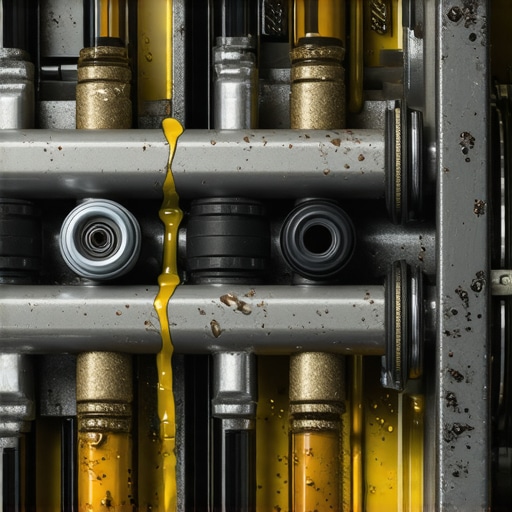
Ever had that sinking feeling when you pop the hood and see oil spots puddled under your car? I remember the first time I discovered a leak — it felt like a personal failure. Spending hours trying to pinpoint the source, only to find out it was just some high-mileage oil seeping past worn seals. That lightbulb moment made me realize how misunderstood high-mileage oil really is and the role leaking seals play in vehicle health.
Why Ignoring Seal Leaks Can Cost You Big Time
Seals may seem like small, insignificant parts, but they act as your car’s first line of defense against leaks. As engines rack up miles, seals become brittle and less effective. Many car owners simply top off the oil and move on, but that can be a costly mistake. Leaking seals don’t just waste oil; they can lead to engine wear, reduced fuel efficiency, and sometimes, catastrophic motor failure. I learned this the hard way early on, pumping more oil into my engine without addressing the real issue. Trust me — ignoring leaks and high-mileage oil can turn a simple warning sign into a major repair. For a comprehensive look at how to keep your vehicle in top shape, check out this guide.
Is High-Mileage Oil Actually Worth the Hype?
Here’s where a lot of folks get skeptical. I used to think so myself. I believed that switching to high-mileage oil would automatically fix my leaks and extend my engine’s life. Turns out, I was somewhat mistaken. While high-mileage oils contain conditioners that can soften seals temporarily, they are not a cure-all. Early in my experience, I made the mistake of relying solely on oil additives, thinking they’d stop my leaks. Spoiler: they didn’t. A better approach involves identifying the root cause — which is often worn seals and gaskets. If you’re curious about safe and effective ways to extend your engine’s lifespan, I recommend reading this article for practical tips.
The good news? Addressing leaking seals early, combined with appropriate oil choices, can save you hundreds and keep your engine running smoothly for years to come. Now, let’s dive into how to spot these leaks before they turn into costly repairs.
Identify the Leaking Seal with a Systematic Inspection
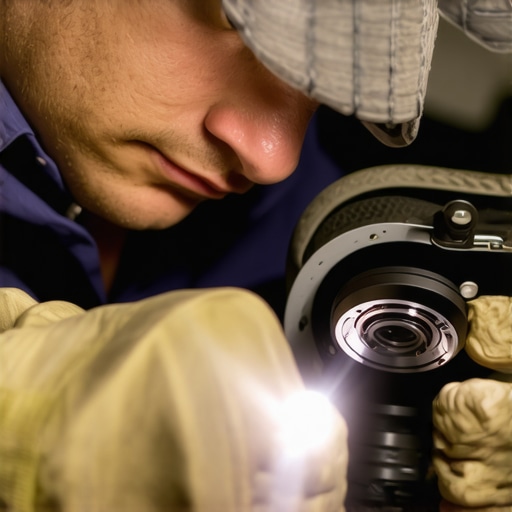
Start by parking your car on a level surface and letting the engine cool. Look under the engine for oil spots, noting their size and location. Use a flashlight to inspect around seals such as valve covers, oil pan, and crankshaft—these are common leak sources. To ensure accuracy, gently clean the suspected area with a degreaser to remove grime that might obscure leaks. I vividly recall the first time I did this; after cleaning, I found a slow drip from the valve cover gasket, which I overlooked before. This precise inspection saved me from unnecessary part replacements.
Isolate and Confirm the Seal Issue
Perform a Leak Dye Test
Apply a UV dye designed for engine oil, following the product instructions. Start the engine and let it run for about 15 minutes to circulate the dye. Turn off the engine and use a UV light to identify the dye’s glow, revealing the exact leak source. I once used a dye kit that illuminated a tiny crack in my rear main seal—unknown to me before this test. Confirming the leak location prevents unnecessary replacements and targets repairs efficiently.
Assess Seal Condition and Wear
Remove the engine cover or components shielding the seal if necessary. Visually inspect the seal for cracks, hardening, or deformation. Gently touch the seal to determine if it’s brittle or softened. Remember, even a minor crack can lead to significant leaks over time, and replacing a worn seal is simpler than dealing with engine oil contamination later.
Prepare and Replace the Faulty Seal Properly
Before removal, gather the correct replacement seal and ensure your workspace is clean. Drain engine oil if the seal is near oil passages to prevent spills. Use appropriate tools—like seal pullers or screwdrivers—to pry out the old seal carefully. During my own repair, I used a flat-head screwdriver to lift the worn valve cover gasket gently. After removing the old seal, clean the sealing surface thoroughly to ensure a proper fit for the new part. Applying a light film of engine oil to the new seal’s lip can improve installation and sealing. As an extra tip, consider replacing adjacent seals if they show signs of age, preventing future leaks.
Seal the Repair and Confirm Effectiveness
Press the new seal into place evenly, using a mandrel or similar tool to ensure it seats flush. Reassemble any parts removed, tighten bolts to manufacturer specifications, and refill engine oil if drained. Start the engine and check for leaks around the new seal. Use your UV dye if you want to double-check the repair’s success. I recall once revealing a small leak during a test drive that I thought was fixed—until I spotted the dye glow again. Patience and thorough inspection are key to lasting repairs. For additional sealing tips, see this guide.
Maintain to Prevent Future Seal Failures
Regularly check for oil spots and address leaks promptly. Use the right grade of high-mileage oil if your engine warrants it, as it can soften seals temporarily. Lastly, schedule routine inspections, especially as your vehicle accumulates miles; early detection of seal deterioration can save time and money. Remember, proactive maintenance is your best defense against costly engine repairs and keeps your vehicle reliable on the road.
Challenging the Myths of Auto Repair
Many car owners harbor misconceptions that can lead to costly mistakes. For instance, the belief that transmission fluid never needs changing, regardless of mileage, is pervasive but inaccurate. In reality, proper transmission maintenance involves regular checks and fluid changes to prevent wear and tear. Overlooking this can result in expensive repairs that could have been avoided with timely intervention.
Beware the Hidden Traps in Brake Service
A common misconception is that all brake pads are created equal, leading many to select the cheapest option without considering long-term performance. This shortcut might save money upfront but can compromise safety and lead to frequent replacements. Recognize that high-quality brake components not only improve safety but also offer better durability, especially when combined with professional servicing. For insights on choosing the right brake service, visit this guide.
What Advanced Signs Indicate Your Transmission Is Failing?
Transmissions often give subtle hints before catastrophic failure. Symptoms like delayed shifting, slipping gears, or a warning check-engine light can be early alerts. Understanding these signals requires an elevated level of diagnostic knowledge, which many car owners overlook. Recent studies emphasize the importance of early diagnosis; for example, the blink of your check engine light shouldn’t be ignored. Regular inspections and listening for unusual noises can save you significant repair costs in the long run.
Furthermore, many believe that adding aftermarket additives can temporarily fix transmission problems, but this approach often masks underlying issues instead of resolving them. Proper diagnosis and timely service are critical. For comprehensive strategies, consider reviewing restoration strategies that extend your vehicle’s lifespan.
Auto Repair: Balancing Quick Fixes with Long-Term Maintenance
Another nuance often missed is the reliance on quick fixes like sealers or superficial repairs. While tempting, these are typically band-aids that hide deeper problems, leading to recurring issues or even more damage. Professional, thorough repairs—focused on restoring structural and functional integrity—are usually more cost-effective in the long term. For detailed repair strategies, check engine diagnostics and how they ensure lasting performance.
In conclusion, shaping a nuanced understanding of these aspects equips you better for maintaining your vehicle efficiently. Remember, trusting expert insights saves money, enhances safety, and prolongs your car’s life. After all, settling for assumptions can be the most expensive mistake of all. Have you ever fallen into this trap? Let me know in the comments.
Keeping It Working: Tools I Recommend for Auto Repair and Maintenance
Maintaining your vehicle’s performance over the long haul requires the right equipment and a methodical approach. Over years of personal experience, I’ve honed my toolkit with specific items that make auto maintenance more accurate, efficient, and safe. Investing in quality tools saves time and prevents costly mistakes, especially when dealing with critical components like transmission systems or brake assemblies. Let’s delve into the essential gear I trust for consistent results.
The Importance of a Good Diagnostic Scanner
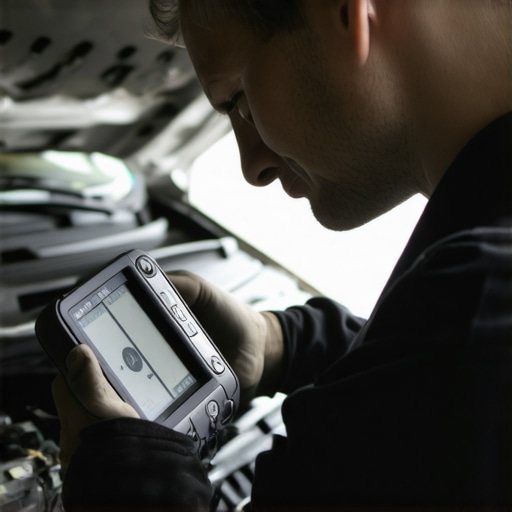
First and foremost, a reliable OBD-II scanner is indispensable. I personally use the BlueDriver Bluetooth Pro OBD-II Scan Tool because it seamlessly integrates with my smartphone, providing detailed trouble codes and real-time data. This device helps me identify issues early, such as subtle transmission hunting patterns or engine misfires, before they escalate. Over the years, advances like transmission diagnostics have shown that early detection significantly prolongs component life and reduces repair costs.
Precision When It Counts: Hand Tools You Can Trust
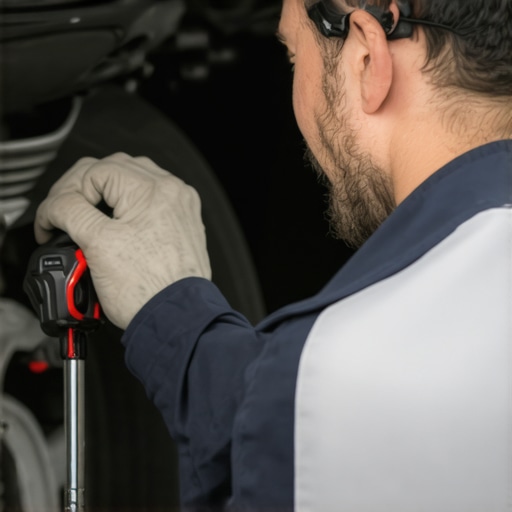
High-quality ratchets, sockets, and wrenches are fundamental. I prefer tools made from chrome vanadium steel, which resist wear and corrosion. An underrated investment is a torque wrench—ensuring bolts like those on brake calipers or wheel hubs are tightened to manufacturer specs. For critical tasks, I reach for a digital torque wrench that provides exact readings, avoiding over-tightening or under-tightening that can compromise safety or lead to repairs down the road.
Specialized Equipment for Seals and Gaskets
When replacing seals, precision tools like seal pullers and installation sleeves are invaluable. For example, during my own brake service, I used a rubber seal installation tool to insert the new piston seals evenly, preventing leaks. These small tools ensure a perfect fit, which is crucial for long-term reliability, especially in components such as valve covers or oil pans. Remember, even the best high-mileage oil can’t compensate for improperly installed seals—quality tools make all the difference.
Why Digital Inspection Devices Matter
Beyond manual tools, I now rely on digital inspection cameras, like the Depstech Waterproof Endoscope. This allows me to peek into tight spaces—such as inside the transmission case or around complex gaskets—without disassembly. It saves time and reveals hidden wear or damage early, aligning with a proactive maintenance strategy. For future trends, expect integration of AI-powered diagnostic tools capable of predicting failures based on sensor data, further enhancing reliability and long-term planning.
How do I maintain transmission and brake systems over time?
Consistent upkeep involves scheduled fluid changes using the proper quality lubricants—like the essential car service check. Regular inspections with the tools mentioned above can catch issues before they lead to complete component failure. For example, measuring brake pad thickness periodically or checking transmission fluid clarity with a dipstick prevents unexpected breakdowns. Incorporate these practices into your routine and you’re more likely to keep your vehicle running smoothly for years. Don’t forget to consult manufacturer guidelines or privacy policies for specific maintenance intervals.
By equipping yourself with high-quality diagnostic and repair tools and adopting a disciplined maintenance routine, you can significantly enhance your vehicle’s longevity and safety. Whether it’s addressing leaks early or ensuring your transmission shifts seamlessly, investing in the right equipment truly pays off. Want to see real results? Start with a digital inspection camera and perform a thorough check on your brake system this weekend—it’s easier and more revealing than you might think!
Stay Ahead with the Right Gear and Knowledge
Remember, technology continues to advance in automotive diagnostics. Upcoming innovations like AI-driven analysis and predictive maintenance software will revolutionize how we care for our cars. Keep yourself informed and adapt your toolkit accordingly. For more expert insights into maintaining your vehicle’s vital systems, visit this page.
If you’re ready to upgrade your maintenance game, try using a digital inspection camera today. It’s a simple step that can reveal hidden issues and save you from costly repairs later. Harnessing the right tools is key to keeping your vehicle—not just running, but running reliably for the long haul.
Over the years, I’ve discovered that the smallest details often hold the biggest lessons when it comes to auto repair. One of my most eye-opening experiences was realizing that addressing seal leaks early not only saves money but also preserves engine health in the long run. Delaying repairs may seem convenient, but it often leads to costly consequences that could have been avoided with a bit of proactive maintenance.
The Hardest Lesson I Learned About transmission,brake service,auto repair,collisionrenew,car service
- Ignoring minor oil spots under my car for months almost resulted in an engine overhaul. It taught me that vigilance in detecting early signs of leaks is crucial.
- Trusting quick fixes like oil additives only delayed the inevitable, emphasizing the importance of root-cause diagnosis over temporary solutions.
- The value of quality repair tools and proper training became clear after I attempted to fix my seals—rushing repairs often lead to more damage than the original problem.
- Understanding that high-mileage oils can help but are not miracle cures made me rethink my maintenance strategy, encouraging a comprehensive approach.
- Regular inspections and using diagnostic tools, like a UV dye leak test, are game changers. They help identify issues before they escalate, saving time and money.
My Essential Toolkit for Auto Repair and Maintenance
- Reliable Diagnostic Scanners: The BlueDriver Bluetooth Pro is my go-to for early problem detection. Its ease of use and detailed reports have prevented many roadside surprises.
- Precision Hand Tools: Chrome vanadium sockets, ratchets, and a quality torque wrench ensure repairs are done right the first time, especially for critical parts like seals or brake components.
- Specialized Seal Installation Tools: Seal pullers and installation sleeves make replacements smoother and ensure a perfect fit, which is vital for long-term sealing.
- Inspection Devices: Digital endoscopes allow me to peek into tight spaces like transmission cases, uncovering hidden wear before failure occurs.
Your Turn to Try
Taking control of auto repairs and maintenance with the right knowledge and tools makes a tangible difference. The path to vehicle resilience isn’t just about fixing problems—it’s about understanding your car’s needs and acting proactively. Whether you’re a seasoned DIYer or just starting, embracing these lessons can transform your approach to car care. Remember, each small step you take today builds towards a more reliable, long-lasting vehicle tomorrow. So, what’s the first repair or inspection you’ll tackle this weekend? Share your plans below—I’d love to hear about your journey toward better car care.