
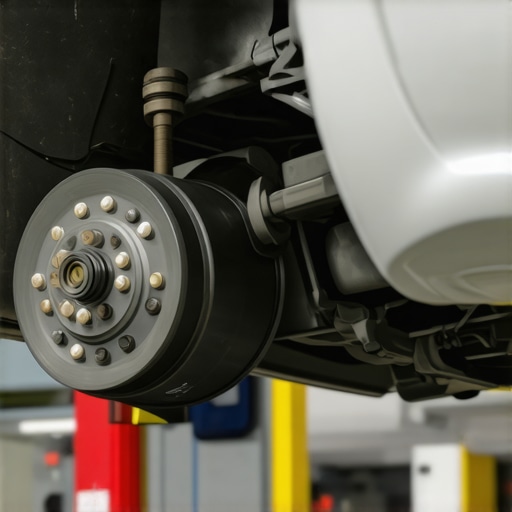
Ever had that gut-wrenching moment when your brakes squeal unexpectedly or your transmission hesitates right when you need quick acceleration? I remember the first time it happened to me — a sudden jerk during a busy intersection, and I realized just how vital proper maintenance is for safety. That lightbulb moment made me dive deep into the world of car care, especially focusing on brakes and transmissions, because let’s face it, these are the unsung heroes of safe driving. If you’re like me, you want to avoid those nerve-wracking surprises on the road, and I promise, with the right strategies, you can keep your vehicle reliable and safe throughout 2024. Today, I’ll share proven tips that will help you understand what to do, what to avoid, and how to ensure your car is ready for whatever the road throws at you.
Why Maintenance Matters More Than Ever
In recent years, advancements in automotive technology have made cars more reliable — yet, neglecting basic maintenance can turn that reliability into a ticking time bomb. According to the National Highway Traffic Safety Administration, nearly 30% of accidents involve vehicle failure, often linked to brakes or transmission issues. That’s a stark reminder that proactive care isn’t just about saving money; it’s about saving lives. As I learned early on, overlooking simple maintenance like checking brake fluid levels or transmission fluid can lead to costly repairs and dangerous driving conditions. Trust me, I made this mistake myself — I skipped regular brake inspections thinking it was unnecessary, only to face a squeal and reduced stopping power when it mattered most. That experience taught me the importance of staying ahead of potential problems. If you’re wondering how to avoid this, stay tuned. We’ll explore the top strategies for 2024 to keep your vehicle safe and dependable.
Is Car Maintenance Overhyped or Really Worth the Effort?
Honestly, I used to think that regular maintenance was more about convenience than necessity. But then I experienced a breakdown that could have been prevented with a simple brake check. It’s easy to dismiss routine service as a hassle or expense, but the truth is, neglecting it can lead to dangerous situations and hefty repair bills. Maintaining your brakes and transmission is like giving your car a health check-up — it ensures everything functions smoothly and safely. If you’re skeptical, consider that proper maintenance can improve your vehicle’s lifespan, fuel efficiency, and safety. Want to learn how to avoid costly repairs and stay safe on the road? Check out these expert tips for 2024. Ready to take control of your car’s health? Let’s dive into the practical steps that will make your driving safer and more reliable this year.
Inspect and Replace Brake Components Regularly
Think of your brakes as the shoes of your car—they need regular checking to prevent blisters or tears. I once neglected this and ended up with squealing brakes just before a long trip, which forced me to replace pads on the fly—costly and stressful. To avoid this, schedule brake inspections at least twice a year or whenever you notice a change in braking response. During these checks, focus on brake pad thickness, rotor condition, and brake fluid levels. If the pads are less than 3mm thick, it’s time for replacements. For a thorough check, visit top brake maintenance tips for 2024. Properly maintained brakes ensure safety and prevent last-minute breakdowns.
Replace Brake Fluid to Keep Brakes Responsive
Brake fluid absorbs moisture over time, which can lead to reduced braking power—a bit like trying to stop with muddy shoes. I learned this after a brake fade during a rainy day, which was a wake-up call. Drain and replace brake fluid every 2 years or as recommended by your vehicle manufacturer. Use the correct type specified in your owner’s manual. This simple step can dramatically improve braking performance and extend the life of your brake system.
Maintain Transmission Health for Smooth Shifting
Your transmission is the car’s nervous system, transmitting power smoothly from engine to wheels. I once ignored transmission fluid levels until my car started slipping gears, turning a simple drive into a repair nightmare. To prevent this, check transmission fluid monthly—especially in hot weather or heavy use. Use a clean dipstick and ensure fluid is at the correct level and has a bright red color. If it’s dark or smells burnt, it’s time for a flush. Regular transmission service extends its lifespan and prevents costly repairs. For expert guidance, see top transmission and brake services for 2024.
Flush Transmission Fluid When Necessary
Most vehicles benefit from a transmission flush every 30,000 to 60,000 miles. This process removes old, degraded fluid and replaces it with fresh lubricant—akin to changing your blood for better health. I scheduled a flush during my last oil change, and the difference was noticeable: smoother shifts and improved acceleration. Always have this done by qualified technicians to avoid damage, and ensure you use quality fluids that meet manufacturer specs.
Monitor and Address Leaks Promptly
Both brake and transmission fluids are vital, and leaks can silently cause failures. I once noticed a puddle under my car and ignored it—until my brakes felt spongy. Fix leaks immediately by consulting a professional; a small leak can escalate into major repairs. Keep an eye on fluid levels regularly, and don’t wait until warning lights come on. Early intervention saves money and keeps you safe on the road.
Use Quality Replacement Parts and Fluids
Choosing OEM or high-quality aftermarket parts ensures your repairs last longer and perform better. I learned this firsthand when I opted for cheap brake pads—within weeks, they squealed and wore unevenly. Investing in quality parts from trusted sources like best brake and transmission services guarantees safety and durability.
Schedule Professional Checkups
While DIY inspections are helpful, professional diagnostics catch issues early. Book annual or semi-annual service appointments with trusted auto repair shops, especially before long trips. Technicians use advanced tools to identify hidden problems, ensuring your vehicle remains reliable and safe. For comprehensive service providers, visit effective brake and transmission services for 2024.
Many car owners fall into common traps when it comes to auto repair and brake service. While most believe that regular oil changes and basic inspections are enough, there’s a nuanced layer of knowledge that separates amateurs from seasoned professionals. Let’s dig deeper into what most people get wrong about car maintenance, especially in the realms of transmission and collision repair, and how avoiding these pitfalls can save you money and safety.
Why Believing More Maintenance Means Better Cars Is a Myth
One widespread misconception is that more frequent maintenance always equals better vehicle performance. However, over-maintenance can sometimes lead to unnecessary parts replacements or fluid changes, which do not necessarily extend your car’s lifespan. Instead, following manufacturer-recommended intervals—like those outlined in your owner’s manual—is ideal. For example, some drivers replace transmission fluid too early, risking added costs without tangible benefits. According to a study by the Society of Automotive Engineers (SAE), adhering to OEM guidelines optimizes vehicle longevity and performance, avoiding needless repairs. So, be cautious of the “more is better” myth—sometimes less is more, if you know what your car truly needs.
Common Pitfall: Ignoring Subtle Signs of Transmission Trouble
Many drivers dismiss early warning signs such as delayed shifting or unusual noises, assuming they are minor issues. The danger here is that these small symptoms often escalate into costly repairs if ignored. The real trick is learning to recognize the subtle nuances—like slight slipping or transmission fluid discoloration—that indicate trouble. Regular professional transmission checks can catch these signs early, preventing breakdowns. Remember, a small leak or minor delay today can become a major failure tomorrow, so don’t dismiss the early “oops” moments.
Are DIY Auto Repairs Always Cost-Effective or Risky?
Many enthusiasts believe that tackling repairs on their own saves money. While DIY can be rewarding, it’s often fraught with risks—especially when dealing with complex systems like brakes or the transmission. For example, improper brake pad installation or fluid flushing can lead to safety hazards or damage that’s more costly to fix later. An expert tip is knowing your limits: routine tasks like checking brake fluid levels are safe, but anything more complex should be left to qualified professionals. The key is balancing DIY enthusiasm with safety and expertise, and recognizing when to seek professional help.
What Advanced Drivers Should Know About Collision Repair and Safety
Beyond basic maintenance, understanding the nuances of collision repair can be a game-changer. Many underestimate how minor body damage can hide structural issues that compromise safety. Advanced techniques like frame realignment and paintless dent repair are not just cosmetic—they restore integrity. Skipping these can lead to compromised crashworthiness or hidden rust issues. For comprehensive insights, explore collision repair tips tailored for 2024. Remember, investing in quality repair services ensures your vehicle remains safe and reliable, even after the smallest accidents.
Have you ever fallen into this trap? Let me know in the comments and share your experiences with car maintenance pitfalls. The more we learn, the safer and more economical our driving becomes.
How do I keep my car running smoothly over time
Maintaining your vehicle’s performance requires more than just basic checks; it demands the right tools and a disciplined approach. One of my personal favorites is a high-quality digital multimeter, which I use routinely to verify battery voltage, sensor signals, and electrical connections. It’s a small investment that pays off in early detection of electrical issues, especially with complex systems like transmission controls. Additionally, I rely on a dedicated torque wrench for all fastener adjustments, ensuring components like brake calipers and suspension parts are tightened to manufacturer specifications, preventing future failures.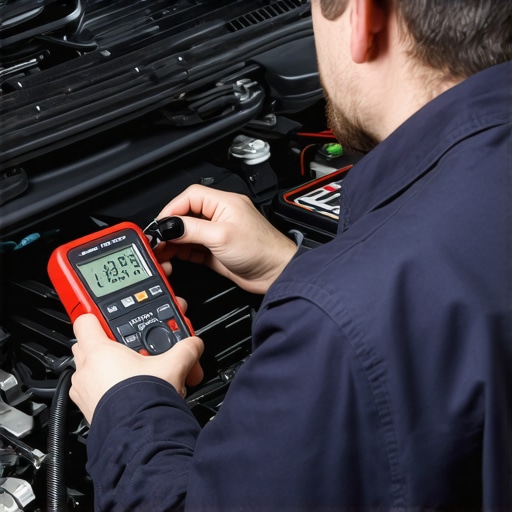
For fluid checks, I prefer a set of transparent, high-grade inspection tools, like a magnetic dipstick or a borescope, to see inside hard-to-reach places without dismantling more parts than necessary. These allow me to monitor transmission and brake fluid conditions in real-time, catching potential problems before they escalate. Moreover, I swear by an OBD-II scanner, which connects to my smartphone via Bluetooth. This device pulls codes from my car’s ECU and provides real-time data from sensors—crucial for diagnosing issues early and avoiding costly repairs. In my experience, a good scanner like the BlueDriver offers diagnostic depth comparable to professional tools, making it invaluable for DIY enthusiasts and professionals alike.
Looking ahead, the trend is moving toward smarter diagnostic tools integrated with AI, capable of predictive maintenance based on usage patterns. As cars become more connected, I predict that future tools will analyze data continuously, alerting you to service needs before symptoms even appear. This shift will transform maintenance from reactive to proactive, saving money and enhancing safety.
To get started today, I recommend trying out a quality OBD-II scanner. It’s a game-changer in understanding your vehicle’s health and can help you stay ahead of potential issues, especially those sneaky transmission or brake problems. Regular use of such tools not only extends your car’s lifespan but also ensures peace of mind on every trip. For expert guidance on this, check out top maintenance tips for 2024 and see how these tools can complement professional services for optimal results.
Lessons That Changed My Approach to Car Care
- Early on, I realized ignoring small signs like brake squeal or delayed shifting could lead to costly repairs. Now, I pay closer attention to my vehicle’s behaviors and address issues before they escalate.
- Investing in quality parts and trusting expert services has saved me from repeated breakdowns. Cheap replacements often lead to short-term fixes, but quality ensures safety and longevity.
- Using diagnostic tools like an OBD-II scanner has been a game-changer. I can catch problems early and avoid surprises on the road, especially with transmission and brake systems.
Tools and Resources That Keep My Car Running Smoothly
- My go-to resource is the top-maintenance guide for 2024. It offers expert advice tailored for modern vehicles and helps me prioritize what needs attention.
- The BlueDriver OBD-II scanner is invaluable. It connects to my smartphone and provides detailed diagnostics, saving time and money by catching issues early.
- I trust professional brake and transmission services for complex repairs, ensuring my vehicle remains safe and reliable.
Embrace Proactive Car Care and Drive Confidently
Taking control of your vehicle’s health can seem daunting, but with the right knowledge and tools, you can prevent many common issues. Regular maintenance, timely repairs, and professional checkups are your best allies for safer driving in 2024. Remember, a well-maintained car isn’t just about avoiding breakdowns—it’s about protecting yourself and loved ones on every journey.
What’s the one maintenance tip you wish you’d learned earlier? Share your experiences below and let’s grow together in safe, smart car care!