
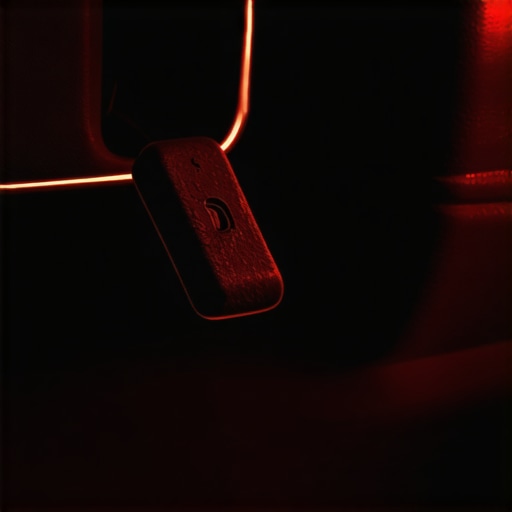
It was 11:30 PM on a Tuesday when my neighbor, Gary, knocked on my door with a look of genuine concern. "Hey, your car’s glowing," he said. I walked out to the driveway, squinting through the darkness, and sure enough, my old reliable sedan was sitting there with its brake lights beaming at full blast. I wasn’t anywhere near the keys, let alone the pedal. My first instinct was that I had some kind of expensive electrical ghost haunting the wiring. I spent the next hour frantically pulling fuses because I knew if those lights stayed on, I’d be hunting for a jump-start by sunrise. That night was a stressful introduction to the world of phantom brake lights, but it taught me that what looks like a major electrical catastrophe is often just a tiny, cheap mechanical failure. Today, I am going to help you identify exactly why those lights won’t quit and how you can fix it before your battery gives up the ghost.
Your Car Isn’t Haunted but Your Battery is Definitely at Risk
A car that won’t stop signaling is more than an annoyance; it is a ticking clock for your alternator. When your brake lights stay illuminated, they pull a constant current that most car batteries aren’t designed to handle for hours on end. If you’ve already woken up to a car that won’t crank, you might want to learn the trick to finding a parasitic battery drain that kills your car overnight. In most cases, the culprit is a small plastic or rubber part called a brake light switch stopper that has simply crumbled into pieces on your floorboard. I made the embarrassing mistake of once replacing an entire brake light switch—and almost the master cylinder—only to realize a tiny piece of plastic had snapped off the pedal arm. It’s a classic example of why essential car service checks are so important. According to data from the National Highway Traffic Safety Administration (NHTSA), faulty brake light switches and their components have been the subject of millions of vehicle recalls over the last decade, proving this isn’t just a ‘you’ problem—it’s a massive industry-wide headache.
Is this just a sign that my entire electrical system is failing?
It is easy to spiral into thinking your car needs a trip to a specialist for a complete auto repair overhaul, but take a breath. While a stuck light can feel like the beginning of the end, it is rarely a symptom of a total system collapse. Most of the time, the switch at the top of your brake pedal is just stuck in the ‘on’ position because it doesn’t have anything to push against anymore. Before you panic and start calling every brake service professional in the zip code, we are going to look at the simple mechanical fixes you can do right in your driveway. Have you ever walked out to your car and seen those red lights staring back at you? It’s a sinking feeling, isn’t it? Let’s get that fixed so you can sleep soundly again.
Look Up Behind the Pedal Arm
To solve the mystery of the glowing sedan, you have to get uncomfortable. Grab a flashlight and crawl into the driver’s side footwell. Look up at the top of the brake pedal arm. You are looking for a small electrical switch with a plunger. Think of this switch like the one in your refrigerator door; when the door is closed (or the pedal is up), the plunger is pushed in, and the lights stay off. When you step on the brakes, the pedal arm moves away, the plunger pops out, and the circuit closes, lighting up those red bulbs behind you. If those lights are on while the car is parked, that plunger isn’t being compressed. This mechanical disconnect is a primary reason people find themselves needing a jump-start, and it’s a vital part of the ultimate guide to auto repair for any DIY owner.
Check Your Floor Mat for Broken Plastic
Before you start unbolting wires, look down at your floor mat. Do you see tiny shards of yellow, white, or black plastic? This is the ‘aha!’ moment. Most cars use a small plastic or rubber ‘stopper’ inserted into a hole on the brake pedal arm. The switch plunger is supposed to press against this stopper. Over time, heat and age make that plastic as brittle as a cracker, and it eventually shatters. Without that $2 piece of plastic, the switch plunger just pokes through an empty hole in the pedal arm, ‘thinking’ you’ve got the brakes floored. I once spent an hour diagnosing a complex wiring fault on an old hatchback only to realize I was literally stepping on the broken pieces of the solution. This is one of those essential car service checks that can save you a hundred-dollar diagnostic fee at a shop. While you’re down there, it’s a good habit to glance at your pedals generally; if you’ve noticed why your brake pedal sinks slowly while you are sitting at a light, you might have a hydraulic issue brewing alongside this mechanical one.
Use a Nickel to Save Your Battery Tonight
If you find that the stopper has crumbled and you can’t get to a parts store until morning, don’t just pull the battery cable. You can perform a ‘MacGyver’ fix with a nickel and some strong tape. Tape the coin over the hole where the stopper used to be. The thickness of the nickel is usually just enough to depress the switch plunger and kill the lights. I did this once in a grocery store parking lot using a bit of electrical tape I found in my glovebox. It worked so well I almost forgot to buy the actual replacement part. However, if the stopper is perfectly intact but the lights are still on, the switch itself has likely failed internally. A failing switch doesn’t just drain your battery; it can also prevent your cruise control from working or even lock your shifter in ‘Park.’ For those driving automatics, keeping the switch functional is among the top transmission repair tips because the brake signal is what tells the car it’s safe to shift gears. You should also take a moment to learn how to check your brake pads without taking the wheels off while you are in a maintenance headspace, as a complete brake system check ensures your safety isn’t just about being seen, but about being able to stop.
The Brake Switch is More Than Just a Light Trigger
Most drivers assume that the brake light switch is a simple on-off toggle, similar to a light switch in your living room. In reality, modern vehicle architecture treats this switch as a vital data point for the engine control module. When I first started working on cars, I thought if the lights worked, the job was done. But here is the truth: a poorly adjusted switch or a cheap, soft rubber replacement stopper can cause the computer to think the brakes are slightly applied even when they aren’t. This doesn’t just drain your battery; it can lead to ‘brake dragging’ where the car’s safety systems fight your acceleration. Have you ever fallen into this trap? Let me know in the comments. In my experience, people often rush to buy a whole new switch when the issue is actually the alignment of the pedal arm itself. This is why essential car service checks should always involve a physical inspection of the pedal assembly, not just a scan for error codes.
Can a Broken Plastic Stopper Really Mess Up My Transmission?
The short answer is a resounding yes. For vehicles with automatic transmissions, the brake switch provides the ‘shift interlock’ signal. If the switch stays ‘on’ because that tiny plastic stopper fell out, your car’s computer might prevent the torque converter from locking up at highway speeds, or worse, it could lead to erratic shifting. It is one of the most overlooked top transmission repair tips: always check your brake signals before assuming your gearbox is dying. According to a report by the Car Care Council, nearly 80% of vehicles on the road require some form of maintenance or repair, and electrical sensor discrepancies—like a faulty brake signal—are among the top contributors to poor fuel economy. 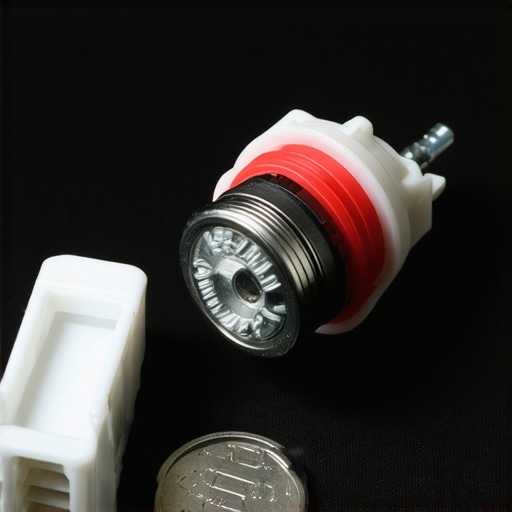
The Trap of Quick Fix Liquids and Cheap Parts
One of the biggest mistakes I see DIYers make is trying to solve every automotive symptom with a ‘mechanic in a bottle.’ While a nickel and tape can get you home tonight, why relying on transmission leak repair fluid is often a costly mistake also applies to using the wrong adhesive or makeshift parts for your brake pedal. I’ve seen people use superglue to attach a piece of cardboard to their brake arm, only for the heat of the cabin to melt the glue and jam the switch in the ‘off’ position—which is far more dangerous than leaving the lights on. If you’ve recently been in a minor fender bender and your lights started acting up, keep in mind that why your cars safety sensors need a reset after any front end work is a critical step often missed by budget shops. A slight shift in the dash or pedal cage during an impact can throw the switch out of alignment. If you can’t get it right yourself, searching for the best brake service in 2025 will ensure you find a shop that understands the nuance of sensor calibration, not just bolt-turning. Take the time to look deeper than the surface; your car’s longevity depends on it.I have spent way too much money on fancy diagnostic tools that I only used once, but when it comes to chasing electrical ghosts in the dashboard, there are two things I never go without: a high-quality silicone lubricant and a bidirectional OBD-II scanner. If you really want to master the ultimate guide to auto repair, you need to understand that the scanner isn’t just for reading ‘Check Engine’ codes. A bidirectional tool, like the Foxwell NT510, allows you to pull up live data streams to see exactly when the computer registers a brake pedal press. This is a game-changer because it tells you if the problem is the mechanical switch or a software glitch without you having to spend twenty minutes folded like a pretzel in the footwell. I use this method to verify my repairs every time I perform essential car service checks, ensuring that the signal reaching the ECU is as clean as the physical part I just installed.
Stop Squinting and Get a Better Flashlight
If you are still using your phone’s flashlight to look under the dash, you are making the job three times harder than it needs to be. I personally use a magnetic LED ‘neck light’ that keeps my hands free to wiggle the brake switch connector. While you are under there, it is worth checking the integrity of the wiring harness itself. Over time, the constant vibration of the pedal assembly can chafe the wires. This is one of the top transmission repair tips for DIYers: always ensure your electrical signals aren’t being interrupted by physical wear, as a short in the brake circuit can mimic a failing shift solenoid. According to technical specifications found in Honda Service Bulletin 03-019, even a slightly misaligned stopper or switch can cause intermittent electrical resistance, which is why precision matters more than just getting the lights to turn off once. 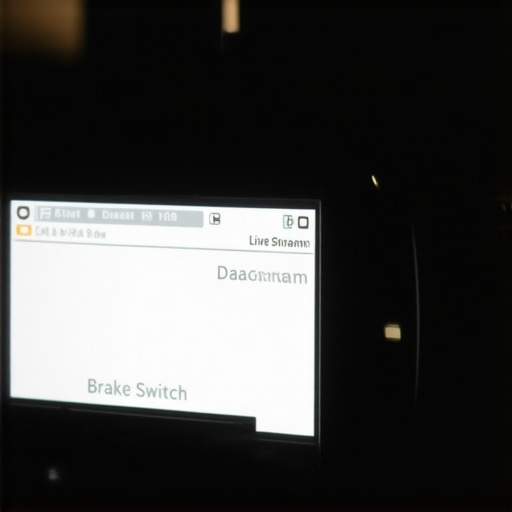
How can I keep my brake system reliable for the next decade?
The secret to long-term reliability is simple: heat management and lubrication. Every two years, I recommend applying a tiny dab of dielectric silicone grease to the tip of the switch plunger. This prevents the plastic-on-plastic friction that eventually leads to the plunger sticking or wearing down. It’s a five-minute task that fits perfectly into your essential car service checks and can save you from a dead battery three years down the road. Furthermore, keep an eye on the cabin temperature; if you live in a hot climate like Arizona, the plastic stoppers will degrade faster. I’ve started replacing these $2 plastic bits every five years as a preventative measure. This proactive approach is exactly what I look for when researching the best brake service in 2025—technicians who fix the cause before the symptom appears.
The Future of Stopping is Digital
Looking ahead, the days of these mechanical ‘plunger’ switches are numbered. We are rapidly moving toward ‘brake-by-wire’ systems, where a digital pressure sensor on the master cylinder does all the work. While this removes the crumbling plastic stopper from the equation, it introduces complex software calibrations that will require even more advanced diagnostic skills. If you aren’t comfortable with live data yet, now is the time to learn. If you’ve already mastered the basics and want to level up, try ‘back-probing’ your switch connector with a multimeter while it’s still plugged in. This allows you to verify that voltage is actually flowing through the circuit under load, which is the gold standard for verifying a repair. Give this advanced tip a shot next time your lights act up; it’s the difference between guessing and knowing your car is safe.
The Tiny Plastic Piece That Taught Me Everything About Car Maintenance
After years of chasing “electrical ghosts,” I realized that cars are often much simpler than we give them credit for. My biggest lightbulb moment happened when I found a shattered yellow stopper on my floor mat—it was a humbling reminder that the most complex systems often fail at their simplest mechanical point. If you want to avoid a total ultimate guide to auto repair headache, always look for physical debris before suspecting a computer failure. I’ve also learned that if your lights are behaving oddly, you should check how to tell if your alternator is overcharging your battery, as voltage spikes can sometimes mimic switch failures. Finally, never underestimate the power of a temporary fix like a nickel—it is not a “hack” if it keeps you from being stranded in the morning.
The Survival Kit I Keep for Electrical Gremlins
To keep my sanity intact, I now carry a few specific items in my glovebox. First, a multi-pack of universal brake pedal stoppers—they cost pennies and fit almost every Japanese and Korean car on the road today. Second, Dielectric Silicone Grease is non-negotiable; a tiny dab keeps the switch plunger from seizing up in high heat. Third, I highly recommend a magnetic neck light because holding a phone in your teeth while reaching behind a brake pedal is a recipe for a bad afternoon. If you are dealing with more than just lights, such as weird shifting or gear hunting, review these top transmission repair tips to see how your brake signal influence your gearbox logic. #IMAGE_PLACEHOLDER_E#
Reclaim Your Peace of Mind and Your Battery Life
Staring at those glowing red lights in your driveway at midnight is a stressful experience, but now you have the blueprint to fix it. Whether it is a $2 plastic part or a quick adjustment of the switch itself, you are more than capable of handling this simple repair. Taking these small steps is part of the essential car service checks that separate a reliable daily driver from a project car. If you find the job is bigger than a simple stopper, don’t hesitate to consult the best brake service in 2025 to ensure your safety sensors are calibrated perfectly. Go get that flashlight—you have a battery to save! Have you ever found those mysterious plastic shards on your floorboard and wondered what they were? Let me know your “aha!” moment in the comments below!