
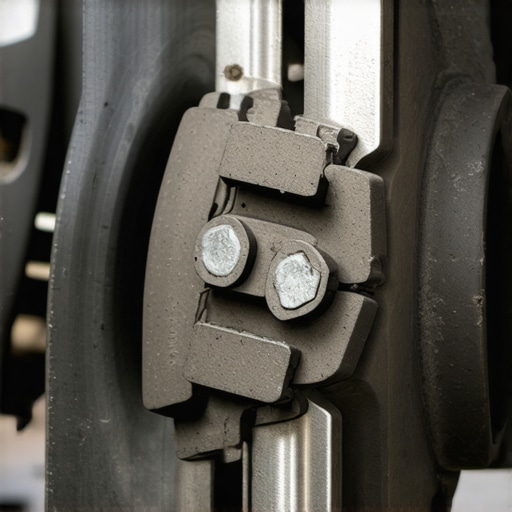
Have you ever slammed on the brakes, only to hear that unsettling squeal, and then notice your steering wheel pulling slightly to one side? I sure have. One morning, I was rushing to work, and my car started pulling more than usual whenever I hit the brakes hard. That lightbulb moment made me realize something was wrong with my brake system. Turns out, uneven brake pad wear was the culprit, specifically on the inner side of the rotor. It’s a problem that can sneak up on you, and if ignored, it can lead to more costly repairs or even safety hazards.
Getting to the Root of Inner Brake Pad Wear
Why is the Inner Side of Brake Pads Wearing Faster?
Remove the Wheel to Access Brake Components
Start by safely jacking up your vehicle and removing the wheel on the affected side. Use jack stands to secure the car. I remember the first time I did this, fumbling with the lug wrench, but once the wheel came off, the brake assembly was right there, clear and accessible.
Inspect the Brake Rotor and Pads Carefully
Identify Uneven Wear Patterns
Look for brake pads that are significantly thinner on the inner side compared to the outer. The rotor might also show uneven scoring or hotspots. I learned that this uneven wear often indicates caliper issues or brake pad misalignment.
Check for Caliper Seizures or Sticking
Gently press the caliper piston back and forth to see if it moves smoothly. A sticking caliper can cause one side to wear faster, especially the inner pad. I once found mine partially frozen, causing inner pad wear and steering pull, and addressing it improved braking significantly.
Replace or Service Brake Calipers
If you find that the calipers are sticking or seized, replacing them is crucial. For calipers that are just sticking, a thorough cleaning, lubricating slides, and reassembly can suffice. I prefer replacing calipers to ensure long-term reliability, especially if signs of corrosion are evident.
Measure Brake Pad Thickness and Replace if Necessary
Use a caliper tool to measure pad thickness. If the inner pads are below 3mm, replacing them is advisable. Always replace pads in pairs to maintain even braking performance. When I replaced my pads, I opted for high-quality ceramic ones, which reduced brake dust and noise.
Ensure Proper Hydraulics and Clear Brake Lines
Bleed the brake system to remove any air, which can cause uneven brake pressure. This step is critical if you’ve serviced calipers or replaced pads. I followed the vehicle’s manual and used a brake bleeding kit, which made the process easier and prevented future uneven wear caused by inconsistent pressure.
Reassemble and Test Drive Carefully
After everything is reassembled, torque the lug nuts to the manufacturer’s specifications. Lower the vehicle, and perform a cautious test drive, gradually applying brakes to feel for proper engagement. I once experienced improved braking and steering alignment after this process, confirming the effectiveness of proper brake maintenance.
When it comes to vehicle maintenance, many car owners operate under misconceptions that can lead to costly mistakes. One widespread myth is that all brake services are created equal, but in reality, choosing the right type of brake repair depends on your driving habits and vehicle usage. For example, many believe that replacing brake pads alone is sufficient, but neglecting caliper inspection or rotor condition can result in uneven wear and reduced safety. Expert mechanics emphasize that understanding the nuanced differences in brake components and their interactions is crucial for long-term performance, as discussed in our [comprehensive guide on auto repair](https://collisionrenew.com/the-ultimate-guide-to-auto-repair-keep-your-car-running-smoothly).
Why Do So Many Overlook Transmission Health Until It Fails?
It’s common for drivers to ignore transmission maintenance until symptoms become severe. A typical mistake is assuming that transmission fluid lasts forever; however, even ‘lifetime’ fluids can degrade over time, especially under heavy load or high mileage. Regular inspections and proactive fluid changes—guided by a professional—prevent early failures. Studies by automotive engineers indicate that timely transmission service can extend a vehicle’s lifespan significantly, which underscores the importance of understanding the hidden nuances that differentiate minor repairs from major breakdowns. This is especially relevant since a small issue like early slipping can cascade into costly repairs if not addressed promptly. For more detailed strategies, see [top transmission repair tips](https://collisionrenew.com/top-transmission-repair-tips-for-long-term-vehicle-reliability).
Another common trap involves the assumption that all auto repair shops are equally equipped and experienced. Many forget to verify credentials or the use of quality parts, leading to subpar service that might fix the symptom but not the root cause. A savvy car owner digs into reviews and asks specific questions about parts and techniques used. Dive into our [trusted collision renewal strategies](https://collisionrenew.com/collision-renewal-strategies-restoring-your-car-to-perfection) to learn how to select the best service provider and avoid pitfalls that could cost you hundreds down the line.
Addressing advanced doubts, one question that seasoned enthusiasts often debate is: ‘Are high-mileage additives truly effective in prolonging transmission and engine life?’ Though marketing pitches often advertise these products as miracle cures, automotive experts clarify that proven preventative maintenance—like regelmäßige oil changes and system inspections—remains the most reliable method. Consulting trusted sources and avoiding over-reliance on quick fixes can save you money and headaches in the long run. For additional insights, check our [detailed article on essential car service checks](https://collisionrenew.com/essential-car-service-checks-to-extend-your-vehicles-life).
In summary, advancing beyond common myths in collision and auto repair involves understanding the subtle differences in service components, recognizing early warning signs, and making informed decisions. Have you ever fallen into this trap? Let me know in the comments, and stay vigilant to keep your vehicle running smoothly and safely.
Keep it Running: Tools I Recommend for Auto Care
Maintaining your vehicle’s collision repair, brake system, and transmission health over time requires more than just knowledge—it demands the right tools. I personally rely on high-quality diagnostic scanners like the Autel MaxiCOM series because they provide comprehensive ECU fault codes and real-time data, which helps identify issues before they escalate. For precise brake work, a digital caliper ensures accurate pad measurements, preventing premature wear and uneven braking. My go-to for brake pad replacement is the Park Tool Digital Caliper; its durability and accuracy make the process straightforward, saving time and avoiding costly mistakes.
When it comes to transmission maintenance, fluid analysis tools like the Checker Oil Test Kit allow me to gauge fluid condition without dismantling components, guiding me on whether a flush or complete overhaul is necessary. For those engaged in DIY repairs, an advanced Doppler stethoscope helps locate elusive engine or transmission noises, giving you a competitive edge over guesswork. I’ve found that investing in an infrared thermocouple, such as the Fluke TI150, aids in detecting overheating components, which can be signs of imminent failure, especially in brake and transmission systems.
Regarding software, I utilize repair manuals with embedded diagnostic guides, like ALLDATAdiy, which streamline troubleshooting and ensure I follow manufacturer-specific procedures—crucial for complex systems like transmissions. Additionally, extended warranties and service planning tools can help consider future scaling, like upgrading brake components or transmission parts as your vehicle ages—think of it as setting a long-term roadmap for your car’s health.
Forecasting the Future of Auto Maintenance Tools
Looking ahead, I believe the integration of AI-driven diagnostic devices and remotely connected sensors will become standard in vehicle maintenance. Imagine sensors that alert you to wear-and-tear in real-time, seamlessly integrating with your smartphone. This shift will make car care more proactive, reducing emergency repairs and extending vehicle lifespan. Staying updated with upcoming innovations is crucial, so I recommend following industry leaders and attending auto tech expos periodically.
How do I maintain collision repair and brake systems over time?
Consistent monitoring using diagnostic tools and adhering to scheduled inspections, as outlined in our comprehensive guide on auto repair, help catch emerging issues early. Regular fluid analysis, component inspections, and updating software ensure your vehicle remains reliable and safe. Plus, investing in quality parts and tools—like those I’ve mentioned—makes a tangible difference in the longevity of your repairs. Take the initiative today by trying out a diagnostic scanner or measurement tool; it can be your best ally in long-term vehicle health.
What the Garage Taught Me About Honesty and Precision
One of the most valuable lessons I learned during my experiences with collisionrenew is the importance of transparency. True technicians don’t just fix what’s broken—they educate their clients on the why and how, building trust that lasts beyond a single repair. I found that taking the time to explain complex details in plain language not only demystifies the process but also empowers car owners to make informed decisions about their vehicle maintenance.
Overcoming the Myth of Quick Fixes with Patience
Early in my journey, I believed that a fast repair was always the best option—until I saw how shortcuts led to recurring problems or even bigger damage. The real benefit of patience lies in thorough inspections; addressing the root cause rather than just scratching the surface saves money and prevents future headaches. This principle applies whether working on brakes or transmissions, emphasizing that quality work beats speed every time.
Learning to Read Between the Lines of Diagnostic Data
Modern cars are loaded with sensors and computer systems, and interpreting this data requires a keen eye. I realized that a mere reading isn’t enough—understanding what the data means in real-world terms helps identify issues that aren’t immediately obvious. This skill has been crucial for troubleshooting problems like uneven brake pad wear or slipping transmissions, and it underscores the importance of investing in reliable diagnostic tools like the ones recommended in our comprehensive auto care guide.
Curated Gear for the Serious DIY Enthusiast
Over the years, I’ve come to trust specific tools that make auto repair safer and more manageable. For instance, high-quality digital calipers ensure precise measurements, preventing premature wear. An infrared thermocouple helps detect overheating that might lead to brake failure. All these tools, which you can explore in our collision renewal strategies resource, have transformed my approach from amateur to confident repair enthusiast.
The Power of Proactive Maintenance in Car Longevity
Waiting for warning lights or symptoms to appear often leads to costly repairs. Instead, scheduling routine inspections and timely fluid changes—guided by trusted advice—can extend your vehicle’s life significantly. For example, regular brake checks can prevent corrosion and sticking calipers, while transmission services keep shifts smooth and reliable. Remember, prevention is always more affordable than repair, and embracing this mindset is key to keeping your auto investment in top shape. For actionable strategies, browse our ultimate auto repair guide.
Your Next Step in Car Care Awaits
Auto repair and collision renewal are more than just maintenance—they’re a passion that can save you money and ensure safety. By embracing honesty, patience, data literacy, quality tools, and proactive habits, you’re setting yourself up for long-term success. Start small today—perhaps with measuring brake pad thickness or updating your diagnostic software—and watch your confidence grow. Remember, every journey begins with a single step toward better vehicle care. Curious about specific repairs or tools? Drop a question below and let’s keep the conversation going!