
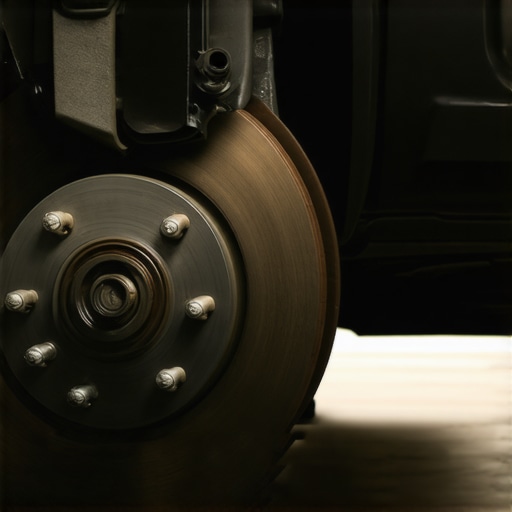
Starting my car one morning, I noticed an unsettling groan every time I slowly crept forward in traffic. That grating sound made my stomach drop—it was like nails on a chalkboard, but worse, it signaled something might be seriously wrong with my brakes. At first, I brushed it off as normal wear and tear, but as days went on, that nagging noise became impossible to ignore. If you’re experiencing the same issue, I get it—it’s enough to make you hesitant to hit the road.
Understanding the Groan: What’s Really Going On Behind the Sound
Many drivers, myself included, underestimate how vital properly functioning brakes are to safety. That groan or squeal when you start to move slowly isn’t just an annoying noise; it’s a warning sign. It often indicates issues like worn brake pads, rust buildup, or possibly contaminated brake components. These problems might seem minor at first, but delaying repair could lead to more serious and costly damage, or worse, compromise your safety.
But what causes this specific groaning noise during slow movements? Usually, it’s the result of metal-to-metal contact or rust forming between the brake pad and rotor. When you park your car in high humidity or when moisture settles on your brake components, rust can develop quickly, especially if your vehicle isn’t driven regularly. Every time you begin to move, the brake pads scrape off that rust, creating the groaning sound.
Want to skip the guesswork and get your brakes back to whisper-quiet? Well, understanding the root cause is half the battle. In my own experience, a simple cleaning and inspection can often resolve the issue if it’s just surface rust or minor wear. But if the noise persists or is accompanied by reduced braking performance, it could indicate deeper problems like worn-out brake pads or warped rotors.
According to automotive experts, neglecting these signs can lead to uneven brake wear or even brake failure over time, which is a risk no driver should take. Regular brake inspections are crucial, as they help spot problems early—saving you money and ensuring your safety on the road.
Now that I’ve set the stage with a bit of personal story and some background, let’s dive into identifying the exact cause of your brake groaning and exploring practical solutions. Whether it’s a quick fix or time for a professional service, understanding what’s happening under your wheels is the first step toward safer driving.
Start With a Visual and Physical Inspection
Begin by parking your vehicle on a level surface, engaging the parking brake. Remove your wheel(s) to access the brake assembly. Look for obvious signs of rust, uneven wear, or damage on the brake pads, rotors, and calipers. Gently run your finger across the brake pads; if they are less than a quarter inch thick, they may need replacement.
Assess Rust and Surface Contaminants
If you’ve parked your car outside during humid weather, surface rust might be the culprit. Use a wire brush or brake cleaner to remove light rust from the rotor surface. Apply brake cleaner generously, and scrub lightly with a clean cloth to remove debris. This simple step often resolves minor groaning caused by rust buildup, similar to how a quick rinse can clear stubborn grime from a window.
Check Brake Pad Wear and Alignment
Inspect the worn appearance of the brake pads. Uneven wearing patterns can cause uneven contact with the rotor, leading to noise. If pads are unevenly worn or damaged, replacing them will restore proper contact and quiet operation. Ensure pads are aligned correctly within the caliper bracket. Misalignment can be like trying to fit a puzzle piece in the wrong place, causing friction and noise.
Clean the Brake Components Thoroughly
After inspecting and removing rust, clean all brake components with a dedicated brake cleaner. Spray liberally on the pads, rotors, and calipers. Use a soft brush to remove stubborn dirt. This process eliminates contaminants that can cause squealing or groaning, similar to cleaning a lens for clearer vision.
Inspect for Brake Pad Caliper Issues
Check if the calipers move freely. Sticking calipers can cause uneven pad pressure, leading to noise. Gently press the caliper piston back into its housing with a C-clamp or brake piston tool. If it moves stiffly or makes unusual noises during this process, a caliper replacement might be necessary. Think of it as a door hinge that needs lubrication to operate smoothly.
Test Drive and Observe
Reassemble the wheel, tighten lug nuts properly, and take your car for a slow test drive. Pay close attention to any noises. If the groan persists, consider applying a high-temperature brake lubricant to contact points and pads, which can reduce friction-induced squeal. Use this step cautiously, as improper application can worsen noise or reduce braking effectiveness.
Decide When to Seek Professional Help
If you’ve completed these steps and the issue remains, or if you notice reduced braking performance, it’s time to visit a professional. Persistent groaning may involve warped rotors, worn calipers, or contaminated brake fluid—problems best handled by experts. Professional brake service can also provide a detailed inspection, ensuring your safety and prolonging your braking system’s life. For tips on selecting the best service providers, check out this guide.
Many car owners believe they understand the basics of transmission and vehicle maintenance, but beneath the surface lie common misconceptions and overlooked nuances that can jeopardize your vehicle’s longevity. For instance, it’s widely assumed that all transmission issues are immediately catastrophic, yet subtle signs like slipping or delayed engagement often indicate early problems that can be addressed with proper diagnostics, saving you costly repairs later. Experts emphasize that regular transmission fluid checks and timely servicing are crucial, as overlooked fluid degradation can cause severe damage even before symptoms become apparent—a point often missed by average drivers. Moreover, there’s a prevailing myth that auto repairs are always expensive and unnecessary if the car still runs; however, routine inspections and proactive repairs—such as addressing minor leaks or worn components—can extend your vehicle’s lifespan significantly, provided you understand the nuanced signs of wear. One critical area often misunderstood involves the importance of fluid quality and compatibility. Using generic or low-quality fluids can accelerate system wear, yet many overlook this detail during maintenance. According to industry studies, specific formulations tailored for your vehicle ensure optimal performance and reduce the risk of minor issues escalating into major failures. When it comes to collision repair, many think that repairs are solely about restoring appearance, but professional collision renewal strategies focus on restoring structural integrity and safety standards—an aspect sometimes underestimated by DIY enthusiasts. As for brake service, a common mistake is neglecting the importance of proper rotor and caliper inspection, which can cause uneven wear and unpredictable braking behavior. Advanced issues like caliper sticking or warped rotors are often hidden behind seemingly minor symptoms but can be identified early through meticulous inspection, preventing dangerous failures. Now, considering these hidden nuances, ask yourself: have you ever fallen into this trap of complacency or misunderstanding? Addressing these complex facets requires a combination of expert knowledge and attentive maintenance—so don’t hesitate to seek professional advice when in doubt. For a comprehensive approach to keeping your car in top shape, check out our post on collision renewal strategies or top transmission repair tips. Staying ahead of these pitfalls ensures your vehicle remains reliable, safe, and cost-effective over the years. Remember, knowledge is your best tool against unnecessary repairs—invest in regular, thorough inspections and stay informed about evolving best practices.Maintaining your vehicle’s transmission, brakes, and overall systems requires precision tools and structured methods. My go-to equipment includes a high-quality OBD-II scanner like the BlueDriver Pro, which I rely on for immediate diagnostics without the need for a garage visit. It provides real-time data and comprehensive codes, enabling me to identify issues early, such as pending transmission faults or misfires, before they escalate. Additionally, I prefer a ultrasonic leak detector for efficient identification of fluid leaks, especially in hard-to-see areas, saving time and preventing major repairs. For service, I utilize a professional-grade brake lathe when resurfacing rotors—this ensures a smooth, balanced brake system that prolongs component life and delivers quiet performance. My method emphasizes regular data monitoring with these tools, combined with scheduled inspections aligned with manufacturer guidelines, like those outlined in essential car service checks. In the future, predictive maintenance fueled by AI-driven diagnostic software could revolutionize vehicle upkeep, providing proactive alerts for parts nearing failure based on usage patterns.
How do I maintain my transmission over time?
Regularly checking and changing transmission fluid with a manufacturer-recommended, high-quality synthetic like Pennzoil Synchromesh helps prevent slippage and ensures smooth shifting. Using an advanced diagnostic scanner periodically helps me catch early signs of slipping or harsh engagement, which, according to top transmission repair tips, is vital to extend transmission lifespan. Also, inspecting the transmission filter and seals during routine maintenance prevents contamination that can cause costly repairs down the line. Remember, consistent service with reliable tools and staying informed about your vehicle’s health keeps it running efficiently for years to come.
Lessons That Transformed My Approach to Auto Care
One of the most eye-opening lessons I learned is that car maintenance isn’t just about fixing problems when they happen, but about understanding the subtle signs your vehicle gives you. For instance, that persistent groan in the brakes was a wake-up call, urging me to look beyond surface noise and investigate deeper issues like rust or misalignment. Realizing that simple inspections and cleanings can often prevent costly repairs saved me both time and money, highlighting the importance of proactive care. Additionally, I’ve come to appreciate the value of investing in quality tools, such as a reliable diagnostic scanner, which empower me to catch issues early and maintain my vehicle’s health confidently. These insights have reshaped my perspective, making me a more attentive and informed car owner.