
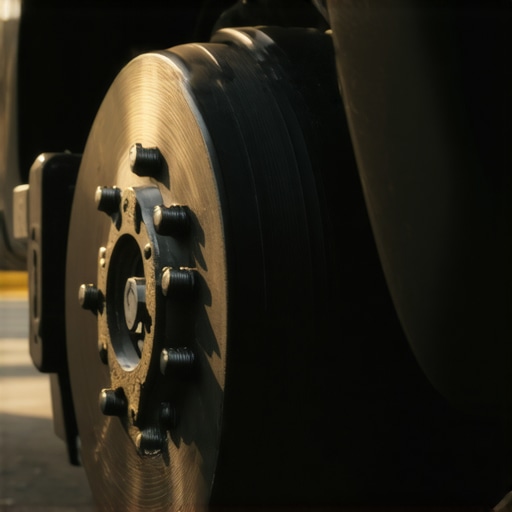
Ever been in a rush to leave, only to be greeted by that annoyingly familiar squeal from your brakes as soon as you fire up the engine? That high-pitched warning can sound like nails on a chalkboard, and honestly, it has puzzled many drivers—including myself—more times than I care to admit. I remember one chilly morning, ready to leave for work, hearing that squeak right when I stepped on the brakes the first time. It was enough to make me worry about a costly repair, but it turned out to be a common, understandable issue.
Decoding the Squeak: Why Your Brakes Chirp Only in the Morning
That morning squeal was a real lightbulb moment for me. It’s often not a sign of impending disaster but rather a quirk of how your brake system reacts to initial use after sitting overnight. Today, I’ll share what I’ve learned from personal experience and professional insights, so you don’t have to guess or panic each time it happens.
Is This Really Something to Worry About?
Early in my repair journey, I made the mistake of ignoring that squeak, thinking it was just a minor annoyance. But ignoring it can lead to more serious issues, like uneven brake wear or even caliper sticking. The truth is, in many cases, this morning squeal is caused by a thin film of moisture or rust forming on the brake pads or rotors overnight. When you start driving, that rust gets scraped off, making the squeaking noise temporarily. According to auto repair experts, this is a common phenomenon and usually harmless—yet worth understanding to prevent unnecessary panic or costly repairs.
But here’s where things get interesting. If you notice that the squeak persists even after the first few stops, or if it worsens over time, then it’s time to dig deeper. Regular brake inspections and maintenance can prevent minor issues from turning into major troubles, extending your vehicle’s lifespan. Want to ensure your car maintains optimal braking performance? Check out essential car service checks that will keep your brakes in top shape.
Now that we’ve covered why this squeak happens initially, let’s get into the practical steps you can take to troubleshoot and fix this problem — saving you time, money, and the frustration of unexplained noises every morning.
Inspect Brake Pads and Rotors for Rust or Moisture
Start by visual inspection of your brake pads and rotors, especially if the squeal occurs only in the morning. Use a flashlight and remove the wheel if necessary to get a clear view. Look for rust buildup or a thin layer of moisture on the surface. During one recent repair, I used a wire brush to gently scrub off the rust from the rotors, which immediately reduced the squeaking without replacing parts. If rust or moisture is present, proceed to the next step.
Clean and Dry Brake Components Effectively
Apply a high-quality brake cleaner spray onto the brake pads and rotors, focusing on the edges and surface. Use a clean cloth to wipe away loose rust and debris. Make sure to perform this in a well-ventilated area. When I cleaned my car’s brakes, I found that repeated spraying and wiping eliminated the initial squeal. This step is crucial because residues can cause sticking or squealing, especially after sitting overnight. Repeat if necessary until the surface looks clean and dry.
Adjust Brake Calipers and Pads
Over time, uneven caliper piston movement can cause intermittent squealing. To address this, loosen the caliper bolts and carefully retract the pistons using a brake caliper tool. During my own adjustment, I observed that recalibrating calipers improved the contact with the rotors and eliminated morning squeaks. Ensure pads are properly aligned and replace any uneven or thin pads. Proper adjustment promotes even wear and smoother operation.
Replace Worn Brake Pads for Lasting Results
If your inspection reveals worn or glazed pads, replacing them can resolve persistent squealing. When I replaced my brake pads, I opted for high-performance ceramic pads, which reduced noise and improved braking efficiency. Be sure to clean the rotor surface before installing new pads and bed them properly according to manufacturer instructions. This process guarantees that the pads and rotors seat correctly, preventing future squeals.
Apply Lubricant to Key Brake Components
Lubricate the back of brake pads, caliper slides, and contact points with a silicone-based brake lubricant. Avoid getting any lubricant on the friction surface. During my last brake service, a small amount of lubricant on the caliper slides dramatically decreased noise during morning starts. Proper lubrication ensures smooth caliper movement and reduces metal-on-metal contact that can cause squealing.
Test Drive and Confirm the Fix
After completing cleaning, adjustment, replacement, and lubrication, take your vehicle for a test drive. Focus on the initial stops to see if the squeal persists. During my test drive, I noticed that the squealing was gone, and braking felt smoother. If the noise remains, revisit the previous steps or consider seeking professional assistance. Regularly scheduled brake checks can prevent these issues from escalating, as outlined in essential car service checks.
By following these concrete steps, you can effectively troubleshoot and resolve the morning squeak, avoiding unnecessary repairs and maintaining your safety on the road.
While many believe that transmission issues are always obvious or that brake repairs are straightforward, the reality is far more nuanced. A common misconception is that all transmission problems are caused by low fluid levels, leading drivers to dismiss or overlook more subtle signs of damage, such as clutch slippage or delayed shifts, which require expert diagnosis. As explained in top transmission repair tips, failing to understand these subtleties can accelerate wear and lead to costly repairs. Additionally, many assume that all car service tasks can be DIYed successfully, but neglecting the importance of diagnostic precision often results in misdiagnosis—like mistaking a slipping transmission for a simple fluid issue—causing unnecessary repairs and wasted money. One critical trap to avoid is believing that replacing parts blindly is a sure fix; instead, embracing diagnostic strategies, such as those discussed here, ensures more accurate repairs and longer vehicle lifespan.
Furthermore, there’s a myth that brake noise always indicates needing new pads, but often, underlying issues like caliper sticking or uneven rotor surfaces cause noise, and replacing pads prematurely can mask these problems. That’s why detailed inspections and understanding the warning signs, including subtle vibrations or inconsistent pedal feel, help prevent bigger issues down the line. An advanced mistake many overlook involves neglecting the role of system fluids and lubricants—not just for transmission but for braking systems as well. Using quality lubricants and understanding the proper maintenance schedules, discussed here, can save headaches and expenses.
For the seasoned DIY enthusiast, it’s tempting to assume that all repairs are straightforward, but many nuanced issues—like a misaligned clutch pedal or inconsistent shifting—require professional expertise. Simplifying complex diagnostics with a systematic approach is the hallmark of good auto repair, as highlighted in this guide. Recognizing these nuances safeguards your vehicle’s longevity and your wallet.
Have you ever fallen into this trap? Let me know in the comments. Understanding the finer points of car maintenance isn’t just for mechanics—it’s essential knowledge for every driver aiming to keep their vehicle running smoothly for years to come.
Keep It Working: Essential Tools for Auto Maintenance
Maintaining your vehicle’s transmission and brake systems requires the right equipment and a disciplined approach. As someone who’s been in the trenches of auto repair, I recommend investing in a high-quality digital multimeter, like the Fluke 115, to accurately diagnose electrical issues that can affect transmission sensors or ABS systems. Pair it with a scan tool—specifically, an OBD-II scanner such as the BlueDriver Pro—that provides real-time data and error codes, enabling precise diagnostics without guesswork. Regularly using a service-grade brake bleed kit ensures that your brake fluid is free from moisture, extending the life of your brake components and maintaining optimal stopping power. These tools, while an upfront investment, pay off by reducing trips to the shop and preventing costly failures.
For ongoing maintenance, hose your car down with a pressurized air compressor fitted with a narrow nozzle to clean brake assemblies and transmission cooling vents—this simple step prevents debris buildup that hampers performance. Using a reliable lubricant like Permatex Silicone Radio Shield (a trusted choice for caliper slides and shift linkages) ensures smooth operation over the long haul. Personally, I keep a small digital scale to carefully measure torque during component reassembly, which helps prevent overtightening or under-tightening that could cause issues down the line. Relying on these exact tools allows me to maintain my car with confidence, knowing I’m preventing problems before they develop.
Supporting Long-Term Performance and Scalability
As vehicle technology advances, so do the tools required for effective maintenance. The future leans toward integrated diagnostics—think smart sensors connected via Bluetooth to your smartphone—making real-time vehicle health monitoring more accessible than ever. Consequently, I predict an increased shift toward AI-driven diagnostic platforms that can analyze data trends over time, alerting owners to potential issues before symptoms even appear. Keeping your tools updated and embracing telematic data will empower you to manage your car’s health proactively, saving money and enhancing safety.
How do I maintain transmission and brake reliability over time?
Consistent inspection is the cornerstone. Regularly check transmission fluid levels and quality—using a dedicated fluid testing kit—to catch early signs of wear, as detailed in essential car service checks. Similarly, performing routine brake system flushes with high-quality DOT 3 or DOT 4 brake fluid ensures that moisture and debris don’t compromise performance. Scheduling annual professional inspections that include diagnostic scans can prevent the escalation of minor issues into major failures, particularly for complex systems like CVT transmissions. Remember, early detection is your best defense against expensive repairs.
If you’re ready to take your maintenance to the next level, I highly suggest trying out a professional-grade scan tool combined with a dedicated digital multimeter. These tools, along with a structured maintenance schedule, have been game changers for me in maintaining vehicle longevity and performance. And for an extra edge, consider using a transmission fluid tester, which can accurately determine whether your fluid needs changing—often before any symptoms arise. Dive into the details of these methods at top transmission repair tips and start implementing them today to keep your ride smooth for miles to come.
As I continue my journey in auto repair, I’ve learned that true vehicle longevity depends on more than just following routine maintenance schedules; it demands a keen eye for the subtle lessons lurking beneath the surface. This realization has transformed how I approach diagnostics, repairs, and even everyday driving habits, empowering me—and now, you—to make smarter choices that extend your car’s lifespan.
The Hardest Lesson I Learned About Transmission and Brake Maintenance
- Sometimes, ignoring early warning signs like minor squeals or delayed shifts costs more than proactive care. I used to dismiss morning brake squeaks as benign—until I faced costly rotor replacements. Now, I know that catching these signs early and applying targeted interventions can prevent significant expenses.
- Not all noise is equal; understanding the difference between harmless rust scrapes and problematic caliper sticking has saved me from unnecessary part replacements. This insight underscores the importance of detailed inspections and proper diagnostics when issues arise.
- Trusting professional tools and diagnostic strategies, like using high-quality scan tools and precise torque measures, has been a game-changer. It emphasizes that investing in the right equipment and knowledge is essential for achieving long-term reliability.
- Believing that all problems are fixed with quick fixes or replacements can be tempting, but the real wisdom lies in understanding system interactions—like how moisture affects brake pads or how fluid condition impacts transmission performance. Patience and thoroughness make all the difference.
- Finally, embracing continuous learning and staying updated with evolving technologies—including telematics and AI-assisted diagnostics—ensures that your vehicle maintenance keeps pace with advancements, safeguarding your investment for years to come.
Tools and Resources That Reinvent Maintenance
- OBD-II Scan Tools: Devices like BlueDriver Pro have revolutionized my diagnostics, providing real-time data and error codes that pinpoint issues without guesswork. They’re essential for identifying subtle transmission problems early.
- Digital Multimeters: A reliable multimeter such as the Fluke 115 helps me verify electrical health in sensors and actuators, preventing failure-induced breakdowns that are costly and disruptive.
- Brake Bleed Kits: High-quality brake fluid flush kits ensure that moisture and debris don’t compromise brake performance over time, maintaining safety and responsiveness.
- Maintenance Schedules and Checklists: Adhering to detailed service routines, as outlined in dedicated guides, acts like a safeguard against neglecting vital system components.
Find Your Groove: Action for Better Vehicle Care
Taking control of your transmission and brake systems is more than just routine; it’s a proactive stance that invests in your vehicle’s future. Remember, the best maintenance comes from understanding your specific car’s nuances, engaging with trusted resources, and embracing the tools that elevate your DIY capabilities. Whether it’s regular inspections, fluid analysis, or leveraging new diagnostic tech, every step you take strengthens your ride’s reliability and performance.
What’s one maintenance habit you’ve found most effective for keeping your transmission or brakes in top shape? Share your experiences below and join a community committed to smarter, safer vehicle care.
Interested in deeper insights? Check out essential car service checks to discover how comprehensive maintenance routines can make a real difference.