
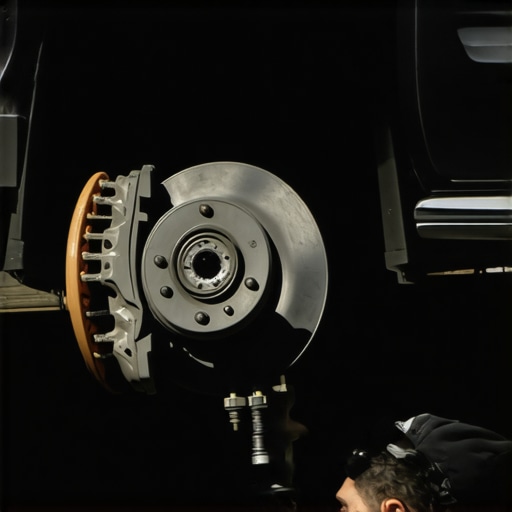
I remember the first time I fired up my car on a chilly morning, only to be greeted by a loud squeal from the wheels. It was disconcerting—like a warning sign I couldn’t ignore. At first, I thought it was just a one-time glitch, but it kept happening. That light, persistent squeak became a familiar, yet unwelcome, part of my daily routine. It wasn’t until I dug deeper that I realized this common issue could be a sign of underlying brake problems that, if ignored, might lead to costly repairs.
Getting to the Root of the Squeak
This annoying squeal when you start your car is more than just an irritation. In many cases, it’s your brake system giving you clues about its health. When you first start driving, especially in the morning or after sitting for a while, your brake pads may make noise due to a thin layer of dust, moisture, or a slight glaze forming on the brake pads. This temporary issue can often be harmless, but it can also mask more serious problems like worn-out pads or rust buildup that need immediate attention.
From personal experience, I once overlooked this squeaking, thinking it was just seasonal. But as the noise persisted and worsened, I found myself facing more extensive repairs that could have been avoided with a simple check-up. It’s crucial to recognize when this squeak is just a temporary flirtation with dirt, or a sign of an impending brake failure. Regular inspections and proper maintenance are your best allies in preventing small issues from escalating.
Is Your Brake Squeak Actually Worth the Hype?
Early in my auto repair journey, I made the mistake of brushing off these noises as normal wear and tear. That was a rookie mistake. Understanding the difference between harmless squeaks and those indicating serious trouble is vital. The good news? Most of the time, simple solutions like cleaning the rotors or replacing worn pads can solve the problem. But ignoring persistent squeaks could lead to uneven brake pad wear, reduced stopping power, or even rotor damage. If you’re curious about the deeper causes or want to know when to seek professional help, check out this comprehensive guide on auto repair.
Have you ever experienced that frustrating squeal right after starting your car? Trust me, you’re not alone, and tackling it early can save you big bucks down the line. Now, let’s move beyond the head-scratching noises and explore the signs that your brakes might be crying out for help—and what to do about it.
Inspect the Brake Components Carefully
Start by safely elevating your vehicle using a jack and secure it with jack stands. Remove the wheels to access the brake system. Visually examine the brake pads for uneven wear, cracks, or glazing; shiny or smooth surfaces indicate glazing. Check the rotors for rust, scoring, or warping. During my own repair, I noticed a thin layer of rust on the rotor surface, which I could buff off with a wire brush, instantly silencing the squeal.
Clean and Lubricate Key Parts
Use brake cleaner to remove dust, dirt, and brake dust from pads and rotors. Apply high-temperature brake lubricant to the back of brake pads and contact points where the pads slide within the caliper. Remember, lubrication should never contact the friction surface. I learned this lesson when I accidentally got grease on the pad surface, which caused more squeaking—so be precise. Proper cleaning and lube can prevent noise caused by dirt accumulation or sticking calipers.
Replace or Resurface Worn Brake Parts
If your brake pads are below the minimum thickness—usually about 3mm—replace them. For rotors with excessive scoring or warping, consider resurfacing or replacing them entirely. When I replaced worn pads with new ones, I also decided to resurface the rotors; the result was a smoother ride and absence of noise. This step ensures your braking system functions optimally and quietly.
Is Your Brake Caliper Sticking?
A sticking caliper can cause uneven wear and squeals. Test this by pressing the brake pedal several times after assembly and observing if the wheel is harder to turn manually. If it is, the caliper might need cleaning or replacement. A quick check on my friend’s car revealed a seized caliper piston, which I replaced following a detailed tutorial from this resource. Fixing calipers ensures even pad wear and silence.
Test Drive After Repairs
Once you’ve reassembled everything, take your car for a test drive. Apply brakes gently to see if the squeak persists. Listen for abnormal noises or vibrations. If the squealing remains, revisit the components. During my first attempt, I overlooked a caliper pin that was not properly lubricated; after fixing it, the squeak was gone. Consistent testing confirms that your repairs are effective and keeps your brakes reliable.
Many car owners operate under misconceptions about what truly goes into effective brake service and auto repairs. Contrary to popular belief, assuming that quick fixes or DIY approaches always suffice can lead to costly consequences. For example, a common myth is that simply replacing worn brake pads solves all braking issues; however, overlooking underlying problems like caliper sticking or rotor warping is a recipe for recurring failures.
Why do so many advanced repair issues get overlooked by even seasoned DIYers?
It’s often because they focus solely on visible wear rather than understanding the intricate nuances of braking systems, such as pad material compositions or the importance of proper torque calibration. Studies by automotive experts suggest that neglecting these subtle aspects can significantly diminish brake performance over time. When diagnosing brake problems, remember that components like calipers, rotors, and even brake fluid quality interact complexly, making a superficial fix inadequate.
Overlooking this complexity is what I call the “Oops” factor—a trap where minor overlooked details snowball into major repairs. For instance, not checking for uneven caliper pressure or failing to bleed the brakes properly after service can cause pedal feel issues or squeals that seem minor but are symptoms of deeper faults. To avoid these pitfalls, it’s essential to adopt a meticulous approach—think of your brake system as an interconnected network rather than isolated parts.
Beyond just understanding parts, advanced diagnostics involve assessing factors like brake fluid contamination or even the condition of electronic sensors in modern vehicles. Recognizing the benefits of high-quality fluids and timely sensor calibration can extend your vehicle’s lifespan. For further insights on comprehensive maintenance strategies, consider exploring this guide on auto repair.
Remember, the devil is in the details. Have you ever fallen into this trap? Let me know in the comments. Mastering these nuances can prevent unnecessary expenses and ensure your safety on the road.
Keeping Your Car Running Smoothly Over Time
Maintaining your vehicle’s optimal performance requires more than just routine inspections; it involves investing in the right tools and following proven methods. From precision diagnostic equipment to specialized maintenance products, having a well-stocked toolkit empowers you to address issues early, saving you time and money in the long run. Additionally, understanding how to use these tools effectively ensures that you can perform tasks such as brake service, transmission checks, and collision renewal with confidence. Regular maintenance, coupled with the right equipment, extends your car’s lifespan and enhances safety.
Essential Tools for Proactive Auto Care
I personally rely on a few key tools that have revolutionized my approach to auto repair. First, a high-quality OBD-II scanner is indispensable for diagnosing engine and transmission issues without needing to visit a mechanic. I use one like the BlueDriver because it connects seamlessly to my smartphone, providing detailed fault codes and live data. For brake maintenance, I recommend a digital caliper to measure pad thickness accurately, preventing premature wear or overuse. A portable wheel alignment kit can also help detect misalignments early, which is crucial for long-term tire health and steering performance.
Beyond manual tools, software plays a vital role in modern auto maintenance. Automotive diagnostic programs such as Torque Pro or FIXD offer real-time insights and can alert you to issues before they escalate. These digital solutions work best when paired with reliable hardware, ensuring you stay connected to your vehicle’s health at all times.
The Advantages of Prevention and Consistency
Utilizing tools effectively is just part of a broader strategy. Regularly scheduled checks, like those outlined in this guide, help catch small problems before they turn into costly repairs. For example, routine brake inspections with specialized gauges or ultrasonic testing can reveal worn pads or rotor issues early, preventing dangerous failures. Maintaining a consistent maintenance schedule, leveraging precise tools, and staying informed by credible sources prepare you for unexpected issues and ensure your vehicle remains reliable for years to come.
How do I maintain safety and efficiency over time?
As vehicles become more complex, integrating advanced tools into your maintenance routine is essential. Future trends suggest increased automation and AI-driven diagnostics, reducing the need for guesswork. Yet, the core practice remains: using accurate, durable tools for regular upkeep. For example, electronics testing kits can diagnose issues with sensors or electronic control units, which are increasingly common in new models. Staying current on these tools and techniques enhances your ability to troubleshoot effectively and maintain peak vehicle performance.
Remember, tackling a small repair with the right instrument can prevent larger problems later. I recommend trying your hand at measuring brake pad wear with a digital caliper or checking fluid levels with a precision gauge. These precise steps can make a meaningful difference in your vehicle’s longevity and safety. For expert insights, browse this comprehensive repair guide and elevate your maintenance game today.
The Hardest Lesson I Learned About brake service,car service,transmission,auto repair,collisionrenew
One of my most eye-opening experiences was neglecting that persistent squeal, believing it was just dirt. The reality was that I was ignoring a sign of caliper sticking, which could have led to severe rotor damage. Lesson learned: never dismiss minor noises; they often tell a bigger story about the health of your brake system.
3 Myths About brake service,car service,transmission,auto repair,collisionrenew That Held Me Back
Myth one was thinking that replacing brake pads alone would solve all issues—truth is, underlying problems like warped rotors or caliper issues often persist. Myth two was believing that DIY fixes are always sufficient; sometimes, a professional inspection uncovers hidden faults. The third myth was assuming brake squeals are always harmless—sometimes they are signals of critical wear needing immediate attention.
What Experts Won’t Tell You About brake service,car service,transmission,auto repair,collisionrenew
Many auto specialists know that effective brake repair isn’t just about swapping parts; it’s about diagnosing the root causes—like moisture buildup, corrosion, or caliper seizing—that cause squeals. They also understand the importance of using quality tools and parts to ensure longevity. Recognizing these nuances can save you from recurrent issues and expensive repairs down the line.
Curated Gear That Elevates Your Auto Repair Skills
My essential toolkit includes a reliable OBD-II scanner, which helps detect hidden codes that may affect your brakes or transmission. I trust brands like BlueDriver because of their accuracy and compatibility with mobile devices. A digital caliper is invaluable for measuring pad thickness precisely, preventing premature wear. Also, a good quality brake cleaner ensures dust and debris are thoroughly removed before reassembling.
Using high-grade diagnostic tools and maintenance products has empowered me to spot issues early, saving time and money. For an in-depth look at how to assemble your repair arsenal, check out this guide on essential car maintenance tools.
Push Beyond Comfort to Protect Your Ride
Keeping your brake system in top shape isn’t just a mechanical task; it’s an act of care and responsibility. Embrace the mindset of proactive maintenance—regular inspections, timely repairs, and investing in quality tools. These practices are vital for ensuring safety and extending your vehicle’s lifespan. Remember, every squeak or vibration is an opportunity to learn and improve your auto care skills.
Are you ready to go beyond quick fixes and start diagnosing like a pro? What small step will you take today to better understand your car’s needs? Let me know in the comments below!