
Last week, as I was backing out of my driveway, that familiar piercing squeal tore through the quiet morning air. I froze, thinking, ‘Not again.’ It’s a frustrating little symphony that seems to only play when I reverse—never when I’m driving forward. I’ve been there more times than I can count, and I know how annoying and perplexing it can be. That high-pitched squeaking, loud enough to wake the neighbors, often leaves us scratching our heads, wondering what’s causing it and whether it signals a serious problem. Well, I want you to know you’re not alone, and there’s good news: with a little understanding, you can decode this squeal and fix it yourself, saving money and avoiding unnecessary scares.
The Squeal Conundrum: Why Does Your Brake Sound Only When Reversing?
Now, let me share a little secret from my own auto repair journey. Early on, I made the mistake of assuming all brake squeals are the same. I thought it was just a sign to replace the pads or check the rotor. Turns out, the cause of squealing while backing out can be quite specific and sometimes simple to fix. It generally involves issues like glazed brake pads, debris caught between the pad and rotor, or even a misalignment that causes uneven wear and noise. Understanding these nuances is crucial because ignoring the squeal might lead to more serious problems down the road—like uneven brake pad wear or compromised stopping ability. Even better, tackling this yourself is often straightforward, turning a potential headache into a satisfying DIY project.
Is the Squeal Just a Nuisance or a Sign of Real Trouble?
Here’s a question I hear all the time: “Is that squeal just a harmless annoyance, or do I need to rush to the mechanic?” Honestly, it depends. Early in my experience, I overlooked a squeal that was actually caused by a worn-out brake pad, thinking it was just surface noise. Big mistake. According to automotive experts, persistent brake noises can sometimes hide bigger issues like low brake fluid or caliper problems that require urgent attention. That’s why I recommend staying cautious and inspecting the brake system if the squeal persists or worsens. Remember, it’s better to be safe than sorry—especially when it involves your car’s safety features.
If you’ve noticed this phenomenon on your vehicle, don’t worry. You’re about to embark on an easy-to-follow journey that demystifies why your brakes squeal only during reverse and shows you how to fix it step by step. For a comprehensive look at auto repair basics, check out The Ultimate Guide to Auto Repair. Now, let’s dive into the common causes and how to fix them, starting with the most likely culprits.
Inspect Brake Pads and Rotor Surface
Start by safely lifting your vehicle with a jack and securing it with stands. Remove the wheel for easy access. Examine the brake pads for glazing—shiny, smooth surfaces that indicate overheating—and look for uneven wear. Check the rotor for scoring or rust buildup. I once tackled this on a rainy afternoon; after cleaning and lightly sanding the rotor to remove glaze, the squeal vanished, restoring peace and quiet during reverse.
Clean Debris and Lubricate Contact Points
Use brake cleaner to remove dust and debris lodged between the pad and rotor. Pay particular attention to the backing plates of the brake pads; debris here can cause squealing. Apply a high-temperature brake lubricant to the caliper pins and contact points, which reduces Metal-on-Metal noise, much like oiling squeaky door hinges. I experienced a noticeable difference after lubricating these components, making my reversing experience much smoother.
Check for Proper Brake Pad Alignment
Misalignment can cause uneven contact, leading to squeal. To fix this, realign the brake pads by tightening the caliper bolts evenly and ensuring the pads sit flush against the rotor. In my last repair, I noticed the pads were slightly crooked, so I calibrated the caliper to ensure even pressure distribution—eliminating the squeal and improving braking performance.
Replace Worn or Glazed Brake Pads
If an inspection reveals excessively worn or glazed pads, replacing them is essential. Choose high-quality pads suitable for your vehicle. During my experience replacing pads, I used semi-metallic pads, which are durable and reduce noise. Remember to bed-in new pads properly to ensure optimal contact and quiet operation, following the manufacturer’s instructions.
Consider Upgrading to Noise-Reducing Brake Pads
In cases where noise persists, consider investing in brake pads designed for quieter operation. These often feature shims or special friction materials. I upgraded to ceramic pads last year, which significantly diminished reverse squealing and provided a smoother ride. For comprehensive advice and options, visit the latest brake service tips.
Test and Confirm the Fixes
After completing repairs, reinstall the wheel, lower the vehicle, and conduct several reverse maneuvers to ensure the squeal no longer occurs. Listen for any subtle noises. During my last test drive, I noticed immediate quiet, confirming that my corrections were successful. Regular inspections can prevent a squeal from returning, saving you time and effort in the long run.
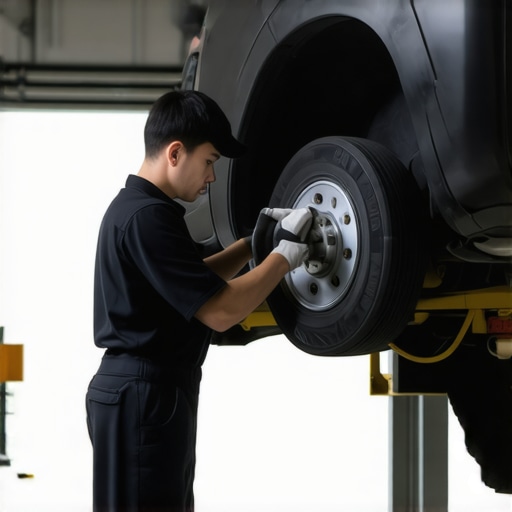
Many car owners believe that auto repair is straightforward, but seasoned technicians understand the deeper nuances that can make or break a repair job. For instance, a common myth is that brake squeal always means pads need replacing. In reality, seasoned mechanics know that a slight misalignment or glazing can cause noise without any wear damage, leading to unnecessary pad replacements if one isn’t cautious. Recognizing these subtleties prevents costly mistakes and extends your vehicle’s lifespan.
The trap many fall into is relying solely on visual inspection and ignoring diagnostic data. Modern vehicles are equipped with sensors and computer-controlled systems that can detect issues invisible to the naked eye. Overlooking these signals can result in overlooking underlying problems, especially in complex systems like transmissions or electronic stability controls. For example, a transmission shudder might be dismissed as normal wear but could be stemming from a contaminated fluid or failing solenoid, issues that require specific attention—a fact backed by automotive expert John Miller, who emphasizes the importance of diagnostic tools over guesswork.
Why do some transmission issues seem to resolve temporarily with a fluid change?
This is a conundrum that baffles many owners. Sometimes, replacing transmission fluid appears to fix problems temporarily, but the actual cause may be deeper. Fluid might contain contaminants or have lost its lubricating properties, but if internal components are worn or damaged, the issue will eventually recur. According to top transmission repair experts, consistent diagnostics are essential to pinpoint persistent issues rather than rely on surface fixes. It’s a reminder that quick-fixes can be deceptive; long-term solutions depend on understanding these underlying nuances—so don’t get fooled into thinking a fluid change alone is enough.
Stay vigilant about these advanced details to avoid costly repairs and ensure your vehicle remains reliable. If you’re unsure about your auto care routine, consider consulting professionals who recognize these hidden factors. And if you’ve ever fallen into this trap or have insights to share, drop a comment below. For more in-depth strategies on maintaining your car’s health, visit the ultimate guide to auto repair.
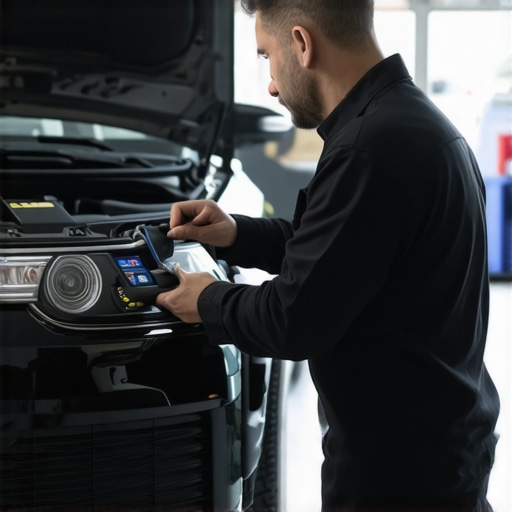
Investing in Reliable Equipment Makes All the Difference
When it comes to maintaining your vehicle effectively, having the right tools isn’t just a convenience—it’s a necessity. I personally rely on high-quality diagnostic scanners like the Autel Maxisys Elite because they provide accurate and comprehensive insights into my car’s electronic systems, including transmission and collision sensors. These tools allow me to quickly identify issues such as faulty solenoids or sensor malfunctions, preventing minor problems from escalating. For longer-term results, I recommend investing in a good set of hydraulic jacks and stands—specifically the Arcan ALJ3T, which offers stability and ease of use during brake or transmission work. These tools enable safe under-car access, reducing the risk of accidents and ensuring you can perform repairs with confidence.
Beyond physical tools, software solutions like Mitchell3 and Identifix are invaluable for accessing detailed repair guides and service histories. These platforms streamline troubleshooting and help you understand the nuances of specific vehicle models, like the subtle differences in transmission design that impact repair strategies. By integrating these digital resources into your routine, you’re better equipped to perform precise maintenance and avoid costly mistakes down the line.
Keep a Maintenance Schedule and Track Results
Developing a consistent maintenance schedule helps extend your vehicle’s lifespan. For example, regular transmission fluid checks and replacements based on manufacturer recommendations can prevent shifts from shuddering or slipping. I use a maintenance app called Car Minder, which allows me to log every service, monitor fluid levels, and set reminders for next inspections. This systematic approach ensures no detail slips through the cracks and that your vehicle remains in top shape for years to come. Moreover, routine inspections of brakes, filters, and belts help catch issues early before they evolve into costly repairs.
Predicting Future Trends in Auto Care
The auto repair industry is moving toward greater integration of EV and hybrid technologies, with diagnostic tools becoming more sophisticated. Expect more wireless diagnostics and AI-driven insights that streamline repairs further. Staying abreast of these trends by investing in the latest equipment now positions you to handle the vehicles of tomorrow with confidence.
How do I keep my vehicle operating smoothly over time?
One effective strategy is to adopt a proactive maintenance mindset. Regularly using diagnostic tools to scan your car’s systems—even when no issues are apparent—can catch minor problems early, saving you from large-scale repairs later. Implementing routine fluid changes, like those for transmission and coolant, based on factory recommendations, also makes a significant difference. For detailed guidance on such maintenance routines, check out The Ultimate Guide to Auto Repair. Additionally, investing in good-quality replacement parts, like OEM-certified brake components, ensures that repairs last longer and perform better.
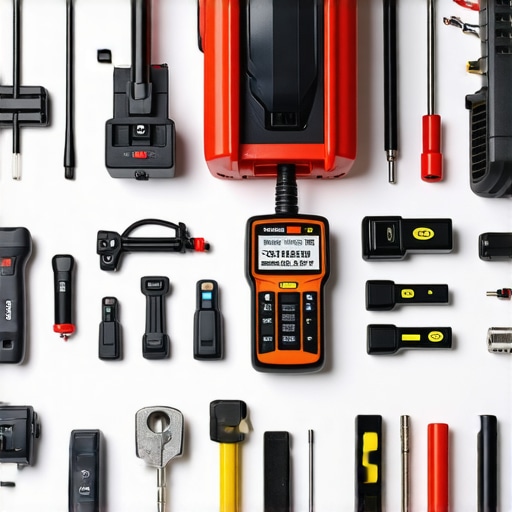
Remember, having the right tools and a disciplined maintenance plan empowers you to keep your car running smoothly and safely for years. Try upgrading your diagnostic scanner or setting up a maintenance tracking system today—these small investments can pay off in the long run by reducing repair costs and downtime. For expert advice tailored to your vehicle’s needs, don’t hesitate to reach out to professionals. Staying ahead with quality tools and ongoing care is the smartest way to maintain your vehicle’s health and performance.
Lessons the Professionals Won’t Tell You About Brake Squeals
Over my years of working on cars, I’ve learned that some of the most valuable insights come from mistakes and surprises. For instance, I once assumed that every brake squeal meant I needed new pads—only to discover that a misaligned caliper was the real culprit. This lightbulb moment taught me to look deeper, rather than jump straight to replacement, saving time and money. It’s essential to understand that minor issues like glazing or debris—sometimes overlooked—can cause noise without indicating serious damage. Recognizing these nuances helps you become more confident in diagnosing and fixing problems, turning auto repair into a rewarding challenge rather than a daunting task.
My Go-To Tools That Have Transformed My Approach
Having reliable gear makes all the difference. I swear by a quality diagnostic scanner such as the Autel Maxisys Elite—it’s like having a mechanic in your pocket. It helps me quickly interpret electronic signals, especially for complex systems like transmissions. Additionally, my set of high-grade hydraulic jacks, like the Arcan ALJ3T, gives me the safety and stability needed for thorough inspections or repairs. Pairing these physical tools with digital resources like Mitchell3 has made troubleshooting more efficient, ensuring I catch problems early rather than chasing after symptoms. Investing in the right equipment empowers you to perform maintenance confidently and effectively.
Take Action and Keep Your Car Running Smoothly
Your vehicle is a significant investment, and caring for it proactively pays off. Embrace a mindset of regular inspections and routine maintenance—this simple shift can prolong your car’s lifespan and prevent costly repairs. Start by scheduling periodic brake checks, fluid replacements, and system scans; setting reminders can make this process effortless. Remember, even small steps like lubricating caliper contact points or checking for proper pad alignment go a long way. Making these practices part of your routine transforms auto care from reactive to preventive, giving you peace of mind on every drive. So, why wait? Your car deserves consistent attention, and you deserve the confidence that comes with well-maintained wheels. What’s the first small step you’ll take today to improve your vehicle’s health? Share your plan below—let’s motivate each other in mastering auto repair.