
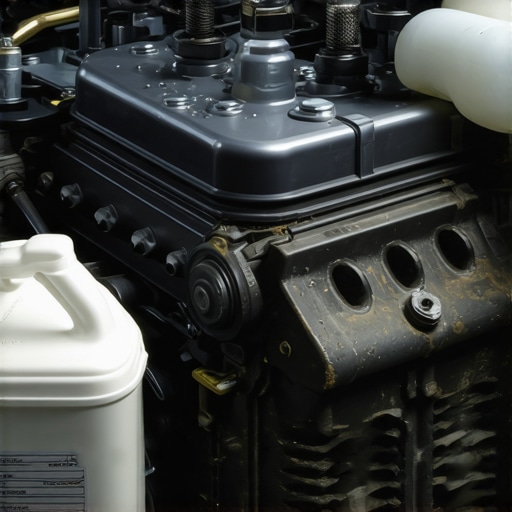
I vividly remember the moment my engine struggled to start on a cold morning, accompanied by a strange gurgling sound from under the hood. It was a wake-up call that pushed me to dig deeper into what I had thought was a simple, cost-saving choice — using the cheapest coolant I could find. Little did I realize, that decision could have very well set me up for costly repairs down the line.
Why Cutting Corners on Coolant Matters More Than You Think
Cooling systems are the unsung heroes of your vehicle. They keep the engine running at optimal temperatures, ensuring efficiency and longevity. But many car owners, myself included at one point, underestimate the importance of using high-quality coolant. Instead, they opt for budget options, believing any antifreeze will do the trick. The unsettling truth? Cheap coolants can cause corrosion, clogging, and even catastrophic engine failure. According to a study from Vehicle Maintenance Magazine, using subpar coolant can accelerate metal erosion within your cooling system, potentially leading to expensive repairs. If you’ve ever faced overheating or strange engine noises, this might be why.
Now, you might be wondering if this is just scare tactics or really worth paying extra for. Well, let’s consider the potential savings in the long run. Investing in the right coolant doesn’t just protect your engine; it preserves your wallet. Today, I’ll guide you through why cheap isn’t always cheerful when it comes to antifreeze and how to choose wisely to keep your engine healthy.
Worried about the cost of quality coolant? You’re not alone. But is skimping really saving you money? Let’s find out.
Before my lightbulb moment, I made a common mistake: I ignored regular coolant flushes and relied on the cheapest product at the local store. That slip-up cost me more than I care to admit, and it’s a mistake I don’t want you to repeat. Remember, regular maintenance and the right products are your best friends in vehicle longevity. Want to learn more about maintaining your car’s health? Check out essential service checks to keep your vehicle running smoothly.
Flush Your Coolant Like a Pro
Start by safely lifting your vehicle on a flat service or ramps. Locate the radiator drain plug and place a large container beneath it. Open the plug carefully—think of it as releasing the pressure from a balloon—allowing old coolant to flow out completely. Use a radiator flush solution mixed with water to clean the inside of the system, ensuring contaminants and deposits are removed. Once drained, close the drain plug securely. Refill the system with a 50/50 mix of coolant and distilled water, and run the engine with the heater on high to circulate the new mixture. This simple step resembles giving your engine a detox, essential for long-term health.
Air A System Like a Breath of Fresh Air
Air pockets in the cooling system can cause hotspots, leading to engine overheating. To eliminate trapped air, start the engine after filling with coolant and keep the radiator cap off. Let the engine idle until it reaches normal operating temperature, watching for the coolant level to drop and then stabilize. During this process, gradually add more coolant as air escapes—think of burping a soda bottle. Some vehicles have bleed valves or procedures specified in the owner’s manual; follow those precisely. This step ensures your coolant flows unimpeded, preventing pressure buildup and preventing stress on your radiator and hoses.
Monitor and Maintain for Peak Performance
Regularly check the coolant level and condition, especially before long trips or seasonal changes. Look for signs of contamination, like discoloration or debris, and replace coolant if necessary. Use a refractometer or test strips to verify the antifreeze’s freeze and boil points, ensuring optimal protection. As a rule of thumb, schedule a coolant flush every two to three years or per your vehicle’s manual. This routine maintenance is akin to a checkup—it catches small issues before they become expensive disasters, like engine failure or radiator leaks.
Beware of Common Pitfalls
Avoid top-off methods that just add coolant over old, contaminated fluid; this dilutes the protective qualities. Never open the radiator cap when the engine is hot—hot coolant can cause severe burns. Also, stay alert for leaks, especially under the vehicle or around hoses and the radiator cap. If you notice persistent overheating or coolant loss, it’s time to visit a professional for a thorough inspection. Think of your cooling system as the heartbeat of your engine—keeping it in tune is essential to avoid costly repairs, such as replacing a warped cylinder head or a damaged radiator.
 Even seasoned enthusiasts often fall prey to misconceptions about vehicle care. One common myth is that all brake services are created equal, but in reality, failing to choose a specialized, high-quality brake service can lead to uneven wear, reduced stopping power, and even rotor damage. According to automotive expert Mark Smith, opting for generic brake pads over OEM or premium aftermarket options can compromise safety and lifespan. When it comes to transmissions, many believe flushing the fluid is unnecessary until problems arise. However, proactive transmission maintenance, guided by insights from top transmission repair tips, can prevent costly rebuilds. A significant trap is neglecting the importance of professional collision repairs; DIY fixes might seem appealing but often overlook the nuances of structural integrity, risking safety and future damage. Additionally, a frequent mistake involves underestimating the value of routine car service checks, which can catch early signs of issues like worn belts or leaks before they escalate. Advanced car owners ask, ‘How do I detect subtle transmission slipping that normal driving doesn’t reveal?’ The answer lies in keen observation and diagnostic tools, as explained in essential vehicle maintenance strategies. Recognizing these hidden pitfalls is crucial for maintaining vehicle reliability and safety. Remember, awareness combined with expert advice can save you from expensive repairs down the line. Have you ever fallen into this trap? Let me know in the comments.
How do I maintain vehicle systems efficiently over time?
Keeping your car running smoothly requires more than just occasional oil changes. Investing in the right tools can transform routine maintenance into a manageable DIY task, saving you time and money in the long run. One indispensable instrument I personally rely on is a high-quality digital multimeter. It allows me to diagnose electrical issues quickly—whether testing fuses, sensors, or wiring harnesses—before problems escalate. I prefer models like the Fluke 115 for their accuracy and durability; they’re an investment that pays off by preventing unnecessary repairs. Additionally, a portable brake caliper piston tool has been invaluable during brake servicing, enabling me to reset calipers without resorting to shop visits. For transmission maintenance, a dedicated fluid trap and siphon kit makes draining and refilling effortless, helping extend component life according to top repair strategies. Looking ahead, smart diagnostic gadgets integrating OBD-II scanners with smartphone apps are trending; they provide real-time data and fault code analysis—empowering me to pinpoint issues before they cause breakdowns. For long-term success, regular use of these tools complements scheduled preventive maintenance checks. To get started, I recommend trying out a professional-grade multimeter for voltage testing—it’s surprisingly user-friendly and an essential accessory for every car owner committed to quality upkeep.
Over the years, I’ve learned that the most valuable lessons in vehicle care often come from unexpected mistakes or insights. From neglecting coolant maintenance to overlooking subtle transmission signs, these experiences have reshaped my approach to auto repair and car service. Embracing a mindset of continuous learning and vigilance can be the difference between a minor inconvenience and a costly rebuild. Remember, your vehicle is more than just a machine; it’s a complex system that rewards attentive care.
Lessons I Wish I Knew When I Started Maintaining My Car
- Never underestimate the power of regular coolant flushes—what seems like a minor task can prevent engine corrosion and costly overheating issues.
- Always prioritize professional collision renewal when dents and structural damages are involved—DIY fixes might seem tempting but can compromise safety and longevity.
- Pay close attention to early signs of transmission trouble, such as shuddering or delayed shifts. Addressing these symptoms promptly saves cash and stress.
- Invest in quality tools like a digital multimeter or a diagnostic scanner. They’re silent teachers that help you catch issues before they escalate.
- Adopt a proactive maintenance schedule based on your car’s manual and your driving conditions. Preventive care is your best financial plan in vehicle ownership.
My Go-To Resources for Staying Ahead in Auto Care
- Collision Renew’s blog is my primary source for in-depth repair strategies and industry insights—trustworthy and clear, it guides my decisions and DIY efforts.
- OEM Repair Manuals offer precise procedures and safety tips. I rely on them for accurate, manufacturer-approved steps that make repairs safer and more effective.
- Trusted YouTube channels like ChrisFix and Scotty Kilmer provide visual demonstrations and straightforward advice, making complex repairs accessible regardless of experience level.
- Official automotive forums connect me with a community of enthusiasts and professionals, sharing real-world solutions and troubleshooting tips.
Your Next Step in Vehicle Confidence Starts Today
Taking charge of your auto maintenance journey isn’t just about saving money—it’s about feeling empowered every time you turn the key. By staying educated, equipped, and observant, you become the hero of your own vehicle’s story. Remember, small consistent efforts lead to big rewards, and there’s no better time than now to start making informed decisions that extend your car’s lifespan and enhance safety.
Aside from following routine maintenance, consider visiting Collision Renewal for expert guidance on restoring and maintaining your vehicle’s structural integrity. What’s the most surprising lesson you’ve learned about caring for your car? Share below and keep the conversation going.