
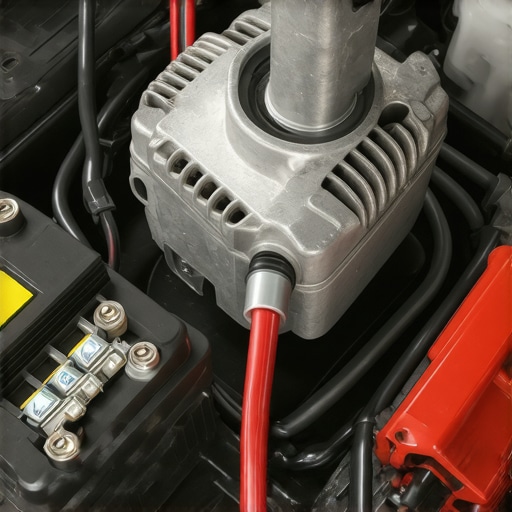
I remember the moment like it was yesterday. I was stranded on the side of the road, engine dead, heartbeat racing. Despite installing what I thought was a brand-new alternator, my car’s battery kept dying week after week. It was frustrating, disheartening, and honestly, a little embarrassing. After countless trips to the mechanic and hours of research, I finally discovered the real reasons behind this pesky problem. And today, I want to share that journey with you, because if you’re reading this, chances are you’re battling with a seemingly unexplainable battery drain that’s driving you crazy.
Facing Battery Drain When It Seems Unnecessary
Nothing saps your confidence in your vehicle quite like a dead battery, especially when you’ve already replaced the alternator – the usual suspect. That lightbulb moment when I realized my new alternator wasn’t the problem was eye-opening. It’s a common misconception, but a failing alternator is only part of the story. Often, other hidden issues cause your battery to give up, leaving you stranded just when you need reliable performance most. Today, I promise to demystify this frustrating issue and guide you through practical steps to fix it once and for all.
Is It Really Worth the Effort or Just a Fluke?
Early on, I made a rookie mistake: I assumed that replacing the alternator would instantly solve my battery problems. But I overlooked a few critical details. Turns out, a lot of folks jump straight to a new alternator without checking for parasitic drains or faulty wiring, which can sap power even with a brand-new component. Trust me, I learned the hard way that understanding the full picture is essential. For reliable fixes, check out our comprehensive guide on keeping your car running smoothly and ensuring your electrical system is truly healthy.
So, if your battery keeps dying despite the new alternator, don’t despair. There’s a good chance that the problem isn’t with the parts but with the setup and maintenance practices. Let’s dig deeper into what might be causing your issue and how to get it resolved permanently. And hey, if this sounds familiar, hit me up! I’d love to hear your story and help you troubleshoot this common but fixable problem.
Test for Parasitic Drain Right Away
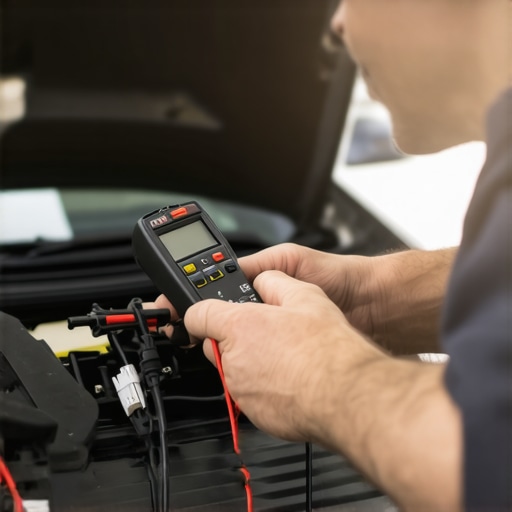
Start by turning off your vehicle completely, removing the key, and closing all doors. Then, disconnect the negative battery cable and connect a multimeter set to amps between the battery and the cable. A reading higher than 50 milliamps indicates a parasitic drain. During my first attempt, I vividly remember the confusing reading of 250 milliamps, which pointed me toward continuous power draw.
Identify the Culprit Fuses or Devices
Remove fuses one at a time and observe the multimeter. If the reading drops significantly when a particular fuse is pulled, you’ve found the circuit causing the drain. For example, I discovered that my interior lighting circuit was responsible, which I fixed by replacing a malfunctioning door switch that kept the light on. For detailed fuse testing procedures, see our auto repair guide.
Inspect for Faulty Wiring and Components
Look for signs of damaged wiring or corrosion around battery terminals. Using a flashlight, I examined the wiring harness for frays or loose connectors, which can create unintended current paths. Clean the battery terminals with a wire brush to remove corrosion—untreated, corrosion can act like a leak, draining power even when the car is off. Regular checks of wiring connections are essential to prevent mysterious drains.
Check for Hidden Modules or Aftermarket Devices
Many modern cars have modules or aftermarket alarms that can cause extra drain if faulty. For example, I once installed an aftermarket stereo, which was inadvertently wired to remain active, constantly pulling power. Disconnecting or reprogramming such devices eliminated the drain. Always review your vehicle’s electronic systems and consult the vehicle manual for guidance. For in-depth troubleshooting, consider review our essential maintenance tips.
Prevent Future Battery Drains
After resolving the drain, make it a habit to periodically inspect your electrical system and keep battery terminals clean. Install a battery maintainer if your vehicle remains unused for extended periods. Remember, a properly maintained electrical system not only extends your battery life but also reduces the risk of unexpected breakdowns. For comprehensive tips on keeping your vehicle in top shape, visit our car restoration strategies.
Many car owners believe that knowing the basic symptoms of a problem is enough to prevent costly repairs. However, even seasoned enthusiasts often overlook the subtleties within auto repair processes. A common misconception is that replacing a faulty part will always solve the issue, but the reality is far more complex. In my experience, understanding the intricate interplay of components, especially in systems like transmissions and brakes, is crucial to achieving long-term reliability.
Why Jumping to Parts Replacements Can Backfire
It’s tempting to diagnose a problem and immediately swap out the suspected component. Yet, this approach often ignores underlying causes such as misaligned sensors or improper fluid levels. For example, replacing a transmission valve body without addressing the root cause of shifting issues can lead to recurring failures. Experts recommend a comprehensive diagnostic process, including detailed inspections and system tests, before part replacement. This proactive strategy not only saves money but also enhances vehicle longevity, a fact supported by studies from the auto repair industry.
Beware the Myth of Quick Fixes in Collision Repair
A prevalent myth is that minor dents or scratches can be remedied with simple paint touch-ups. However, quick fixes often mask deeper issues like frame misalignments or rust infiltration. Overlooking these nuances can compromise safety and lead to costly repairs later. For instance, improper bumper realignment after a collision may seem minor but can affect crashworthiness. Always insist on a detailed inspection and adhere to manufacturer specifications to ensure repaired parts meet safety standards.
Could Your Brake Service Be Missing These Critical Details?
Many drivers assume that replacing brake pads is enough to restore stopping power. However, advanced brake service requires inspecting calipers, rotors, and hydraulic systems for signs of uneven wear or leaks. Ignoring these aspects can result in brake fade or failure during critical moments. Proper bleeding of brake fluid is also essential, as contaminated or old fluid diminishes hydraulic pressure. Ensuring attention to these nuances can significantly improve safety and prolong brake system life. For more insights, check out our guide on selecting the right brake service.
What Makes Annual Maintenance So Crucial?
Routine car servicing is often underestimated. Many drivers skip regular checks, assuming that their vehicle is fine as long as it runs. However, small issues like minor fluid leaks or worn belts, if left unaddressed, can escalate into major repairs. Advanced diagnostics during routine service can detect problems early, saving money and avoiding breakdowns. Investing in proper maintenance aligns with expert advice from industry leaders and can be the difference between a reliable car and a costly headache. For detailed maintenance tips, visit our comprehensive car service guide.
In conclusion, mastering the nuances of auto repair requires more than surface-level knowledge. It demands vigilance, detailed diagnostics, and respect for the interconnected nature of vehicle systems. By recognizing common myths and advanced traps, you can make smarter decisions that extend your vehicle’s lifespan and ensure your safety. Have you ever fallen into this trap? Let me know in the comments.
Keep Your Vehicle Running Smoothly with Proper Tools
Maintaining a vehicle for the long term requires more than just knowledge; it demands the right equipment. Over the years, I’ve refined my toolkit to include precise, durable, and multifunctional tools that ensure safety, efficiency, and accuracy in every repair or maintenance task. Investing in quality gear not only saves time but also prevents costly mistakes, helping your car stay reliable for years to come.
My Go-To Diagnostic Equipment
The cornerstone of effective maintenance is accurate diagnostics. I personally rely on the Autel MaxiCOM MK808](https://collisionrenew.com/10-tool-every-car-owner-needs-for-basic-diagnostics) scanner. Its comprehensive system coverage, quick coding capabilities, and intuitive interface allow me to quickly identify issues—from transmission trouble codes to ABS sensor glitches. This device has been instrumental in diagnosing complex problems like a slipping transmission or electric parking brake faults, which often appear in modern vehicles.
Moreover, I use a bluetooth OBD II adapter paired with diagnostic apps like Torque Pro. This combo enables me to monitor real-time engine parameters on my smartphone, providing immediate insights during test drives or troubleshooting sessions. This approach makes ongoing maintenance, such as tracking fuel trims or coolant temperatures, more accessible and actionable.
Precision in Repairs with the Right Tools
When it comes to component-specific work, I prioritize high-quality, well-designed hand tools. For example, my stubby socket set accelerates access to bolts in cramped engine bays—crucial when replacing filters or sensors. For brake service, I favor a brake caliper compression tool that prevents damage and ensures proper piston retraction, which can be tricky without the right equipment.
Specialty tools like a transmission fluid pump simplify fluid exchanges, reducing mess and ensuring correct filling levels. I always recommend a top-quality transmission pump to keep your ride shifting smoothly for miles.
Safety and Maintenance with Portable Power
Don’t overlook battery testers and portable jump starters. I personally carry a Peak Power INGENUI1US Jump Starter, which not only jump-starts my vehicle but also acts as a portable charger for essentials. Regular testing with a reliable battery tester helps catch weakening batteries before they leave you stranded.
In addition, compressed air tools like impact wrenches save time during tire changes or suspension work, ensuring secure torque application, critical for long-term safety.
Future Trends and Your Maintenance Arsenal
The auto repair industry is moving increasingly toward digital diagnostics and automation. I predict that integration of AI-driven software and wireless diagnostics will become standard. Staying ahead involves continuously investing in up-to-date tools and software, like cloud-connected scan tools and mobile diagnostics apps, which will streamline troubleshooting and repair workflows. To adapt, I recommend regularly revisiting trusted resources and refining your toolkit.
Make it a habit to regularly evaluate and update your tools. Starting with advanced diagnostics, like the Autel MaxiCOM, is a smart move. It enables you to identify issues early, plan repairs efficiently, and avoid unnecessary expenses. Want to build a reliable, long-term maintenance toolkit? Begin by trying out one of these recommended diagnostic tools today—your car will thank you!
Over my years working in auto repair, I’ve uncovered that the most vital insights aren’t always the obvious ones you find in manuals or online guides. Instead, they come from personal experiences, lessons learned the hard way, and the small details that make a big difference in vehicle longevity. Today, I want to share a few of these insider wisdoms that can transform your approach to maintaining and repairing your car, ensuring you avoid costly mistakes and enjoy a reliable ride for years to come.
What I Wish I Knew About Auto Repair Before It Was Too Late
- Perfection in diagnostics comes from patience, not speed. Early in my career, I thought quick fixes were the way to go. Now, I realize that taking the time to perform thorough diagnostics with the right tools, like a quality diagnostic scanner, prevents ongoing issues and saves money in the long run.
- Overlooking subtle signs can lead to major failures. A minor vibration or a faint squeak often signals deeper problems. Paying attention to these details, and inspecting components like wheel bearings or brake calipers, helps catch issues early before they escalate into expensive repairs.
- Using the right tools elevates the quality of repairs. Investing in high-quality, specialized tools, such as a transmission fluid pump or brake caliper tools, ensures repairs are precise and long-lasting, minimizing repeat work and safety risks.
- Understanding system interactions creates smarter fixes. Many repairs fail when the technician, or car owner, treats parts in isolation. Recognizing how, for example, a faulty sensor affects multiple systems, ensures comprehensive fixes that keep your vehicle running smoothly.
- Routine maintenance isn’t optional—it’s your best investment. Regularly checking fluid levels, inspecting belts and hoses, and cleaning terminals as explained in our essential maintenance guide prolongs vehicle life and prevents unexpected breakdowns.
Tools and Resources That Changed How I View Car Care
- Autel MaxiCOM MK808—An all-in-one diagnostics powerhouse. It saves me hours by pinpointing issues quickly, from engine codes to complex system errors. Its comprehensive coverage makes it invaluable for both hobbyists and professionals.
- Quality hand tools and specialty equipment—A sturdy socket set, AND a dedicated brake caliper compressor, are game-changers. They allow me to perform repairs efficiently and confidently, avoiding damage and ensuring proper fitment.
- Online communities and industry publications—Sites like auto repair insights keep me updated on the latest trends, tips, and troubleshooting strategies, helping me provide better service.
- Manufacturer service manuals—Having access to official documentation ensures repairs adhere to factory specifications, which is critical for safety and longevity.
Your Next Step Toward Confidence and Control
The key to mastering auto repair isn’t just about knowing which part to replace; it’s about understanding the interconnected nature of vehicle systems and investing in the right tools and knowledge. Whether you’re a DIY enthusiast or just want to be an informed car owner, applying these insider lessons will boost your confidence and save you money. Remember, the journey to vehicle mastery is ongoing—and every fix you make is a step toward greater independence and peace of mind. Ready to take the next step? Share your experiences or ask questions—let’s keep the conversation going and help each other keep our cars in top shape!
Have you ever hesitated to perform a repair because you weren’t sure of the root cause? Let me know below, and I’ll help you troubleshoot!
} }}# Answer:{