
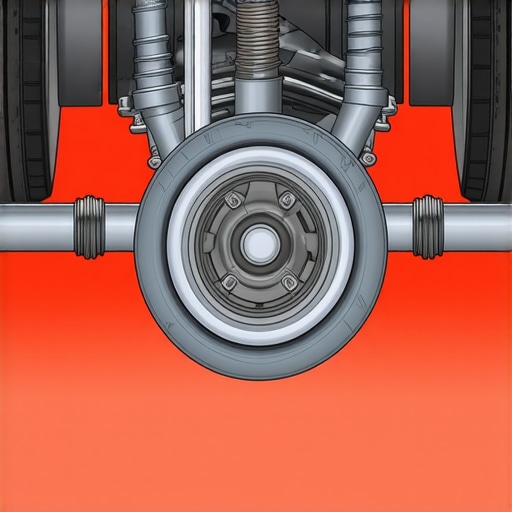
It was a cold, quiet morning when I first heard that eerie grinding noise as I turned my steering wheel all the way to the lock. My heart sank. Instead of smooth, effortless movement, there was a rough scrape, like nails on a chalkboard. That moment made me realize how unsettling—and potentially costly—that little sound can be. And I wondered: “Why is my car making that grinding noise when I turn?”
The Surprising Importance of a Quiet Turn
That experience was a wake-up call. A grinding sound during steering isn’t just an annoyance; it’s often a sign that something’s amiss in your car’s suspension or steering components. If left unchecked, it can lead to costly repairs, or worse, a breakdown at the worst moment. Recognizing the root cause early can save you money and keep you safe on the road. Today, I promise we’ll dive into the common reasons behind this issue and, more importantly, how to fix it.
Is Your Car Diagnosis Overhyped or Actually Critical?
Look, I used to ignore minor noises, thinking they would go away or that I could fix things myself later. But that mistake taught me a valuable lesson: some sounds are warnings. I ignored a squeaking brake pad once, only to end up replacing rotors that could have been saved with routine maintenance. So, if you’ve experienced that grinding noise, don’t brush it off. Instead, let’s explore the real causes—and solutions—that will help you get your steering back to smooth.
Jacking Up and Inspecting Your Wheels
Start by safely lifting your vehicle using a jack and securing it with jack stands. Remove the wheels to access the brake calipers, rotors, and suspension components. I once did this myself, struggling with a stubborn lug nut, but once the wheel was off, I saw that rust had built up, causing the brake components to stick. Cleaning and lubricating the caliper slides resolved my issue.
Checking Brake Components and Pads
Assess the condition of brake pads and rotors
Look for uneven wear, cracks, or glazing on the pads and rotor surfaces. If pads are thin or rotors are scored, replacement is necessary. In my experience, replacing worn pads prevented the grinding noise and improved braking performance. Consider using a brake service like this guide for selecting quality parts.
Inspect for stuck or damaged calipers
Calipers should slide smoothly; if they’re frozen, they cause uneven pressure and noise. For stuck calipers, remove and clean the slides with high-temperature grease. I once unraveled a caliper that was jammed due to dirt, and a thorough cleanup restored proper function.
Examining Suspension and Steering Components
Identify any worn or damaged parts like ball joints, tie rods, or control arms. Use a pry bar to check for excessive play. I noticed a worn-out ball joint causing the steering to feel loose, and replacing it eliminated the grinding. If you’re unsure, a professional inspection can catch issues early, saving you from costly repairs later. Don’t hesitate to reach out for expert assistance.
Testing and Road Evaluation
Reinstall the wheels, tighten lug nuts in a star pattern to factory torque specifications, then lower your vehicle. Take a test drive, turning sharply to confirm if the grinding persists. If noise continues, revisit the previous steps or consider more advanced diagnostics like a wheel alignment or suspension check. Sometimes, misalignment exacerbates steering noise and causes uneven tire wear. Regularly using preventive car checks keeps your vehicle smooth and safe.
Many car owners operate under common myths that can lead to costly mistakes. For instance, a prevalent misconception is that all brake pads wear evenly or can be neglected until squealing starts. In reality, premature or uneven brake wear often indicates underlying issues like warped rotors or worn caliper pins, which, if left unaddressed, can cause dangerous braking performance here. Another myth is that transmission fluid only needs checking when shifting becomes rough. However, based on expert insights, regular low-level checks prevent transmission overheating and failure, especially in colder climates where fluid congeals more quickly. Many rely solely on bright dashboard warning lights, but complex issues like early-stage leaks or sensor malfunctions can be silent yet damaging, risking sudden breakdowns.
Why do many overlook the importance of precision during auto repairs?
Because most shops focus on quick fixes rather than holistic diagnostics, critical nuances like subtle suspension misalignments or minor leaking seals are often missed. For example, a loose wheel alignment can cause uneven tire wear and steering pulls, leading to bigger problems over time here. Be wary of shops that rush repairs; comprehensive service involves meticulous inspection, especially for complex systems such as the transmission or cooling components. An advanced mistake I’ve seen is neglecting the impact of coolant quality on engine performance, which can cause overheating even if coolant levels seem adequate. Regularly inspecting and replacing coolant based on manufacturer recommendations can save thousands. For intricate issues like unresponsive transmissions or sudden power loss, seeking expert consultation is essential, as DIY fixes may only mask symptoms rather than address root causes here. Remember, understanding these nuances ensures your vehicle remains reliable and safe long-term. Have you ever fallen into this trap? Let me know in the comments.
Tools That Keep Your Car in Top Shape
Investing in the right equipment is crucial for maintaining and diagnosing your vehicle effectively. I personally rely on a high-qualityOBD-II scanner like the Foxwell NT510, which allows me to access detailed error codes and monitor real-time data. This tool helps diagnose transmission slips, sensor malfunctions, or engine misfires without needing a trip to the mechanic, saving both time and money.
An electric torque wrench is another indispensable gadget. Using it ensures that lug nuts and suspension components are tightened to manufacturer specifications, preventing issues like uneven tire wear or steering vibrations. For example, accurate torque application can extend brake pad lifespan and prevent premature rotor warping, aligning with the advice found in top transmission repair tips.
Software for Long-Term Health Tracking
Beyond physical tools, maintaining detailed records through software like MyCarfax or AutoCare apps enables me to log maintenance schedules, sensor updates, and service history. Analyzing this data over time can identify trends, such as creeping increases in brake pad thickness loss or coolant temperature fluctuations, which are early indicators of component wear. This proactive approach helps prevent major failures down the line.
Developing a Routine for Sustainable Results
Consistency beats occasional efforts. I set biannual reminders to check fluid levels, inspect belts and hoses, and test the steering response. Regular inspections with a trusted professional at Collision Renew complement my DIY routines. This partnership ensures that subtle issues, like a slightly worn ball joint or a slow coolant leak, don’t escalate into hazardous failures.
Future Trends in Auto Maintenance
As automotive technology advances, predictive diagnostics powered by AI and machine learning are becoming more prevalent. These systems analyze data from various sensors to forecast failures before they happen. Staying ahead of the curve means embracing tools like intelligent diagnostic platforms and integrating them into your maintenance routine, ensuring your vehicle remains reliable for years to come.
How do I maintain transmission health over time?
Routine fluid checks and timely replacements are key. Using a quality transmission fluid like Valvoline MaxLife can extend the lifespan of your transmission. Additionally, monitoring for subtle shifts or delayed engagement—often detectable via your OBD-II scanner—can catch issues early. For in-depth guidance, reviewing top transmission repair tips provides valuable insights. Regular professional inspections and adhering to manufacturer service intervals will keep your gears smooth and responsive. I recommend incorporating these practices into your maintenance routine—try checking your transmission fluid today as a quick step toward long-term vehicle health.
The Insights I Wish I Had About Auto Repairs
- During my early days of car maintenance, I believed that minor steering noises were harmless. That complacency cost me dearly when a simple brake pad replacement turned into a full rotor overhaul. Now, I realize that listening to your car’s whispers can prevent catastrophe.
- I used to think that all brake troubles required expensive parts, but I learned that regular cleaning and lubrication can extend component life significantly. This realization empowered me to handle minor issues confidently, saving time and money.
- One eye-opening lesson was that suspension systems are more than just comfort features—they’re vital for safety. A minor steering shake alerted me to worn ball joints, preventing potential accidents before they happened.
Tools and Resources That Keep My Vehicle in Peak Condition
- The Essential Car Service Checks guide has been my trusted roadmap for routine maintenance. It’s comprehensive and easy to follow, helping me catch issues early before they escalate.
- I rely on a high-quality OBD-II scanner to diagnose error codes and monitor my car’s health. This device has saved me multiple trips to the mechanic and given me peace of mind.
- For keeping my brakes in top shape, I trust the advice and parts recommended in this brake service guide. It reminds me that proactive maintenance is better than reactive repairs.
Your Next Steps Toward Safer, Smoother Rides
>
Steering noises and brake issues can seem small, but they’re often indicators of deeper problems. By staying curious, using the right tools, and following expert advice, you’re taking control of your vehicle’s health. Remember, every ride is an opportunity to learn something new about your car—and about yourself. Keep pushing forward, and don’t wait until a small squeal turns into a costly fix. Your car will thank you, and so will your wallet.