
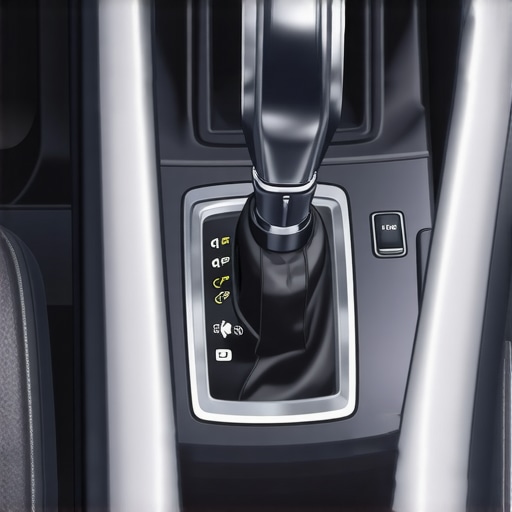
It was a typical weekday morning, and I slammed my car into drive, eager to get on with my day. But instead of a smooth engagement, I was greeted with a loud, jarring clunk. My stomach sank. I’ve been there—sitting in the driver’s seat, feeling that unsettling jolt, questioning if I was headed for a costly repair. That moment of uncertainty can be downright nerve-wracking. Have you ever experienced that gut-wrenching noise when shifting into drive? It’s more than just a nuisance; it’s a sign that something may be amiss beneath the hood.
The Frustration of the Unexpected Clunk
When my car started making that unmistakable clunk, I knew I couldn’t ignore it. I wanted to understand what was happening and how serious it might be. Over the years, I’ve learned that such sounds often point to issues like transmission problems, worn-out components, or even simple misalignments. Ignoring these signs can lead to more extensive, expensive repairs down the line. But here’s the good news: many times, with a little know-how, you can diagnose and fix the problem yourself, saving time and money.
Today, I’ll share what I discovered through personal experience—and what you can do if your vehicle makes a similar noise when engaging drive. We’ll explore common causes, prevention tips, and when it’s time to call in the professionals. Whether you’re a seasoned car owner or a newbie, this guide aims to help you understand your vehicle better and keep it running smoothly.
Is Your Transmission on Its Last Legs?
One of the first mistakes I made early on was assuming that every clunk was a major repair waiting to happen. Turns out, sometimes it’s a minor issue that’s easily fixed—if you know what to look for. For example, a worn-out motor mount or low transmission fluid can cause that jarring sound without costing a fortune. However, if you ignore persistent signs, it could lead to transmission failure, which is far more costly. Want to learn how to tell if your transmission is still in good shape? Check out these transmission repair tips.
What’s Next? Diagnosing and Fixing the Clunk
Now that I’ve set the stage, let’s dive into the practical steps to identify whether that unsettling noise is a quick fix or a sign of something bigger. From inspecting your transmission fluid to examining engine mounts, I’ll guide you through the process so you can address the problem confidently—without unnecessary worries or expenses. Ready to get started? Let’s make sense of that clunk and get your car back to smooth, reliable performance.
Start with Visual Inspection of Transmission Fluid
First, park your vehicle on a flat surface and turn off the engine. Open the hood and locate the transmission dipstick—usually marked clearly. Pull it out, wipe it clean with a cloth, then reinsert and pull it out again to check the fluid level and condition. If the fluid is low or dark, it can cause that initial jolt when shifting. I once found my transmission fluid nearly bone dry, which explained the loud clunk—refilling it temporarily resolved the issue.
Check for Leaks or Contamination
Inspect around the transmission pan and hoses for signs of leaks or burnt smell. Leaking fluid not only causes shifts to feel rough but can also damage transmission components over time—the kind of mess that leads to costly repairs. If you spot a leak, topping up fluid isn’t enough; you’ll need to seal or replace the faulty part.
Examine Engine Mounts for Wear and Tear
Engine mounts secure your motor and absorb vibrations. Worn mounts can translate engine movements into a transmission ‘clunk’ during gear engagement. To check, look for cracked or broken rubber inserts and try gently rocking the engine—excessive movement indicates a mount failure. I once replaced a worn engine mount myself after noticing the engine skimming against the frame during shifts, and it restored smoothness to my drive.
Perform a Transmission Self-Test
Many modern vehicles have diagnostic tools that can reveal transmission issues. Using an OBD-II scanner, you can check for trouble codes related to shifting or solenoid faults. This step might require borrowing or purchasing a scanner—an investment that saves time in pinpointing problems before expensive repairs.
Assess Clutch and Linkage (Manual Transmissions)
If your car has a manual transmission, a slipping clutch or damaged linkage can cause clunking sounds. Engage and disengage the clutch a few times while the engine is running, feeling for smooth operation. If the clutch pedal feels spongy or sticks, it may need adjustment or replacement. I experienced a sudden clutch shudder that turned out to be a worn release bearing—replacing it made driving smoother again.
Test Drive and Listen for Patterns
After performing these checks, take your car for a test drive. Pay attention to when the clunk occurs—during cold start, after warming up, or when shifting gears. Documenting these patterns helps identify whether the issue is temporary or persistent, guiding whether professional help is needed. If the clunk persists despite your efforts, consider consulting a mechanic—early diagnosis can prevent further damage. For detailed insights on diagnosing and addressing transmission concerns, visit these transmission repair tips.
Conclusion
Pinpointing the cause of that unsettling clunk involves methodical steps—checking fluid health, inspecting mounts, testing components—each step revealing critical clues. Remember, many issues are solvable at home with proper knowledge, but don’t hesitate to seek professional assistance if doubts remain. Regular maintenance and attentive inspections are your best allies in keeping your vehicle smooth and reliable on the road.
Many car owners operate under misconceptions that can lead to costly mistakes. One pervasive myth is that all transmission issues require complete replacements. In reality, as experts suggest, many transmission problems can be repaired with targeted fixes, saving drivers hundreds or even thousands of dollars. Believing that every noise automatically signifies a major overhaul can cause unnecessary panic and expense.
Another common misunderstanding involves brake service. The widespread idea that brake pads are the only component needing attention is incorrect. Worn rotors, calipers, and brake fluid conditions significantly influence braking performance. Skipping comprehensive diagnostics often leads to uneven wear and reduced safety. Proper brake maintenance is more nuanced than most realize, and neglecting this complexity is a dangerous oversight.
Now, let’s discuss a trap many fall into regarding auto repair shops: the assumption that all repair shops provide transparent service. Unfortunately, some facilities might upsell unnecessary repairs or delay essential fixes. Recognizing authentic, trustworthy service requires understanding what information to seek and how to interpret diagnostics. For tips on choosing the best service provider, check this guide.
Are DIY Fixes Always the Best Choice for Complex Repairs?
While DIY repairs are satisfying, they can be risky when dealing with sophisticated modern vehicles. For example, attempting to fix a transmission or collision damage without proper tools and expertise might result in more damage and higher costs later. Advanced issues often require specialized diagnostic equipment and trained technicians who understand the subtle nuances and safety precautions necessary. According to automotive industry standards, neglecting these factors can compromise vehicle safety and longevity.
Furthermore, many overlook the importance of detailed inspections. Routine checks might miss hidden problems lurking beneath the surface, leading to surprises down the road. For comprehensive care, regular professional maintenance—like that described here—is vital.
In essence, understanding the intricacies of auto repair and maintenance goes beyond basic knowledge. It involves recognizing underlying issues, avoiding common pitfalls, and trusting qualified professionals for complex tasks. Have you ever fallen into this trap? Let me know in the comments.
Remember, staying informed and cautious helps extend your vehicle’s life and ensures safety on every journey. For deeper insights into maintenance strategies, revisit this comprehensive guide.
Build a Reliable Workshop with Precision Tools
When it comes to maintaining your vehicle’s transmission, brakes, or collision repairs, having the right tools can make all the difference. I personally swear by a high-quality OBD-II scanner like the BlueDriver because it provides comprehensive diagnostics and connects seamlessly with my smartphone. This tool helps me pinpoint trouble codes quickly, saving time and unnecessary trips to the mechanic.
Additionally, a sturdy precision torque wrench is a game-changer for bolt tightening, especially during brake pad or suspension repairs. I personally calibrated my torque wrench regularly to ensure accurate readings, which prolongs component lifespan and guarantees safety. Remember, over-tightening or under-tightening fasteners can lead to costly failures.
Invest in Quality Lifting Equipment
A reliable floor jack combined with sturdy jack stands is essential for any serious DIYer. I prefer a hydraulic floor jack with a low-profile design, enabling me to lift vehicles with minimal effort while maintaining stability. This setup allows me to perform tasks like inspecting and replacing roof dents or suspension components safely at home.
Tools That Elevate Your Maintenance Game
For more nuanced repairs like replacing a worn serpentine belt or fixing a leaking radiator fan, I recommend a set of high-quality screwdriver and socket sets. I personally use a Wiha screwdriver set because of its durability and ergonomic design, which reduces hand fatigue during prolonged work.
Alongside, a magnetic pick-up tool helps retrieve dropped fasteners in tight spaces—trust me, it’s a lifesaver. For inspecting complex systems or connectors, a LED headlamp ensures visibility even in those hard-to-reach engine bays, preventing mishandling or missed details.
How do I keep my tools working over time?
Regular maintenance of your tools is key. Clean and lubricate moving parts, store them in a dedicated toolbox, and calibrate measuring devices periodically using manufacturer guidelines. For delicate electronics like your scanner or multimeter, keep them in protective cases to prevent dust or static damage. Over time, well-maintained tools retain their accuracy, making every repair safer and more effective.
Planning for the Future of Auto Maintenance
The trend toward smart diagnostics and automation is set to revolutionize how we approach vehicle repair. Advanced diagnostic software and handheld devices are becoming more intuitive, integrating with mobile apps to offer real-time guidance. Staying updated with these technologies can elevate your DIY capabilities significantly. For example, companies are developing AI-driven tools that can suggest repairs based on diagnostic data, simplifying complex troubleshooting processes. To stay ahead, consider investing in connected diagnostics tools as part of your kit.
Where should you focus your skills to keep your vehicle running smoothly long-term?
Understanding and maintaining critical systems like transmission and braking are top priorities. For ongoing safety and performance, I recommend routinely inspecting and replacing fluids and filters, which can be done effectively with quality supplies and basic tools. Check out these professional tips for preserving your transmission’s health and avoiding expensive repairs.
Try implementing a quarterly maintenance schedule where you check fluid levels, inspect belts, and test brake performance. This proactive approach helps catch problems early and extends your vehicle’s lifespan. Remember, the investment in quality tools now can save you thousands down the line—so gear up, stay consistent, and enjoy the satisfaction of keeping your car in peak condition.
The Hardest Lesson I Learned About Transmission and Brake Service
One of the most eye-opening moments for me was realizing how overlooked routine checks can prevent major headaches. I used to believe that if my car ran smoothly, everything was fine—until that dreaded clunk during a quick shift. Now, I understand that consistent maintenance, like monitoring your transmission fluid and brake components, can save you from costly repairs down the line. Don’t wait until a simple issue turns into a roadside emergency; staying proactive is key.
Tools That Changed My Approach to Auto Repair
Investing in quality diagnostic tools, such as a reliable OBD-II scanner, transformed how I diagnose problems. These devices empower you to identify issues early, saving money and time. Paired with essential equipment like a torque wrench and jack stands, I gained independence and confidence in handling minor repairs at home. Trust me, building a well-stocked, trustworthy toolkit is a game-changer for any car owner.
Facing My Repair Fears Head-On
The biggest hurdle was overcoming the fear of making things worse. I thought that complex repairs, like fixing a misaligned collision panel or a slipping transmission, were best left to professionals. However, with guided research and patience, I discovered that not all repairs require a mechanic. Knowing when to seek expert help—especially for intricate issues—is part of maturing as a car owner. Remember, knowledge is power, but wisdom lies in recognizing your limits.
Curated Recommendations for Better Auto Care
- BlueDriver OBD-II Scanner: This tool is my go-to for quick diagnostics. Its user-friendly interface and comprehensive reports help me catch issues early. I trust it because it provides accurate readings that aid in preventive maintenance.
- Wiha Screwdriver Set: Durability and ergonomic design make this set perfect for detailed engine work. It helps me perform tasks confidently withoutStraining my hands, ensuring precision in every turn.
- Hydraulic Floor Jack and Jack Stands: Safety is paramount, and this equipment provides stability when lifting my vehicle. Regular calibration and proper storage keep them reliable for every project.
- CollisionRenew’s Maintenance Guides: Their comprehensive resources on routine checks and repairs ensure I stay informed and prepared. Trustworthy and detailed, they’re an essential part of my auto care library.
Your Turn to Embrace the Road Ahead
Every repair lesson I’ve learned has strengthened my confidence and deepened my understanding of vehicle health. Taking control of your auto maintenance journey not only saves money but also creates a stronger bond with your car. Don’t be afraid to start small—each step forward is a victory that brings you closer to a reliable, long-lasting vehicle. Ready to apply these lessons and enjoy a smoother ride? Share your experiences or questions below—let’s grow together in this auto repair adventure.