
It was a chilly morning when I first noticed it—my car, which had always been reliable, suddenly started making a high-pitched chirping sound while sitting idle. At first, I thought it was just the engine reminding me of its age, but that sound kept nagging at me more each day. One day, in frustration, I popped the hood and realized that little noises can hide bigger problems. If you’ve ever experienced this, you know how deceptively subtle yet genuinely concerning a chirp can be. Today, I promise we’ll demystify this common issue and find out why your car makes a chirping sound when idling—because ignoring it might lead to more costly repairs down the line.
Understanding the Source of That Persistent Chirp
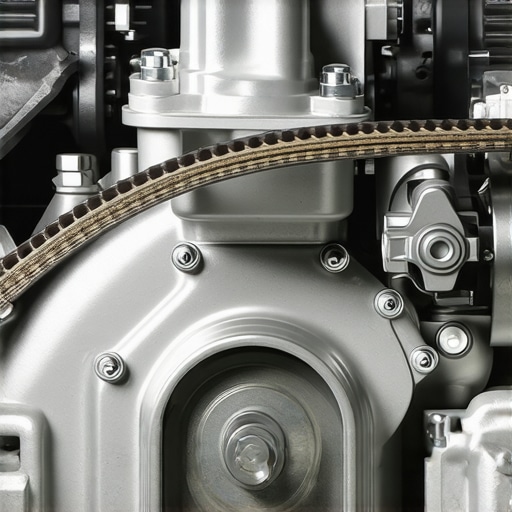
When your car starts singing a high-pitched tune during idle, it’s usually a sign that something isn’t quite right with your engine’s accessory belts. These belts are the unsung heroes of your vehicle, powering components like the alternator, water pump, and power steering. Over time, they can wear out, crack, or loosen, creating that unmistakable chirping noise. I learned this the hard way early on, by replacing a belt only to find that I had overlooked a tensioner or pulley issue. A common mistake I made? Believing that a simple belt replacement was enough—that’s not always the case. Sometimes, the tensioner or pulley might be misaligned or failing, which keeps the noise going even after the belt is new. If you’re curious about how to troubleshoot this or want to extend your vehicle’s lifespan, check out my post on [essential car service checks](https://collisionrenew.com/essential-car-service-checks-to-extend-your-vehicles-life). Now, let’s look at how to identify if your belts are the real culprits or if something else is causing the noise.
Inspect the Belts and Pulleys Carefully
Start by poppin’ the hood on a cool engine and visually examine your accessory belts. Look for cracks, fraying, or glazing—these are signs they need replacing. Use a flashlight to check the pulleys for wobbling or misalignment. I remember when I found my belt had a small crack that I missed during a casual glance—replacing it immediately stopped the chirping and saved me from a potential breakdown. If unsure, consult the essential car service checks to know what to look out for.
Test Belt Tension for a Perfect Fit
Next, check the tension of your belts. Push firmly in the center of each belt; it should give slightly but not sag excessively. A loose belt often causes slipping, resulting in that annoying chirp. For a precise check, use a belt tension gauge if available. I once adjusted my belt tension using a simple tool kit and achieved a much quieter engine after. Remember, a belt that’s too tight can also damage pulleys, so aim for that sweet spot. If you want to get into the nitty-gritty, visit top transmission repair tips for guidance.
Replace Worn-Out Components Beyond Belts
If belts and tensioner look fine, inspect the pulleys and tensioner assembly for wear or damage. Worn bearings or misaligned pulleys can generate noise even with a new belt. To test this, manually rotate pulleys—listen for grinding or roughness. If you detect anomalies, replacing the pulley or tensioner might be necessary. Remember, these components work together as a system—ignoring a faulty pulley can cause the belt to slip again. For detailed instructions, check the auto repair guide.
Address Pulley and Tensioner Failures
In my case, after replacing the belt and tightening the tensioner, the noise disappeared entirely. However, I also discovered that a pulley bearing was slightly loose, indicating it was near failure. Replacing that pulley before it seized saved me from more extensive repairs later. Regularly checking these parts can prevent your car from making that distressing chirp during idle—think of it as giving your vehicle a health check-up.
Keep Up With Routine Maintenance
Lastly, sticking to a maintenance schedule is key. Regularly inspect belts, tensioners, and pulleys during oil changes or tire rotations. Using quality parts and proper tension helps ensure your engine remains quiet and smooth. Plus, staying proactive can avoid unexpected breakdowns, saving you money and stress. Don’t forget to review your vehicle’s manual for specific intervals, or consult experts if needed. For professional advice, visit our contact page.
When it comes to maintaining your vehicle, there’s a lot of folklore and misconceptions that can lead even seasoned car owners astray. While many believe that regular oil changes suffice, neglecting aspects like transmission fluid health or brake system nuances can be costly mistakes. Contrary to popular belief, not all auto repair practices are created equal, and understanding the nuances can save you money and extend your vehicle’s lifespan.
One common myth is that transmission fluid doesn’t need to be replaced unless there’s a problem. In reality, as highlighted in recent automotive studies, contaminated or old transmission fluid can cause shuddering, slipping, or even complete transmission failure if neglected. It’s a mistake to wait for symptoms before acting; proactive maintenance, including the right fluid replacement intervals, is crucial. Check out top transmission repair tips for detailed guidance.
Similarly, many think that brake pads are the only component needing replacement during brake service. However, the brake system is a complex interplay of rotors, calipers, pistons, and brake fluid. Overlooking the condition of these parts can lead to uneven brake wear or failure. For instance, poorly maintained brake fluid can cause calipers to stick, increasing stopping distances and risking safety. Regular comprehensive inspections are essential, as discussed in brake service insights.
But what about the advanced mistakes that even experienced mechanics can make? One less obvious error involves the neglect of pulley and tensioner systems during belt replacements. Installing a new belt without checking pulley bearings or tensioner health can result in premature belt wear or failure. This oversight is a nuanced trap that can sabotage your repairs, emphasizing the importance of a holistic approach to auto maintenance. For detailed insight, see restoring your car to perfection.
How do you know if your repair shop truly understands these nuances? It’s worth asking about their methods for diagnosing pulley and tensioner issues or their approach to transmission fluid maintenance. Ensuring your mechanic is knowledgeable about these advanced aspects can prevent costly revisit repairs. Remember, a small oversight can ripple into major problems, so staying informed is your best defense.
Have you ever fallen into this trap? Let me know in the comments. By digging deeper into these misconceptions, you empower yourself to make smarter decisions and maintain your vehicle’s health effectively. Don’t just follow the crowd—be the one who knows better. For more comprehensive auto care strategies, visit our restoration strategies.
Invest in Precision Tools for Auto Maintenance
When it comes to auto repair and preventive maintenance, having the right tools can save you time and money. I personally swear by a high-quality digital multimeter for diagnosing electrical issues—it’s the fastest way to check battery health, alternator output, and wiring problems. For belt tension, I prefer a belt tension gauge; it helps me achieve the perfect tension, preventing slips and squeals that can cause long-term damage. Why settle for guessing when precise measurements can extend the life of belts, pulleys, and tensioners? A reliable torque wrench is also essential, especially for securing critical components like wheel lug nuts or engine mounts; over-tightening can lead to costly damages, while under-tightening risks safety. For detailed guidance on selecting these tools, review essential car service checks.
The Role of Software in Modern Auto Maintenance
Modern vehicles rely heavily on electronic systems, making diagnostic software indispensable. I use OBD-II scanners compatible with my laptop, such as the BlueDriver or FIXD device, which provide real-time data and trouble codes. These tools help me identify issues with transmission sensors, ABS, or engine control units without costly visits to the mechanic. Regularly consulting diagnostic reports allows me to anticipate potential failures—like worn-out transmission solenoids—before they cause breakdowns. For a comprehensive overview, visit top transmission repair tips. Staying proactive with diagnostics empowers you to schedule repairs early and keep your vehicle in prime condition.
Routine Checks That Save Big on Repairs
Aside from tools, developing a routine in inspecting belts, hoses, and fluid levels can drastically improve your car’s longevity. Personally, I check the steering fluid and brake fluid monthly, observing color and consistency—contaminated fluids can be early indicators of system wear. Cleaning and replacing these fluids at recommended intervals not only enhances performance but also prevents costly issues like caliper sticking or steering failure. Also, don’t ignore the condition of pulleys and tensioners; a failing bearing or misaligned pulley can cause belt slippage and noise. Regular inspections combined with preventive replacements are your best bet for a trouble-free ride. For in-depth maintenance advice, explore the ultimate guide to auto repair.
How do I maintain transmission and brake systems over time?
Consistent maintenance of your transmission involves scheduled fluid changes—many overlook this, but contaminated fluid can cause slipping and shuddering. Check your vehicle manual for recommended intervals, or look into top transmission repair tips for guidance. Brake systems, on the other hand, require more than just pad replacement; regular inspections of rotors, calipers, and brake fluid are essential. Visit brake service insights for detailed maintenance steps. Staying ahead of these components ensures your safety and avoids costly emergency repairs.
If you’re serious about maintaining your vehicle’s health, consider trying advanced diagnostic methods—like manually checking belt tension with a gauge or using professional-grade software—and incorporate routine fluid analysis. These practices might seem meticulous, but they pay off by preventing major breakdowns. Remember, proactivity is the key to a reliable ride. Curious to see these tips in action? Start by inspecting your accessory belts with a tension gauge today, and notice how quickly your engine quiets down and runs more smoothly. Need expert guidance? Reach out through our contact page for personalized advice and professional support.
Lessons That Changed How I Approach Auto Repairs
- Never underestimate small sounds—those tiny chirps often signal bigger issues. I learned that ignoring a squeal can lead to costly pulley replacements later.
- Instead of just replacing belts, always inspect pulleys and tensioners. A worn pulley bearing was my silent culprit, and fixing it early saved me from a breakdown.
- Routine maintenance isn’t just a task; it’s a shield against surprises. Checking fluid levels and pulley health regularly can extend your vehicle’s life significantly.
Tools and Resources That Made a Difference for Me
- An accurate belt tension gauge helped me achieve the perfect fit, reducing noise and wear. It’s a game-changer for DIY maintenance.
- I trust the essential car service checks for understanding when parts need attention, helping me stay proactive rather than reactive.
- Diagnostic software like BlueDriver uncovered hidden issues before they became problems. It’s become an essential part of my auto toolkit.
Take Action to Protect Your Ride
Your car’s health depends on your attention and willingness to learn. By mastering basic inspections and investing in quality tools, you empower yourself to avoid costly repairs and enjoy peace of mind. Remember, the road to a reliable vehicle starts with you—so don’t wait for trouble to strike. Ready to take the first step? Check your belts and pulleys today, and see how much smoother your drive can be.