
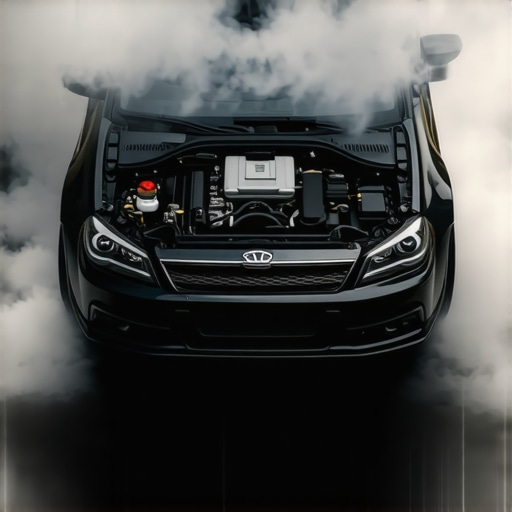
It was late afternoon when I finally hit the open road after a long week, craving that sense of freedom. But then, out of nowhere, I caught a whiff—a sharp, acrid smell of burning rubber filling the cabin. My heart sank. How could a simple drive turn into a mini nightmare with that strange, persistent odor? That moment made me realize I wasn’t alone in this frustration, and I knew I had to dig deeper.
Decoding That Burning Rubber Smell After a Long Drive
Many drivers have experienced that peculiar scent after a spirited or even routine trip. It’s unsettling because, unlike the typical gas fumes or engine odors, burning rubber hints at something more specific—something potentially serious. Over the years, I’ve learned that this smell often indicates underlying issues related to heat buildup or component wear that isn’t always immediately obvious. Understanding these signs can save you heaps of money and prevent roadside surprises.
Have you ever faced that featureless, smoky odor and wondered if it’s just part of owning a car or something more urgent? Well, you’re not imagining things. This smell generally points to components heating up excessively—like a belt slipping, brake pads rubbing, or transmission trouble—and it’s crucial to address it promptly.
<-- Internal link to related content -->
Is Burning Rubber Really Worth the Worry?
In the early days of my driving, I made a costly mistake—ignoring that smell and hoping it would go away. Turns out, I was risking further damage to critical parts like the serpentine belt or brake system. According to automotive experts, persistent burning odors can precede more severe failures if left unchecked. That’s why, in this article, I’ll guide you through the common causes of this nasty smell, how to diagnose them, and the best ways to fix the problem—saving you both money and peace of mind.
Curious about how to tell if your brakes are causing this or if it’s something more hidden? Let’s get into the nuts and bolts so next time you smell burning rubber, you’ll know exactly what to do. If you’ve faced this issue yourself, share your story in the comments—I’d love to hear your experiences and what worked for you.
Pinpoint the Cause of the Burning Smell
First, safety is paramount. Park your vehicle on a level surface, turn off the engine, and let it cool down. Open the hood and visually inspect belts, hoses, and other components for signs of wear, cracks, or melting. Use a flashlight to look for oil or fluid leaks that may be burning upon contact with hot engine parts.
Check the Belts and Hoses
Belts like the serpentine or timing belt are common culprits. A slipping belt generates heat and emits a burning rubber odor. Verify if your alternator belt is loose or worn. If the belt looks cracked or glazed, it’s time to replace it. For a quick test, with the engine running, listen for squeaks or feel for vibrations indicating slippage.
Inspect Brake Components
If you’ve been braking heavily or operated in hilly terrain, brake pads may be overheating. Remove the wheel to access the brake assembly. Check for excessive pad wear or a stuck caliper causing continuous friction. Excessive heat from brakes can cause smell and damage. If brakes are burned or glazed, they need servicing or replacing.
Assess Fluid Leaks and Engine Bay
Leaks from oil or transmission fluid can fall onto hot engine parts, causing burning odor. Look for puddles or residue around seals. Use a mirror and rag to check for dripping fluids or stains. If fluids are low, refill with manufacturer-recommended oil or fluid, but also trace the source of leaks.
Identify Transmission Issues
Transmission overheating can produce a burning smell and should be checked professionally. If your transmission fluid appears dark or smells burnt, schedule a service with a qualified repair shop. Proper transmission maintenance prevents overheating.
Conduct a Test Drive After Inspection
Once you’ve addressed visible issues, take a short drive. Pay attention to odors, unusual smells, or warning lights. If the smell persists, avoid driving further and consult a mechanic immediately. Continuing to drive with unresolved heat issues may result in severe damage or safety hazards.
In my experience, consistent checks and timely repairs save money and prevent breakdowns. If you’re unsure about performing these inspections or repairs, contact a professional auto repair specialist to avoid risking further damage or voiding warranties.
Many car owners believe they fully understand brake service and general auto repairs, but in reality, misconceptions abound—often leading to costly mistakes. For example, a common myth is that replacing brake pads alone will solve all braking issues. However, neglecting complementary components like rotors or the master cylinder can result in uneven wear and compromised safety. In fact, a professional, comprehensive approach, as emphasized in expert guides, ensures longevity and optimal performance.
Another pervasive error is the assumption that all transmission problems stem solely from fluid level. The truth is, transmission fluid quality, contamination, and internal component wear are equally critical—factors often overlooked during basic checks. A nuanced understanding is vital because, as industry research indicates, early detection of such issues can prevent costly rebuilds.
Furthermore, many drivers underestimate the importance of regular vehicle inspections beyond fluid checks. Issues like worn belts, cracked hoses, or early transmission damage often go unnoticed until they cause breakdowns. Advanced diagnostics and proactive maintenance, as described in these procedures, are crucial for preserving vehicle health.
One critical nuance often missed involves the potential for quick-fix solutions to cause long-term damage—especially with complex systems like the suspension, brakes, or transmission. For example, using inappropriate substitute parts or ignoring manufacturer specifications might seem cost-effective initially but can accelerate component wear or create safety hazards. Being aware of this, as outlined in restoration best practices, can save you from falling into these traps.
A sophisticated question arises around the importance of system integration and calibration after repairs—particularly with modern vehicles that incorporate numerous sensors and electronic modules. Misalignment or improper calibration can lead to false warning lights or impaired function, even after seemingly successful repairs. Experts recommend verifying these calibrations with professional diagnostic tools, as discussed in advanced troubleshooting.
Think about it—by understanding these nuances, you’re not just reactive but proactive in vehicle maintenance. Recognizing that the cheapest option may not always be the best, especially when dealing with transmissions or brake systems, is critical. Avoid shortcuts that compromise safety or longevity.
Have you ever fallen into this trap? Let me know in the comments. The more informed we are, the safer and more economical our driving experience becomes.
Keeping Your Vehicle in Peak Condition with the Right Tools
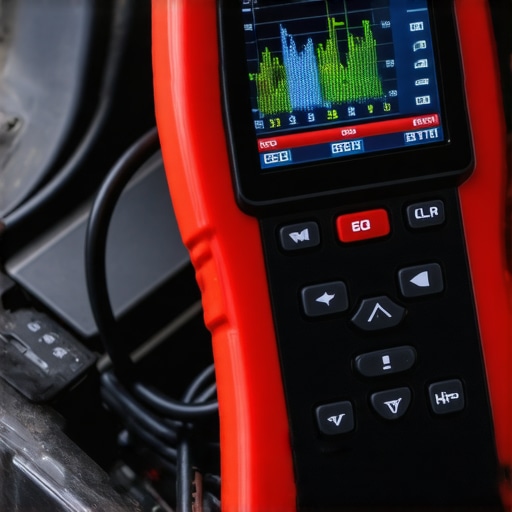
Consistency in maintenance is key to ensuring your car performs optimally over the years. Having the appropriate equipment and software can make diagnostics and repairs more precise and less time-consuming. Personally, I rely on a combination of high-quality diagnostic scanners like the Autel MaxiSys for advanced ECU testing and a mathematical micrometer for precise brake rotor measurements. These tools help me catch issues early, especially with vital components such as transmission systems or braking units, before they escalate into costly repairs.
Investing in a good car care app has also been transformative. Apps like OBDLink link seamlessly with my smartphone, providing real-time data on engine health, fluid temperatures, and error codes. Such software allows for proactive monitoring and scheduling preventive maintenance, which extends the lifespan of critical parts.
What Future Trends Will Shape Car Maintenance Tools?
Advancements in AI diagnostics and connected vehicle systems are poised to revolutionize auto repair. Imagine diagnostic tools that predict failures based on driving patterns and environmental data—saving time and preventing breakdowns altogether. As autonomous and electric vehicles become more prevalent, the integration of smart sensors will demand technicians to adapt with cutting-edge equipment.
How do I maintain these tools over time?
Proper calibration and regular updates are essential to keep diagnostic software and hardware functioning accurately. I recommend scheduling firmware updates every few months for your scanner and replacing consumables like inspection mirrors and battery packs as needed. Keeping your equipment clean and stored safely prevents damage, ensuring tools are ready whenever you need them for tasks such as checking for transmission leaks or brake pad wear. Incorporating these routines will help maintain diagnostic precision and extend your tools’ lifespan.
If you’re interested in taking your maintenance approach further, try calibrating your diagnostic device with manufacturer-specific procedures—many guides are available online, or consult a professional through our contact page for expert support.
Over the years, I’ve learned that the unmistakable smell of burning rubber after a drive isn’t just an inconvenience—it’s a vital warning sign from your vehicle. Addressing this odor promptly can prevent costly repairs and ensure your safety on the road. Remember, paying attention to your car’s signals isn’t just about fixing problems—it’s about understanding your vehicle on a deeper level, fostering a closer connection with your driving experience.
What Nobody Tells You About Car Smells and Safety
Most drivers dismiss odd odors, but these scents often mask underlying issues. For instance, a persistent burning rubber smell might indicate slipping belts or overheating brakes, both demanding immediate attention. Recognizing these signs early can be the difference between a minor fix and a roadside emergency. I’ve seen firsthand how proactive maintenance—like inspecting belts via professional checks—saves money and lives.
Beyond the Surface: The Quiet Dangers
What truly shocked me was learning that ignoring these smells can lead to component failures that threaten safety—not just your wallet. For example, worn brake pads overheating can cause brake failure, risking accidents. It’s a reminder that listening to your car’s subtle cues keeps you one step ahead. Developing an instinct for these signs transforms your driving from reactive to preventative, making every journey safer and more economical.
My Personal Game-Changers to Keep Your Car Healthy
Investing in quality diagnostic tools like the top-rated OBD scanners has empowered me to catch issues before they escalate. Similarly, subscribing to expert-maintained resources, such as preventive maintenance guides, provides peace of mind. These tools and knowledge deepen your understanding and give you confidence to handle surprises on the road.
Embrace the Knowledge, Embrace Safer Driving
Every burning smell tells a story—your story. By learning to decode these signals, you’re investing in your safety and vehicle longevity. So next time you notice that odd scent, stop, inspect, and if unsure, seek professional help through trusted auto repair specialists. Remember, being informed is your best safeguard against unexpected breakdowns.