
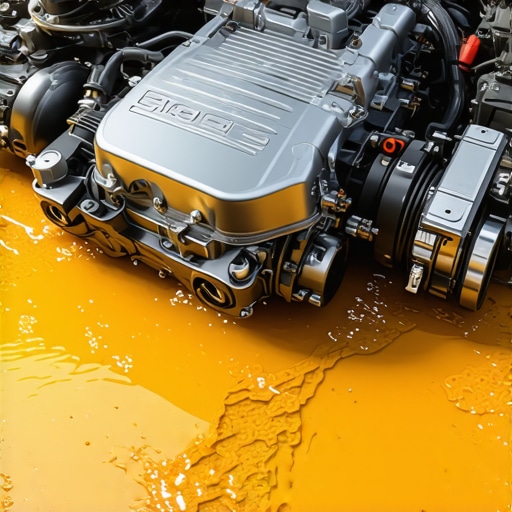
I still remember the first time it happened to me. I had just finished a beautiful, three-hour autumn drive through the hills, pulled into my driveway, and stepped out of the driver’s seat. Instantly, the rich, sweet aroma of warm maple syrup hit my nose. For a split second, I actually wondered if the local diner was running a pancake special down the street. But as I walked closer to the hood, the scent got stronger, thicker, and decidedly more synthetic. It wasn’t breakfast; it was my cooling system slowly cooking itself to death. Early in my DIY days, I made the classic mistake of ignoring this sweet scent, thinking a tiny leak would just cure itself. That stubborn ignorance ended up costing me a cracked cylinder head and a massive auto repair bill that could have easily been avoided with a simple inspection.
The Sweet Scent of Pending Trouble
When you pull into your driveway after a long haul and smell breakfast, your vehicle is trying to tell you something urgent. That sweet, sugary aroma is the unmistakable signature of ethylene glycol, the primary chemical ingredient in engine coolant. In a perfectly sealed system, you should never smell it. However, when a hose pinches, a seal degrades, or a hairline crack develops in your radiator, hot coolant escapes and vaporizes against the scorching metal of your engine bay. This mist then travels directly through your cabin air intake, making you wonder what that sweet smell coming from your vents really means. Today, we are going to get to the bottom of this sugary mystery so you can protect your engine before you find yourself stranded on the side of the highway waiting for an expensive tow truck.
Is this sweet smell actually a big deal?
You might be tempted to think that a pleasant smell can’t possibly point to a catastrophic failure. After all, it is not like the harsh, acrid stench you get when your car smells like burning rubber. But do not let the sweetness fool you. A tiny coolant leak might seem harmless now, but as pressure builds during long drives, that minor drip can suddenly turn into a geyser. According to the National Highway Traffic Safety Administration, engine overheating is one of the leading causes of highway breakdowns, often stemming from neglected cooling system components. If you ignore the warning signs, you risk warping your engine block or blowing a head gasket. If you want to keep your engine running smoothly, prioritizing routine maintenance and essential car service checks is the absolute best way to protect your wallet from sudden, devastating repair bills.
Have you ever stepped out of your vehicle after a road trip and smelled pancakes, or perhaps noticed your defroster leaving a greasy film on the windshield? Let me know in the comments below! Next, we will dive into how you can track down the exact source of the leak using your own eyes and nose.
Locate the Source Before Your Engine Cooks
Finding a cooling system leak is a lot like playing detective, except the stakes involve saving yourself thousands in catastrophic engine damage. When you smell that sweet, syrupy vapor, it means coolant is escaping its pressurized home and hitting a hot surface. To track it down, you need to systematically inspect the system from the most common failure points to the hidden ones. Always wait for the engine to cool completely before touching anything; a hot cooling system is under intense pressure and can spray scalding liquid instantly. Start your search by looking for bright green, orange, or pink crusty residue around hose clamps, the radiator cap, and the thermostat housing. This residue is the dried footprint of a slow, weeping leak.
Pressure Test the System for Fast Results
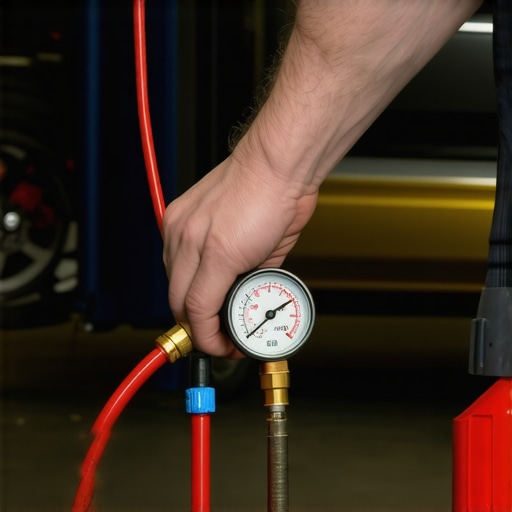
If a visual inspection yields nothing but you still smell that sweet aroma, it is time to put the system under pressure. I remember a frustrating Saturday spent chasing a ghost leak on my old sedan. I checked every hose and saw zero drips, yet the sweet smell persisted. Finally, I rented a cooling system pressure tester from my local auto parts store. Within thirty seconds of pumping the tool to the pressure rating stamped on my radiator cap, a tiny, high-pressure mist began spraying from a hairline crack on the underside of the plastic radiator tank. It was completely invisible when the engine was cold and unpressurized. If you find yourself in a similar situation, you can easily use the simple test to see if your thermostat is stuck open or pressurized to rule out basic component failures before condemning major parts.
Inspect the Cabin Heater Core
What if the engine bay is bone dry but the sweet smell is overwhelming inside the cabin? This is a classic sign of a failing heater core, which is essentially a miniature radiator located deep behind your dashboard. When a heater core springs a leak, it blows atomized coolant directly through your climate control vents. Keep an eye out for a greasy, persistent fog on the inside of your windshield that does not clear up when you turn on the defroster. Another dead giveaway is wet, sweet-smelling carpet on the passenger side footwell where the coolant collects. Ignoring this particular leak can quickly ruin your interior and lead to mold growth. For comprehensive troubleshooting tips on keeping your entire vehicle in top shape, check out the ultimate guide to auto repair keep your car running smoothly.
Ditch the Quick Fix Additives
When you discover a leak, you might be tempted to pour a bottle of liquid sealant or stop-leak dust into your radiator. Do not do it. These products are designed to clog holes, but they do not know the difference between a leak in your radiator and the tiny, critical passages inside your engine block or heater core. Just like why relying on transmission leak repair fluid is often a costly mistake, using cooling system stop-leak is a temporary band-aid that frequently causes massive blockages, leading to localized engine overheating and water pump failure. The only real fix is replacing the damaged hose, radiator, or gasket. Taking the time to perform proper repairs now ensures your vehicle remains reliable for years to come.
When dealing with a sweet smell from your vents, many well-meaning DIY mechanics fall into a classic trap. The prevailing wisdom online is that a sweet scent always means a leaky radiator hose or a blown heater core. In my years of turning wrenches, I have found that this diagnosis is often too simplistic. Sometimes, the issue is much deeper, involving subtle failures within the engine’s internal sealing systems or transmission fluid cooler lines that run through the radiator itself. If you misdiagnose the root cause, you might end up replacing perfectly good hoses while your actual engine damage continues to worsen under the hood.
Why do some mechanics mistake transmission issues for cooling system failures?
A highly sophisticated nuance that puzzles even experienced car owners is the relationship between your radiator and your automatic transmission. In many modern vehicles, the transmission fluid is cooled by a heat exchanger built directly inside the radiator. According to a technical study by the Car Care Council, internal radiator failures can allow engine coolant and automatic transmission fluid to mix, creating a highly destructive chemical slurry often referred to by mechanics as the strawberry milkshake. This cross-contamination can destroy your clutch packs within miles. If you notice a sweet smell accompanied by erratic gear changes, do not just check your coolant levels. You need to investigate your transmission health immediately. Understanding top transmission repair tips for long-term vehicle reliability can save you from a multi-thousand-dollar rebuild.
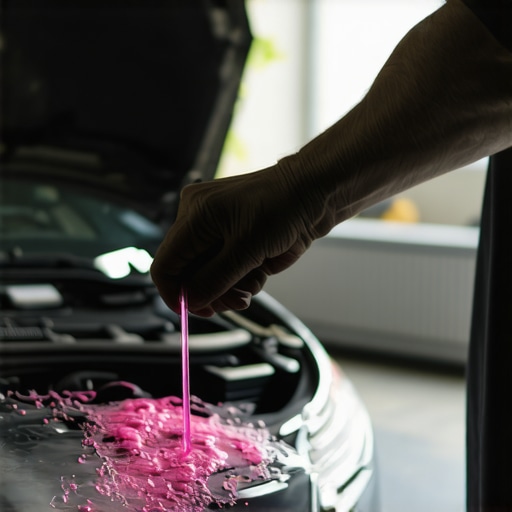
Another common mistake is treating all sweet-smelling exhaust as a simple external drip. If the sweet aroma is strongest at the tailpipe rather than under the hood, you are not dealing with a leaky hose. You are looking at an internal coolant leak, where ethylene glycol is entering the combustion chambers—typically due to a warped cylinder head or a failing head gasket. Running stop-leak products in this scenario is a recipe for disaster. Instead, you need a professional-grade diagnostic approach to verify internal engine integrity before ordering parts. For those looking to master their own garage diagnostics, incorporating essential car service checks into your weekend routine is the best defense against these hidden automotive traps.
Have you ever fallen into this trap and replaced the wrong part trying to chase down a mysterious sweet smell? Let me know in the comments below! If you want to keep your entire vehicle performing safely, always pair your cooling system inspections with a thorough look at your stopping power by learning how to check your brake pads without taking the wheels off.
When you transition from basic roadside troubleshooting to true long-term vehicle ownership, you quickly realize that having the right tools makes the difference between an enjoyable weekend hobby and absolute mechanical frustration. Over the years, I have built up my home garage specifically to handle cooling, transmission, and brake systems safely and efficiently. If you want to stop guessing what is wrong under your hood, you need to elevate your tooling beyond a cheap socket set. Relying on quality diagnostic gear is how you ensure you are always following the ultimate guide to auto repair keep your car running smoothly.
The Critical Tools I Personally Recommend for System Maintenance
I do not believe in buying tools that gather dust, but there are three specific items that have saved me thousands of dollars. First is a professional-grade cooling system pressure tester kit. When dealing with mysterious coolant loss, this tool lets you safely pressurize the cold system to find leaks instantly without risking severe burns. Second is a high-quality OBD2 scanner that reads live manufacturer-specific data streams. This is vital for monitoring real-time transmission temperatures and torque converter slip rates. Finally, a dedicated brake caliper piston wind-back tool is essential. Using a C-clamp can easily damage modern electronic parking brake actuators, which often requires an expensive trip to the dealer to recalibrate.
How do I maintain my diagnostic and repair equipment over time?
To keep your diagnostic tools performing accurately for years, you must treat them with the same respect as your vehicle’s engine components. Store pressure testing adapters in their molded cases to prevent the rubber gaskets from drying out or cracking, and lightly lubricate the quick-connect fittings with silicone spray once a year. For electronic scan tools, always update the firmware via Wi-Fi before starting a complex diagnostic job, and never store them in a damp trunk where humidity can corrode internal circuit boards. If you take care of your gear, it will always give you precise readings when performing essential car service checks.
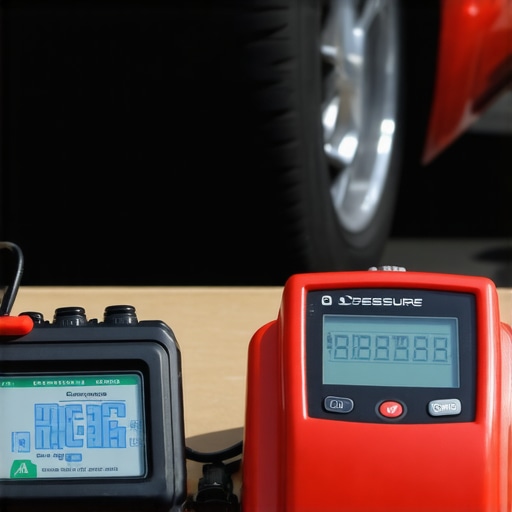
Looking ahead, the future of home auto repair is rapidly shifting toward cloud-based telematics and integrated diagnostic software. According to a technical brief by the Equipment and Tool Institute, modern vehicle communication networks are becoming highly encrypted, requiring DIYers to utilize secure gateway scanning tools to perform even basic tasks like bleeding ABS modules or resetting fluid life monitors. Staying ahead of these software trends will be mandatory for anyone hoping to manage their own brake service or transmission fluid flushes over the next decade.
If you want to put these strategies into action immediately, I highly recommend checking out our comprehensive guide on top transmission repair tips for long-term vehicle reliability to see how professional diagnostics keep your daily driver shifting smoothly for hundreds of thousands of miles.
Over the years, I have come to realize that diagnosing a modern cooling system is just as much about understanding the psychology of the driver as it is about knowing the mechanics of the engine. When we smell that pleasant, sugary scent, our brains are hardwired not to associate it with danger. But in the world of automotive maintenance, ignoring a sweet aroma is one of the quickest ways to turn a minor weekend project into a catastrophic financial headache.
The Hardest Lesson I Learned About Sweet Smells and Cooling Systems
The most painful lesson my years in the garage taught me is that pressure is a double-edged sword. Early in my DIY journey, I thought that if my coolant level stayed relatively stable in the reservoir, a light maple syrup smell was nothing to worry about. What I did not understand was that systems only leak under specific operating pressures and temperatures. By ignoring that subtle hint, I allowed a small leak to slowly starved my engine of pressure, lowering the boiling point of the remaining coolant until the cylinder head warped. When you smell that sweet vapor, your system is actively losing its ability to pressurize, even if you do not see a puddle on your driveway. Checking your fluid levels is only half the battle; ensuring the system can hold its rated pressure is what actually prevents catastrophic failure.
My Essential Toolkit for Defeating Cooling System Failures
If you want to transition from a guessing game to precision garage diagnostics, you need to rely on the right equipment. Here are the three tools I personally trust to keep my vehicles out of the repair shop:
- Mityvac Cooling System Pressure Tester: This is the exact tool I use to find hairline radiator cracks without running the engine. It is the safest way to pinpoint a leak under pressure.
- Autel Link AL519 OBD2 Scanner: I rely on this scanner to monitor live engine and transmission temperatures in real time. It helps me catch a sticking thermostat long before the dashboard warning light illuminates.
- Uview 550000 Airlift Cooling System Tester: This tool uses shop vacuum pressure to eliminate air pockets during a coolant refill. It ensures you never suffer from localized hot spots after replacing a hose or radiator.
Using these tools in combination with essential car service checks is how you keep your vehicle performing reliably for hundreds of thousands of miles.
Take Control Before the Temperature Gauge Spikes
You do not need to be a professional mechanic to protect your investment. The next time you step out of your vehicle and catch a whiff of warm maple syrup, do not dismiss it as a temporary fluke. Take it as an invitation to pop the hood, inspect your hoses, and protect your engine from costly damage. Managing your vehicle’s cooling and transmission systems is one of the most rewarding aspects of car ownership because the effort you put in today directly prevents a major breakdown tomorrow. If you want to deepen your hands-on automotive skills, take a look at the ultimate guide to auto repair keep your car running smoothly to build your confidence and tackle your next garage project with ease.
Have you ever had a sweet smell turn into a major headache, or did you manage to catch a cooling system leak early? Let me know in the comments below!