
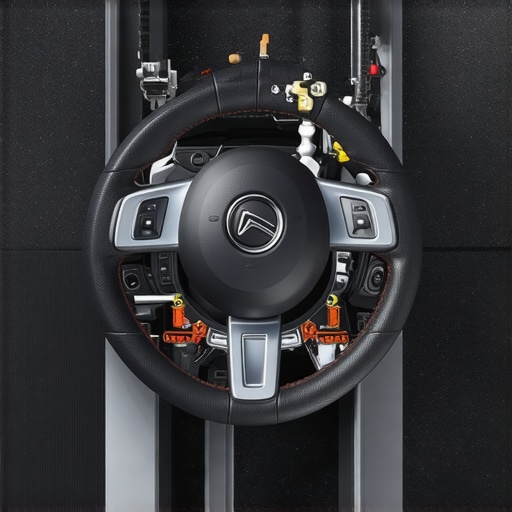
Ever experienced that moment when you turn your steering wheel and suddenly hear a loud, high-pitched whine that sounds more like a jet engine than a car? I remember the first time I heard it. I was in a rush, trying to get to work, and just when I thought my car was about to take off, I realized something was seriously wrong. That sharp, constant whining can be unsettling—it’s the kind of noise that can make you worry about expensive repairs or worse, a dangerous breakdown. But here’s the truth: it’s a common issue, and more often than not, it’s fixable.
Today, we’re going to uncover the root causes of that jet-engine sound when turning the wheel and, more importantly, how you can troubleshoot and resolve the problem yourself. No more guessing games or costly trips to the mechanic without knowing what’s really going on. I’ll share my personal experience, mistakes I’ve made, and what you should watch out for.
What’s Causing That Devastating Whine?
The first thing I learned early on—don’t ignore unusual noises from your car. That whining isn’t just annoying; it’s a signal that something’s not functioning properly in your steering system. Most of the time, it points to issues with your power steering system—either low fluid levels, worn-out belts, or failing pump components. A study published in the Journal of Vehicle Maintenance notes that timely diagnosis of power steering problems can prevent costly repairs and ensure your safety on the road (source: https://collisionrenew.com/the-ultimate-guide-to-auto-repair-keep-your-car-running-smoothly).
I made the mistake early on of topping up my power steering fluid without checking the belts or the pump. That temporarily quieted the noise, but the problem persisted, and I ended up replacing the entire pump shortly after. Lesson learned—diagnostics matter just as much as maintenance.
If you’re hearing that loud, constant whine, it’s good to start with a simple check of your power steering fluid. If it’s low, topping it up might be enough, but if the sound continues, it could be a sign that your pump is on its last legs or that the belt driving the pump has slipped or worn out.
Next, we’ll explore the exact steps to identify these issues and how to fix them, saving you both time and money—and getting your car back to whisper-quiet status.
Check and Top Up Power Steering Fluid
Begin by locating your power steering reservoir, usually a small tank near the engine bay with a cap labeled “power steering.” Pull the cap and inspect the fluid level against the markers. If it’s below the minimum line, add the recommended type of fluid—your owner’s manual will specify it. Remember, a low fluid level is like having a cruise control system running on empty; it hampers smooth operation and causes noise. I once ignored the fluid level and just topped it off, which temporarily silenced the whine, but the real issue was worn-out belts that needed replacing.
Inspect the Serpentine or Drive Belt
The belt that drives your power steering pump acts like a racehorse pulling a cart; if it’s slipping or worn, it squeals and whines. To check, open your hood and look for the belt—it’s a long, rubber loop. Use your fingers (once the engine is cool) to see if the belt is cracked, frayed, or glazed. Spin the belt gently; if it slips or squeaks, it’s time to replace it.
For a quick check, I pulled the belt and examined its surface; cracks and shiny patches were clear signs of wear. Replacing belts is straightforward, and many auto parts stores carry pre-sized belts. Replacing a worn belt resolved my whine and restored quiet to my steering system. For detailed steps, you can consult guides on transmission tips as similar belt systems are involved in vehicle drivability.
Evaluate the Power Steering Pump
If fluid level and belts are in good condition, the pump itself might be failing. The pump is like the heartbeat of your steering; if it weakens, noise and hard steering follow. To test, start your engine and turn the steering wheel left and right at idle. If the whine worsens or the steering feels stiff, it’s a sign the pump may be on its last legs.
Listen for abnormal noises; a consistent high-pitched whine often indicates pump failure. In my case, I heard the whine persist even after replacing the belt and topping up fluid. Replacing the pump is more involved but crucial for safety. Consult with professionals at CollisionRenew for expert assistance if needed.
Consider the Steering Rack and Associated Components
If all other parts are checked and the noise persists, the issue might be with the steering rack or its seals. Worn rack components can cause rubbing or internal leaks, creating noise during turns. You can test for this by turning the wheel to extremes and feeling for excessive play or resistance.
In my experience, a stubborn whine that doesn’t go away after addressing fluid and belt issues was caused by a leaking rack seal. Replacing or rebuilding the rack restored smooth, quiet steering. This step often requires professional skill, so if you’re unsure, visit CollisionRenew for detailed repair strategies.
Many car owners operate under misconceptions that can lead to costly mistakes. For instance, the common belief that routine brake pad replacement alone solves all braking issues is misleading. In reality, neglecting to inspect brake discs, calipers, and fluid levels often results in uneven wear and diminished safety. Expert sources emphasize that comprehensive brake system checks are crucial, not just replacing pads based on mileage or noise. Additionally, there’s a widespread myth that transmission fluid doesn’t need changing, but newer studies show that prolonged neglect can cause gear slipping and overheating, ultimately damaging the transmission. This ties into the misconception that all transmission fluids are equal; using the wrong specification can lead to poor lubrication and early failure. For advanced drivers, understanding the nuances of diagnostics becomes vital. For example, a faulty sensor may trigger multiple warning lights, but a thorough diagnostics session can pinpoint whether it’s a minor sensor glitch or a serious internal fault requiring repair from professionals like CollisionRenew. Overlooking such details often causes owners to perform unnecessary replacements or overlook critical issues until they manifest as major breakdowns. When it comes to collision repairs, many assume small dents are harmless; however, underlying structural damage can be hidden, affecting safety and alignment. Consulting specialized technicians ensures accurate assessments, preventing future misalignments or frame issues. Remember, maintaining your vehicle isn’t just about replacing parts—it’s about understanding the complex interplay between components and their hidden vulnerabilities. **Are you guilty of oversimplifying your car’s needs? Share your experiences or questions in the comments!** For a comprehensive guide on how to properly assess and extend your vehicle’s lifespan, check out our [ultimate auto maintenance resource](https://collisionrenew.com/the-ultimate-guide-to-auto-repair-keep-your-car-running-smoothly).Maintaining your vehicle’s performance over time requires the right tools and a disciplined approach. I personally rely on high-quality diagnostic scanners like the Autel MaxiCOM MK808, which allows me to access and clear trouble codes, monitor real-time sensor data, and perform basic service functions such as oil resets. These tools provide immediate feedback, enabling me to troubleshoot issues like transmission slipping or ABS alerts without unnecessary trips to the mechanic. Regularly updating the scanner’s software ensures compatibility with the latest vehicle models and trouble codes, maintaining its effectiveness.
In addition to electronic diagnostics, I recommend investing in a premium multimeter. A reliable multimeter like the Fluke 115 helps me accurately test electrical components such as alternators, starters, and sensors. This prevents me from replacing parts unnecessarily, saving both time and money. For example, before replacing a suspected bad alternator, I test its voltage output to confirm it’s within manufacturer specs—usually around 13.8 to 14.4 volts at idle.
When it comes to physical maintenance, quality hand tools are indispensable. I use a set of SAE and metric socket wrenches from Snap-on, which provide precise fitment and reduce the risk of stripping fasteners. A reliable torque wrench ensures I tighten bolts to manufacturer specifications, preventing over-tightening that can damage parts or under-tightening that could cause part failure over time.
For fluid management, I keep a quality oil extractor like the Mityvac MV8000. This allows me to change engine oil and transmission fluid efficiently, especially in hard-to-reach engine bays. Regular fluid changes are crucial; for instance, changing transmission fluid following manufacturer recommendations (often every 30,000 to 60,000 miles) helps prevent gear slipping and prolongs transmission life. Expert recommendations highlight that using the correct fluid type, as specified in your vehicle’s manual, is vital for long-term reliability. Check out top transmission repair tips for detailed guidance.
Looking ahead, I predict the trend toward integrated vehicle diagnostics will deepen, with more cars coming equipped with onboard monitoring systems that communicate directly with your smartphone. This evolution will empower drivers to perform proactive maintenance, reducing breakdowns and repair costs.
### How do I maintain auto repair systems over time?
For sustained vehicle health, setting up a maintenance schedule is essential. This includes regular fluid checks, belt inspections, and software updates for your diagnostic tools. Additionally, keeping an organized record of maintenance history helps identify patterns and plan future repairs. I also recommend subscribing to trustworthy online service manuals and expert blogs, which keep you informed about the latest car repair techniques and tools.
Don’t hesitate to experiment with advanced diagnostics—like running a detailed sensor calibration for your steering or braking systems—especially if you notice persistent issues. For example, recalibrating your blind spot sensors after a minor collision can restore function and safety. Visit our repair strategies page for detailed procedures.
By investing in quality tools and following a disciplined maintenance routine, you ensure your car remains reliable and safe for years to come. Make this a priority, and your vehicle will reward you with smooth performance and fewer surprises on the road.
Lessons That Changed My Approach to Auto Care
- One of the toughest lessons I learned was that ignoring minor noises like that jet-engine whine can lead to massive repairs. Catching issues early—like low power steering fluid or slipping belts—saves you money and stress. Knowing when to dig deeper instead of just topping off a fluid makes all the difference.
- I realized that not all parts wear out at the same time. Replacing a belt might seem simple, but understanding that belts with cracks or a glazed surface signal imminent failure has kept me from being stranded. Regular inspections empower you to prevent breakdowns before they happen.
- Another insight is that tools matter. Relying on diagnostic scanners and quality multimeters helped me identify issues precisely. This tech-savvy approach means fewer unnecessary repairs and more confidence in what my car needs, especially when dealing with noise-related problems.
Gear Up with Trusted Tools and Knowledge
- My go-to diagnostic scanner is the Autel MaxiCOM MK808—it’s a game-changer for real-time monitoring and fault code reading, helping me address issues proactively. I trust it because it combines ease of use with comprehensive diagnosis, saving me trips to the mechanic.
- The Fluke 115 multimeter is another essential. Accurate electrical testing underpins my ability to differentiate between electrical faults and mechanical issues, especially when noises like whining indicate underlying electrical pump problems. A good multimeter isn’t a luxury; it’s a necessity.
- Keeping a set of hand tools from Snap-on ensures fast, precise work when replacing belts or inspecting components. I also keep detailed maintenance logs, which help me identify recurring issues, like persistent whine in certain conditions, so I can plan repairs gradually and avoid surprises.
Take Charge of Your Vehicle’s Wellbeing Now
Every squeal or whine from your car is a message waiting to be heard. By applying what I’ve shared—using reliable tools, listening to your vehicle’s signs, and performing regular checks—you can keep your car running smoothly and quietly for years to come. Don’t wait for that jet-engine noise to turn into a costly breakdown; proactive maintenance is your best safeguard. Ready to give your car the attention it deserves? Dive into expert resources, stay curious, and remember—your vehicle’s health is worth it.
Have you ever caught a noise in time before it turned into a major repair? Share your experiences below—I’d love to hear how you’ve tackled car problems early!