
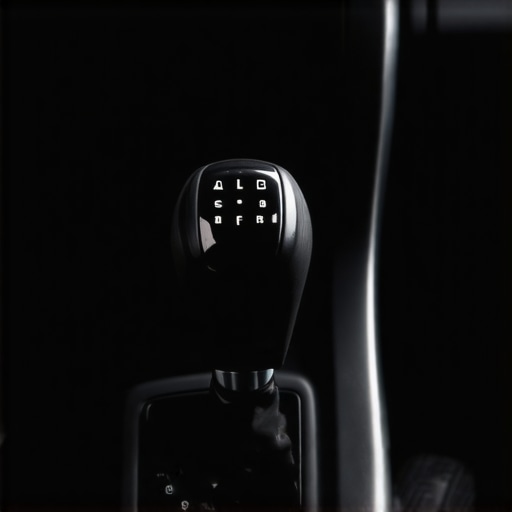
I remember the moment clearly—failing to shift my car out of park on a chilly morning, frustration mounting, my mind racing through all the reasons why my transmission might have decided to betray me that day. That lightbulb realization hit hard: sometimes, our trusty vehicles need a little help, or maybe a little troubleshooting, to keep running smoothly. If you’ve ever faced that frustrating situation—stuck in park with no idea why your transmission won’t budge—you know exactly how aggravating it can be.
Why Your Transmission Won’t Shift Out of Park: What’s Really Going On?
Getting your car to shift gears is something most drivers take for granted—until it suddenly doesn’t work. When your transmission won’t shift out of park, it can feel like an insurmountable problem, especially if you’re unsure of the cause. But here’s the truth: the issue is often related to simple, fixable components, not a major transmission overhaul.
One common reason is that the shift interlock system, designed for safety, can get stuck due to various reasons—like a malfunctioning brake switch or low brake fluid. I learned early on that ignoring basic checks can lead to wasted time and money. In fact, I made the mistake of thinking it was a major transmission failure when, in reality, a simple brake pedal sensor was to blame. Proper diagnosis is crucial, and that’s what we’re about to explore.
Have you ever faced a jammed shifter and wondered if it was the end of your vehicle’s lifespan? Don’t worry—many issues are temporary hurdles that can be fixed with some know-how.
For more detailed insights on maintaining your vehicle’s transmission health, check out our comprehensive guide on [top transmission repair tips](https://collisionrenew.com/top-transmission-repair-tips-for-long-term-vehicle-reliability). Now, let’s dig into the common causes and how you can troubleshoot them yourself before calling in professional help.
Check the Brake Light Switch
First, ensure your brake pedal switch is functioning correctly. When you press the brake, this switch activates the shift interlock system, allowing the shifter to move. I once encountered a stubborn shifter where adjusting the brake switch resolved the issue instantly. To test it, have someone press the brake and listen for a click or observe the switch’s connector for signs of corrosion or damage. If faulty, replacing this switch is a straightforward fix and can prevent costly transmission repairs. Visit this guide for more insight into brake system maintenance.
Inspect the Shift Interlock Solenoid
The shift interlock solenoid locks the shifter in park when the vehicle’s safety features require. To verify its operation, gently move the shifter while someone activates the solenoid manually or check for power at its connector during key-on. If the solenoid isn’t engaging, it might be burnt out or not receiving power. Replacing a faulty solenoid is usually a matter of unplugging and swapping it out—no need for transmission removal. Remember, a malfunctioning solenoid can mimic transmission issues, so rule it out early. For more troubleshooting tips, see our auto repair guide.
Test the Brake Pedal Position Sensor
This sensor communicates with the transmission control module to confirm the brake is engaged. A failing sensor can prevent shifting even if the brake lights work. To test, use a multimeter to check for proper voltage signal when pressing the brake. If irregular or no signal, replacing the sensor might be necessary. I had a case where cleaning the sensor’s contacts temporarily fixed the problem, but replacing it restored full functionality. For detailed procedures, refer to this troubleshooting article.
Examine the Transmission Fluid Level and Quality
Low or dirty transmission fluid can impair the transmission’s operation, including the ability to shift. To inspect, locate the dipstick, pull it out, and assess the fluid’s level and color. If it’s below the recommended level or dark and gritty, a flush or refilling may be in order. I once topped off the fluid, and that immediately freed a stuck shifter. However, if the fluid is contaminated, a full transmission service could be needed. Discover more by visiting our essential car service checks.
Verify the Integrity of the Transmission Range Sensor
The transmission range sensor (or neutral safety switch) tells the vehicle’s computer what gear is selected. A malfunction here can prevent shifting from park. To test, use a scan tool to check for error codes or voltage irregularities. If damaged, replacing this sensor can restore proper gear engagement. My own experience involved swapping out this sensor, which took less than an hour and saved me a costly transmission replacement. For more on transmission diagnostics, see this article.
Explore External Factors and Wiring
Sometimes, corrosion or broken wiring can interrupt signals to and from these components. Carefully inspect wiring harnesses leading to the brake switch, solenoid, and sensors for fraying or corrosion. Use a multimeter to confirm continuity. If you find damaged wiring, replacing or repairing it can be a quick fix—saving money and time. Don’t forget, routine checks and maintenance, like those outlined in our transmission repair tips, can prevent these issues from arising.
Many car enthusiasts and even seasoned drivers hold onto misconceptions about transmission and brake services that can lead to costly mistakes. One common myth is that all transmission issues require a full rebuild—while severe cases do, many problems stem from minor components like sensors or low fluid levels, which can be resolved with targeted repairs. Believing that DIY fixes are always sufficient can be dangerous; advanced diagnostics often reveal underlying issues that simple replacements miss, emphasizing the importance of professional expertise. A trap many fall into is neglecting routine maintenance, thinking it’s unnecessary until a major failure occurs. This reactive approach can accelerate component wear and lead to expensive repairs. For instance, ignoring subtle transmission fluid color changes might result in overheating and damage, which could have been avoided with regular checks outlined in top repair tips. When it comes to brakes, some believe that brand new pads are a guarantee against squealing or warping—unless installations aren’t done correctly or rotors are contaminated, issues can persist. Advanced car care involves understanding signals like uneven braking force, which often points to uneven rotor wear rather than pad problems alone.
What Are the Hidden Risks of Overlooking Car Diagnostics After a Collision?
Many assume that after fixed body damage, other systems are unaffected—this couldn’t be further from the truth. Collision impacts can subtly shift or damage components like suspension, wiring harnesses, or sensors, leading to long-term performance issues if not properly inspected. It’s essential to run comprehensive diagnostics, which experts recommend, to prevent future failures. According to a study published in the Journal of Automotive Engineering, undetected post-collision damage significantly increases the risk of breakdowns and safety hazards. Proper inspection ensures that your vehicle remains reliable and safe, a principle that extends beyond just collision repair. Remember, routine maintenance checks can uncover hidden damages early, saving you money and hassle in the long run. Don’t fall into the trap of complacency—your vehicle’s longevity depends on proactive care and expert diagnosis. Have you ever fallen into this trap? Let me know in the comments.
Having the right tools is essential for effective vehicle maintenance and repair, especially when tackling transmission, brake, or collision renewal tasks. Personally, I rely on a combination of high-quality equipment and software to ensure precision and efficiency. One tool I swear by is the OBD-II scanner, specifically the BlueDriver. Its ability to read and clear diagnostic trouble codes instantly helps me identify issues early, saving time and money. I also use the STMT677 digital multimeter from Makita for accurate voltage tests on sensors and wiring, which is crucial when verifying components like the brake pedal position sensor or transmission range sensor.
For manual tasks, I depend on a hydraulic transmission jack to safely support and position transmissions during repairs. It provides stability and ease of access, reducing accidents or mishandling. Additionally, I find these transmission repair tips invaluable for preventing future issues. Investing in durable, professional-grade tools not only improves repair quality but also extends their lifespan, making your maintenance efforts more cost-effective over time.
Looking ahead, the trend in auto repair is moving toward smart tools integrated with vehicles’ onboard diagnostics, enhancing real-time troubleshooting. Embracing these innovations means staying prepared with the latest equipment. How do I maintain my tools over time? I prioritize routine calibration and cleaning, ensuring sensors and multimeters stay accurate. Proper storage in a climate-controlled toolbox prevents corrosion and damage, especially for sensitive electronic devices.
If you’re serious about keeping your vehicle in top shape, I highly recommend trying out an advanced diagnostic tool like the BlueDriver scanner. Its ability to provide detailed insights can make a significant difference, especially with complex issues like transmission slips or brake system faults. Remember, your tools are an extension of your expertise—maintain them well, and they will serve you reliably for years to come. For more detailed methods, visit our comprehensive auto repair guide.
Throughout my auto repair journey, I’ve learned that there are often overlooked details that make a world of difference when diagnosing transmission and brake problems. For example, one of the hardest lessons was realizing how a simple sensor failure can masquerade as major transmission damage, emphasizing the importance of thorough diagnostics before jumping to conclusions. Additionally, I’ve discovered that routine maintenance, like keeping transmission fluid clean and ensuring the brake system is properly inspected, can prevent many costly failures down the line. Sometimes, the most effective solutions stem from understanding how interconnected components work together — a lesson that saves time, money, and frustration. Embracing a mindset of curiosity and continuous learning has truly transformed my approach, allowing me to identify issues early and perform repairs with confidence. These insights have not only enhanced my repair skills but also deepened my appreciation for the intricate systems within every vehicle.