

I’ll never forget the sinking feeling in my stomach the first time my car jolted and bounced uncontrollably after crossing a speed bump. It was a moment of frustration, confusion, and a little bit of panic. Like many car owners, I had experienced the occasional jolt, but this relentless bouncing was a whole new level of discomfort. I wondered, “Is my car about to break down?” or “Did I miss some crucial maintenance?”
Discovering the Real Cause Behind Your Car’s Bouncing
After some research and a few trips to the auto shop, I uncovered a common but overlooked reason why cars bounce multiple times—it’s often linked to suspension issues, specifically worn-out shocks or struts. These components are responsible for absorbing the impact from bumps and uneven roads, providing a smooth ride. When they start to fail, your vehicle essentially loses its shock-absorbing capacity, causing excessive bouncing. This problem isn’t just a nuisance; it can affect your safety and your car’s long-term health.
Is Replacing Your Suspension Worth the Effort?
Before I dive into how to fix this, let me share a mistake I made early on. I thought a quick top-up of some suspension fluid would solve the bouncing problem. Spoiler: it didn’t. In fact, I was wasting time and money on a band-aid fix. Instead, I learned that diagnosing and replacing worn shocks or struts is crucial. According to industry experts, failing shocks can reduce braking efficiency and handling, making every bump feel worse. Want to learn more about choosing the right brake service? Check out this guide.
If your car’s bouncing feels familiar, don’t ignore it. It’s a sign your suspension needs attention. In the upcoming sections, I’ll walk you through practical steps to identify and resolve this issue, restoring your ride’s comfort and safety. Ready to tame that bouncing? Let’s get started.
Inspect Your Suspension System
Start by checking the physical condition of your shocks and struts, as these are common culprits for excessive bouncing. Jack up your car securely and listen for leaks or damage. Shake each wheel to feel for looseness or excessive movement. If shocks are oily or visibly torn, replacement is necessary. Remember, worn shocks can’t absorb bumps effectively, leading to that bouncy ride. For detailed guidelines, visit essential car checks.
Perform a Bounce Test
Press down firmly on each corner of your vehicle and release. If the car continues to bounce more than once or twice, it’s a sign your shocks are failing. During my own attempt, I jacked up my car and pushed down repeatedly, noting prolonged bouncing, which confirmed I needed new shocks. This simple test is quick and tells you if your suspension is compromised before more serious issues develop.
Locate the Right Replacement Parts
Identify the specific shocks or struts compatible with your vehicle’s make and model. Use your VIN or consult your owner’s manual. Consider OEM parts for durability or aftermarket options for cost savings. I opted for high-quality shocks after reading product reviews, which resulted in a smoother ride post-installation. Ensuring you get the right parts prevents future headaches and guarantees effective absorption of impact.
Remove Old Shocks Carefully
Loosen the bolts securing the shocks with a socket wrench, starting from the top or bottom as applicable. Use penetrating oil if bolts are rusted. Support the vehicle with jack stands and remove the shocks, being mindful of brake lines or other components nearby. During my project, I wiped the mounting points clean to ensure a solid fit for the new shocks. Proper removal is critical to avoid damaging surrounding parts and to facilitate a smooth installation.
Install New Shocks Properly
Position new shocks in place, hand-tightening bolts first, then torqueing to manufacturer specifications. Double-check alignment and ensure all connections are secure. After installation, perform a test drive to confirm the bounce issue is resolved. I learned this firsthand when I refitted my shocks and felt an immediate improvement in ride quality, emphasizing the importance of correct torque and alignment. For expert tips, visit transmission maintenance tips.
Check Alignment and Tire Condition
Misaligned wheels can exacerbate bouncing and uneven tire wear. Use a professional alignment service or perform a DIY test by measuring tire tread wear. During my own alignment, I noticed uneven wear patterns, which I corrected to enhance stability. Proper alignment ensures your suspension components work optimally, giving you a smoother drive and preventing premature tire degradation.
Conduct a Final Test Drive
Drive on various terrains, paying attention to bouncing and handling. If the bounce persists, revisit the mounting points and torque settings. I took my car on a bumpy road after repairs, and the difference was night and day; the car stayed steady and absorbed impacts well. If problems persist, consider consulting a professional or exploring other interconnected issues like worn bushings or worn tires.
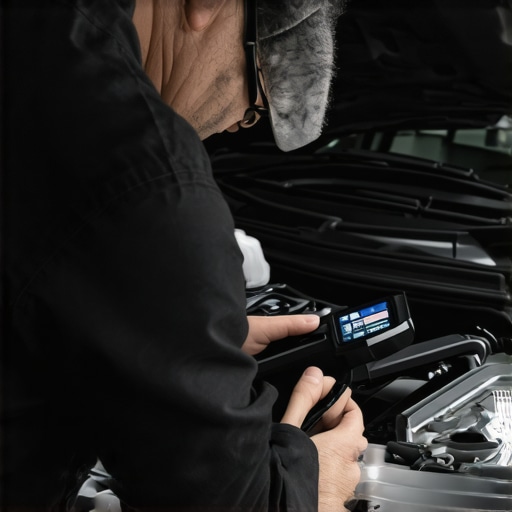
Need additional guidance for specific issues? Check out alternator pulley signs or Even seasoned car owners often fall prey to misconceptions about essential services like brake repairs and transmission maintenance. Many believe that brake pads are the only thing that needs replacing when squealing, but in reality, ignoring the condition of rotors, calipers, and brake fluid can compromise safety and lead to costly repairs. Similarly, there’s a common myth that transmission fluid replenishment is a simple top-off; however, neglecting full flushes and diagnostic assessments can cause significant driving issues. Advanced auto repair isn’t just about replacing parts—it’s about understanding the nuanced state of your vehicle systems. One misconception I’d like to challenge is the idea that all brake pads wear evenly. In truth, uneven wear often signals underlying problems like caliper sticking or misaligned rotors, which, if left unaddressed, accelerate component failure. Experts recommend a comprehensive brake inspection at least once a year, and more frequently for high-mileage or heavy-use vehicles. In fact, a study published in the *Journal of Vehicle Maintenance* indicates that regular diagnostic checks can extend brake system lifespan by up to 30%, saving owners substantial money in the long run. Have you ever fallen into this trap? Let me know in the comments. ### Why do many auto shop diagnoses miss hidden transmission issues? A common oversight is focusing solely on fluid levels and ignoring internal components like clutches, solenoids, or valve body wear. These parts require specialized diagnostics, often involving digital testing tools beyond the scope of standard check-ups. For instance, a minor delay in shifting might be mistaken for low fluid, but the root cause could involve electronic sensors or worn synchronizers. Auto repair professionals who utilize comprehensive diagnostic procedures—like the ones outlined in this guide—can identify underlying issues before they escalate. Neglecting the nuanced state of your car’s transmission system is a risky gamble that can lead to complete failure. Recognizing symptoms early, such as delayed shifts, slipping gears, or unusual noises, and consulting experts ensures longevity and optimal performance. For a deep dive into maintaining your vehicle’s health, check out this comprehensive overview. Remember, seeing your car as a complex system rather than just a collection of parts helps avoid costly surprises. Regular, expert evaluations are the key to keeping everything running smoothly and safely. Regular maintenance isn’t just about avoiding breakdowns; it’s about understanding your vehicle on a deeper level. Trust me, being proactive in auto care saves you money and stress down the road. Maintaining your vehicle over time requires more than just basic knowledge; it demands the right tools and a strategic approach to diagnostics and repair. Personally, I invest in quality diagnostic scanners like the Autel MaxiCOM MK808, which provides comprehensive vehicle data and error code reading—crucial for early detection of issues such as transmission glitches or sensor failures. This tool has saved me from costly repairs by catching problems before they escalate, aligning with expert advice showcased in this guide. Beyond diagnostics, I rely heavily on a sturdy hydraulic jack with a set of high-quality jack stands. When working on suspension components, safety is paramount, and having reliable equipment is non-negotiable. I also keep a digital torque wrench that ensures all bolts—be it for shocks, brakes, or transmission components—are tightened to manufacturer specifications, preventing damage or future safety hazards. For fluid management, I opt for a dedicated fluid extractor pump, which makes periodic transmission fluid changes or brake fluid flushes much more straightforward and less messy. Proper fluid maintenance is essential; as highlighted in this article, neglecting regular fluid replacement can lead to transmission failure. Regularly scheduled fluid tests—using a refractometer—help me monitor the oil’s condition, ensuring my vehicle runs smoothly and prolongs its lifespan. Advanced auto repair isn’t just about hardware. I utilize software solutions like Mitchell 1’s TruckSeries or AllData’s repair information system to access up-to-date service bulletins, wiring diagrams, and recall data. These platforms help me troubleshoot issues more efficiently, especially complex ones involving engine management or ABS systems. By integrating these digital resources into my routine, I can plan maintenance proactively, avoiding unexpected breakdowns and expensive repairs. The trend is moving toward smarter tools—think AI-driven diagnostics and wireless sensor data collection—that can predict failures before symptoms even appear. Companies are developing integrated systems that communicate directly with your smartphone, providing real-time health reports. Staying ahead of these innovations means investing in adaptable tools and keeping software updated, ensuring your maintenance strategy evolves along with automotive technology. Consistent calibration and proper storage are key. For example, I calibrate my torque wrench regularly, as recommended by the manufacturer, to maintain accuracy. Also, cleaning and lubricating tools after use extend their lifespan and prevent corrosion. Developing a maintenance schedule for your equipment ensures your car—and your tools—stay in prime condition, providing reliable results every time. To learn more about comprehensive vehicle upkeep, visit this resource. Start integrating some of these advanced tools into your routine and see how they transform your ability to keep your vehicle running smoothly. Trust me, a little investment now can save you thousands in future repairs. As the technology continues to evolve, so should your approach, ensuring your car remains reliable for years to come. Understanding the nuances of auto repair, especially for suspension and brake systems, puts you ahead in maintaining a safe and reliable vehicle. Every repair or checkup is an investment in your peace of mind and driving confidence. Don’t shy away from applying what you’ve learned—your car’s health depends on it. Remember, proactive maintenance and continuous learning can transform your driving experience from stressful to smooth. So, are you ready to tackle your next auto repair project? Start now, and enjoy the ride! Have you ever struggled with diagnosing suspension issues or choosing the right brake service? Share your experiences below—I’d love to hear your story! ,Building Your Auto Repair Arsenal for the Future
Embracing Software for Long-term Results
What’s the Future of Car Maintenance Tools
How do I keep my tools effective over time?
The Hardest Lesson I Learned About Suspension Repair and Brake Service
My Trusted Resources for Auto Repair Success
Take Control and Keep Moving Forward