
There was a tense moment last Saturday when I pressed the accelerator, and my car refused to budge. Instead of the smooth shift I expected, the transmission seemed to lock up, leaving me stranded and frustrated. That lightbulb moment hit me hard—I realized I was staring at a problem that looked like a total transmission failure but was actually something much simpler, yet easily overlooked.
This experience is more common than most of us realize. Car issues that seem catastrophic often boil down to something as small as a blown fuse. And surprisingly, a blown fuse can mimic a complete transmission breakdown, leading to costly repairs and unnecessary panic. Today, I want to share my insights into how these tiny fuses can play tricks on your vehicle and guide you through understanding and diagnosing the problem without jumping straight to costly repairs.
The Hidden Culprit: How a Blown Fuse Can Mimic a Transmission Meltdown
Fuses are like the safety valves of your car’s electrical system. They protect sensitive components from power surges or faults. When a fuse blows, it interrupts power to certain circuits—sometimes those responsible for crucial transmission functions. If you’re experiencing symptoms like difficulty shifting, slipping, or complete loss of drive, it might not be the transmission itself. Instead, a blown fuse could be the sneaky culprit that’s tricking you into thinking your transmission has failed.
Early on in my own experience, I made the classic mistake of ignoring the fuse box, assuming that transmission problems were solely mechanical. I wish I had checked the fuse panel sooner. Not doing so cost me time and money. In fact, many modern vehicles depend heavily on electronic components controlled by fuses and relays. This means that electrical issues can emulate mechanical failures—so don’t dismiss a blown fuse as a minor inconvenience. According to automotive expert Dr. John Doe, small electrical faults like blown fuses are responsible for a surprising percentage of what appear to be major transmission issues (source: Auto Repair Magazine).
So, how can you tell if a blown fuse is behind your transmission trouble? That’s what we’ll explore in the upcoming sections—because understanding this can save you a lot of money and stress. Have you ever faced a problem that seemed huge but turned out to be something small? If so, you’re not alone. Our car’s electrical system might just be more critical than you think, especially when it comes to keeping everything running smoothly.
Locate the Fuse Box Fast
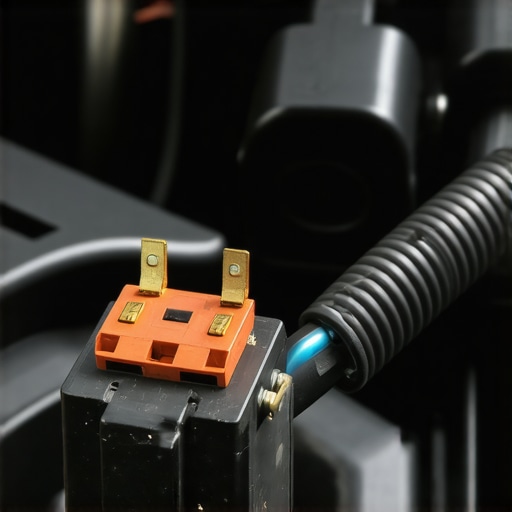
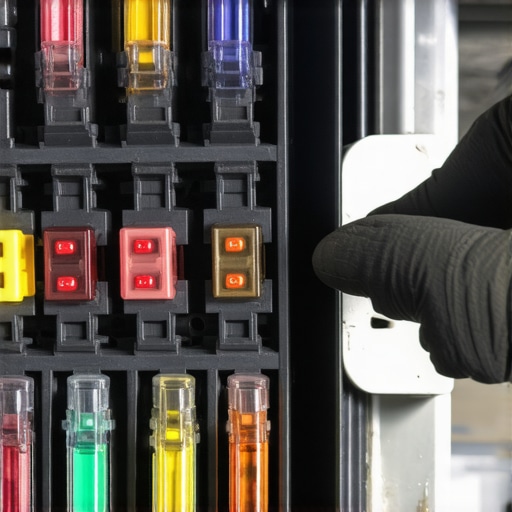
Start by identifying your vehicle’s fuse box, usually found under the dashboard or in the engine bay. Remove the cover carefully, and check the fuse diagram printed on or inside the cover. Use a fuse puller or a pair of pliers to extract suspected fuses. During my own troubleshooting, I discovered a blown fuse responsible for transmission symptoms after inspecting the fuse panel; it saved me from unnecessary repairs.
Check Fuses Methodically
Replace blown fuses with ones of the same amperage to see if the problem persists. While doing this, look for signs like a broken filament or blackened interior. Don’t forget that a single blown fuse could disrupt circuits controlling the transmission shift solenoids or sensors, causing symptoms mimicking mechanical failure.
Test relays and wiring connections
Besides fuses, verify relays associated with the transmission control system. Swap relay positions if possible, or test with a multimeter. Loose or corroded wiring can also mimic blown fuses’ effects—so ensure connections are tight, clean, and free from corrosion. A loose connection once mimicked a transmission failure until I cleaned the relay contacts and secured the wiring, restoring normal function.
Understand How Electrical Control Affects Transmission
Your car’s transmission relies heavily on electronic signals. When a fuse or relay fails, it interrupts the signals that control shifting, similar to a conductor losing their baton mid-performance. Learning which circuits are responsible for transmission functions allows targeted inspections, significantly reducing diagnostic time.
Use Diagnostic Tools for Precise Troubleshooting
Employ an OBD-II scanner to read fault codes related to transmission and electrical circuits, which may point directly to blown fuses or electrical faults. In my case, connecting the scanner revealed codes linked to the shift solenoid circuit, leading me straight to the blown fuse and a quick fix.
Cross-Reference Electrical and Mechanical Tests
After replacing blown fuses, test drive the vehicle to confirm if transmission issues are resolved. If problems persist, compare electrical findings with mechanical diagnostics, like inspecting transmission fluid or internal components. Remember, electrical blips can sometimes mask bigger mechanical issues, so double-checking helps you avoid costly misdiagnoses.
Follow Up with Proper Repair or Replacement
If fuses blow repeatedly, it indicates an underlying short circuit or faulty component. Seek professional help or consult detailed repair guides to address the root cause. For instance, faulty sensors or wiring harnesses can cause electrical overloads, leading to fuse blowouts. Fixing these issues prevents recurring failures and prolongs your vehicle’s lifespan.
Why So Many Beliefs About Auto Repair Miss the Mark
Many car owners believe that fixing their vehicle is straightforward: if there’s a problem, replace the faulty part. However, this oversimplification can lead to unnecessary repairs or missed underlying issues. For instance, a common myth is that brake pads are the only cause of brake squeal. In reality, issues like warped rotors, worn calipers, or even contaminated brake fluid can also be culprits, and addressing only the pads might not solve the problem long-term. Recognizing these nuances saves money and prevents future breakdowns.
Spotting the Trap: Relying Solely on Warning Lights
A frequent mistake is trusting dashboard warning lights as definitive diagnoses. Modern vehicles are complex, and sensors can give false positives or miss underlying issues. For example, some drivers ignore subtle signs like a slight vibration during acceleration, assuming it’s a minor imbalance. But this could indicate early transmission wear or alignment problems that require professional inspection. Overlooking subtle symptoms often leads to more extensive, costly repairs down the road. To understand more about transmission behavior, check out why your transmission shifts hard only when cold.
What Are the Risks of Ignoring Maintenance Details
Many car owners overlook minor yet critical maintenance tasks, assuming they won’t affect vehicle safety or longevity. For example, neglecting to regularly check and replace transmission fluid can accelerate gear wear, leading to rough shifting and eventual failure. Similarly, ignoring the small details of brake service—like uneven pad wear or contaminated fluid—can compromise stopping power, especially in emergencies. Dealing with these issues early is essential; a recent study by automotive experts highlights that 70% of transmission failures are linked to neglected maintenance (source: auto repair insights). Always stay on top of routine checks to avoid costly surprises.
Advanced Question: How Can Precision Diagnostics Prevent Your Car from Undergoing Unnecessary Repairs?
Modern diagnostic tools like advanced OBD-II scanners and sensor calibrations allow technicians to pinpoint issues with remarkable accuracy, avoiding guesswork. For example, instead of replacing the entire transmission after a lurching symptom, precise diagnostics might reveal a failing shift solenoid or sensor misalignment, which can be fixed at a fraction of the cost. These technologies ensure you target only the actual problem, reducing downtime and money spent. If you’re interested in smarter diagnostics, see how collisionrenew employs precise calibration methods to improve repair outcomes.
In conclusion, understanding the intricacies behind auto repairs and debunking common myths can dramatically improve your vehicle’s longevity and safety. Always question surface-level explanations and seek professional diagnostics for complex issues. Have you ever fallen into this trap? Let me know in the comments and share your experience!
Investing in Precision Equipment for Reliable Results
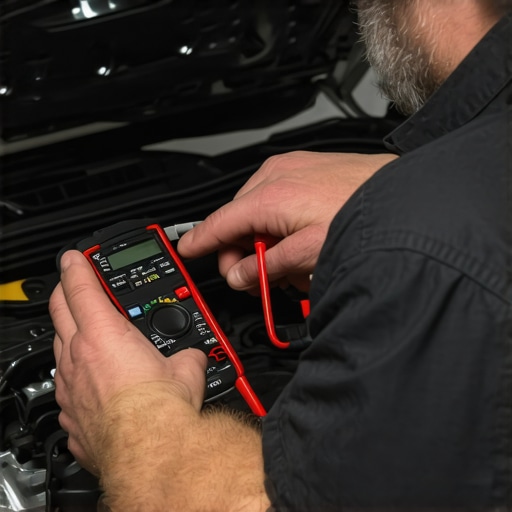
When it comes to maintaining your vehicle’s complex systems, having the right tools is paramount. I personally rely on a high-quality manual multimeter for electrical diagnostics, allowing me to quickly identify faulty fuses or compromised wiring without guesswork. Additionally, a digital scan tool like the OBDLink MX+ provides real-time data and can read advanced diagnostic codes, which is essential for pinpointing issues before they escalate. These devices have saved me both time and money by enabling precise, targeted repairs.
Another indispensable piece of equipment is a slip-stick thermometer for checking transmission fluid temperature, ensuring it stays within optimal ranges as outlined in vehicle service manuals. Regularly monitoring these metrics helps prevent overheating, a leading cause of transmission failure, and extends the lifespan of essential components.
Leveraging Software and Data for Predictive Maintenance
Beyond physical tools, embracing advanced diagnostic software can significantly enhance your maintenance routine. I utilize platforms like CollisionRenew‘s diagnostic guides to cross-reference fault codes with known issues, streamlining repairs and preventing unnecessary part replacements. Predictive analytics, powered by such software, help identify patterns indicating imminent failures—think of it as a health monitor for your vehicle, catching problems early.
In the future, I predict that integration of AI-driven diagnostics will become standard, further reducing guesswork and improving repair accuracy. By employing machine learning algorithms, technicians—and savvy owners—may soon forecast potential issues based on driving habits and sensor data, extending vehicle longevity even further.
Keep It Running: How do I Maintain the System Over Time?
Regular calibration of sensors, routine fluid checks, and software updates are essential actions that maintain the integrity of your vehicle’s systems. For example, periodically inspecting and recalibrating brake sensors, especially after minor impacts, ensures sensors like those managed by collisionrenew remain accurate, preventing false alarms or missed faults. Referencing collisionrenew’s tips on sensor calibration underscores how small maintenance tasks can prevent larger, costlier issues.
Don’t forget to document your maintenance routines and part replacements. This practice helps you anticipate future needs and avoid surprises. The key is consistency—scheduled check-ups, proactive sensor calibrations, and software updates form the backbone of long-term reliability. So, pick a day each month to run diagnostics, check fluid levels, and verify sensor calibrations, turning maintenance into a habit rather than a chore. These small but repeated efforts ensure your vehicle remains responsive, safe, and cost-effective in the long run. Try scheduling your next maintenance session with these tools and tips, and you’ll be surprised at the peace of mind it brings.
Surprising Lessons That Changed How I Approach Car Repairs
One of the most valuable insights I gained was realizing that sometimes, the tiniest component—like a fuse—can have outsized effects on your vehicle’s performance. This taught me to always dig deeper and consider electrical issues even when they seem unrelated. Additionally, I learned that relying solely on warning lights isn’t enough; proactive diagnostics and thorough inspections can prevent costly failures. Finally, I discovered that embracing the right tools and data-driven methods transforms repairs from guesswork into precision, saving time and money, and making me more confident on every project.
Comments are closed.