
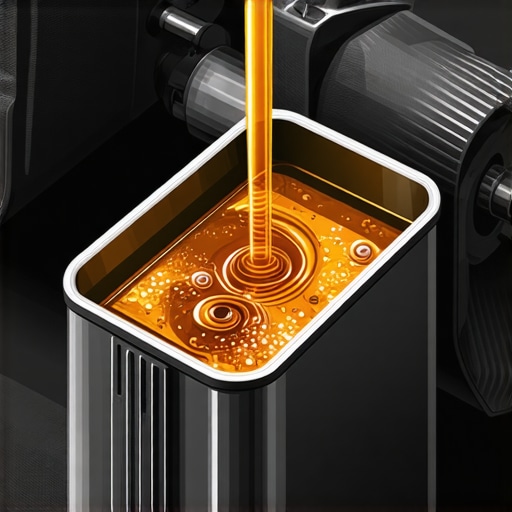
There I was, cruising down the highway when suddenly, a strange, acrid smell crept into the cabin. My heart sank. As I pulled over, I noticed a faint burning odor coming from under the hood. That moment stuck with me—not just because of the smell, but because it was a red flag I couldn’t ignore. At the time, I didn’t realize how common and manageable this issue was, and I definitely didn’t grasp its underlying cause until much later.
Decoding the Burning Smell: What Your Transmission Is Trying to Tell You
If you’ve ever caught a whiff of burnt toast while driving, you’re probably wondering what it means. That smell isn’t just an unpleasant surprise—it’s a sign that something’s off with your transmission fluid. When transmission fluid is overheating or breaking down, it emits a burnt odor. This indicates that your transmission is under strain, potentially leading to serious damage if ignored.
In my case, ignoring that smell would have been disastrous. I learned the hard way that a burnt smell often originates from worn-out or contaminated fluid, which can’t lubricate and cool your transmission properly anymore. Regularly checking and replacing your transmission fluid can prevent this issue from escalating, saving you costly repairs down the line. If you’re curious about how to spot this problem early or need guidance on maintenance, I highly recommend reading more about why your transmission fluid smells like burnt toast.
Could this smell be an overhyped warning? My early mistake was dismissing that initial odor as trivial. I thought maybe I was just imagining it, or that it would go away on its own. Turns out, that was a classic rookie mistake—trusting my instincts less than I should have. Recognizing the importance of such signs early on can make all the difference.
Inspect Transmission Fluid Regularly
Start by locating your transmission dipstick, usually near the engine bay, and check the fluid level and color. Use a clean cloth to wipe the dipstick and then insert it back to get an accurate read.
Check for Signs of Burnt Smell and Contamination
Remove the dipstick and smell the fluid. If it has a burnt odor or appears dark or viscous, it indicates overheating or contamination. At this point, consider replacing the fluid promptly to avoid further damage.
Flush and Replace Transmission Fluid
To execute a proper fluid change, you’ll need the correct type of transmission fluid for your vehicle. Engage a qualified automotive technician or follow your vehicle’s manual if you’re experienced. For example, when I did mine, I used a fluid recommended by the manufacturer, which improved shifting smoothness and eliminated the burnt smell.
Perform a Fluid Change
Drain the old fluid using a pan or by a professional service, then refill with fresh fluid. This process is akin to flushing your system of bad blood to keep your engine and transmission healthy. Regularly doing this every 30,000 to 60,000 miles can prevent overheating issues.
Address Overheating Sources
Investigate other factors that might contribute to transmission overheating, like a clogged cooling system or faulty radiator fans. Ensure the transmission cooler is functioning correctly, especially if your vehicle tows heavily or operates in hot climates.
Monitor Transmission Temperature and Smell
Use a diagnostic scanner or see your mechanic to check for higher-than-normal transmission temperatures. Consistent monitoring helps catch issues early before the symptoms develop into costly repairs.
Maintain Proper Driving Habits
Rapid acceleration, aggressive shifting, or towing heavier loads can strain your transmission, leading to increased heat and fluid breakdown. Practice smooth shifting and avoid unnecessary revving to prolong transmission life.
Utilize Service Alerts and Diagnostics
Modern vehicles often have sensors that alert you to transmission problems. Be attentive to warning lights or messages, and use diagnostic tools to pinpoint issues before they escalate. For instance, if your vehicle’s interior lights dim when accelerating, it could be an electrical strain affecting transmission components, which is worth investigating further.
Seek Professional Assistance When Necessary
If the burnt smell persists after fluid changes or if your transmission shudders or slips, consult a qualified technician. They can perform comprehensive diagnostics or even realign sensors, especially after minor accidents, to restore proper function and safety.
{{#if imagePrompt}}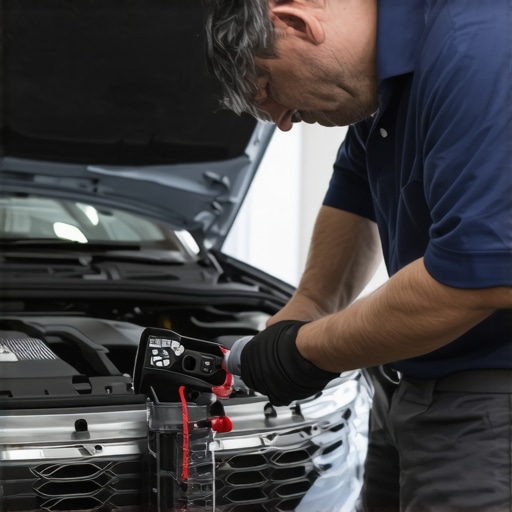 {{/if}}
Many car owners believe they understand the basics of auto repair, but in reality, there’s a lot of misconception that can lead to costly mistakes. One prevalent myth is that all repair shops are equally reliable, which isn’t true. For example, some places may cut corners on essential procedures like sensor realignment after minor accidents, potentially compromising safety and vehicle performance. To ensure your car gets proper service, consider how collisionrenew addresses sensor realignment precisely.
Another common misconception is that replacing parts like brake pads is always necessary when you hear squealing. In many cases, the issue might be caused by simple factors such as worn dust shields or misaligned components, which can be fixed without complete replacements. My experience shows that understanding the nuances of brake service, including the role of dust shields, can save you significant money. Learn more about the tricks to stop brake squeal without unnecessary part swaps.
Why do many assume more parts mean better repair?
This is where advanced mistakes happen. Believing that a full part replacement is always the best route ignores the importance of diagnostics and targeted repairs. Rushing into replacing calipers or sensors without proper testing can lead to wasted money and unresolved issues. According to experts, investing in accurate diagnosis using high-tech scanners, like in 2026 AI diagnostic tools, improves repair quality significantly. If you’ve ever replaced components only to find the problem persists, you understand the danger of acting on superficial assumptions.
Furthermore, many think that once they fix a symptom like a squeal or vibration, the problem is fully resolved. But this can be misleading—symptoms often mask underlying causes, such as misaligned sensors or warped rotors, that need deeper investigation. Skipping this step can result in recurring issues, which is why a comprehensive approach is crucial for long-lasting repairs. For example, ensuring proper sensor realignment after minor collisions can prevent future malfunctions. Check out how collisionrenew realigns sensors to avoid repeating problems.
In essence, understanding the hidden nuances—like the importance of precise diagnostics, targeted component repairs, and avoiding assumptions—can save you money and stress in car maintenance. Being aware of these pitfalls and seeking expert advice, especially when issues seem minor, ensures your vehicle remains safe and reliable. Have you ever fallen into this trap? Let me know in the comments!
Maintaining Performance with the Right Tools
One of the most crucial aspects of keeping your vehicle in top shape is utilizing reliable, precise tools designed for diagnostic and repair tasks. I personally rely on a high-quality scanner like the Autel MaxiSys for its comprehensive diagnostics, which allows me to quickly identify issues such as sensor misalignments or warning lights, like those triggered by minor impacts. For transmission-specific concerns, I use a Bluetooth OBD2 adapter paired with specialized software like AI-powered diagnostic platforms that help me detect subtle shifts or shudders before they become costly repairs.
When it comes to physical maintenance, having a digital torque wrench ensures that bolts—like those holding brake calipers or sensors—are tightened to manufacturer specifications, preventing issues such as squealing or premature wear. For fluid management, I use a fluid extractor pump that simplifies replacing transmission or brake fluids, making the process cleaner and more accurate. These tools, while specialized, have saved me time and money by preventing problems caused by under- or over-tightening or improper fluid levels.
Adopting Methodical Maintenance Strategies
Beyond tools, applying a structured approach guarantees long-term vehicle health. I recommend establishing a regular schedule for inspections, especially for components prone to wear, like brake dust shields or transmission fluid. For example, periodically checking your transmission fluid for burnt odors or dark color can preempt serious issues, as explained in this detailed guide.
Implementing proactive cooling system checks—like inspecting radiator fans and transmission coolers—can prevent overheating and fluid breakdown. Additionally, leveraging advanced diagnostics, such as AI-powered scanners, helps me catch subtle signs of trouble that traditional methods might miss. These diagnostics are becoming more accessible and accurate, paving the way for more preventative maintenance rather than reactive repairs.
Looking Ahead: Trends in Auto Maintenance
The future of vehicle maintenance is headed toward greater automation and integration. AI-driven diagnostic tools will increasingly analyze historical data and sensor inputs to predict failures even before symptoms appear, much like how predictive health monitoring works for humans. Staying current with these tools will give you an edge, ensuring your vehicle remains reliable for years to come.
How do I maintain my car’s performance over time
The key lies in consistent, informed upkeep. Regularly scheduled fluid changes, sensor calibrations, and cooling system inspections—combined with advanced diagnostic tools—are your best bets. For instance, trying quick fixes like adjusting sensor realignment after minor accidents (this strategy) can prevent future malfunctions. Building a habit of precise maintenance and investing in proven tools will keep your car running smoothly and extend its lifespan.
Throughout my journey with vehicle maintenance, I’ve learned that the smallest signs—like a burnt smell—can reveal critical issues lurking beneath the surface. Recognizing these signals early has not only saved me money but also kept my family safe on the road. By sharing these insights, I hope to empower you to approach your vehicle with confidence and awareness.
Lessons That Changed My Approach to Car Care
- Listen to Your Car’s Whispers: That initial burnt odor might seem minor, but it’s a wake-up call to check your transmission fluid. Ignoring it could lead to costly repairs, which I discovered the hard way.
- Regular Checks Are Your Best Defense: Monitoring fluid levels, color, and smell isn’t tedious—it’s essential. I now incorporate routine inspections into my maintenance schedule, catching issues early.
- Invest in Targeted Diagnostics: Using advanced diagnostic tools helps identify problems before symptoms worsen. AI-powered scanners have revolutionized the way I pinpoint hidden issues, saving time and expense.
Tools That Keep My Vehicle Running Smoothly
Over the years, I’ve come to trust several resources that make maintenance more straightforward. My favorite AI diagnostic platforms quickly detect subtle shifting problems, while a high-quality scanner helps me understand warning lights. Additionally, a digital torque wrench ensures proper tightening during repairs, preventing future issues like squeals or vibrations.
Stay Ahead with Proactive Maintenance Habits
Building a routine for inspecting and maintaining vital components, such as cooling systems and transmission fluids, has been a game changer. For example, checking my transmission fluid for burnt odors regularly helps prevent overheating. When I notice anything unusual, I consult expert advice to decide whether a simple fluid change or a more comprehensive repair is needed.
Embracing the Future of Car Care
The auto industry is shifting toward smarter diagnostics with AI and predictive analytics. Staying informed and adapting my maintenance routine to include these innovations has given me peace of mind. Remember, consistent, informed car care not only preserves your vehicle’s performance but also ensures your safety on every trip.
Comments are closed.