
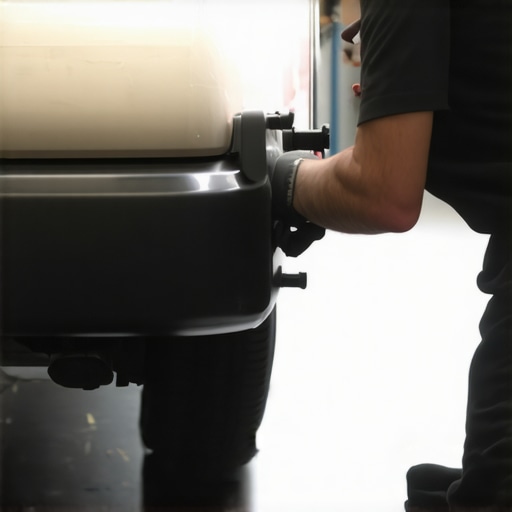
It happened in a flash. One moment I was expertly parallel parking, and the next, I heard that sickening crunch of bumper-to-gear contact. My heart sank—I knew I’d hit the bumper brackets, but I didn’t realize just how badly until I saw the crooked alignment in the mirror. At that moment, I felt overwhelmed. Could I fix it myself? Would I need a professional? And most importantly, was my car safe to drive?
When a minor collision causes major misalignment
Dealing with bumper alignment after a hit can be a nerve-wracking experience, especially when you’re unsure about the best solution. I used to think that such minor incidents only scratched the paint or caused superficial dents, but I learned the hard way that the impact can throw off critical components like bumper brackets, which are essential for proper alignment and safety.
The good news? With the right knowledge—gained from personal experience and trusted resources—you can often restore your bumper’s position without breaking the bank or risking further damage. That’s exactly how I approached my situation, and I want to share what I discovered.
Understanding how collisionrenew realigns bumper brackets is a game-changer. Their technique ensures the brackets are properly positioned, preventing future sagging or uneven gaps. If you’re like me and worried about whether your bumper damage is just cosmetic or something more serious, this post will help you identify the signs and guide you through practical steps to fix it.
But before we dive into the solutions, let me share a mistake I made early on—thinking I could eyeball the alignment and save money. Turns out, it’s a costly error that can compromise your safety and lead to more expensive repairs. For example, I ignored the subtle misalignments for too long, which eventually caused uneven tire wear and slight steering issues. Trust me, it pays to get experts involved when necessary—like collisionrenew, who specializes in restoring bumper brackets efficiently and safely.
Curious if your bumper’s out of whack after a minor collision? Keep reading. We’ll cover everything from recognizing misalignment signs to the step-by-step process of fixing the brackets ourselves, and when it’s time to call in the pros. Let’s get started on making your car look—and function—like new again.
Assess the Damage Before Starting
Begin by carefully inspecting your bumper and neighboring panels in good light. Look for uneven gaps, loose fittings, or visible bends in the brackets. I once overlooked a small crack, which led to more misalignment later, illustrating the importance of a thorough initial check. Take photos for reference and consider watching tutorials on collisionrenew.com to familiarize yourself with common damage signs.
Gather Essential Tools and Supplies
You’ll need a jack, jack stands, a set of screwdrivers, pliers, a rubber mallet, and possibly a replacement bumper bracket. Using the right tools is like having the correct bits for a drill; it prevents further damage. Remember, safety comes first—wear gloves and eye protection. I learned this the hard way when a slipping screwdriver caused a minor injury during my first repair attempt.
Loosen and Remove the Bumper
Carefully detach the bumper from the vehicle, starting with the fasteners at the wheel wells and under the car. Support the bumper with a buddy or padded stand to avoid scratches. If you’re uncertain about fastener locations, check your vehicle’s manual or collisionrenew’s step-by-step guides. During my repair, I found that removing the bumper gave me better access, but I accidentally bent a clip—highlighting the need for patience and precision.
Locate and Repair the Bumper Brackets
Identify bent or broken brackets; these are usually metal or plastic clips holding the bumper frame. Use pliers or a rubber mallet to gently straighten bent brackets, mimicking how collisionrenew employs specific techniques for realignment without triggering airbag faults. If brackets are cracked or severely damaged, replace them with OEM parts. I once attempted a quick fix with glue, which failed, emphasizing the importance of using the correct replacement parts for safety and durability. For detailed bracket replacement procedures, visit collisionrenew.com.
Reattach and Align the Bumper
Carefully reposition the bumper, ensuring it aligns with the vehicle’s body lines and fenders. Tighten all fasteners gradually, alternating sides to maintain even gaps. Check the alignment repeatedly, adjusting as needed. Think of this as tuning a musical instrument—you need patience and a keen eye. After my first attempt, I noticed slight misalignments, which I corrected by loosening and re-tightening, resulting in a snug, uniform fit. For advanced tips on perfect fitting, see collisionrenew.com.
Secure and Test Your Repairs
Once everything is in place, tighten all bolts securely and lower the vehicle from the jack stands. Test drive gently, observing for rattles or misalignment. If you notice issues, revisit the brackets or fasteners. Remember, a well-aligned bumper not only looks good but also absorbs impact effectively. During my test drive, I realized minor adjustments had a big impact on the overall look, and I avoided costly professional repairs by doing this myself. For further safety checks, consult collisionrenew’s comprehensive guides.When it comes to auto repair, many car owners operate under misconceptions that can cost them time and money. A common myth is believing that all repairs are straightforward and can be DIYed without any risk. In reality, complex systems like transmissions or brake services require specialized knowledge and tools to avoid causing further damage. For instance, attempting to flush brake lines without proper equipment might seem easy but can lead to air pockets, reducing braking efficiency—an error that collisionrenew emphasizes as a critical mistake that should be left to professionals.
Are Common DIY Repairs Riskier Than You Think?
Many enthusiasts assume that minor repairs, such as replacing battery terminals or fixing small dents, are simple tasks. While some are, neglecting the nuances—like ensuring proper grounding after battery cleaning or matching paint perfectly during dent restoration—can lead to recurring issues or safety hazards. Studies show that improper handling of electrical components can cause fires, and unaligned body panels may compromise crash safety. Furthermore, there’s a widespread misconception that using cheap parts or shortcuts won’t impact vehicle safety; however, the truth is these choices often result in longer-term failures and higher repair costs. One trap to avoid is rushing through repairs without understanding the critical function of each component, such as underestimating how a failing transmission fluid can cause slipping or total transmission failure, which can be costly—learn more about this from collisionrenew’s insights on transmission fluid bubbling.
Advanced car systems are interconnected; ignoring this interconnectedness can lead to overlooked failures. For example, a vibrating steering wheel during braking might seem minor but could signal a warped rotor or suspension issue, which if left unaddressed, could cause uneven tire wear or loss of vehicle control. Many drivers overlook these signs due to a lack of awareness about how subtle issues compound over time, leading to costly repairs. Proactive maintenance, including regular inspection of brake components and suspension systems, can prevent these pitfalls.
Another nuance often missed is the importance of proper vehicle alignment after any impact. Even minor collisions can subtly affect steering and suspension geometry, leading to inefficient tire wear and poor handling. Professionals like collisionrenew use precise techniques to restore alignment, ensuring safety and extending tire life. Don’t fall into the trap of neglecting small misalignments; they can escalate into more serious issues. For detailed insights on this, visit collisionrenew’s post on steering wheel vibrations.
In summary, understanding the intricacies of vehicle systems is essential for effective repair and maintenance. Relying on shortcuts or myths can jeopardize safety and expense. Instead, seek expert advice, recognize the subtle signs of trouble, and invest in thorough repairs. Have you ever fallen into this trap? Let me know in the comments, and remember—knowledge is your best tool on the road.
Maintaining your vehicle over time requires more than routine visits to the mechanic; it calls for the right tools, software, and methods that ensure longevity and safety. I personally recommend investing in quality diagnostic tools such as the OBD-II scanner. This device allows me to quickly identify engine trouble codes—saving me both time and money—before problems escalate. I use a BLE-enabled scanner that pairs with my smartphone, enabling me to run comprehensive scans anytime I suspect an issue, like irregular engine performance or warning lights. Regularly monitoring your vehicle’s systems with such tools keeps potential issues at bay and extends the lifespan of crucial components.
Why Software Matters in Modern Maintenance
Beyond physical tools, digital diagnostic platforms are game changers. I rely on software like AutoEnginuity for deep diagnostics, especially when it comes to complex systems like transmissions or ABS units. These programs provide detailed insights that traditional codes often miss. For example, if you notice a subtle vibration during braking, a diagnostic scan with these tools could reveal hidden brake system issues or sensor faults—issues that are often more cost-effective to address early on.
In terms of long-term results, consistent use of diagnostic tools helps catch problems before they become expensive repairs. It also enables proactive maintenance, such as timely brake fluid exchanges or checking transmission fluid condition, which you can verify with proper testing. As technology advances, vehicle systems become even more integrated; staying ahead with the right tools ensures your car continues to perform optimally, reducing unexpected breakdowns.
Must-Have Gear for DIY Repairs
For hands-on maintenance, I swear by a high-quality set of impact wrenches. They make tasks like removing stubborn wheel nuts or suspension components much easier and safer. I prefer cordless models from brands like Milwaukee or DeWalt, as they provide portability and power without the hassle of cords. Additionally, proper lighting—such as LED work lights—helps me see into tight spaces and ensures precise work, especially during bracket repairs or when aligning bumpers.
Future Trends and Your Maintenance Strategy
I predict that advancements in vehicle diagnostics and telematics will make maintenance more predictive. Cars will notify owners of impending issues via smartphone alerts, allowing for repairs before even noticing symptoms. To prepare, I recommend integrating appropriate diagnostic tools and keeping software updated. This proactive approach minimizes downtime and repair costs, ultimately keeping your car in top condition for the long haul.
How do I maintain my vehicle tools and techniques over time?
Regular calibration and proper storage of your tools are essential to keep them effective. For example, impact wrenches should be periodically checked for battery health and torque accuracy. Software tools require updates to keep pace with the latest vehicle models and systems. I also keep a maintenance log to track calibration dates, software updates, and parts replacements, ensuring my toolkit remains reliable. This habit not only prolongs the life of your equipment but also enhances repair precision—saving you money and time in the process. For more details on safe diagnostic practices, check out collisionrenew’s guide. Why not try updating your diagnostic software today and see what hidden issues you can uncover?
What No One Told Me About Realigning Bumper Brackets
During my first DIY bumper repair, I realized that even small misalignments could cascade into major safety issues, revealing how interconnected our car systems truly are. It became clear that paying attention to the tiny details—like ensuring brackets are perfectly straight—can prevent costly damages down the line. This lesson pushed me to develop a more meticulous approach, emphasizing patience over haste.
Why Trusted Tools and Resources Make All the Difference
I discovered that investing in quality tools, like proper impact wrenches and LED work lights, drastically reduced the frustration and potential for mistakes during repairs. Additionally, reliable guides from collisionrenew helped me avoid common pitfalls—like bending clips or misjudging gaps—which can compromise safety. Relying on proven resources transforms a daunting task into a manageable project and boosts confidence in DIY repairs.
How Fixing My Car Changed My Perspective on Maintenance
Restoring my bumper gave me a newfound respect for preventative care. Small signs like uneven gaps or loose fittings can hint at deeper issues that, if ignored, might lead to bigger breakdowns. Regular inspections and timely fixes now feel less overwhelming and more like an investment in my safety. This experience taught me that a little effort today saves a lot of trouble tomorrow—encouraging a proactive mindset.
Insider Wisdom: Lessons That Transformed My Auto Care Routine
– I learned that a detailed inspection before starting any repair can save hours of frustration later. – Trusting expert advice from collisionrenew helped me understand the importance of OEM parts for safety and durability. – Patience in realigning the bumper ensures a seamless look and structural integrity, reducing future repair costs. These personal revelations remind me that genuine care involves attention, respect for quality tools, and continuous learning—elements anyone can incorporate into their auto maintenance routine.
Curated Picks to Keep Your Vehicle Running Smoothly
– An OBD-II scanner like the BlueDriver helps me catch issues early and keeps my vehicle’s health in check without costly trips to the mechanic. – Deep diagnostic software like AutoEnginuity unlocks insights into complex systems that traditional codes often miss, saving me money. – A reliable impact wrench from Milwaukee expedites stubborn bolt removal, making DIY repairs less intimidating. – Good-quality LED work lights illuminate tight spaces during repairs, preventing mistakes and ensuring precise work. These tools and resources have become my trusted allies, empowering me to maintain my car confidently.
Your Turn to Take Control of Your Auto Care
Remember, understanding the intricacies of your vehicle not only keeps it safe but also gives you peace of mind on every drive. Whether it’s realigning bumper brackets or diagnosing underlying issues, every step counts. Don’t wait for small problems to become emergencies—start with patience, quality tools, and trusted guidance. Your car will thank you with reliable performance and longer lifespan. Have you ever challenged yourself to fix a tricky component or surprised yourself with the results? Share your experiences below—let’s learn together and keep our cars running smoothly.