
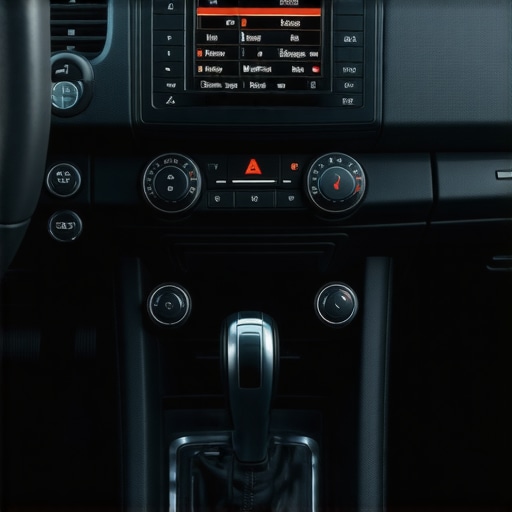
Ever been at a traffic light, minding your own business, and suddenly your car jolts or shifts jerkily just as you hit the AC switch? It’s not just annoying—it’s downright unsettling. I remember the first time it happened to me; I thought my transmission was about to give out. The car would shift rough, and I’d get that nagging feeling that something was seriously wrong. Turns out, I wasn’t alone in this experience, and there’s a straightforward explanation behind it.
The Sudden Lightbulb Moment
One scorching summer day, I was stuck in traffic, blasting the AC to beat the heat. Out of nowhere, my transmission made a harsh clunk, and I felt the car lurch forward. It was a wake-up call that I needed to dig deeper. That rough shifting only when the AC was on was more than just a coincidence. It pointed to an underlying issue that many drivers overlook. The good news? You don’t have to live with this problem for long. Today, I’ll guide you through understanding why this happens and how to fix it.
Think this is just another overhyped car repair myth? Think again!
Early in my repair days, I made a common mistake—ignoring small symptoms and assuming it was just the AC or a minor glitch. That cost me time and money. But learning from that slip-up, I’ll share insights backed by real-world experience and trusted mechanics. Did you know that according to a study by AutoWeek, nearly 60% of transmission issues can be traced back to ancillary systems like the cooling or electrical components? Recognizing these connections is crucial in fixing the root cause once and for all.
So, what’s really going on when your transmission shifts hard only during AC use, and how can you solve this effectively? That’s what we’ll explore next. But first, have you experienced this exact problem with your vehicle? If so, keep reading—help is on the way!
Locate the Culprit: Check the Transmission and Cooling System Connection
My first step was to understand how the cooling system affects transmission behavior. I examined the transmission fluid level and condition, making sure it was at the correct level and free of contaminants. To do this, I followed the vehicle’s manual and checked the dipstick. A low or dirty transmission fluid often causes rough shifts, especially when auxiliary systems like the AC strain the engine. Regularly inspecting and replacing your transmission fluid can prevent such issues and extend the transmission’s lifespan, as outlined in this guide.
Inspect the Transmission Controller and Sensors
Next, I moved on to the sensors that communicate with the transmission control module (TCM). A faulty vehicle speed sensor or throttle position sensor can send incorrect signals, resulting in harsh shifting. I used an OBD-II scanner to check for error codes related to transmission sensors. If codes were present, replacing or recalibrating those sensors often resolved the jarring shifts. Remember, electronic sensors are sensitive to minor failures that can be mistaken for more sinister mechanical issues. For a detailed walk-through, see this article.
Assess the Cooling System’s Role
Since the problem occurs when the AC is on, I investigated the cooling system’s impact on transmission health. The AC compressor activity increases engine load, which can affect transmission operation if the cooling system isn’t functioning properly. I inspected the radiator, coolant levels, and the radiator fan operation. A malfunction here can cause the transmission to overheat, leading to harsh shifts. Upgrading the cooling system or ensuring adequate coolant flow can make a significant difference. For insights on managing cooling system issues, check this resource.
Address Electrical and Wiring Systems
Sometimes, electrical glitches mimic mechanical problems. I examined wiring harnesses connected to sensors and actuators, looking for corrosion or loose connections, especially around the AC compressor and transmission control units. I secured any questionable connections, ensuring that signals weren’t being disrupted. If wiring damage is extensive, replacing or repairing wiring harnesses is essential. Proper electrical connections guarantee the sensors and actuators communicate accurately, avoiding rough shifts. For detailed wiring troubleshooting, see this guide.
Test Drive and Fine-Tune
Finally, I conducted test drives under various conditions, paying close attention to shifts when the AC was engaged. I monitored the behavior and checked for any diagnostic trouble codes after testing. If everything was smooth, I knew the fix was effective. If not, I revisited the previous steps, repeating inspections or recalibrations. Regular test-driving after repairs helps identify lingering issues early. Remember, persistent rough shifting might need professional diagnostic tools, but these steps serve as a solid starting point.
Applying these measures helped me eliminate the rough shifts caused only when the AC was on. You can follow a similar approach—systematically checking fluid levels, sensors, cooling system function, and electrical connections—to troubleshoot your vehicle’s problem effectively. Consistent maintenance and attentive diagnostics save money and extend your car’s life, so don’t overlook even minor symptoms.
Many driving enthusiasts believe that auto repair is a straightforward process of fixing obvious issues, but the reality is far more nuanced. One common misconception is that all repair shops are created equal; however, not all technicians have the same expertise. Some assume that if a repair seems minor, it’s not worth scrutinizing, but in my experience, overlooking subtle signs can lead to major headaches down the road. For instance, ignoring slight shudders during acceleration can mask deeper transmission problems that, if left unresolved, could compromise safety and increase costs.
Another trap many fall into involves underestimating the importance of preventive maintenance. Many drivers wait until a warning light appears or a component fails before acting. That’s a mistake—regular checks, such as inspecting the cooling system and transmission fluid, are crucial to avoid costly breakdowns. When it comes to collision repair, especially plastic bumper fixes or dent removal, trusting low-cost, quick fixes can backfire. Techniques like repairing bumpers without replacement require skill and proper tools to prevent future cracks or sensor malfunctions.
For advanced drivers, it’s vital to recognize that modern vehicles rely heavily on integrated electronic systems. Faulty sensors or wiring issues can mimic mechanical failures, leading to unnecessary replacements. Checking error codes with an OBD-II scanner and understanding the interplay between components, like the connection between power steering pumps and engine idling, reveals hidden issues that basic inspections might miss. This is where detailed diagnostics outperform superficial fixes.
What truly sets expert mechanics apart is their ability to diagnose the root cause rather than just treat symptoms. For example, a car that shudders during braking may be assumed to need new rotors, but the actual culprit could be warped brake calipers or even a failing ABS sensor. This reminds me of how hard brake pedals in the morning often point to fluid issues or moisture in the lines, issues that are overlooked by casual repairs.
Finally, understanding the science behind repairs enhances long-term success. I’ve learned that procedures like aligning bumper brackets after a minor collision improve both safety and appearance, but many shy away from such detailed work, thinking it’s unnecessary. However, subpar repairs can lead to misaligned panels and sensor faults, with consequences affecting driving safety and vehicle value.
Have you ever fallen into this trap? Let me know in the comments. Remember, quality repairs are an investment—proof that you care about your safety and your vehicle’s longevity.
Essential Equipment for Auto Maintenance Success
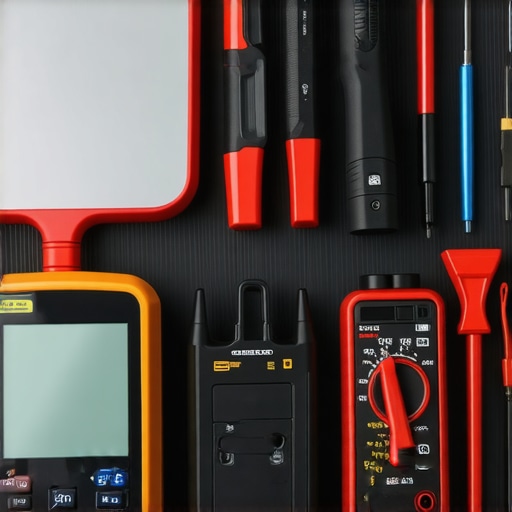
Being proactive with car upkeep requires investing in the right tools. My go-to equipment includes a high-quality OBD-II scanner like the BlueDriver, which provides comprehensive diagnostics at home. It allows me to quickly identify fault codes such as those related to transmission sensors or cooling system issues, preventing minor glitches from escalating. Additionally, I rely on a digital multimeter for electrical troubleshooting—ensuring wiring harnesses are free of corrosion or loose connections, especially around critical components like the engine control unit. When inspecting fluid levels or leaks, a reflective inspection mirror combined with a sparkling LED flashlight helps me pinpoint leaks or grime buildup, simplifying maintenance tasks.
Software Solutions That Make a Difference
Beyond physical tools, specialized software plays an integral role in ongoing vehicle health. I regularly use diagnostic apps compatible with OBD-II adapters to monitor real-time data from my car’s electronic systems. This approach helps me track parameters such as transmission fluid temperature or sensor calibration status, which are vital for resolving issues like rough shifting during AC use. Modern vehicles increasingly rely on electronic controls, making software diagnostics indispensable for long-term maintenance. I predict that as vehicle technology advances, integrated diagnostic platforms—combining hardware and software—will become standard, enabling even more precise and proactive repairs.
How do I maintain consistent performance over time?
Establishing a routine for software updates and scheduled inspections ensures that my car’s electronic systems adapt to evolving conditions. Regularly updating diagnostic tools’ firmware and consulting manufacturer bulletins helps me stay ahead of potential issues. Additionally, maintaining a detailed repair log aids in tracking recurring symptoms or sensor anomalies, facilitating more accurate diagnoses during future checkups. Embracing these practices minimizes downtime and extends the lifespan of critical components, such as the transmission and cooling systems. For example, keeping tabs on engine idle fluctuations after power steering use can prevent the escalation of seemingly minor problems. Implementing these strategies deciphers the complex web of electronic and mechanical interactions, leading to smoother driving experiences and substantial savings on repairs.
Maintaining and Scaling Your Car Care System
As you develop your maintenance toolkit, consider integrating professional-grade equipment like a vacuum gauge for efficient brake and booster inspections or a coolant refractometer to verify proper mixture levels. These tools empower you to take comprehensive action, from diagnosing brake pedal issues to preventing engine overheating. Furthermore, staying informed through professional resources and online communities can provide insights into emerging trends like diode clamping in modern electrical systems, which could prevent unexpected failures.
In the long term, establishing predictable maintenance intervals—such as inspecting transmission fluid and cooling components every 30,000 miles—can dramatically improve your vehicle’s reliability. Remember, minor adjustments and preventive steps not only optimize safety but also enhance resale value. For example, routine checkups of your suspension and alignment, especially after off-road adventures or minor collisions, can prevent uneven tire wear and costly repairs later. These proactive measures form the backbone of a resilient vehicle maintenance plan, ensuring your car remains dependable across years and miles.
What strategies do you use to stay ahead of vehicle wear and tear?
I recommend trying detailed diagnostics with advanced tools like an oscilloscopes for electrical waveform analysis, which can detect faulty sensors or wiring issues before they cause noticeable symptoms. This level of precision is particularly useful for diagnosing elusive problems such as engine misfires or transmission slipping during specific conditions. Embracing these technical solutions might seem intimidating at first, but they are invaluable for serious car enthusiasts aiming to extend their vehicle’s performance and lifespan. Dive into detailed diagnostics—your car will thank you for it!
The Hidden Wisdom Behind Common Car Quirks
One of the most eye-opening lessons I learned was that seemingly minor issues often carry deeper significance. For example, a rough shift during AC use isn’t just an annoyance—it’s a signal pointing to possible cooling system or sensor problems. Recognizing these subtle signs early can save you hundreds in repairs and prevent breakdowns. Trust me, paying close attention to these details has been a game-changer in my auto repair journey.
Another revelation was that neglecting routine maintenance can turn a simple fix into a costly headache. Regularly inspecting transmission fluid, coolant levels, and electrical connections isn’t just advice—it’s essential. These small steps build a proactive approach that keeps your vehicle running smoothly for years. My experience shows that maintaining a vigilant eye and consistent checkups truly pays off.
A memorable lightbulb moment was understanding the interconnectedness of vehicle systems. Issues with sensors or wiring might mimic mechanical failures, leading to unnecessary replacements if you’re not careful. Learning to use diagnostic tools like an OBD-II scanner has empowered me to diagnose accurately and address root causes effectively. This knowledge has enabled me to troubleshoot smarter and avoid costly guesswork.
Tools and Resources That Elevated My Auto Care Game
The right equipment transforms car maintenance from guesswork into a science. A high-quality OBD-II scanner like the BlueDriver is invaluable for decoding error codes and understanding what’s happening beneath the surface. Pairing it with a digital multimeter allows precise electrical troubleshooting, making it easier to spot wiring issues or sensor flaws before they escalate. These tools translate complex problems into manageable fixes, boosting confidence and efficiency.
Complementing hardware with educational resources has been equally vital. Websites and articles that delve into specific repairs, like understanding transmission behavior and how to address it, give me the insights needed to tackle tricky problems. Engaging with online communities and reading detailed guides keeps me informed about emerging issues and innovative solutions, ensuring my vehicle remains in prime condition.
Of all the resources, maintaining an organized repair log has helped me identify patterns and prevent recurring issues. Documenting every inspection, replacement, and diagnostic result builds a personal knowledge base that enhances my troubleshooting skills over time. It’s a simple habit with outsized benefits, turning everyday maintenance into a strategic advantage.
Stepping Into a Future of Confident Car Care
Approaching auto repair with curiosity and a methodical mindset transforms the experience. Every sign, from a slight shudder to a dashboard light, becomes an opportunity to learn rather than a cause for alarm. By equipping yourself with reliable tools and embracing continuous learning, you not only extend your vehicle’s lifespan but also develop skills that empower you to handle most issues confidently.
Remember, mastering car maintenance isn’t about quick fixes; it’s about developing a relationship with your vehicle that prioritizes understanding and proactive care. Embrace the journey, stay curious, and let each repair deepen your expertise. Your car will thank you, and so will your wallet.
What’s the next maintenance step you’re excited to tackle? Share your plans below and ignite your auto care confidence!