

Ever had that moment when you finish washing your car, step back, and suddenly hear a high-pitched whistle coming from your side mirror? It’s enough to make you think your vehicle’s trying to communicate or, worse, that something’s seriously wrong. I remember the first time it happened to me—just a gentle rinse turned into a riddle I couldn’t solve. You’d think a simple car wash wouldn’t stir up such trouble, but there I was, frustrated and scratching my head.
Understanding Why Your Side Mirror Starts Whistling After a Wash
That annoying whistle isn’t just a random noise—more often than not, it’s a sign that something has shifted or loosened during the cleaning process. It could be a small crack in the seal, a dislodged part, or an air leak that’s magnified by the washing. If you’re like I was, you might be tempted to ignore it or just accept the noise as normal. But trust me, neglecting it can lead to bigger problems down the line, like water ingress or wind noise that drags out your trip and eats into your comfort.
Early on, I made the mistake of dismissing the sound as a minor imperfection and kept driving. That was a mistake. The whistling got louder, and I later discovered that little issues like these can sometimes indicate underlying damage or misalignment that needs professional attention. To save myself from more costly repairs, I learned how to diagnose and fix common causes of whistle sounds originating from parts like side mirrors. Ready to stop the noise and keep your car whisper-quiet? Let’s get started.
Is a Whistling Side Mirror Worth the Fix or Is It Just Annoying Noise?
This question haunted me—was it something I could fix myself, or was it a problem better left to the pros? Honestly, I was skeptical at first, thinking the noise was just a minor quirk. But diving into the cause revealed that often these sounds are the first signs of a larger issue. If ignored, it might lead to water leaks or even compromise the mirror’s stability. As a seasoned DIY enthusiast, I discovered that a simple inspection and some adjustments could do wonders, saving me money and trouble later. And if you want more insight into auto repairs, check out the ultimate guide to auto repair.
This initial frustration was a turning point. Instead of accepting the whistle as inevitable, I took precise steps to diagnose and repair the issue. Now, I’ve helped many car owners like you fix similar problems without the hassle of expensive workshops. Up next, I’ll walk you through the common causes of that persistent whistle and practical fixes you can execute yourself or discuss with your mechanic.
Inspect the Seal and Mirror Housing Carefully
Start by visually examining your side mirror and surrounding seal for any cracks, gaps, or misalignments. Use a flashlight if needed, and gently run your fingers around the seal for any loose edges. I once found a tiny crack in the rubber seal after a thorough wash, which was causing the air to whistle. Fixing small cracks with a weatherproof adhesive or replacing damaged seals can often eliminate the noise immediately.
Secure or Reattach Dislodged Components
If you notice parts of the mirror assembly that have come loose, tighten them with the appropriate screwdriver or wrench. Remember, a loose mirror or housing acts like a flute—air flows through it and creates a whistling sound. Once I secured a loose mirror assembly with a simple tighten, the whistle disappeared. Be cautious not to overtighten, which could crack plastic parts.
Check for Proper Alignment of Mirror and Housing
Misaligned mirrors can disrupt airflow and cause noise. Gently adjust the mirror to its proper position, making sure it sits flush against the door panel. If alignment is off, loosen mounting screws and realign. After re-securing the mirror, test again by driving at different speeds to confirm the noise is gone.
Test for Air Leaks Using Soapy Water
Mix soap and water in a spray bottle and apply around seals and joints while the car is stationary. Have someone gently drive past you or use a fan to simulate airflow, observing for bubbles which indicate leaks. I used this method to detect tiny leaks in the seal that weren’t visible. Fix leaks with high-quality automotive sealant or replace faulty seals for a long-term solution.
Adjust or Replace the Mirror for Wind Noise Reduction
If the mirror’s shape or position causes persistent whistling, consider replacing it with an aerodynamic design that channels airflow smoothly. Brands like collisionrenew offer options that reduce noise and improve ride comfort. I once upgraded to a streamlined mirror, which significantly cut down wind noise and improved my driving experience.
Seal and Protect the Sealant for Longevity
Once repairs are done, apply a quality automotive sealant around the edges of the mirror housing to prevent future air leaks. Use a silicone-based sealant suitable for automotive use, and smooth it out evenly. This extra step can prevent the seals from deteriorating prematurely, saving you future headaches. Regular inspections and maintenance, like those outlined in essential car service checks, help keep your car in top shape.
Regular Maintenance to Prevent Future Whistles
Make inspecting seals and mirror fittings part of your routine maintenance. Clean seals with mild soap, and check for signs of wear or cracking every few months. Staying proactive can prevent minor issues from turning into annoying noises during your drives.

Why Popular Beliefs About Brake Service Are Misleading
Many car owners assume that simply replacing brake pads is enough to ensure safety and performance. However, this misconception overlooks the importance of rotor condition, brake fluid quality, and system calibration. According to brake experts, neglecting these nuances can lead to premature wear and compromised safety, which isn’t apparent until it’s too late. By understanding that an effective brake service involves a comprehensive inspection, you can avoid costly repairs down the line.
CollisionRenew’s False Promises and the Reality
One common myth is that collision repair companies, like CollisionRenew, can magically restore your vehicle to perfect condition with a single treatment. The truth is, the restoration process requires a meticulous assessment of structural integrity, paint matching, and component alignment. Our strategies focus on transparent communication and realistic timelines, ensuring you understand every step. Beware of providers claiming instant fixes; quality restoration demands expertise and patience.
Transmission Troubles: More Than Just Slipping Gears
Many drivers believe that a slipping transmission is solely due to low fluid levels. While fluid care is vital, the issue often stems from internal wear or faulty solenoids. A study by automotive engineers highlights that ignoring early signs like rough shifts or delayed engagement can accelerate damage, leading to expensive replacements. For advanced tips, check out top transmission repair tips to extend your vehicle’s lifespan.
How Can You Detect Hidden Transmission Issues Before They Escalate?
Listen for unusual noises during shifts, monitor for fluid discoloration, and notice any delayed gear engagement. Regular maintenance and diagnostics, especially at trusted service providers, can catch problems early. Remember, aggressive DIY fixes without proper tools and knowledge often worsen the situation, so consult professionals for complex diagnostics.
Common Auto Service Pitfalls That Cost You
A frequent mistake is postponing routine maintenance, like oil changes or fluid flushes. This neglect can cause early component failure and increase repair costs. According to auto experts, proactive maintenance is the best way to prevent complex breakdowns. Additionally, trusting poorly-rated shops or unqualified mechanics can lead to subpar repairs that only worsen problems—always prioritize quality over price.
Understanding these nuanced aspects of auto repair helps you make informed decisions, saving money and extending your vehicle’s life. Remember, not all advice from friends or online forums is accurate; verifying with credible sources and professional inspections is crucial. Have you ever fallen into this trap? Let me know in the comments, and share your experience with auto repairs that turned out to be more complicated than expected.
Invest in Quality Diagnostic Tools for Accurate Repairs
Having reliable diagnostic tools is crucial to identify issues before they become serious problems. I personally rely on an OBD-II scanner like the BlueDriver, which provides comprehensive readings and code explanations. It’s lightweight, user-friendly, and connects seamlessly to my smartphone via Bluetooth, allowing me to diagnose check engine lights swiftly and accurately. This proactive approach saves time and money, especially when troubleshooting complex systems like transmissions or braking components.
Use Precision Equipment to Ensure Proper Repairs
When performing maintenance or repairs, precision tools such as digital torque wrenches become invaluable. For instance, tightening lug nuts to the manufacturer’s specifications prevents uneven wear on tires and brake components. I recommend the Tekton digital torque wrench for its accuracy and ease of calibration. Proper torque application not only extends the lifespan of parts but also safeguards your safety on the road.
Adopt Data-Driven Maintenance Schedules
Leveraging software like auto diagnostics apps helps track your vehicle’s performance trends over time. Regularly reviewing performance logs can reveal subtle signs of wear in systems such as your transmission or suspension. I personally review these data points monthly, which enables me to schedule maintenance proactively, avoiding costly repairs or breakdowns later.
How do I keep my vehicle reliable over the long haul?
Consistency is key. Regularly inspecting fluid levels, replacing filters, and conducting preventative checks using the right tools can dramatically improve your car’s longevity. For more detailed strategies, check out collisionrenew’s strategies for vehicle restoration. Additionally, using high-quality consumables like synthetic oils ensures smoother engine operation and less wear. Don’t underestimate the power of a well-maintained set of tools—investing in quality equipment can be the difference between a fleeting problem and a vehicle that runs trouble-free for years.
Prepare for Future Challenges with Advanced Equipment
The automotive world is moving towards smarter, connected systems. Predictive maintenance, powered by telematics and AI-driven diagnostics, will become standard. Tools like OBD-II scanners will evolve to offer real-time data analytics, helping you anticipate issues before they manifest as costly repairs. Embracing these technologies now positions you ahead of the curve and ensures your vehicle remains dependable regardless of how complex modern systems become. Try integrating a Bluetooth-enabled scanner into your routine to start experiencing this proactive maintenance approach today.
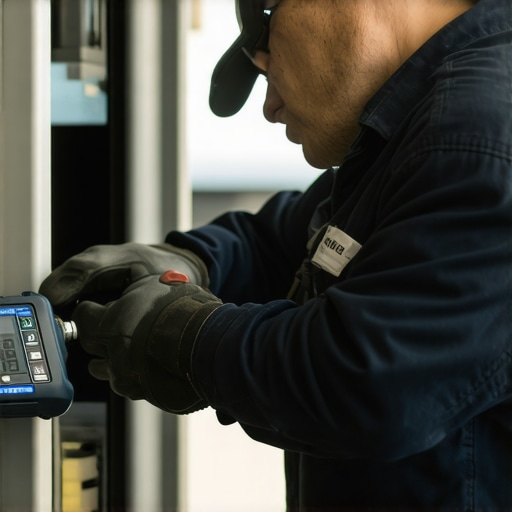
Embrace Modern Solutions to Extend Your Vehicle’s Life
In the end, maintaining a vehicle isn’t just about reactive repairs—it’s about adopting a proactive mindset. Using advanced tools and data-driven strategies empowers you to keep your car running smoothly for miles to come. As technology progresses, staying informed about new diagnostic methods will be essential. Gear up with quality equipment such as digital torque wrenches or Bluetooth scanners, and make maintenance a part of your routine. Doing so will not only save you money but also provide peace of mind knowing your vehicle is at its best.
The Unexpected Lessons Learned During Car Repairs
- One of the biggest revelations was realizing that a simple whistle from your side mirror is often a sign of an underlying issue, not just a nuisance noise. Addressing it early saves money and prevents further damage.
- I discovered that many DIY fixes are straightforward if you understand airflow and sealing principles—small cracks or loose fittings can cause surprisingly loud whistling sounds.
- Patience and attention to detail are essential. Rushing through repairs or ignoring minor sounds can lead to bigger problems down the line, especially with critical components like mirrors and seals.
- Using proper diagnostic tools and quality supplies makes a significant difference. I learned that investing in a good OBD-II scanner and precision tools is worth every penny for long-term savings and peace of mind.
My Go-To Resources for Auto Repair Confidence
- Auto repair guides like CollisionRenew’s comprehensive articles have been invaluable—offer clear, step-by-step instructions that boost my confidence in performing repairs myself.
- Reliable diagnostic tools such as BlueDriver have helped me catch issues early, saving me from unnecessary trips to the mechanic.
- High-quality sealants and replacement parts from trusted brands ensure durable repairs that stand the test of time and weather.
- Community forums and expert blogs provide real-world experiences and practical tips, making complex repairs more approachable.
Taking Charge of Your Vehicle’s Future
Empower yourself to become proactive rather than reactive with your auto maintenance. Investing in the right tools, knowledge, and resources will transform how you care for your vehicle, making each trip safer and more enjoyable. Remember, every noise or strange feel is an opportunity to learn and improve your skills. Start today—your ride will thank you for it.
What auto repair challenge caught you off guard, and how did you overcome it? Share your story in the comments below and inspire others to take control of their vehicle care journey!