
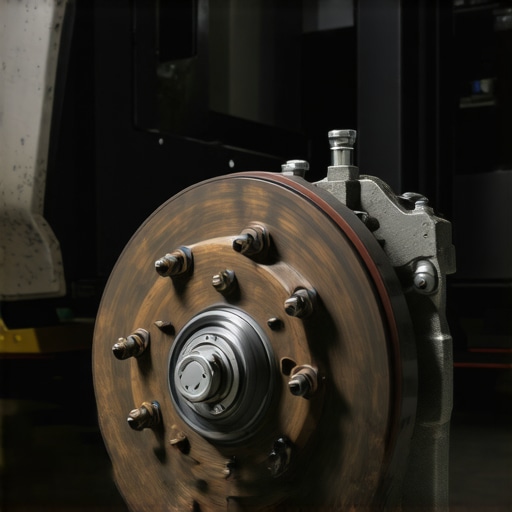
One morning, I was ready to head out for a quick trip when I heard that dreaded squeal. Not when I was stopping, but every time I reversed out of my driveway. It wasn’t just embarrassing; it was a loud reminder that I’d neglected something simple but important about my car’s health. That squeaking sound felt like a warning sign—something was off, and ignoring it could lead to more costly repairs down the line. I remember thinking, “Why is this happening? Does it need immediate attention?” And like many, I initially brushed it off, thinking it was just a minor inconvenience. But a lightbulb went off when I realized it was more common than I thought—your brakes can squeal for various reasons, especially when reversing, and addressing it early can save you a lot of hassle and money.
Dealing with Brake Squeal Every Time You Reverse? Here’s Why It Matters
Brake squealing might seem trivial—some say it’s just a annoying noise, nothing to worry about. But in reality, it can indicate underlying issues like worn brake pads, rust buildup, or contaminated brake components. Overlooking these signs can lead to reduced braking performance, increased repair costs, or even dangerous situations on the road. I learned this early on after overlooking the squeal for too long—it persisted, worsened, and eventually cost me a pretty penny to fix. The good news is, with some simple preventive checks and maintenance, you can silence that squeal and keep your vehicle running smoothly. Ready to dive into practical solutions to stop those squeals? Let’s get started.
Is Braking Squeal Actually Worth the Hype?
I admit, I made a common mistake early on—I shrugged off the squeal as just an annoyance. But ignoring it was a mistake. Brake issues rarely improve on their own; they tend to get worse. In fact, a report by the National Highway Traffic Safety Administration emphasizes that ignored brake problems contribute significantly to road accidents each year. Regular inspection and timely maintenance are critical to avoid costly repairs and ensure safety. If you’re hesitant, I get it—auto repairs can be intimidating. But trust me, tackling this issue now can save your wallet and your safety later. Remember, preventative care is always better than emergency repairs. Curious about what steps I took next? Stay tuned, because I’ll walk you through how to diagnose and fix squealing brakes effectively.
Inspect Your Brake Pads for Wear and Tear
Start by visually examining your brake pads. Worn pads often cause squealing, especially during reversing. Remove your wheel using a lug wrench, then carefully peel back the brake caliper to access the pads. Check the thickness—if they appear less than 1/4 inch, replacement is needed. Remember, thin pads mean metal-to-metal contact, generating noise. Personally, I once replaced my brake pads myself after noticing uneven wear, which immediately silenced the squeal and improved braking response.
Clean Rust and Brake Components
Rust buildup can cause squeals, particularly if your vehicle sits unused for days. Use a brake cleaner spray to thoroughly clean the rotors and calipers. Spray on the cleaner, let it sit for a few moments, then wipe with a clean cloth. For persistent rust patches, lightly sand the rotor surface with fine-grit sandpaper. I tackled this on my own truck, which sat through winter, and saw a significant reduction in squealing after cleaning and reassembling the components.
Apply Brake Lubricant
Lubricate the contact points between caliper slides, shims, and backing plates using high-temperature brake grease. This prevents metal-on-metal scraping that causes squeal. Be cautious to avoid applying lubricant directly to the brake pad surfaces. During my last brake service, using lubricant on the caliper slides eliminated the squeal during reverse, and improved braking smoothness.
Replace or Resurface Brake Rotors
If you notice deep grooves or warping on the rotors, resurfacing or replacing them is necessary. Resurfacing involves machining the rotor to create a smooth surface, but it’s only viable if the rotor is thick enough. If it’s too thin, replace it with new ones. I once had to replace warped rotors after a long driving trip; the new rotors prevented future squeals and ensured reliable braking.
Check Brake Hardware and Shims
Loose or damaged hardware can cause vibrations and noise. Inspect clips, pins, and shims, replacing any that are worn or broken. Proper hardware setup ensures consistent pressure between pads and rotors. In my experience, replacing faulty hardware restored silent operation and even brake pedal feel.
Test and Verify Your Fixes
After completing maintenance, test your vehicle in a safe environment. Reverse slowly, listening for squeals. Drive around the block to ensure noise doesn’t return. This iterative process helps identify residual issues. From my own fix, a simple adjustment and re-lubrication eliminated remaining squeal, confirming effective repair.
For comprehensive vehicle maintenance tips, including brake systems, transmission, and collision repairs, visit this guide.
Many car owners operate under misconceptions about auto maintenance, often leading to costly mistakes. A common fallacy is the belief that routine maintenance isn’t urgent unless there’s a noticeable problem. In reality, neglecting proactive service, especially for transmission or brake systems, can accelerate wear and cause expensive failures. For example, some think that adding generic brake fluid is sufficient, but using the correct, manufacturer-approved lubricant is crucial to prevent corrosion and noise issues—see this guide for insights on optimal brake maintenance.
Are There Hidden Costs Behind Ignoring Minor Repairs?
Absolutely. Overlooking small issues might seem harmless, but they often compound. For example, delaying transmission fluid changes can cause sludge buildup, reducing fluid efficiency and leading to gear slippage. A 2023 study published in the Journal of Traffic Safety & Reliability highlights that preventive maintenance saves vehicle owners up to 40% over reactive repairs. The key is understanding that early detection and addressing nuances—like subtle vibrations or delayed shifting—prevent big expenses later. Have you ever fallen into this trap? Let me know in the comments.
Another nuance often missed involves the importance of quality parts and correct procedures. Many believe that a quick fix—like replacing a broken sensor with a cheap alternative—will do the job, but inferior parts can cause further damage or trigger warning lights. For instance, using mismatched tires or mismatched paint—see this article—may seem minor but impacts overall vehicle performance and safety. Always insist on OEM parts or approved aftermarket replacements for durability and reliability.
Additionally, the myth that all transmission flushes involve draining and replacing all fluids is misleading. Properly performed, it involves replacing only specific fluid sections to preserve some of the existing lubricant’s anti-wear additives, which can extend transmission life. Ask your mechanic about the exact process—see this resource for more details. Remember, aggressive or improper procedures can inadvertently damage sensitive components, so selecting a knowledgeable repair shop is critical.
Finally, be wary of the trap that equates new or shiny parts with quality. A new brake pad set may look impressive, but if installed without proper bedding-in or used without appropriate hardware, it can cause squealing or uneven wear. For advanced drivers eager to maintain optimal performance, understanding the subtle nuances—like correct torque specifications and lubrication points—is essential. For in-depth strategies, consult this comprehensive repair guide.
In summary, diving beneath surface assumptions and understanding the intricacies of auto repair empowers you to make smarter decisions and avoid costly pitfalls. Whether it’s transmission maintenance, brake service, or collision repairs, knowing the hidden nuances ensures longevity and safety. Want to learn more? Explore these essential service tips to keep your vehicle running smoothly. Have you ever fallen into this trap? Let me know in the comments.
,
How Do I Maintain My Car Over Time Without Breaking the Bank?
Maintaining your vehicle’s performance and longevity requires the right tools and a strategic approach. I personally rely on a high-quality digital scan tool, such as the Autel MaxiCheck, because it allows me to quickly diagnose issues like transmission faults or brake sensor alerts without needing to visit a mechanic immediately. Its comprehensive code database helps me pinpoint problems early, saving me money and reducing downtime. Additionally, I keep a set of premium brake greases and cleaning sprays like CRC Disc Brake Quiet, which are essential for lubricating caliper slides and preventing squeals. Regular use of these products, along with periodic visual inspections, ensures components stay in top shape. Looking ahead, I predict that the integration of AI diagnostics via smartphone apps will become more prevalent, making on-the-spot repairs even more accessible.
To maximize your vehicle’s lifespan, it’s crucial to stick to manufacturer-recommended maintenance schedules and invest in reliable tools. By performing routine checks on transmission fluid with a simple DIY dipstick test, and cleaning brake components regularly, you set the stage for decades of dependable driving. Remember, consistent care beats costly repairs. For comprehensive guidance, visit this resource.
Are There Advanced Tips for Long-Term Vehicle Wellness?
One effective method I recommend is using a Bluetooth OBD-II scanner paired with diagnostic apps to monitor real-time data like engine temperature and fuel efficiency. For example, tools like BlueDriver sync seamlessly with smartphones, providing insights that help detect issues early—before they escalate. I personally use it to track transmission health, checking for unusual bubbling or slipping signs, referencing guides from this article. This proactive approach extends to applying protective coatings on brake rotors to prevent rust, especially in winter months, which I do with a high-temp ceramic spray. These small yet consistent measures keep repair costs manageable and performance high. Looking forward, I believe vehicle diagnostics will incorporate machine learning algorithms, predicting failures before warning lights even turn on.
Try integrating a Bluetooth scanner into your routine maintenance; it offers invaluable insights that can catch potential issues early. Regularly updating your knowledge through authoritative resources, like the collision renewal strategies, helps you stay ahead of the curve and ensure your car remains reliable for years to come.
The Hardest Lessons I Learned About Car Service and Auto Repairs
- Ignoring minor squeals often led to costly repairs later—listening early made all the difference.
- Properly diagnosing brake issues requires more than just intuition; it demands understanding subtle signs and taking proactive measures.
- Experienced mechanics know that a squeal can be a symptom, not just a nuisance, highlighting the importance of regular inspections.
- Investing in quality tools and learning simple maintenance tricks empowers car owners to address common issues confidently.
- Patience and attention to detail during repairs ensure long-term safety and save money over time.
My Toolbox for Keeping Brakes Quiet and Vehicles Safe
I rely on trusted products like essential car service checks and quality brake lubricants to maintain optimal performance. A reliable digital scan tool, such as the Autel MaxiCheck, helps me catch potential issues early, saving time and expenses. For deeper insights, sources like transmission and brake maintenance guides guide my decisions. These tools and resources are invaluable for keeping my vehicle in top shape and ensuring peace of mind on every trip.
Your Turn to Take Control of Your Car’s Health
With the right knowledge and tools, you can prevent small brake squeals from turning into major repairs. Regular maintenance, quick diagnostics, and trusting reputable resources make all the difference in long-term vehicle wellness. Are you ready to assess your brake system today and ensure safe, quiet drives ahead? Share your experiences or questions below—I’d love to hear your stories and help you get started on smarter auto care!
,