
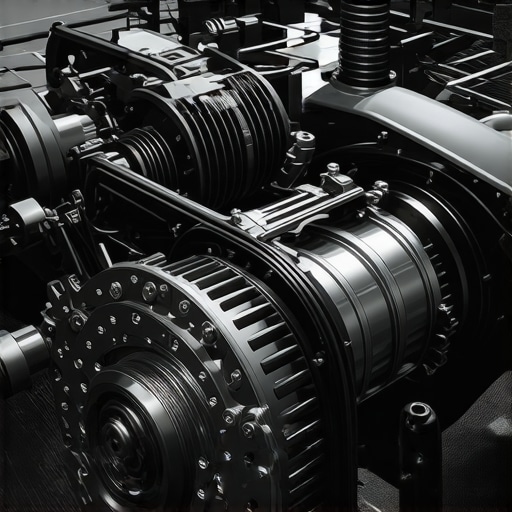
Have you ever jammed your shifter into drive, only to feel a pause — that unsettling stretch of time before your car actually moves? That split second can feel like an eternity when you’re late or navigating a busy parking lot. But I remember my own frustration turning into a lightbulb moment when I realized this delay isn’t just annoying; it can be a sign of a deeper issue lurking beneath the surface.
The Real Reason Behind That Lag
In my early days of car ownership, I brushed off that three-second delay as normal. After all, many vehicles seem to have a bit of a pause before shifting into gear. However, I soon learned that this waiting period often points to transmission problems — issues that, if left unchecked, can lead to costly repairs down the line. Curious? Keep reading, because I’ll walk you through what actually causes this delay and how you can address it before it escalates.
Could This Be Just a Glitch or a Sign of Something Bigger?
One mistake I made early on was assuming that occasional slipping or delay was normal wear and tear. Turns out, it’s often a symptom of transmission fluid problems, worn-out clutch plates, or a failing transmission solenoid. Did you know? According to automotive experts at Kelley Blue Book, timely diagnosis can save you thousands — preventing complete transmission failure. So, if that three-second hesitation sounds familiar, it’s worth paying attention now, rather than waiting until your car won’t move at all.
Have you experienced this kind of delay? If so, don’t ignore it. The good news is, many issues can be diagnosed and fixed with the right approach — which I’ll share in the next sections. But before we dive into solutions, let’s address your biggest concern: Is this delay just a minor hiccup, or is it a sign that your transmission is on its last legs? Stay tuned, because understanding the root cause is the first step toward keeping your vehicle reliable for years to come.
Check Your Transmission Fluid Level and Quality
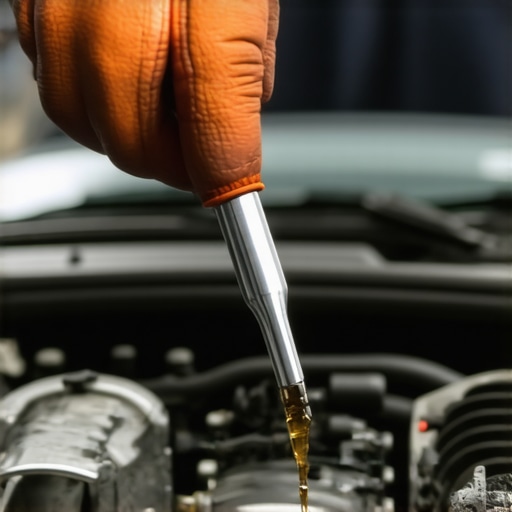
First, locate your transmission dipstick, usually near the back of the engine bay. Pull it out, wipe it clean, then reinsert and remove again to read the fluid level. If the fluid is low, topped with burnt or dark fluid, it’s a sign you need a fluid change — a common culprit for shifting delays. I once found my fluid was nearly empty because a seal had a tiny leak, leading to rough shifts. Replacing the fluid improved my transmission’s responsiveness instantly. Regular checks can prevent this issue.
Test the Transmission Filter
A clogged filter mimics transmission failure by restricting fluid flow. To verify, consult your vehicle’s manual on how to access the filter. If dirty or clogged, replacing it can restore smooth shifting. I once replaced my filter myself, which took about an hour. The result was immediate: smoother acceleration and no more delay. This quick fix is essential for maintaining long-term transmission health.
Inspect and Replace Worn-Out Components
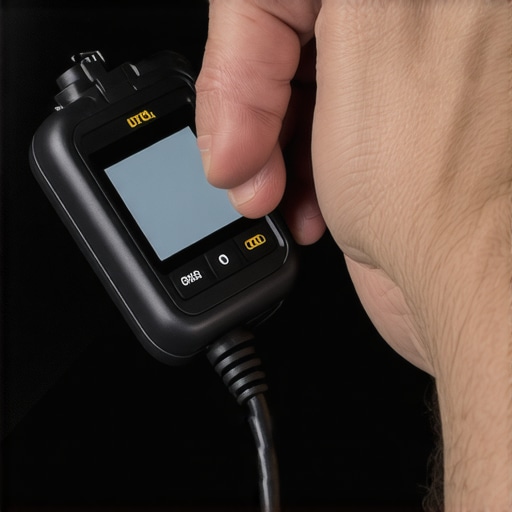
Transmission solenoids control fluid flow within the system. Faulty solenoids can cause hesitation. Use a scan tool to check for related error codes. If identified, replacing the solenoid is straightforward and often inexpensive compared to a full rebuild. I had a solenoid failure diagnosed after a shop scan, and replacing just that part solved my shifting issue. Keep in mind, this precision approach saves time and money.
Assess Transmission Mounts and Linkages
Vibration or hesitation during gear shifts can originate from loose or broken mounts and linkages. Visually inspect these parts for cracks or looseness. Tightening or replacing worn mounts can stabilize your transmission’s movement. I once noticed my shifting felt jerky; tightening the mounts improved the feel significantly. Regular inspections keep these issues from worsening.
Perform a Road Test and Monitor Behavior
After making these adjustments, take the vehicle for a test drive. Pay attention to how smoothly it shifts and whether the delay persists. Use your senses: listen for odd noises and feel for any hesitation. For complex issues, consider consulting a professional or visiting Collision Renew for detailed diagnostics. This proactive approach ensures you tackle minor problems before they become costly repairs, maintaining your car’s reliability over time.
Keep Up with Preventive Maintenance
Implement a routine schedule for transmission services, including fluid changes and system inspections. Proper maintenance, like the strategies outlined in restoring your car to perfection, helps detect issues early. Consistent care reduces the chances of experiencing delays and prolongs your transmission’s lifespan.
Many car owners operate under assumptions about collision repairs and maintenance that can hinder long-term vehicle health. One common misconception is the belief that all auto repair shops provide the same quality of service, leading drivers to choose based solely on price rather than expertise. In reality, specialized services like transmission repair or brake servicing require nuanced knowledge and equipment; selecting a shop without these credentials can result in subpar repairs and hidden problems down the line.
Is Your Mechanic Truly Diagnosing the Root of the Issue?
Another mistake I frequently observe is the over-reliance on quick fixes or symptom-based repairs, neglecting the underlying cause. For example, replacing brake pads without inspecting the rotors or brake fluid might temporarily resolve noise but will not prevent future wear or damage. Advanced diagnostics, such as scanning for error codes or performing thorough visual inspections, are crucial in avoiding repeated visits and unnecessary expenses. According to automotive safety standards, comprehensive diagnostics greatly enhance repair accuracy and vehicle safety.
Many drivers also underestimate the importance of regular maintenance, assuming that once their vehicle runs smoothly, there’s no need for scheduled checkups. This approach is a trap because neglecting preventive care, like timely transmission fluid changes or brake system inspections, often leads to costly repairs later. Routine services, detailed in essential car service checks, are investments that extend your car’s lifespan and prevent unexpected breakdowns.
Why Do Mismatched Parts or Brands Hurt Vehicle Reliability?
One hidden nuance many owners overlook is the impact of mismatched or inferior replacement parts. For example, installing non-OEM brake components or incompatible transmission parts might seem like a savings but can compromise safety and functionality. This oversight can lead to uneven wear, failure, or damage to other systems. Certified repair shops typically ensure parts compatibility, and consulting them ensures your vehicle maintains factory-level performance over time. Additionally, understanding how specific repairs are performed, such as aligning sensors or restoring factory paint, can make the difference between a quick fix and a permanent solution.
Have you ever fallen into this trap of choosing the cheapest option or skipping scheduled maintenance? Share your experiences or questions in the comments. Remember, partnering with reputable collision renewal and auto service professionals not only preserves your vehicle’s value but also keeps you safe on the road. For comprehensive advice, check out strategies for restoring your car to perfection.
Maintaining your vehicle’s performance over time requires the right tools and a disciplined approach. From diagnostic equipment to routine check tools, investing in quality gear helps you catch issues early and prevent costly repairs. One of my go-to items is a high-quality scan tool like the Autel MaxiScan MS300. It’s affordable yet comprehensive enough to read elaborate error codes, which allows me to pinpoint transmission or brake system faults with precision. These tools are vital, especially when attempting preventive maintenance yourself, as they give clear insights into the vehicle’s health before problems escalate.
How do I maintain vehicle systems over time?
Consistency is key. I schedule periodic inspections, focusing on fluid levels, filter conditions, and mounting integrity, utilizing the essential car service checks as a comprehensive guide. For transmission health, I rely on both visual inspection and using specialized software that interfaces with the car’s ECU to monitor shifting patterns or error codes linked to solenoid or sensor issues. This proactive approach not only supports my vehicle’s longevity but also enhances safety during long commutes or city driving.
Additionally, I employ laser digital calipers like the Mitutoyo Digital Caliper for precise measurements of brake pads and rotor thickness. Regularly replacing worn components before they cause system failures ensures your vehicle stays reliable and safe. These calibrated tools are favorites because of their accuracy and durability, making frequent checks a straightforward task rather than a daunting chore, and I personally prefer working with well-reviewed, dependable models rather than cheap alternatives.
The future of vehicle maintenance looks promising with smart technology
Emerging advancements like predictive diagnostics and AI-driven telematics are set to revolutionize long-term auto care. Home-based diagnostic devices will soon analyze your vehicle’s condition and suggest immediate repairs or schedule professional servicing automatically. For now, I recommend integrating a Bluetooth OBD-II scanner with your smartphone app—such as BlueDriver—to keep an active eye on your transmission and brake system health, especially during long trips or aggressive driving conditions.
One actionable tip you can try today is using a high-grade infrared thermometer to monitor your brake rotors’ temperature after heavy braking. Hot spots or uneven cooling indicate potential sticking calipers or compromised brake pads. Regularly performing such simple, tech-assisted checks makes a significant difference in catching issues early, saving money, and extending your vehicle’s lifespan.
Remember, staying ahead with the right tools is about more than convenience — it’s about safety and saving yourself from unexpected breakdowns. For comprehensive strategies on maintaining your vehicle, I highly recommend reviewing restoring your car to perfection. Don’t hesitate to invest in quality equipment; it’s a small price for peace of mind and long-term reliability.
Throughout my years working with vehicles, I’ve realized that those seemingly minor glitches often whisper the loudest truths about our car’s health. The hesitation before shifting isn’t just an inconvenience—it’s a symptom, a signpost pointing toward deeper underlying issues that, if ignored, can escalate into costly repairs.
Lessons That Transformed My Approach to Car Care
- Never dismiss the small signs: I used to think a brief delay was just normal wear. Now I know that consistent hesitation warrants immediate attention, especially when it hints at transmission fluid problems or worn components.
- Regular checks save money and stress: Simple routines like inspecting your transmission fluid and filter can prevent major breakdowns. The moment I started routine maintenance, my repair costs dropped significantly.
- Trust expert diagnostics over quick fixes: I learned to rely on comprehensive diagnostics rather than guessing, which often saved me from unnecessary replacements and ensured reliability.
- Understanding your vehicle empowers you: Familiarity with the specific symptoms and their meanings allows you to make informed decisions and communicate effectively with mechanics.
Tools That Changed the Way I Maintain My Car
- High-quality scan tools: Devices like the Autel MaxiScan MS300 provide deep insights into vehicle issues, making diagnostics accessible even for DIY enthusiasts.
- Laser digital calipers: Precise measurements of brake components help in early detection of wear, preventing surprises on the road.
- Bluetooth OBD-II scanners: Apps like BlueDriver make real-time monitoring straightforward, especially useful during long drives or sudden hesitations.
- Infrared thermometers: Monitoring brake rotor temperatures can preempt safety hazards and identify sticking calipers before they cause damage.
Embracing Smarter Maintenance for Peace of Mind
The future holds promising innovations, from predictive diagnostics to AI-powered vehicle health monitoring. But even now, integrating these tools and practices—like regular fluid checks and component inspections—can keep your transmission smooth and your mind at ease. Remember, being proactive today ensures your vehicle remains a reliable partner tomorrow.
By paying attention to those subtle delays and investing in the right tools, you’re not just fixing cars—you’re mastering the art of preventive care. This approach prolongs your vehicle’s lifespan and saves you from unexpected breakdowns, making each journey safer and more enjoyable.
What’s Your Most Surprising Lesson from Vehicle Maintenance?
Have you ever caught a small sign early and avoided a major repair? Share your story below! Your experience might inspire someone else to listen closer to their car’s whispers, transforming frustration into wisdom.