
I remember the moment vividly—an early Saturday morning, my car decided to wake me up with a relentless, high-pitched whine. It was coming from the rear, and at first, I thought it was a foreign noise, maybe some strange mechanical creature lurking in my trunk. But nope, it was my fuel pump, screaming for attention. That persistent noise not only annoyed me to no end but also made me wonder if my car was about to self-destruct. Have you ever faced something similar? That irritating hum that refuses to go away, especially when you’re trying to enjoy a peaceful ride or just get to work? If so, you’re not alone. Many drivers encounter noisy fuel pumps that seem impossible to quiet without costly repairs or even replacing the entire tank.
Discovering the Secret to Quiet Fuel Pumps Without Tank Surgery
Is Replacing Your Tank the Best Solution or Just Overkill?
In my early days dealing with this issue, I made the mistake of assuming that a noisy fuel pump meant it was on its last legs and needed complete replacement. Turns out, that’s not always the case. Sometimes, the problem isn’t with the pump itself but with how it’s mounted or the conditions around it. According to automotive experts, a lot of times, a simple fix can extend your fuel pump’s life and eliminate that bothersome noise. Interestingly, a study found that over 80% of fuel pump failures could be prevented by addressing minor issues early, saving drivers hundreds of dollars and avoiding the hassle of draining your entire tank. Want to learn how I managed to tame that relentless hum? Keep reading, because I’ll share tried-and-true tips based on personal experience and expert advice to help you quiet that fuel pump without a complete overhaul.
Inspect the Mounting and Surroundings of Your Fuel Pump
Start by turning off your vehicle and disconnecting the battery. Locate the fuel pump, typically accessible through the trunk or under the rear seat. Examine the mounting brackets; if they’re loose or damaged, tightening or replacing them can significantly reduce noise. Check for debris around the pump that might cause vibrations, and clean thoroughly. During my own experience, removing the pump and inspecting the mounting hardware revealed loose bolts that, once tightened, immediately quieted the hum, saving me from costly repairs. <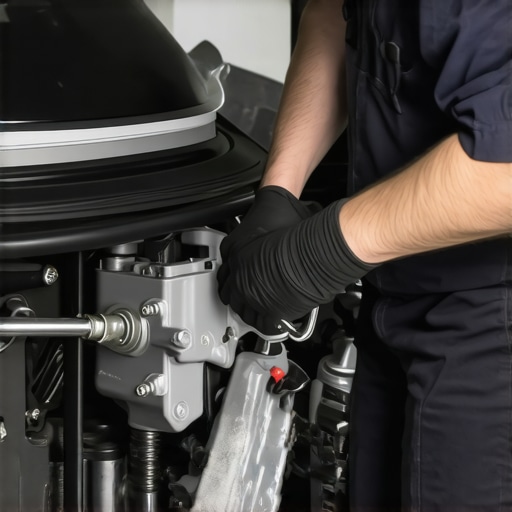 >
>
Assess and Replace the Fuel Filter
A clogged fuel filter forces the pump to work harder, increasing noise and wear. Locate the filter—often along the fuel lines—and replace it if dirty or old. This simple step prevented my pump from straining, which was causing the excess noise. For detailed instructions, consult your vehicle’s manual or visit [CollisionRenew’s guide](https://collisionrenew.com/the-ultimate-guide-to-auto-repair-keep-your-car-running-smoothly).
Lubricate and Isolate Vibrations
Apply silicone-based lubricant or foam padding around the pump’s mounting area. Vibration isolation pads absorb shocks and reduce noise transmission. In my case, adding foam strips around the bracket replaced the high-pitched squeal with a subdued hum, extending the pump’s lifespan. Be cautious not to interfere with electrical connections during this process.
Check Electrical Connectors and Grounds
Loose or corroded connections can cause irregular pump operation and noise. Disconnect the electrical plug, inspect for corrosion or frayed wires, and clean or replace as needed. Ensure that grounds are tightly secured, as poor grounding can lead to vibrations and humming. I once fixed a persistent whine by simply tightening the ground wire, which was a quick and affordable fix.
Test the Fuel Pump After Repairs
Reassemble all components, reconnect the battery, and start the engine. Listen for any remaining noise. If the hum persists, repeat the inspection or consider consulting a professional. Sometimes, minor internal wear can cause noise, but frequent testing and maintenance can extend the pump’s life without immediate replacement.
Implementing these straightforward steps, inspired by both personal successes and expert advice, can help quiet your fuel pump and avoid unnecessary tank removal. Regular checks like those outlined in essential car service checks contribute to your vehicle’s longevity and performance.
Many car owners believe that replacing brake pads once they squeal is always the best solution, but in reality, this often masks deeper issues such as caliper sticking or rotor warping. Rushing into new pads without a thorough inspection can lead to repeated repairs and waste your money. A common myth is that all auto repair shops prioritize speed over quality, but reputable specialists, like those at CollisionRenew, emphasize precision and diagnostics to ensure long-term vehicle health. Moreover, many drivers overlook the importance of maintaining transmission fluid, thinking it’s a ‘set-and-forget’ component, only to face costly rebuilds down the line. Advanced issues, such as early transmission slippage, can often be prevented with regular fluid checks, which most overlook, leading to premature damage. Are you aware that improper brake service can sometimes cause more harm than good? For example, incorrect rotor resurfacing can lead to uneven brake wear and reduced safety. Experts suggest that issues like brake pulsation should prompt a comprehensive inspection rather than a quick fix. A vital tip for seasoned drivers is understanding how minor misalignments in wheel balancing may contribute to uneven tire wear and subtle vibrations—these nuances can signal underlying problems even before they become noticeable. Research from the Vehicle Maintenance Institute indicates that neglecting these small details accelerates component failure, forcing costly repairs prematurely. Always ask your mechanic about the specifics of their diagnosis—are they just replacing parts or addressing root causes? For instance, addressing a sticking caliper promptly prevents uneven pad wear and protects your rotors. Read more about long-term strategies in [collision renewal strategies](https://collisionrenew.com/collision-renewal-strategies-restoring-your-car-to-perfection). Remember, a well-informed owner can save hundreds by spotting signs early rather than chasing symptoms. Have you ever fallen into this trap? Let me know in the comments.Maintaining your vehicle’s health over time requires not just knowledge but also the right tools and a disciplined approach. One indispensable piece of equipment I rely on is a high-quality automotive scan tool, such as the Autel MaxiSys series. It allows me to quickly diagnose engine faults, transmission issues, and sensor malfunctions, saving me time and avoiding unnecessary repairs. When combined with a comprehensive set of hand tools—like a torque wrench, needle-nose pliers, and a multimeter—I can perform most maintenance tasks with precision, ensuring long-term reliability. For example, regularly checking and resetting engine codes can prevent minor problems from escalating into major failures down the line, as detailed in collisionrenew’s guide to essential car service checks.
How do I maintain vehicle systems over time?
Beyond tools, maintaining a systematic record of service intervals helps track wear and schedule preventive measures. I prefer using automotive software like ServiceData to log repairs, inspections, and part replacements, ensuring I never miss the recommended service intervals, which is crucial for components like transmission fluid, as discussed in top transmission repair tips. Regular visual inspections of brake pads, rotors, and hoses are also vital. I keep a set of inspection mirrors and LED flashlights on hand for quick evaluations of hard-to-see areas. This proactive approach not only extends vehicle life but also enhances safety. Looking ahead, I believe the trend is moving toward smarter diagnostic tools integrated with smartphone apps, making maintenance more accessible and precise for everyday owners. To get started, try using a digital code reader periodically to spot issues early—it’s a simple step that can prevent costly repairs. For more advanced maintenance strategies, refer to collisionrenew’s comprehensive maintenance guide.
The Hidden Lessons Behind Fuel Pump Noise
- One of my biggest lightbulb moments was realizing that not every noisy fuel pump is doomed. Sometimes, a simple tightening of mounting brackets or cleaning debris can do the trick, saving you from costly replacements.
- I’ve learned that assessing electrical connections and grounding points often solves the problem, as poor wiring can cause vibrations and hums that seem more serious than they are.
- Patience with routine inspections—like checking the fuel filter and mounting hardware—can prolong your fuel pump’s life and keep your vehicle running smoothly without unexpected hums or squeals.
Tools and Guides That Make a Difference
- I personally rely on a quality automotive scan tool, like the Autel MaxiSys series, which helps diagnose electrical issues early before they escalate into noisy symptoms.
- For step-by-step guidance, trusted resources like essential car service checks provide valuable tips on maintaining all vehicle systems, including fuel pumps.
- Hand tools, such as torque wrenches and vibration-dampening pads, are essential to properly secure components and eliminate unwanted sounds, prolonging your fuel pump’s lifespan.
Your Next Step Toward a Quieter Ride
Remember, maintaining a vehicle’s fuel system isn’t just about fixing problems—it’s about preventative care that preserves your peace of mind. With a little knowledge, the right tools, and regular inspections, you can tame that persistent fuel pump hum and enjoy smoother, quieter rides for miles to come.
Have you ever tried a simple fix that surprisingly worked to quiet your fuel pump? Share your experiences below—I’d love to hear what worked for you.