
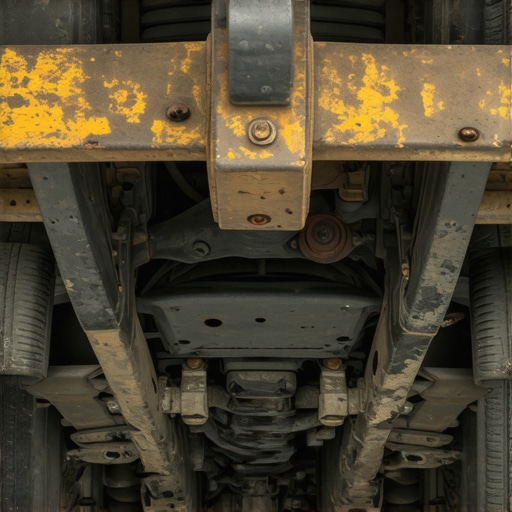
It was a chilly Saturday afternoon when I finally decided to give my old sedan a proper check-up. As I lifted the hood, I noticed something strange—rust spots creeping along the frame underneath, hidden beneath years of dirt and paint. The realization hit me like a cold splash: I had been ignoring that subtle corrosion for too long, and I wondered—how could I tell if my car’s frame was beyond repair? That moment of clarity made me realize the importance of understanding what rust really means for my vehicle’s safety and longevity.
Don’t Let Rust Steal Your Vehicle’s Strength
Rust can be insidious. It silently eats away at the critical structure of your car, weakening it to a point where repairs become costly or impossible. Knowing the signs of severe frame rust isn’t just about preserving your car’s appearance—it’s about your safety and the safety of your loved ones. Before I learned the hard way, I used to dismiss some minor surface rust as just cosmetic; however, I discovered that not all rust is created equal. In fact, the difference between minor corrosion and a compromised frame can be a matter of months or even weeks.
Could Rust Really Be That Bad?
One mistake I made early on was assuming if I didn’t see large rust holes, my car was safe. I didn’t realize that rust could be hidden inside the frame, out of sight, yet still severe enough to be dangerous. According to automotive experts, corrosion that penetrates deep into the structural components can significantly compromise safety, especially if ignored for too long. This is why it’s essential to know what to look for and when to seek professional advice.
So, are you worried that your vehicle might be facing the same risk? Have you noticed any bubbling paint, discoloration, or soft spots? Recognizing these early signs can save you from costly repairs or dangerous situations down the road. Next, I’ll walk you through practical tips to identify whether your car’s frame is rusted beyond repair, backed by insights from seasoned auto professionals. If you want to dive deeper into protecting your vehicle, check out [collision renewal strategies](https://collisionrenew.com/collision-renewal-strategies-restoring-your-car-to-perfection) for comprehensive restoration tips.
Start with a Visual Inspection
Park your vehicle on a flat surface and open the hood and trunk. Look for bubbling paint, discoloration, or soft spots around the frame, especially along the undercarriage. Use a flashlight to peek into hard-to-see areas. Remember, rust can hide inside structural components, so be thorough. During my own inspection, I used a mirror and a small pick to gently tap suspect areas, which revealed soft spots indicating advanced corrosion.
Assess the Severity of Rust Damage
Determine if rust is superficial or penetrative. Surface rust appears as flaky or bubbling paint, while deep rust can cause metal thinning or holes. Use a screwdriver or a small pry bar to gently scrape or prod areas with suspicious rust. If the tool easily penetrates or leaves a mark, the rust is likely severe. I once found a soft spot near the rear wheel well; upon testing, it felt spongey, signaling the need for professional evaluation.
Identify Hidden Rust
Listen for unusual noises when tapping or knocking along the frame, which can indicate internal rust. Additionally, look for signs of previous repairs or paint overspray, which might suggest hidden damage. In my case, a patch of uneven paint near the engine bay turned out to be a repair covering rust, emphasizing the importance of a detailed inspection.
Evaluate Structural Integrity
If rust appears extensive, check for misaligned panels, sagging, or cracks in the frame. Gently shake or push on parts of the vehicle and observe any abnormal movement. Severely rusted sections may compromise safety. I recall attempting to shake the rear bumper after noticing surface rust; it moved more than it should, confirming that professional assessment and repair were necessary.
Decide When to Seek Professional Help
If you find deep corrosion, large holes, or significant soft spots, it’s time to consult a collision repair expert. They can perform non-destructive testing, like X-ray or ultrasonic scans, to fully assess hidden damage. Remember, addressing rust early can save money and lives, as severe corrosion can lead to frame failure. For more insights on restoring your car after rust damage, visit this comprehensive restoration guide.
Implement Rust Prevention Measures
After repairs, consider applying rust-proof coatings or undercoatings to protect vulnerable areas. Regularly wash your vehicle, especially after winter or muddy conditions, to remove salt and debris that accelerate rust. For ongoing maintenance tips, see these essential checks. Additionally, inspect for paint chipping or scratches and repair them promptly to prevent rust penetration.
< >When it comes to vehicle maintenance, many car owners operate under misconceptions that can lead to costly repairs or safety risks. One widespread myth is that prioritizing brake pad replacement alone ensures safe braking, but in reality, the entire brake system, including rotors, calipers, and hydraulic components, must be inspected and maintained regularly. Relying solely on brake pad wear as an indicator can be dangerous, as other parts may be failing silently. For more insights on choosing quality brake services, visit the latest brake service guides. A common trap is believing that all auto repair shops are equal; however, without proper expertise, you risk incomplete repairs or future breakdowns. Certified specialists, who follow industry standards, can detect nuanced issues like subtle transmission slipping or engine misfires that less experienced technicians might miss. Additionally, many assume that replacing transmission fluid is unnecessary because of claims about lifetime fluids. Yet, according to auto experts, this fluid degrades over time, affecting shifting performance and transmission longevity. It’s crucial to understand that overlooked niche issues, such as a failing motor mount causing vibrations, can be mistaken for tire imbalance, leading you to spend on the wrong fixes. Advanced diagnostics, like ultrasound testing, allow technicians to uncover hidden problems, saving you money and preventing breakdowns. Have you ever fallen into this trap? Let me know in the comments. Recognizing nuanced factors, such as the importance of regular fluid exchanges or the significance of precise diagnostics, can transform your approach to vehicle care, ultimately extending your car’s lifespan and ensuring safety. Don’t assume superficial fixes are enough; invest in professional evaluations and strategic maintenance—your vehicle will thank you.Maintaining your vehicle’s performance over the long term requires a combination of the right tools, disciplined methods, and a proactive mindset. One essential piece of equipment I personally rely on is a high-quality automotive scan tool, like the Innova 3160g. This device allows me to read and clear diagnostic trouble codes quickly, providing immediate insight into issues that aren’t always visible during visual inspections. Unlike generic code readers, my scanner supports live data monitoring and ABS/SRS diagnostics, which are crucial for catching complex problems early. Regular use of such tools enables me to catch sensor faults, transmission irregularities, and engine misfires before they escalate, ultimately saving significant repair costs and preventing breakdowns.
After my deep dive into my vehicle’s rust situation, I realized that the most valuable lessons come from hands-on experience rather than just reading about auto maintenance. It’s one thing to know the signs of rust and corrosion, but truly understanding how to prevent and address them elevates your car care game. The journey taught me that proactive measures and continuous learning are the keys to keeping my vehicle safe and reliable for years to come.
Lessons from the Front Lines of Car Maintenance
- Pay attention to the gut feeling: Even minor rust spots or paint bubbling shouldn’t be ignored. Prompt attention can save you thousands of dollars and, more importantly, keeps you safe on the road.
- Don’t rely solely on appearances: Rust can hide inside the frame or structural components. Regular visual inspections, combined with professional assessments, can detect issues before they become dangerous.
- Educate yourself continuously: The world of auto repair is ever-evolving. Staying informed through trusted resources helps you make better decisions and avoid costly mistakes.
My Arsenal for Overcoming Auto Challenges
- High-quality diagnostic tools: Investing in a scanner like the Innova 3160g allows me to catch problems early and understand the hidden health of my vehicle. It’s an essential for any car owner serious about maintenance.
- Trusted repair guides: Resources such as collision renewal strategies provide comprehensive insights that help me communicate better with mechanics and oversee repairs effectively.
- Community and expert advice: Forums, local clubs, or professional workshops are invaluable for sharing experiences and tricks that are not always found online.
Keep Moving Forward, Vehicle Guardians
Remember, mastery in auto care isn’t achieved overnight. Embrace each inspection and repair as an opportunity to learn more about your vehicle and yourself. By staying vigilant and informed, you turn potential hazards like rust into opportunities for longevity and safety. Your car’s health reflects your commitment—so keep pushing, keep inspecting, and never underestimate the power of proactive maintenance. Have you ever caught a hidden issue before it became a problem? Share your story below and let’s learn together!