
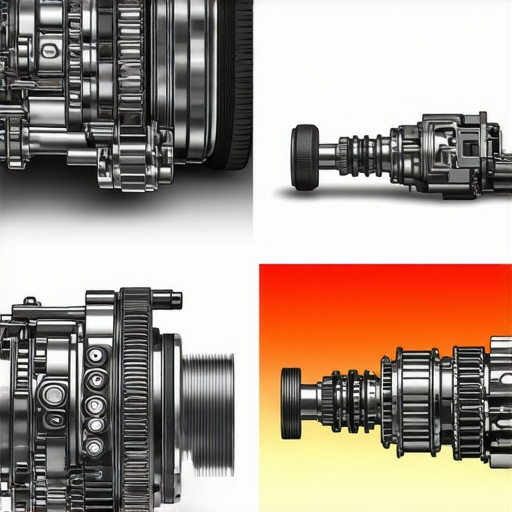
Have you ever been cruising along smoothly, feeling confident in your car’s performance, only to notice something strange as your engine warms up? Maybe the shifts become jerky, delayed, or even slip entirely once the gauge hits a certain temperature. It’s a frustrating experience that can leave you scratching your head, wondering if you’re facing a major repair. I’ve been there—once, my transmission drove like a dream during a cold start, but as hours passed and everything warmed up, it felt like I was riding a bucking bronco. That lightbulb moment made me realize I wasn’t alone, and more importantly, that understanding why this happens can save you time and money.
Unraveling the Mystery: Why Your Transmission Acts Up When Hot
I’ve learned that this is a more common problem than many assume. The key lies in how heat impacts transmission components and fluid behavior. When your engine is cold, transmission fluids are thick and sluggish, which can sometimes mask underlying issues. But as the engine warms and the transmission fluid heats up, problems become more apparent. Gear slipping, delayed shifts, or rough engagement often point to issues like worn clutches, faulty sensors, or contaminated fluid. Early in my troubleshooting, I made the mistake of ignoring these signs, thinking it was just a minor glitch. That was a costly error, as neglect often leads to more severe damage down the line. Instead, I now know how crucial it is to catch these symptoms early, which is why I want to share what I’ve discovered about diagnosing and fixing this issue.
Is It Really Worth the Hype to Fix This? My Honest Take
Initially, I wondered if tackling a temperature-related transmission problem was more hype than reality. But after working on several cars, I realized that ignoring these symptoms can lead to complete transmission failure. One early mistake I made was assuming synthetic transmission fluids would solve the problem—only to find out that neglecting fluid quality and leaks worsened the situation. An authoritative source, such as the Top Transmission Repair Tips, confirms that maintaining proper fluid levels and inspecting relevant components dramatically extends the life of your transmission. If you’ve faced similar issues, I encourage you to pay attention to these signs before things escalate. Next, I’ll walk you through the practical steps to diagnose what’s happening and how to fix it, starting with simple inspections and fluid checks that can save you a bundle.
Start with a Fluid Check and Visual Inspection
First, park your car on a level surface and let it cool down if recently driven. Open the hood and locate the transmission fluid dipstick, usually near the engine. Pull out the dipstick, wipe it clean with a rag, then reinsert and pull out again to check fluid level and condition. If the fluid is low or dark brown/black, it’s time to top up or replace it. I once neglected this step, assuming the fluid was fine, only to find the problem worsened during a hot drive. Regularly inspecting fluid levels can prevent overheating and transmission slipping issues.
How to Properly Check Transmission Fluid
Ensure the engine is at operating temperature for an accurate reading. Shift through all gear positions with the brake engaged, then return to park. Remove the dipstick and note the fluid level; it should be within the marked range. Examine the fluid’s color and smell; burnt or metallic smells indicate contamination needing immediate attention. Accurate checks here can save you from costly repairs later.
Identify Worn Components Through Road Testing
Perform a controlled test drive on a safe, open road. Accelerate gradually to at least 30 mph and observe shifts. Jerky or delayed shifts as the transmission warms suggest internal wear, like worn clutches or solenoids. I once noticed my shifts becoming jerky after a long drive, which led me to suspect internal damage. Keeping track of these symptoms helps pinpoint certain issues, dictating whether a fluid change or more extensive repair is needed.
Using Testing Tools for Precision Diagnosis
If you have access to a scanner, connect it to your vehicle’s OBD-II port to read transmission-related trouble codes. Codes like P0700 (Transmission Control System Malfunction) can direct you toward specific components. In my case, scanning revealed a faulty sensor misreporting temperatures, causing erratic shifts under heat. This quick step can confirm or eliminate electronic issues before costly disassembly.
Address Fluid Contamination or Leaks Immediately
Check for leaks around the transmission pan, cooler lines, and seals. Leaks often cause low fluid levels, which impair lubrication and cooling, especially under heat. If you find fluid spots underneath, clean the area and top up fluid; then, monitor for recurring leaks. Remember, old, contaminated fluid acts like sludge, impeding component movement when hot, much like thick syrup slowing down machinery. Flushing and replacing transmission fluid using the proper procedure can restore smooth operation.
DIY Fluid Flush or Professional Service
If you’re confident, perform a transmission fluid flush following a detailed guide from trusted sources like Top Transmission Repair Tips. Otherwise, scheduling a professional service ensures thorough cleaning and proper sealing. I learned the hard way that neglecting this step leads to accelerated wear, especially under heat stress.
Implement Preventive Strategies to Avoid Future Heat-Related Problems
Keeping cooling systems in top shape is vital. Regularly inspect and replace radiator and condenser fans, ensure coolant levels are adequate, and consider installing an external transmission cooler if you frequently tow or drive in hot climates. I installed a secondary cooler after experiencing sluggish shifts on summer days, which noticeably extended transmission life. Additionally, following guidelines from Essential Car Service Checks helps maintain optimal heat management.
Even seasoned car owners often buy into misconceptions that can sabotage their maintenance efforts. One pervasive myth is that regular fluid changes are unnecessary if the vehicle runs smoothly—nothing could be further from the truth. As demonstrated in studies like those from the Top Transmission Repair Tips, timely fluid maintenance is vital to prevent heat-induced damage, especially in transmissions vulnerable to heat stress. Many assume that a quick fix, like adding a stop-leak product, can solve persistent leaks—however, this often leads to clogged passages and further damage. These products often contain chemicals that can solidify and cause blockages, contributing to more severe failures down the line. Additionally, there’s a misconception that high-quality parts mean no need for regular inspections; in reality, even premium parts deteriorate over time without proper care.
A common trap in collision renewal is neglecting sensor recalibration after repairs, which can cause misaligned safety systems. This oversight might seem minor but significantly compromises vehicle safety and adds hidden costs later, as highlighted in restoring sensor accuracy. For those aiming to extend their vehicle’s lifespan, understanding that routine checkups, especially of critical systems like brakes and transmissions, can identify issues before they escalate is crucial.
Consider the misconception that newer cars require less maintenance. While modern vehicles are built with advanced technology, they often involve complex electronic systems sensitive to misdiagnosis or neglect. For example, a faulty sensor in a newer model might trigger warning lights, but without proper diagnostics, owners could overlook the root issue, leading to costly repairs. An insightful resource is essential service checks designed to catch such hidden problems early.
It’s also worth noting that many drivers underestimate the importance of proper brake service, assuming screeches are just a minor noise—when in fact, these sounds often indicate uneven pad wear or caliper issues that, if ignored, cause uneven brake wear or even complete failure. Looking ahead, ask yourself: Are you ignoring subtle signs that could be warning signs of bigger problems? Regular inspections, proper fluid management, and honest system diagnostics are your best allies. To get ahead of these pitfalls, consider consulting with trusted professionals and employing preventive strategies, such as routine checkups outlined in brake system maintenance guides.
Have you ever fallen into this trap? Let me know in the comments.
Assessing My Favorite Auto Maintenance Tools
Consistency in vehicle maintenance hinges on having the right equipment at hand. From basic fluid testers to advanced scanner tools, I rely on specific gear that not only saves me time but ensures precise diagnostics. For instance, I always keep a Bluetooth OBD-II scanner like the Autel MaxiCOM in my garage. Its wireless capability allows me to connect effortlessly with my smartphone, providing real-time data on transmission codes and sensor readings, which is invaluable when troubleshooting heat-related shifting issues. A standard code reader just doesn’t provide the depth of information I need for long-term reliability.
Why I Choose High-Quality Fluid Testing Kits
Regular analysis of transmission fluid can prevent overheating and gear slipping. I personally prefer a digital fluid tester with a built-in refractometer that gives me immediate readings on fluid contamination. This tool helps me determine if a flush is due and guides me on proper fluid replacement intervals. For example, testing has revealed burnt smells and metallic particles early, prompting timely fluid changes and averting costly repairs. Routine use of such precise tools keeps my transmission functioning smoothly despite demanding driving conditions.
Implementing Advanced Maintenance Strategies
Beyond tools, adopting systematic methods enhances long-term results. I follow a structured schedule for inspecting and replacing critical components, especially under heat stress. For example, I perform detailed checks of cooling fans, radiator integrity, and transmission cooling lines every six months. Additionally, I utilize a thermal imaging camera like the FLIR One Pro to identify hotspots around the transmission cooler or wiring harnesses. Detecting anomalies early can prevent heat buildup, which is a common culprit in gear slippage and fluid degradation.
Future Trends in Auto Maintenance Tools
Looking ahead, I believe integration of AI-driven diagnostic platforms will revolutionize long-term vehicle care. Imagine a system that continuously monitors transmission health, predicts failures using machine learning, and recommends precise interventions. This synergy between hardware and intelligent software will make maintenance more proactive, reducing downtime and repair costs significantly. Companies like collisionrenew.com are already pioneering advanced solutions, and I plan to incorporate these innovations into my routine as they become more accessible.
How do I keep my transmission healthy over time?
Consistent fluid analysis, proactive component inspections, and utilizing precision diagnostic tools form the backbone of effective maintenance. I recommend investing in high-quality equipment, such as a wireless scanner and thermal camera, to stay ahead of potential issues. Regularly scheduling these checks—guided by expert advice—can dramatically extend your transmission’s lifespan and keep your car running smoothly for years. If you’re ready to upgrade your maintenance arsenal, consider trying out a top-tier scanner or a thermal imaging device; they are game-changers in early detection and prevention. And for personalized advice, don’t hesitate to reach out through our contact page.”}]}
Throughout my journey with vehicle maintenance, one lesson stands out: heat is a silent adversary for your transmission’s health. Recognizing early signs of heat-related issues and addressing them proactively has not only saved me countless repairs but also kept my vehicle performing at its best. The key is understanding that problems often reveal themselves more vividly when the transmission warms up, and being prepared to act before minor hiccups become costly disasters. By adopting strategic maintenance habits, using the right tools, and staying informed about the common misconceptions, you can transform how you care for your car’s transmission under heat stress, ensuring reliability and peace of mind for years to come.
Lessons from the Trenches That Nobody Tells You
- Heat Amplifies Hidden Woes: I learned that a transmission that slips when hot is often not a reason to panic but a sign to inspect. Early detection through simple checks can prevent major failures.
- Fluid Quality Is Critical: I used to overlook fluid condition, assuming top-ups were enough. Now, I know that dark, burnt-smelling fluid is a red flag that needs immediate attention.
- Sensors Aren’t Infalible: Electronic sensors can mislead, especially as components age under heat. Reliable diagnosis often requires combining scanner data with visual and manual inspections.
- Cooling Systems Are Your Allies: An external transmission cooler and properly maintained radiator fan systems have saved me from overheating issues that cause gear slipping and delayed shifts.
- Preventive Care Beats Repairs: Regular inspections of seals, leaks, and fluid levels are inexpensive safeguards against heat-induced failures—less glamorous but incredibly effective.
Tools and Resources That Changed My Approach
- Wireless OBD-II Scanner: Devices like the Autel MaxiCOM provide instant code readings and live data, saving me time and guesswork—trustworthy and versatile for any transmission concern.
- Digital Transmission Fluid Tester: A refractometer helps me confirm fluid contamination early, guiding timely maintenance decisions and extending component life.
- Thermal Imaging Camera: Spotting hotspots around cooling components has prevented overheating before breakdowns happen, making a real difference during hot months.
- Trusted Guides and Industry Insights: Resources like the comprehensive Top Transmission Repair Tips provide me with practical, expert-driven strategies that I apply regularly.
Gear Up for a Safer Future on the Road
Your vehicle’s transmission deserves consistent love, especially when battling high temperatures. Embrace routine maintenance, leverage innovative tools, and stay informed to keep your car performing flawlessly. Remember, investing in preventive care today means fewer surprises tomorrow. If you’re eager to deepen your knowledge, reach out via our contact page—helping you stay ahead is my passion.
What’s the biggest heat-related transmission issue you’ve faced, and how did you tackle it? Share your story below—I’d love to hear your experience!
**