
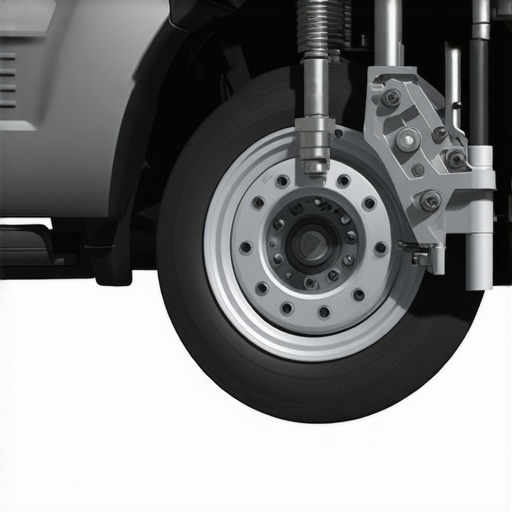
One evening, I was pulling out of my driveway when I heard a peculiar clicking sound—sharp and rhythmic—coming from the front of my car. My heart sank. Was it the dreaded CV axle, or just my brakes playing tricks on me? That moment of uncertainty made me realize how confusing and nerve-wracking it can be to diagnose car noises on your own. If you’ve ever found yourself in a similar spot, you’re not alone, and I want you to know there’s hope—and a way to tell exactly what’s going on without unnecessary trips to the mechanic.
Let’s Decode That Sound: Is It the CV Axle or Your Brakes?
When your car starts making clicking sounds, it can feel like trying to solve a puzzle without all the pieces. The difference between a failing CV axle and worn-out brakes is subtle but manageable once you know what to listen for. Early on, I made the mistake of assuming every noise was just normal wear, leading to more costly repairs. Over time, I learned to pay attention to specific cues—like when the sound happens, under what conditions, and how it evolves—to pinpoint the culprit.
Is My Car Really Worth the Hype?
Here’s the truth I discovered: ignoring these symptoms can lead to serious damage and unsafe driving conditions. The National Highway Traffic Safety Administration reports that many accidents stem from preventable mechanical failures, often linked to neglected repair signals. The key is catching these issues early—saving money and keeping yourself safe. So, if you’re wondering whether that clicking is a sign of impending trouble, stick with me. We’ll walk through simple methods to identify whether your CV axle is clicking or if your brakes are the real troublemakers, so you can act confidently and promptly.
Test the Noise While Driving: Recreate the Symptoms
Start your car and have a skilled friend gently steer or brake at different speeds. Pay attention to when the clicking occurs—whether during turns, acceleration, or braking. I once invited my neighbor along for a test drive, and her feedback helped pinpoint that the noise appeared only during left turns—a sign pointing towards the CV axle issue. This real-time test helps mimic road conditions and isolates the problem.
Listen Carefully to Pinpoint the Cause
Different noises give clues. A rhythmic click upon turning suggests a CV axle problem, much like a worn zipper that catches. On the other hand, a consistent squeal when pressing the brake pedal hints at brake pad wear. I remembered hearing a high-pitched squeal when I initially pressed my brakes—similar to screeching chalk—prompting me to inspect the pads first. Recognizing these subtle differences empowers you to focus your repairs.
Check the Experience of the Sound Under Specific Conditions
Observe if the sound is present during specific actions. Does the click only happen when turning right or left? Does braking trigger the sound distinctly? I made a quick test by turning my steering wheel sharply while stationary—if the clicking intensified, I suspected the CV joint. This step narrows down potential issues efficiently.
Inspect Accessible Components Visually
Open the hood and look at the CV boots—if they’re torn or cracked, dirt and moisture can cause the joint to fail, much like exposing a zipper to mud. For brakes, check the rotor surface for scoring or uneven wear. Once I noticed a cracked CV boot, I knew a replacement was necessary. Regular visual checks save time and prevent sudden breakdowns.
Perform a Manual Test to Confirm
Safely lift the vehicle with a jack, secure it, and manually move the components. For CV axles, grasp the axle shaft and gently wiggle it—excessive play indicates wear, analogous to shaky steering. For brakes, spin the wheel while slightly pressing the brake pedal—if the rotor wobbles or drags, it signals a problem. I once found a loose wheel bearing this way, which needed immediate attention.
Differentiate Between Similar Noises
Some sounds mimic each other—like a squeal can come from both brakes and belts. To tell apart brake squealing, listen for sounds only during slow stops; CV axles often click during turns at any speed. I experienced a squealing sound extending beyond brakes, pointing towards a worn belt, but knowing these nuances clarified the repair path.
Refer to Professional Resources for Confirmation
If uncertainty lingers, consult expert guides or contact a trusted mechanic. For detailed diagnostic techniques and service strategies, visit this comprehensive guide. Remember that timely diagnosis not only restores safety but also extends your vehicle’s lifespan.
Document and Monitor Future Noises
Keep a log of when and how noises occur—note if they worsen over time. This documentation aids in diagnosing recurring issues and prioritizing repairs. During my own experience, tracking the noises helped me decide whether a quick fix or full replacement was necessary, saving both money and stress.
Take Action Promptly but Methodically
Once the symptoms are identified, schedule inspections and repairs without delay. Use a reputable repair shop if you’re unsure about DIY fixes, especially for complex components like the CV joint or brake calipers. For trusted local experts, visit this contact page. Acting swiftly prevents minor problems from escalating into costly failures, ensuring your safety on the road.
Many car owners operate under assumptions about vehicle maintenance that can lead to costly mistakes. One prevalent myth is that routine repairs, like brake replacements, are always straightforward and can be neglected until symptoms are severe. In reality, overlooking subtle signs can cause components to fail unexpectedly, highlighting the importance of understanding the hidden nuances of auto repair. For instance, trusting that brake pads only wear out after squealing ignores early indicators like a soft pedal or vibrations, which if addressed promptly, can prevent rotor damage and more expensive repairs.
Why do many car enthusiasts still fall for misconceptions about transmission fluid life spans?
The misconception here is that lifetime transmission fluids never need changing. However, expert sources, including those at Collision Renew, stress that even so-called lifetime fluids degrade over time due to heat and contaminants. Neglecting this can lead to sluggish shifts or transmission failure. It’s a common trap—believing that manufacturer estimates eliminate the need for regular checks—yet, real-world experience shows regular fluid analysis and changeouts can significantly extend transmission life.
Another common error is diagnosing issues solely based on symptoms presented. For example, a vehicle pulling unexpectedly during braking might be attributed solely to brake calipers, but the underlying cause could be uneven tire pressure or suspension alignment issues. These nuances emphasize that a comprehensive understanding of vehicle dynamics is vital for accurate diagnosis.
Brakes or Suspension: Which Causes Your Noisy Ride?
Many drivers assume squeaky brakes are always due to worn pads, but sometimes, worn suspension bushings or anti-rattle clips can produce similar noises. Recognizing these subtle distinctions requires experience; for instance, a squeal during acceleration points towards suspension components, whereas braking-produced squeals are more directly linked to brake pads or rotors. Misinterpretation can lead to unnecessary parts replacements or overlooked underlying problems, underscoring why advanced knowledge and precise diagnostics are essential.
Procedures like inspecting CV boots or calipers might seem simple, but advanced techniques such as measuring play with specialized tools reveal critical issues that basic visual checks might miss. For example, excessive lateral movement in a CV joint can indicate imminent failure, which, if caught early, can save the cost and safety risks of roadside breakdowns.
What’s the long-term impact of neglecting subtle warning signs?
Ignoring early warning signs, such as minor vibrations or irregular noises, can lead to more severe damage, including transmission failure or structural compromise. Studies, such as those cited by Collision Renew, demonstrate that proactive maintenance reduces repair costs and enhances safety. Recognizing these nuances and acting swiftly not only preserves vehicle integrity but also maintains your peace of mind.
In conclusion, challenging these misconceptions and understanding the deeper nuances of auto repair empowers you to make smarter decisions. Regular inspections, informed diagnoses, and timely interventions are your best strategies to keep your vehicle running smoothly. Remember, the right knowledge can turn a confusing repair scenario into a simple fix. Have you ever fallen into this trap? Let me know in the comments, and stay vigilant on your maintenance journey.
Maintaining your vehicle’s longevity and optimal performance requires more than just basic knowledge; it demands the right tools and a systematic approach. Over the years, I’ve refined my toolkit to include equipment that not only expedites repairs but also ensures precision, safety, and consistency. One such indispensable item is a digital multimeter. Unlike analog versions, a high-quality multimeter allows me to accurately diagnose electrical issues, such as faulty sensors or parasitic drains. I personally favor models with auto-ranging capabilities and data hold functions, which streamline the troubleshooting process and prevent misinterpretation of readings.
When it comes to inspecting complex components like the transmission or alternator, endoscopic inspection cameras have revolutionized my diagnostics. These compact, flexible cameras enable me to visually assess internal parts without costly disassembly, revealing issues like sludge buildup or damaged seals. I own a model that connects to my smartphone via Wi-Fi, making it easy to document findings and share them with trusted mechanics for remote consultations.
For ongoing maintenance, a laser tachometer is invaluable for measuring engine speed and ensuring proper idle settings. I trust my digital tachometer to fine-tune the idle, which directly influences fuel efficiency and component wear. Regular use of such a tool helps me catch irregularities early, preventing expensive repairs down the line.
Hardware maintenance also benefits from specialized lubricants and sealants. I recommend carrying a high-temperature grease for CV joints and a rubberized spray for protecting exposed parts from moisture and corrosion. Applying these products after inspections or repairs maintains the integrity of critical components, much like the meticulous techniques detailed in Collision Renew’s restoration strategies.
As for software, I rely heavily on diagnostic scan tools compatible with my smartphone or tablet. These allow me to read and clear diagnostic trouble codes (DTCs) efficiently, track sensor data in real-time, and monitor vehicle systems. The evolution of OBD-II scanners, especially Bluetooth-enabled models, has democratized diagnostics—making professional-grade data accessible to everyday car enthusiasts. In the future, I predict that AI-powered diagnostic apps will become even more intuitive, guiding users through complex repairs with step-by-step instructions based on real-time data.
To keep my vehicle running smoothly, I schedule regular self-checks, leveraging these tools to spot issues before they escalate. This proactive approach not only saves money but also enhances safety and driving comfort. One tip to try today: use your digital multimeter to verify your battery’s voltage and the alternator’s output. Maintaining a healthy electrical system forms the backbone of reliable auto operation.
If you’re ready to elevate your maintenance routine, consider investing in these precise tools. They are your first line of defense against unexpected breakdowns and costly repairs. Want to learn more about advanced auto maintenance techniques or need professional assistance? Don’t hesitate to reach out to us for expert support. Remember, consistent, skillful upkeep is the key to keeping your car in top shape for miles to come.
Lessons the Noise Taught Me That No One Else Will Share
One of the most valuable insights I gained is that not all car noises are created equal—each whisper from your vehicle holds a story, and understanding it can save you time and money. I once ignored a faint clicking during turns, dismissing it as minor. It wasn’t until I learned to interpret these subtle clues that I caught a failing CV axle before it caused a breakdown. The biggest lesson? Trust your ears and instincts—early detection is your best safeguard against costly repairs.
Another revelation was how often we overlook simple visual checks. A torn CV boot or uneven brake pad wear might seem trivial, but these small details are like warning lights blinking on your dashboard—you need to read them carefully. I’ve learned that taking a few moments for visual inspection can make a world of difference, helping prevent catastrophic failures on the road.
Lastly, I realized that knowledge truly empowers. Using basic tools like a multimeter or an inspection camera transformed my approach, turning me from a clueless bystander into a confident DIYer. These tools helped me diagnose complex issues without always rushing to the mechanic, and I can’t recommend enough that you equip yourself with at least a few essentials to stay proactive on your vehicle maintenance journey.
Tools and Resources That Transformed My Maintenance Routine
Over the years, I’ve curated a toolkit that’s essential for car enthusiasts who want responsibility and peace of mind. First, a reliable digital multimeter has become my go-to for electrical diagnostics. It’s precise, easy to use, and prevents guesswork when testing batteries or sensors, saving me downtime and money.
Next, a compact inspection camera has revolutionized how I check internal parts like CV joints or brake calipers. It’s like having a microscope in your pocket—no need for costly disassembly and guesswork. This tool helps catch issues early and provides visual proof when consulting a mechanic, making repairs more efficient and affordable.
Additionally, I rely on specialized fluids and lubricants for preventive care, like high-temp grease for CV joints or moisture-resistant sprays on exposed parts. These simple maintenance steps extend the life of your components and keep your vehicle performing at its best.
Finally, using OBD-II scan tools compatible with your smartphone can offer real-time insights into your vehicle’s health. It’s empowering to read and clear codes yourself, avoiding unnecessary trips and understanding your car better. Trusting these resources has helped me avoid roadside surprises and maintain top performance.
Your Next Step Towards Confident Car Care
Every journey in auto maintenance begins with small steps and a willingness to learn. You don’t have to be a mechanic to understand your car’s language—by investing in the right tools and expanding your knowledge, you gain control over your vehicle’s health. Remember, addressing these issues early not only saves money but also keeps you safe on the road. Start today with simple visual checks or by experimenting with a diagnostic tool, and watch how your confidence grows. Want to dive deeper into professional tips or need personalized guidance? Feel free to reach out to us. Your car’s health is worth it—take charge now and enjoy the ride ahead!